
Last updated September 23, 2026
Free visual inspection and a written scope of work before any mitigation begins - photos, moisture readings, and drying logs go in your claim file
The scope we write is the scope we bill. Anything new gets shown to you, in writing, before we touch it.
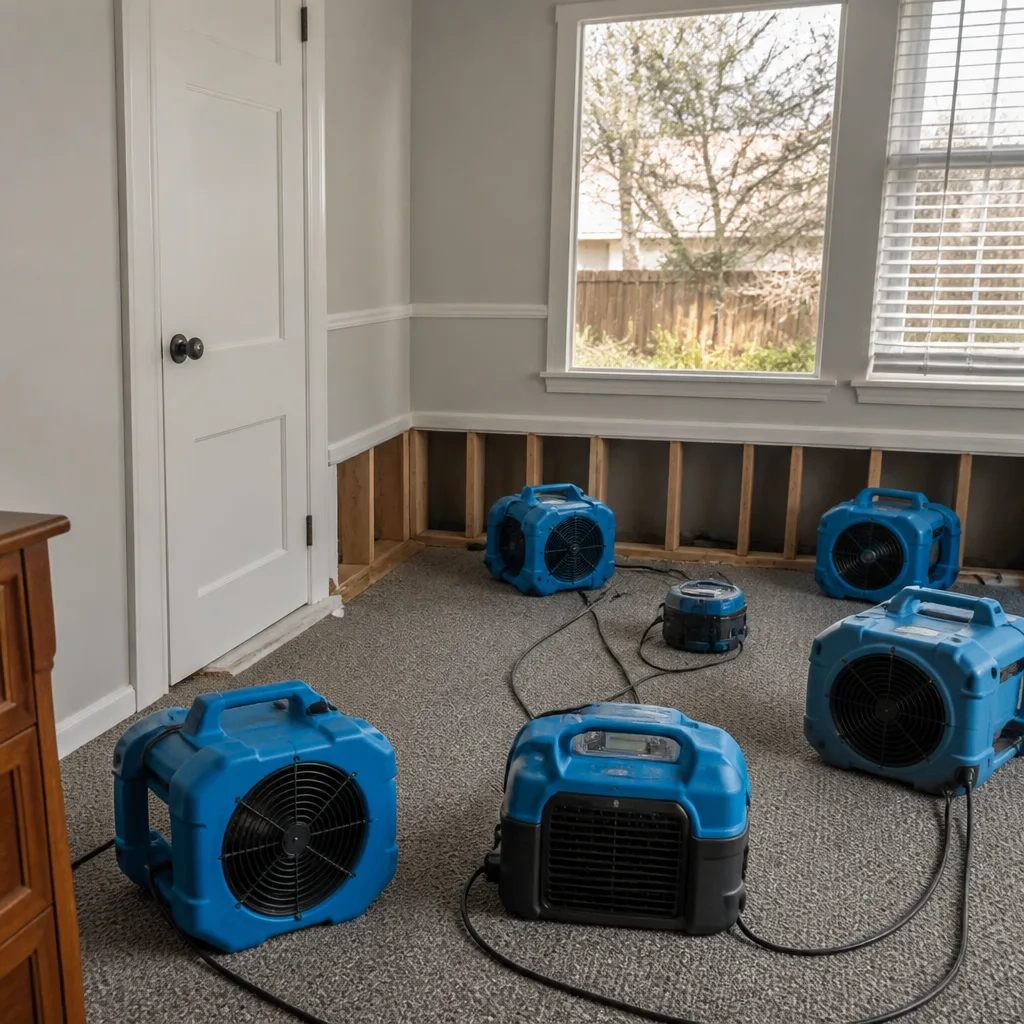
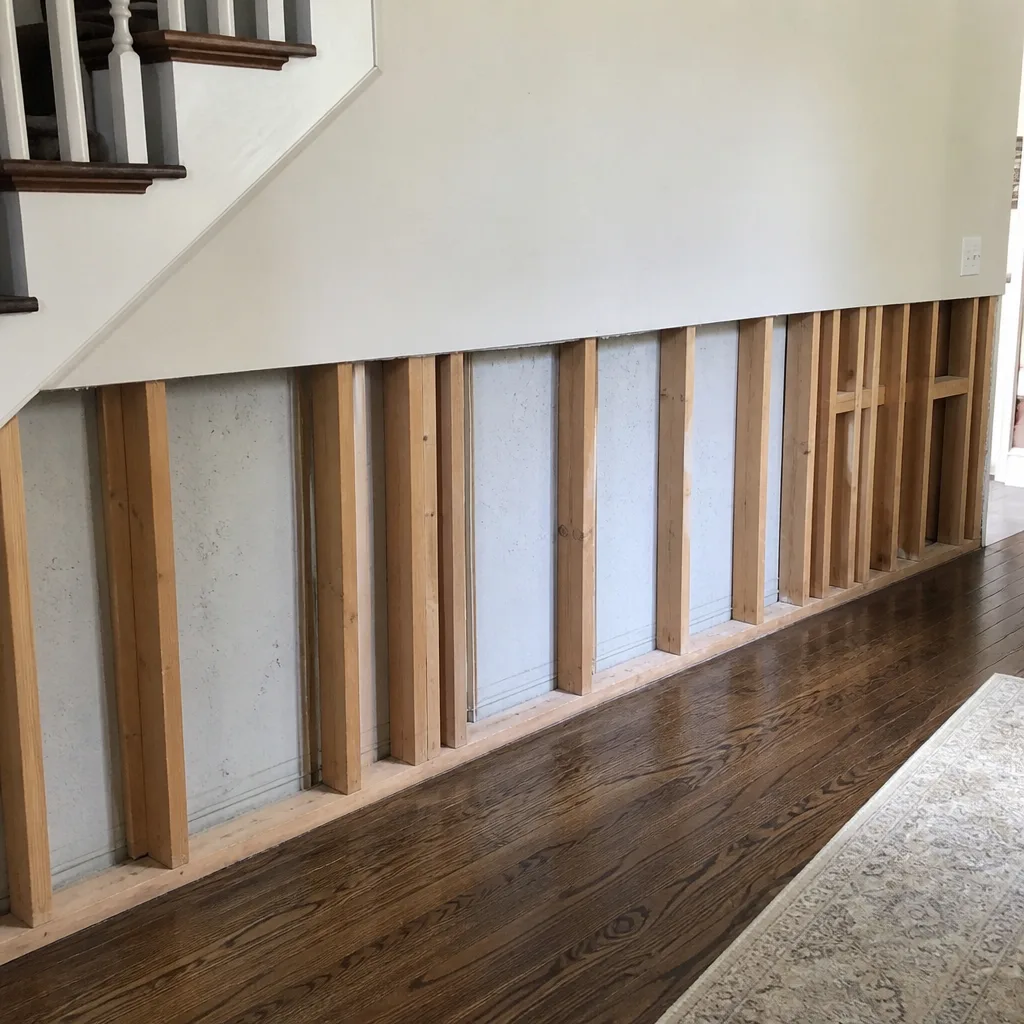
 Before
 After
After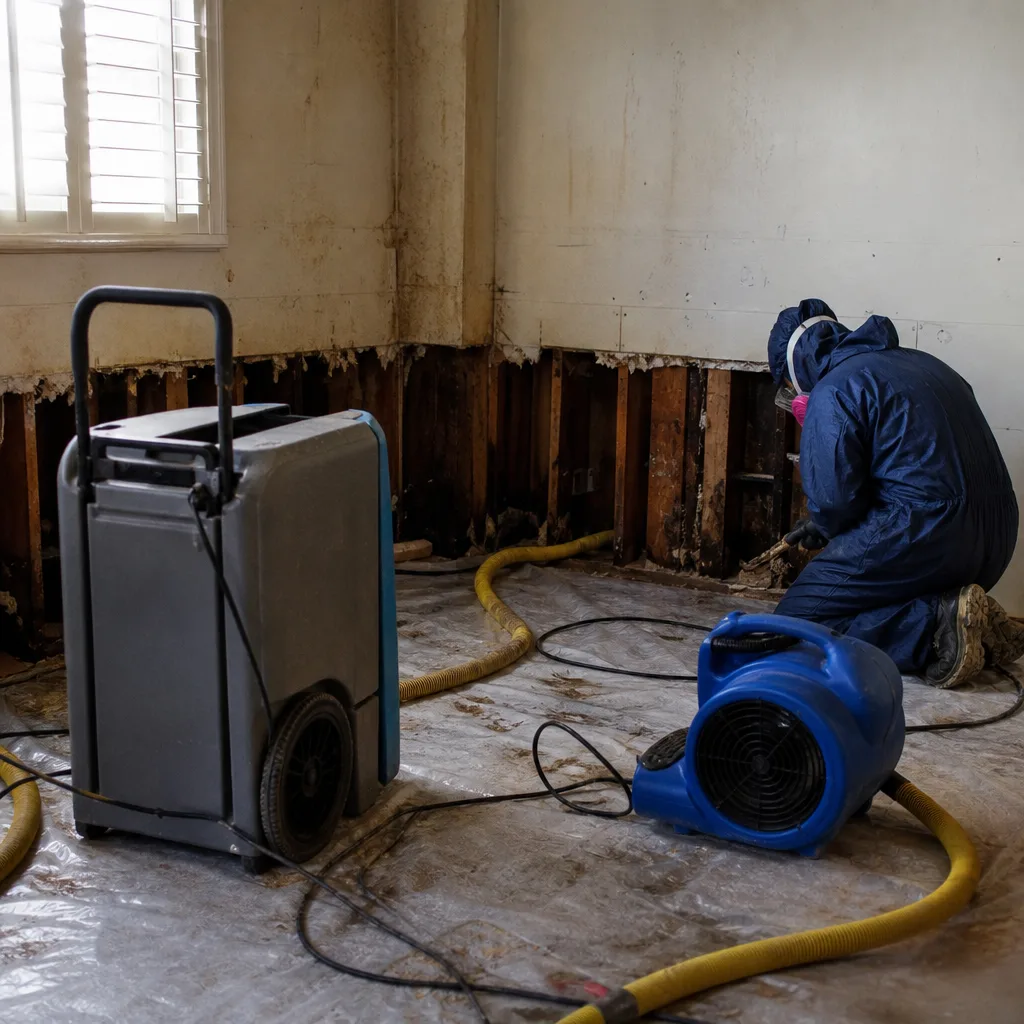 Before
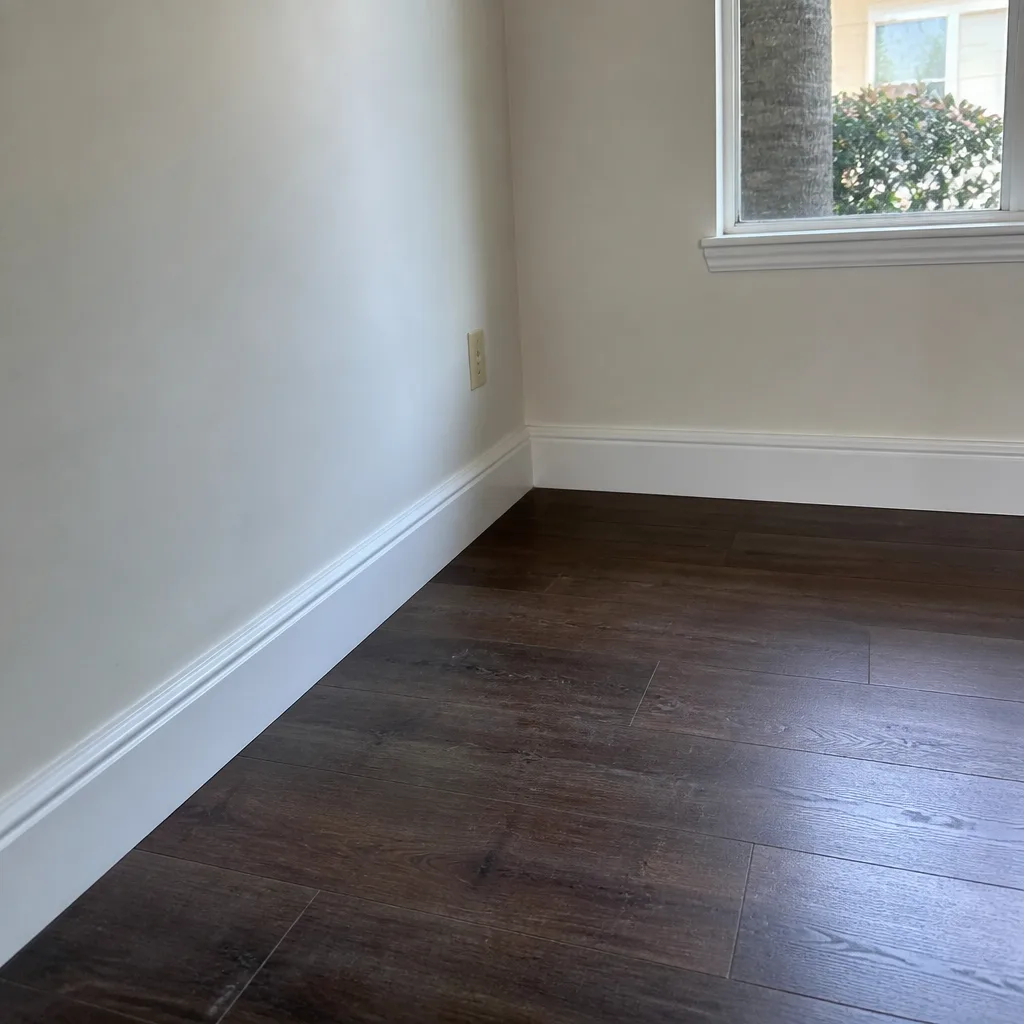 After
After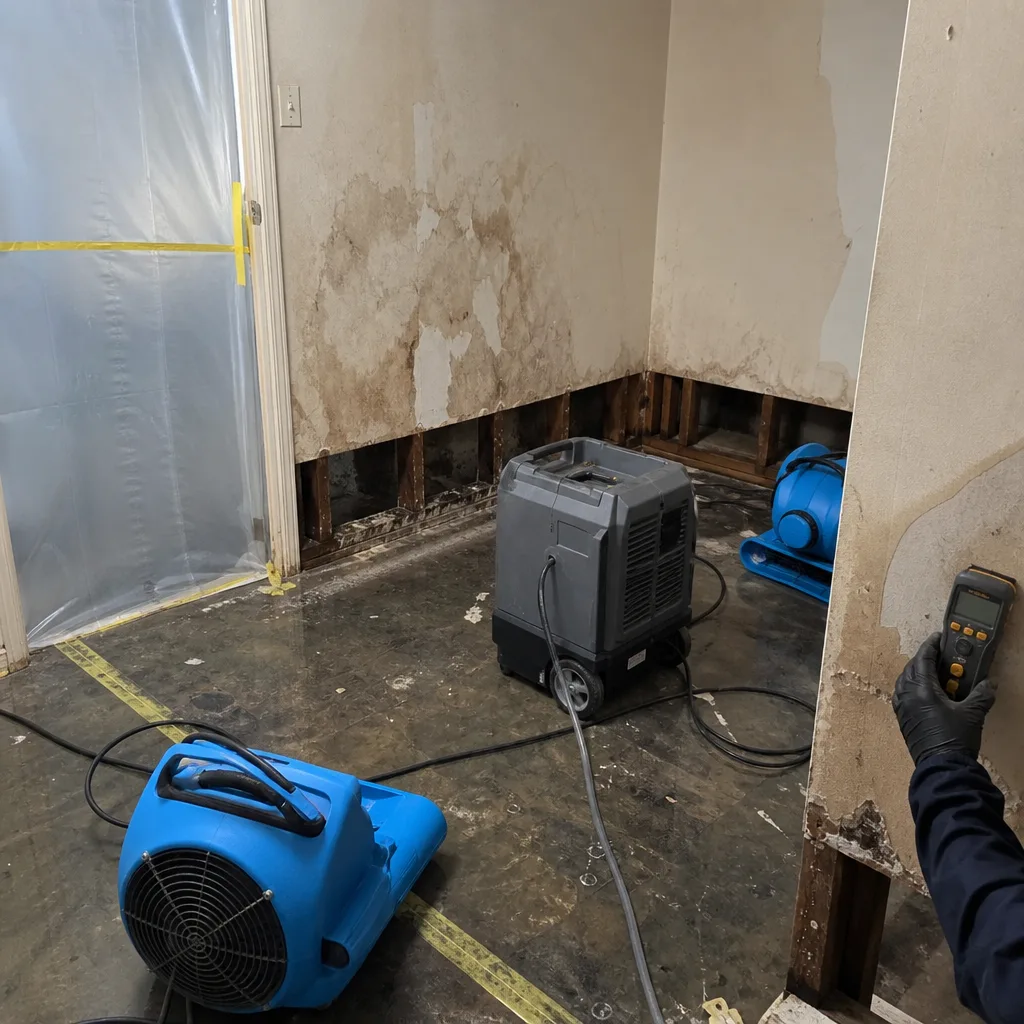 Before
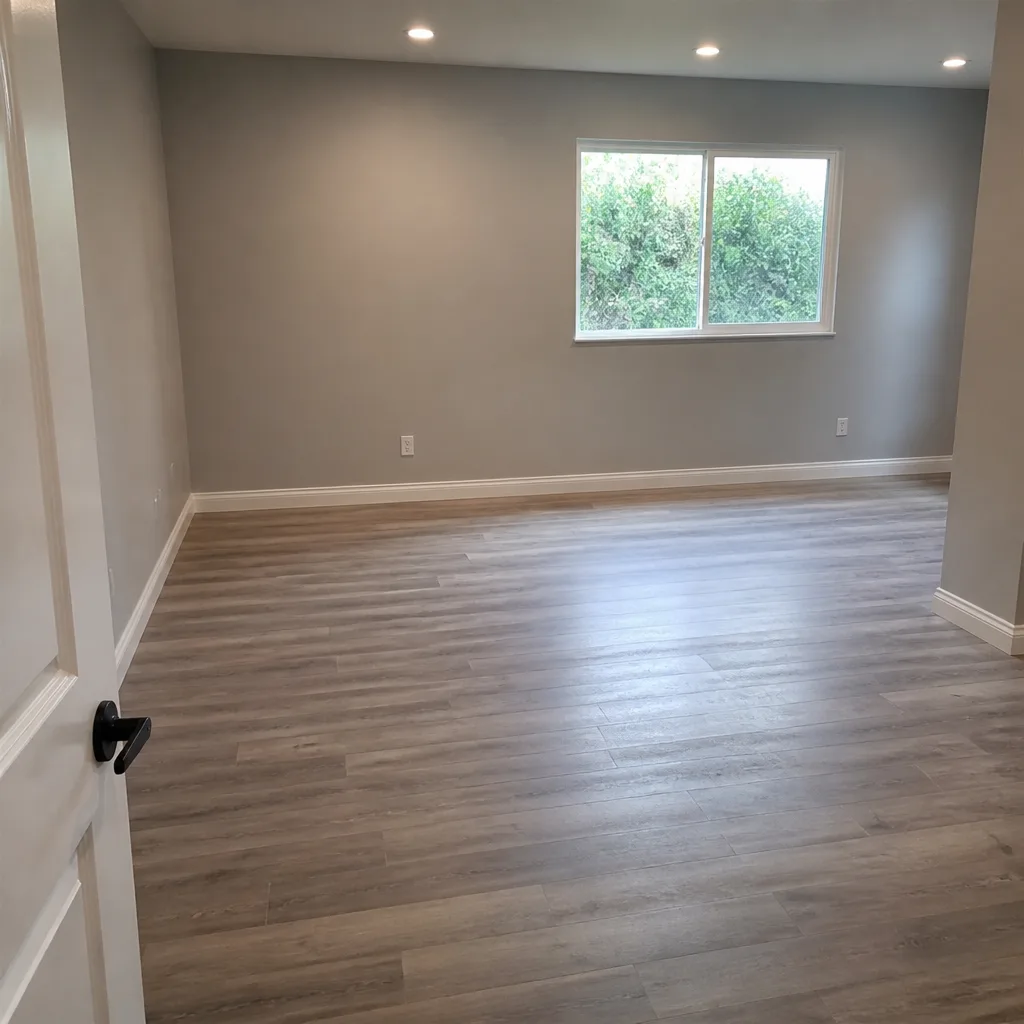 After
AfterWater Damage Restoration Maintenance Checklist for Redondo Beach Homeowners
The average homeowner discovers a slow leak 18 months after it started. In Redondo Beach’s coastal air, 18 months of hidden moisture at 70%+ relative humidity is enough to grow Category 3 contamination behind a wall that looks perfectly dry from the outside. We’ve restored 12,000+ homes since 2011, and the pattern is consistent: the homeowners who recover fully are the ones who treated maintenance as evidence collection, not chore completion. This guide gives you measurable pass/fail thresholds, specific inspection intervals tied to Redondo Beach’s coastal climate, and documentation habits that turn routine checks into a pre-loss evidence file your adjuster will accept.
Quick Answer
A Water Damage Restoration maintenance checklist for Redondo Beach homeowners should include quarterly moisture readings of wood framing (action required above 19% moisture content), annual inspection of aging galvanized supply lines in pre-1980 homes, and a dated photo record of baseline conditions. In Redondo Beach’s marine climate, relative humidity above 60% indoors signals ventilation failure, and clay tile roof mortar joints should be checked after every heavy rain season. Document everything: insurers deny gradual damage claims unless you can prove the loss was sudden and accidental.
Table of Contents
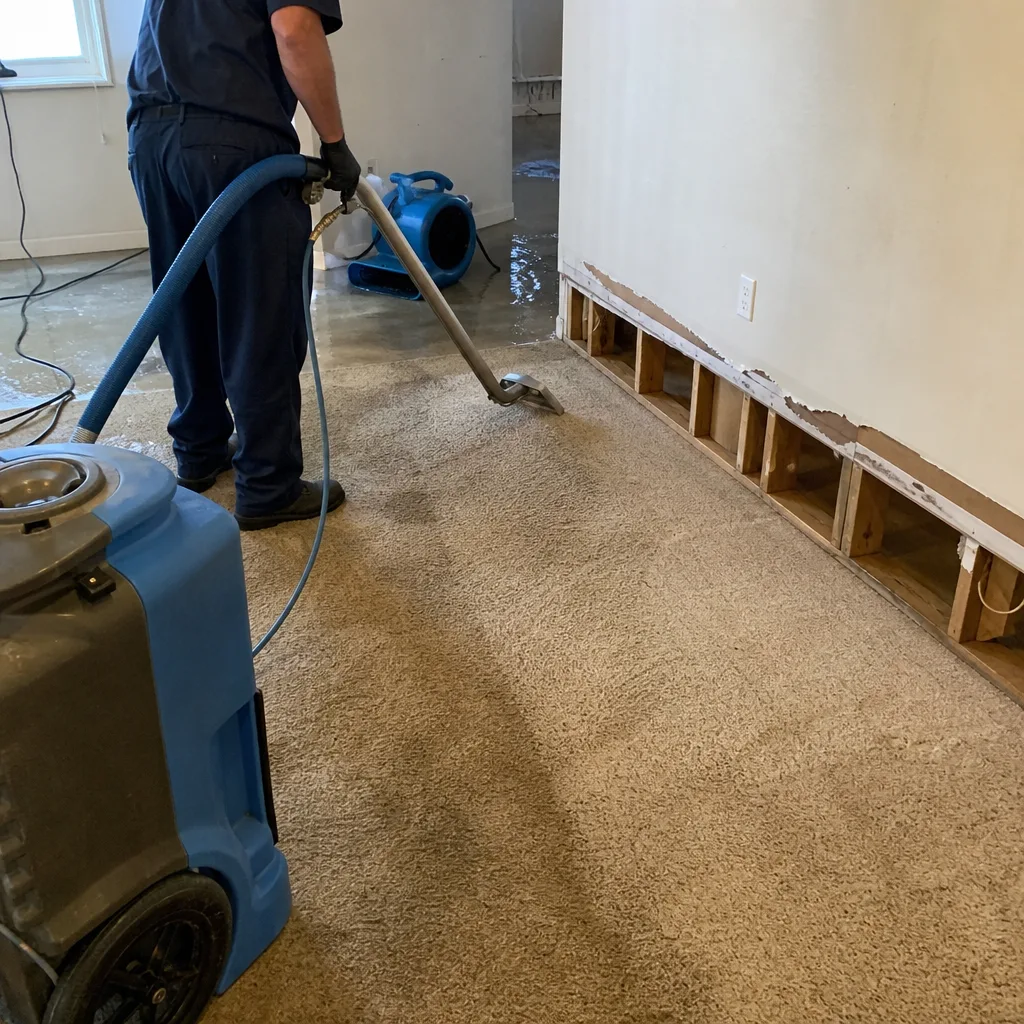
- Why Measurable Thresholds Matter More Than Task Lists
- Room-by-Room Checklist with Moisture Reading Thresholds
- Redondo Beach-Specific Failure Points: What Fails and When
- Building Your Pre-Loss Photo Record
- Inspection Intervals by Risk Category
- What Your Maintenance Log Needs for Insurance Acceptance
- Tools and Equipment for Homeowner Monitoring
- Common Mistakes to Avoid
- When to Call a Professional
- Frequently Asked Questions
- The Bottom Line
 Before
 After
AfterWhy Measurable Thresholds Matter More Than Task Lists
Most water damage checklists fail because they tell you to “check for dampness” without defining what dampness means. We’ve seen the result in hundreds of Redondo Beach homes: a homeowner who faithfully inspected their crawl space every month, never detected a problem, and still faced a $40,000 mold remediation because they were feeling for moisture instead of measuring it.
The difference between a task list and a maintenance protocol is the presence of pass/fail criteria. Here’s what measurable thresholds look like in practice:
- Wood framing moisture content: 19% MC is the action threshold. Below 15% is normal equilibrium for coastal Southern California. Between 15-19%, increase ventilation and recheck in 72 hours. Above 19%, identify and eliminate the moisture source before mold colonization begins.
- Relative humidity indoors: 30-50% is the target range. Above 60% sustained for more than 48 hours indicates a ventilation or dehumidification failure that will support microbial growth.
- Vapor pressure differential: The difference in moisture content between the inside and outside of a wall assembly. When exterior vapor pressure exceeds interior by more than 0.5 inches of mercury, moisture is moving into the wall cavity even if no liquid water is present.
- Dry standard achievement: After any water event, materials must return to within 4 percentage points of their documented baseline moisture content. We document this with daily moisture logs using Dri-Eaz and Phoenix equipment, recorded to IICRC S500 standards.
Psychrometric data - the measurement of temperature, humidity, and air movement relationships - sounds technical, but it’s simply the math that tells you whether your house is drying or getting wetter. A $30 thermo-hygrometer from any hardware store gives you enough data to act. Professional restoration companies like ours use the same principles with more precise instrumentation.
The Haven Standard, Clause 1, requires a written price before work begins on every job. But that price depends on documentation of what was wet, how wet it was, and for how long. Homeowners who maintain their own measurement records often receive more favorable claim determinations because they’ve reduced the uncertainty that insurers price into their settlements.
Room-by-Room Checklist with Moisture Reading Thresholds
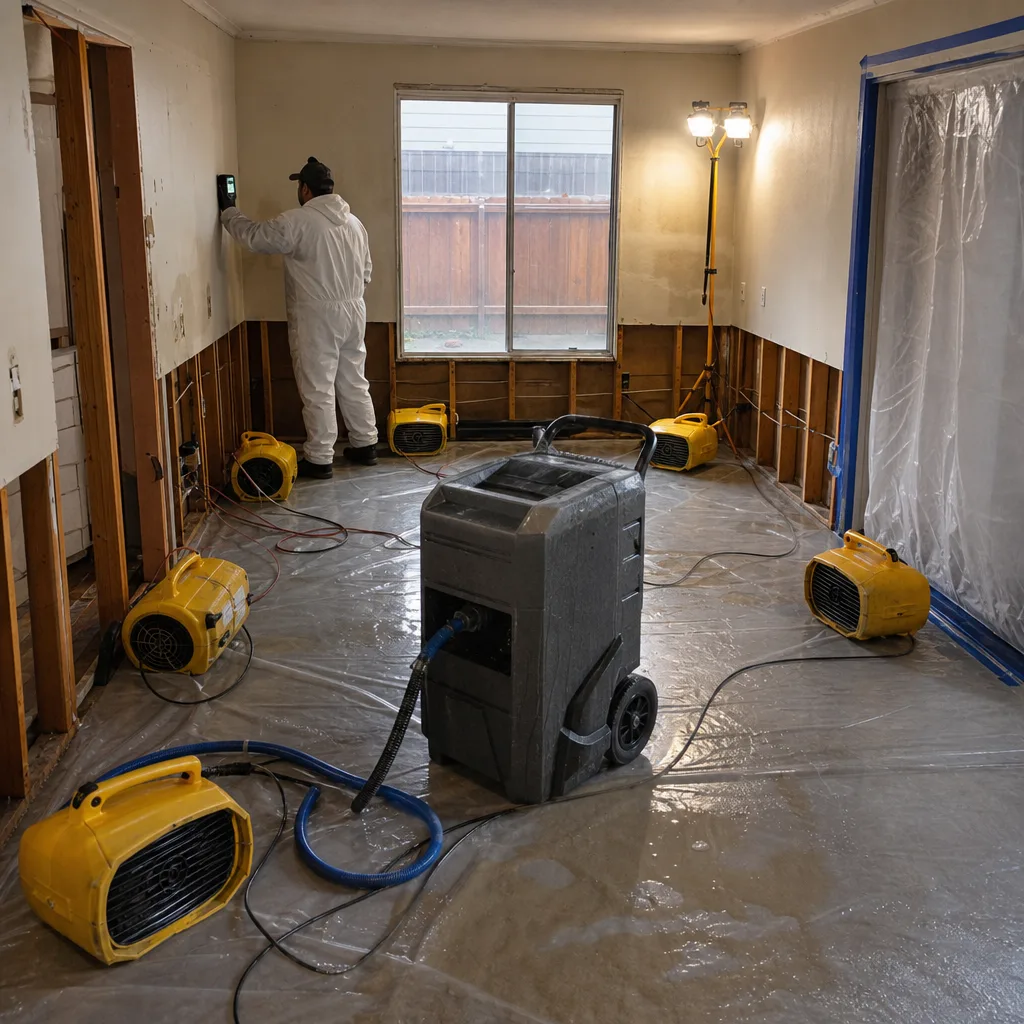
Kitchen
- Check under-sink cabinet floor with pinless moisture meter monthly. Action threshold: 16% MC on plywood or particle board substrate. At 16%, remove stored items, photograph the area, and identify the source before the next check.
- Inspect dishwasher supply line and drain hose connections quarterly. Look for calcium deposits (white crusting) on copper lines, which indicate slow seepage. Replace braided stainless steel lines every 5 years regardless of appearance.
- Test refrigerator ice maker saddle valve annually. These valves fail progressively; a moisture reading above 12% in the adjacent wall cavity means the valve is weeping.
- Document cabinet undersides with dated photos annually. Baseline photos prove whether staining is new or pre-existing.
Bathrooms
- Check toilet flange area with moisture meter every 6 months. The wax ring is a common failure point in Redondo Beach homes with slab foundations; moisture above 20% in the surrounding subfloor indicates seal failure.
- Inspect shower/tub surround grout and caulk quarterly. Any gap wider than 1/16 inch that penetrates to the substrate is a failure requiring immediate repair.
- Measure exhaust fan airflow with a tissue test monthly. The tissue should cling to the grille when the fan operates. If it falls, the fan is moving less than 50 CFM and humidity will accumulate.
- Check vanity cabinet floor monthly. Same 16% threshold as kitchen; bathroom failures accelerate faster due to higher ambient humidity.
Laundry Room
- Inspect washing machine supply hoses monthly. Replace rubber hoses immediately with braided stainless steel; rubber failure is the #1 cause of residential water loss we see in Redondo Beach.
- Check drain pan (if present) for standing water. Any water in the pan indicates a drainage restriction.
- Measure ambient humidity weekly during drying cycles. If humidity spikes above 55% and persists more than 2 hours post-cycle, the space is underserviced by ventilation.
Attic
- Inspect attic sheathing moisture content seasonally: April and October in Redondo Beach. Above 19% MC on roof sheathing indicates inadequate ventilation or active leakage.
- Check for daylight through roof penetrations. Any visible light around chimneys, vents, or skylights is a water pathway.
- Verify soffit vents are unobstructed. Blockage is common after painting or re-roofing.
- Measure insulation depth and condition. Compressed or stained insulation has been wet; photograph and replace.
Garage and Garage-to-Living-Space Transitions
- Check garage slab for efflorescence (white mineral deposits) quarterly. This indicates moisture vapor transmission through the slab.
- Inspect the door threshold and weatherstripping between garage and living space monthly. This is a critical fire and vapor barrier; gaps allow garage humidity and contaminants into conditioned space.
- Measure moisture in shared wall bottom plates every 6 months. Garage humidity often exceeds 70% in Redondo Beach’s marine air; shared walls are frequent hidden failure points.
Crawl Space or Slab Perimeter
- Measure ambient relative humidity monthly. Above 70% sustained requires active dehumidification or ventilation improvement.
- Inspect vapor barrier integrity. Tears, displacement, or ponding above the barrier all constitute failure.
- Check for plumbing condensation on copper lines in humid months. Sweating pipes in June through October indicate dew point conditions that will eventually cause mold.
Redondo Beach-Specific Failure Points: What Fails and When
The Complete Guide to Damage Restoration in Redondo Beach explains how the coastal location creates specific vulnerabilities that inland maintenance checklists miss. The marine layer, salt air, and particular housing stock combine to produce predictable failure patterns we’ve documented across thousands of local jobs.
Aging galvanized supply lines in pre-1980 homes: Redondo Beach’s building boom in the 1950s and 1960s left a substantial inventory of homes with galvanized steel water supply lines. These lines corrode from the inside, reducing diameter and eventually failing at joints or thin spots. The failure mode is typically a split under pressure, not a slow leak, meaning the first sign of trouble is often a flooded wall cavity. If your home was built before 1980 and hasn’t had supply line replacement, annual inspection with a borescope camera is warranted. We’ve replaced entire systems in Riviera Village and South Redondo homes where the internal pipe diameter had reduced to less than 3/8 inch from the original 1/2 inch.
Clay tile roof mortar joint degradation: The clay tile roofs common in Redondo Beach’s hillside neighborhoods rely on mortar bedding at ridges, hips, and flashings. Salt air accelerates mortar deterioration; heavy rain years (like 2022-2023) expose the accumulated damage. After any season with more than 15 inches of rain, inspect visible mortar for cracking, powdering, or displacement. A single failed mortar bed can admit gallons of water that travel along the underlayment before entering the structure at a point distant from the visible defect.
Slab foundation moisture wicking: Redondo Beach’s soil composition varies significantly block by block, but areas near the original wetlands (portions of North Redondo) have higher groundwater tables. Slab-on-grade construction in these areas experiences vapor transmission that raises subfloor moisture even without plumbing leaks. We’ve measured 22% MC in hardwood flooring installed directly on slab in these neighborhoods, with no plumbing failure present. The solution is proper vapor barrier installation during flooring replacement, not repeated leak searches.
Exterior stucco crack admission: The thermal cycling in Redondo Beach’s sun-exposed west-facing elevations produces stucco cracking that admits water during wind-driven rain events. Cracks wider than 1/16 inch that penetrate the brown coat are water pathways. The El Niño pattern of 2023-2024 produced multiple losses in homes where stucco had been cosmetically patched without structural repair.
HVAC condensate drainage in coastal humidity: Air conditioning systems in Redondo Beach run heavily in summer months, producing substantial condensate. The secondary drain pan and float switch are required by California code but are often installed improperly or become clogged with biofilm in the humid condensate environment. Annual cleaning of the condensate line with nitrogen or proper wet/dry vacuum technique prevents the overflow that damages ceilings below air handlers.
Building Your Pre-Loss Photo Record
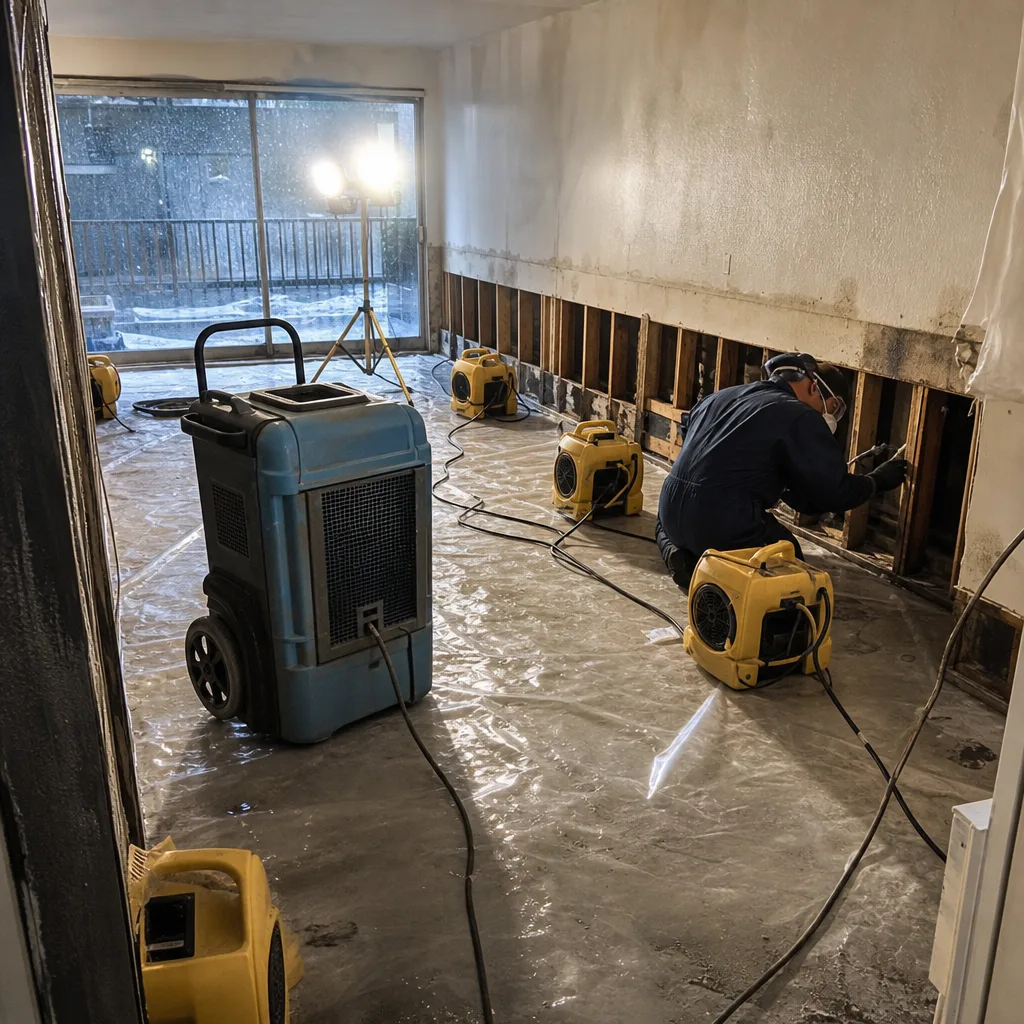
A pre-loss photo record is the single most valuable documentation a homeowner can maintain, yet fewer than 5% of the Redondo Beach homeowners we serve have one when loss occurs. The purpose is simple: to establish baseline conditions that prove what damage is new versus pre-existing. Insurers routinely deny portions of claims by attributing damage to “long-term” or “pre-existing” conditions. A dated photo record defeats this denial strategy.
Here’s how to build one that meets evidentiary standards:
- Photograph every water-adjacent area annually. This includes under all sinks, behind toilets, inside access panels for tubs and showers, water heater installations, laundry connections, and HVAC air handler locations. Use your phone’s timestamp feature; do not disable it.
- Include a measurement reference in each photo. A tape measure, a coin, or even your hand provides scale. Photos without scale are less useful in dispute resolution.
- Store in cloud-based format with automatic backup. Local storage on a phone or computer that could be damaged in the same loss event defeats the purpose. Google Photos, iCloud, or similar services with date-stamped metadata preservation are adequate.
- Photograph serial numbers and installation dates of appliances. Water heaters, dishwashers, washing machines, and HVAC equipment all have predictable failure curves. A photo of the data plate establishes age for adjuster evaluation.
- Document any repairs or improvements. If you replace supply lines, install a water alarm, or repair a roof, photograph the completed work with date. This demonstrates maintenance, not neglect.
- Include wide shots showing room context. Close-ups of damage are useful, but adjuster disputes often turn on whether the damage location is consistent with the claimed cause. A wide shot showing the relationship between a leak source and damaged area resolves this.
At DryMark Restoration Redondo Beach, we produce a documented photo record on every visit as a standard deliverable, never an upsell. But our documentation begins after loss occurs. Your pre-loss record is the only documentation that can establish what existed before our arrival. The two records together - your baseline and our loss documentation - create the complete evidence file that produces full claim payment.
The Free Second Opinion we offer on any competitor’s written estimate includes review of their photo documentation. We’ve seen estimates proposing $30,000 in “water damage” to areas that were clearly pre-existing based on photo evidence the competitor failed to collect or review.
Inspection Intervals by Risk Category
Not all water risks require the same attention frequency. We’ve categorized Redondo Beach home systems by failure probability and consequence severity, with recommended inspection intervals based on our 12,000+ job history.
Quarterly (Every 3 Months)
- Under-sink cabinet floors: Highest frequency of slow leaks, earliest detection reward. Use pinless moisture meter; 2-minute check per location.
- Toilet flange and base seal: Wax ring failures accelerate once started; quarterly catches before subfloor damage spreads.
- Washing machine hoses and connections: Hose burst is a sudden, high-volume loss. Quarterly inspection of connection security and hose condition.
- Garage-to-living-space door threshold: Critical barrier; also inspect weatherstripping for rodent damage which compromises seal.
- Exterior hose bibs and irrigation backflow preventers: Freeze risk is minimal in Redondo Beach, but backflow devices fail and leak progressively.
Semi-Annually (Every 6 Months)
- Attic sheathing moisture content: April and October measurements capture seasonal extremes. Use pin-type meter on exposed sheathing.
- Crawl space ambient conditions: RH measurement and visual inspection for standing water, vapor barrier displacement, or pest intrusion.
- Water heater tank and connections: Check T&P valve operation, drain pan condition, and anode rod access (replacement every 3-5 years in Redondo Beach’s moderately hard water).
- HVAC condensate system: Clean primary drain line, verify secondary pan and float switch function.
- Shared wall bottom plates (garage-adjacent): Moisture meter check at base of wall, both sides if accessible.
Annually
- Roof condition, including mortar beds on tile roofs: Professional inspection recommended; homeowner can photograph visible conditions from ladder or drone (observe Part 107 requirements if using drone).
- Galvanized supply line borescope inspection (pre-1980 homes): Requires plumber; schedule with annual water heater service.
- Whole-house water pressure test: Pressure above 80 PSI accelerates all failure modes. Install pressure reducing valve if needed.
- Exterior stucco and sealant condition: Caulk at windows, doors, and penetrations degrades in UV; annual replacement of failed beads.
- Foundation perimeter drainage: Verify grade slopes away from structure; check downspout discharge points for erosion or blockage.
Post-Event (After Heavy Rain, Earthquake, or Plumbing Work)
- Attic and ceiling inspection: Any rain event exceeding 2 inches in 24 hours warrants visual check for new staining.
- Pressure test after any plumbing modification: Even professional work can disturb adjacent joints.
- Moisture mapping after any water alarm activation: Alarms detect; they don’t diagnose. Follow up with meter verification of affected materials.
What Your Maintenance Log Needs for Insurance Acceptance
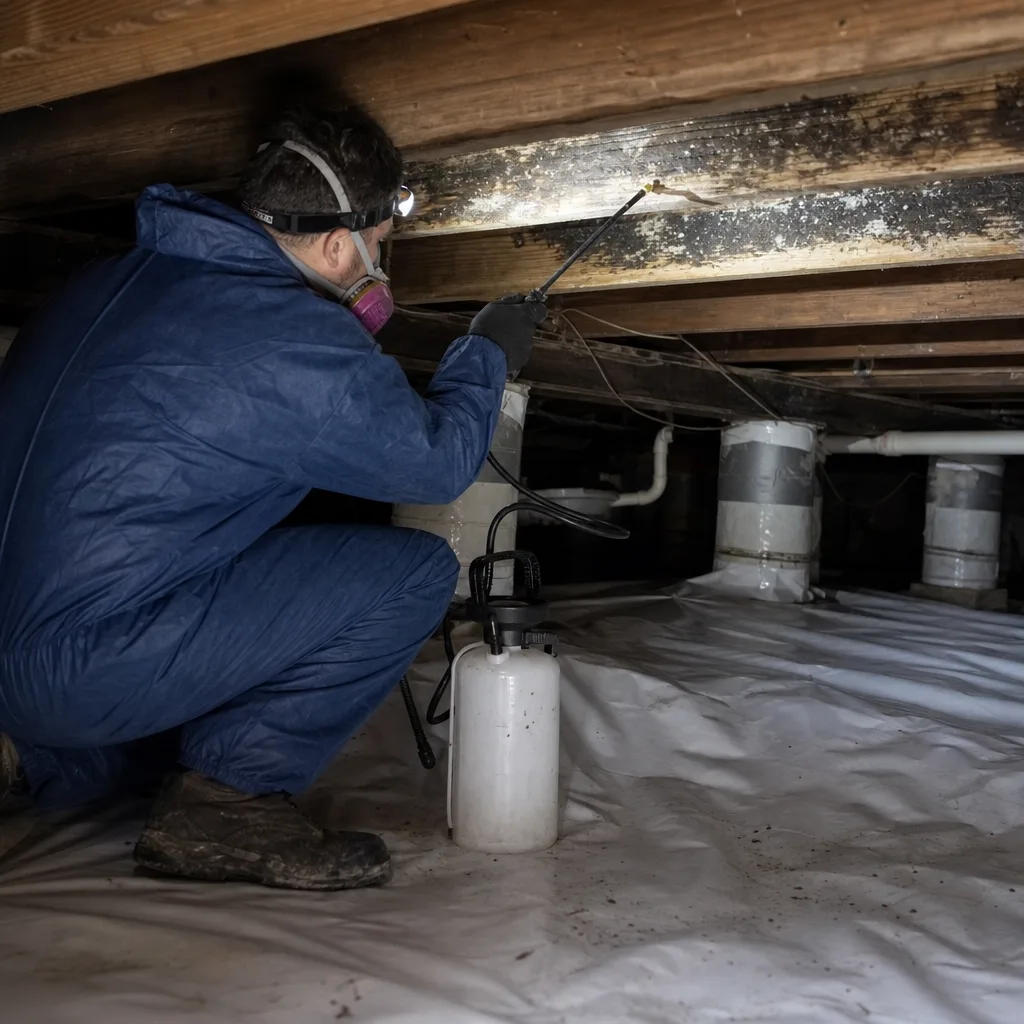
The maintenance log is where most homeowners fail in claim disputes. They’ve done the work, but they haven’t recorded it in a format an insurer will accept as evidence that damage was sudden and accidental, not gradual neglect. California insurance law distinguishes between these coverages; the burden of proof is on the homeowner.
We’ve reviewed thousands of claim files. Here’s what separates accepted logs from rejected ones:
Date and time of each inspection. Not “sometime in March.” The specific date, and preferably time, of each check. This establishes frequency and diligence.
Specific location and system inspected. “Master bath sink cabinet” not “bathrooms.” Precise location allows correlation with damage pattern.
Measurement data, not subjective assessments. “Under-sink floor: 14% MC” not “looked fine.” Numbers are evidence; opinions are not.
Pass/fail determination with threshold reference. “14% MC, below 16% action threshold, PASS.” This shows you have criteria and apply them consistently.
Photo file name or reference number. Link the log entry to the visual record. “Photo RB-Kitchen-2024-0315-001 through -004.”
Action taken if threshold exceeded. If you found 17% MC and increased ventilation, then rechecked at 72 hours showing 14%, you’ve documented responsive maintenance. If you found 17% and did nothing, you’ve documented neglect.
Professional service receipts with scope description. When you hire a plumber, roofer, or HVAC technician, the invoice should describe what was checked and what was found. “Annual service” is inadequate. “Pressure tested supply lines, no leaks detected, pressure 65 PSI” is adequate.
The Haven Standard requires our technicians to produce daily drying logs with moisture readings, psychrometric data, and equipment placement documentation. We extend this standard to our written scopes, which specify exactly what was wet, how we dried it, and what dry standard was achieved. Homeowners who maintain comparable records for their maintenance activities receive the same evidentiary respect from adjusters.
Alicia Brennan built Back to Dry Restoration in 2011 specifically around the documentation gap that costs homeowners their claims. The maintenance log is the homeowner’s parallel to our drying log: a contemporaneous record created when the facts were knowable, not reconstructed after dispute arises.
Tools and Equipment for Homeowner Monitoring
You don’t need professional restoration equipment to maintain effective monitoring. Here’s what we recommend for Redondo Beach homeowners, with specific models and applications:
- Pinless moisture meter: General Tools MMD4E or equivalent. Measures to 3/4 inch depth in wood and drywall. Essential for under-sink cabinets, wall surfaces, and flooring. Cost: $35-50.
- Pin-type moisture meter: Protimeter Mini or equivalent. Required for accurate sheathing readings in attics and for verifying dry standard in structural lumber. Cost: $150-250.
- Thermo-hygrometer: AcuRite 00613 or equivalent. Measures temperature and relative humidity. Place one in each major zone (living area, master bedroom, garage, attic if accessible). Cost: $15-25 each.
- Infrared thermometer: Non-contact temperature gun for identifying cold spots that indicate insulation gaps or moisture evaporation. Cost: $20-30.
- Water alarm sensors: Govee or equivalent WiFi-enabled sensors for high-risk locations (water heater pan, under sinks, laundry area). Alert to phone before damage spreads. Cost: $40-60 for multi-sensor kits.
Professional restoration companies deploy Dri-Eaz, Phoenix, and XPOWER drying equipment when loss occurs. These systems produce airflow rates of 2,000-3,500 CFM and dehumidification capacity measured in gallons per day. Homeowner monitoring tools are diagnostic, not therapeutic; they tell you when to call for the professional equipment that can actually dry a structure.
Document your equipment calibration. Moisture meters drift over time; annual verification against a known standard (a piece of dry lumber stored indoors) identifies drift. Record the verification in your maintenance log.
Common Mistakes to Avoid
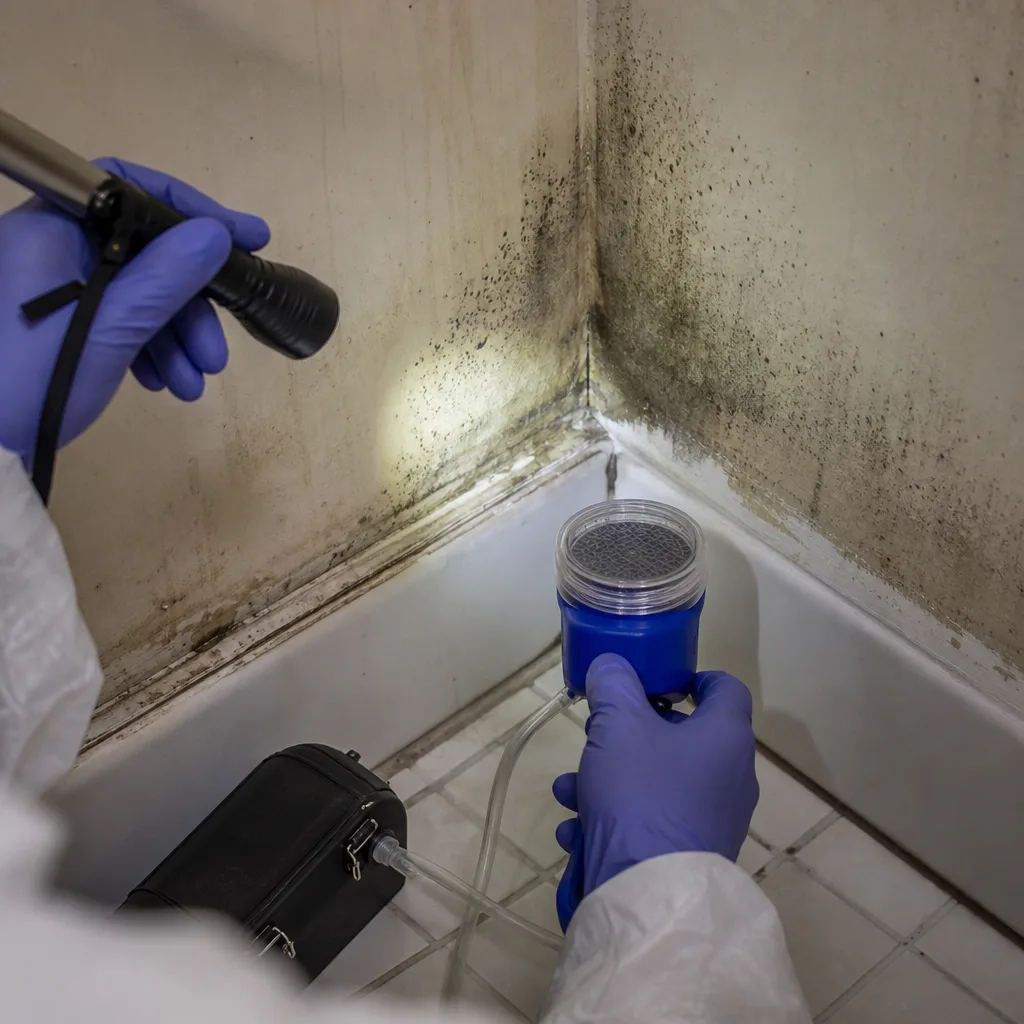
- Relying on visual inspection alone. By the time water damage is visible, the structural damage and microbial growth are already advanced. We’ve opened walls in Redondo Beach homes where the interior was 35% MC and the exterior showed only a slight paint discoloration.
- Using “smell tests” for mold detection. Musty odor indicates established colonization, not early warning. Mold can reach problematic levels without producing detectable odor, especially in ventilated areas where volatiles dissipate.
- Ignoring seasonal variation in readings. A January moisture reading of 17% MC might be normal seasonal elevation; the same reading in July indicates active moisture intrusion. Record the season with each measurement.
- Storing photos only on local devices. We’ve had homeowners lose their entire photo record in the same water event that damaged their home. Cloud backup with date-stamp preservation is essential.
- Failing to act on threshold exceedance. The log is worthless if readings above your action threshold don’t trigger actual action. Define your response protocol before you need it: who you’ll call, what you’ll do first, how you’ll document.
- Assuming new construction is exempt. Some of the most severe losses we’ve handled in Redondo Beach were homes built 2015-2020 with improper flashing, reversed vapor barriers, or unsloped shower pans. Age is not protection; inspection is.
- Neglecting the garage as living space. In Redondo Beach’s tight lots, garages often share walls with bedrooms or living areas. Garage humidity and temperature conditions affect these spaces directly, yet garages are the most commonly neglected inspection zone.
When to Call a Professional
Call for professional assessment when: moisture readings exceed your action thresholds and you cannot identify the source within 24 hours; you discover visible mold growth of any size; a water alarm activates and you find standing water; your annual roof or plumbing inspection reveals conditions requiring repair; or you need documentation for an insurance claim or pre-loss record.
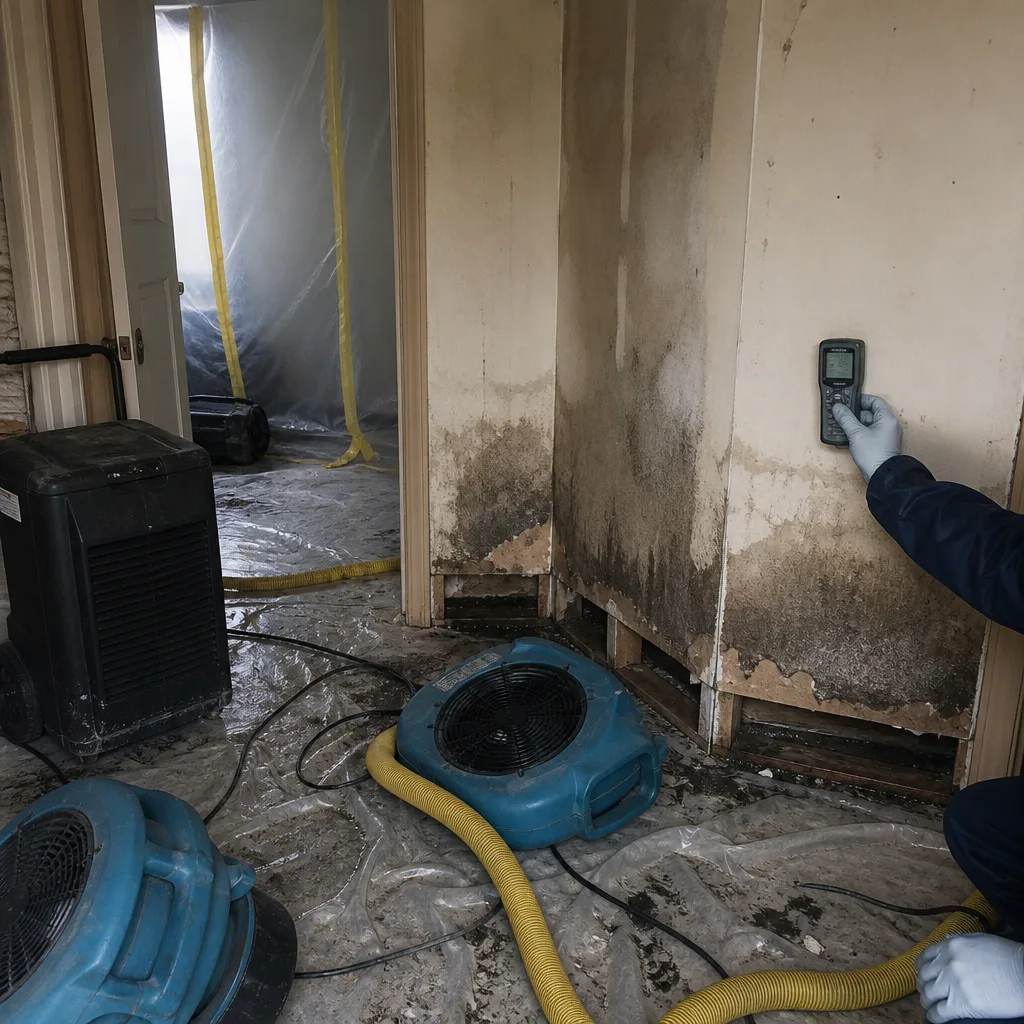
Professional restoration involves more than extraction. Proper drying requires psychrometric calculation, controlled demolition decisions, and equipment capacity that homeowner tools cannot provide. We document every job to IICRC, RIA, and IFA standards with daily moisture logs, photo records on every visit, and written scopes that specify dry standard achievement.
DryMark Restoration Redondo Beach offers free estimates in Redondo Beach. Our Water Damage Restoration in Redondo Beach service includes written pricing before work begins under Haven Standard, Clause 1, documented photo records on every visit, and the 365-Day Done Right Promise. Call (424) 375-7225 for assessment.
Frequently Asked Questions
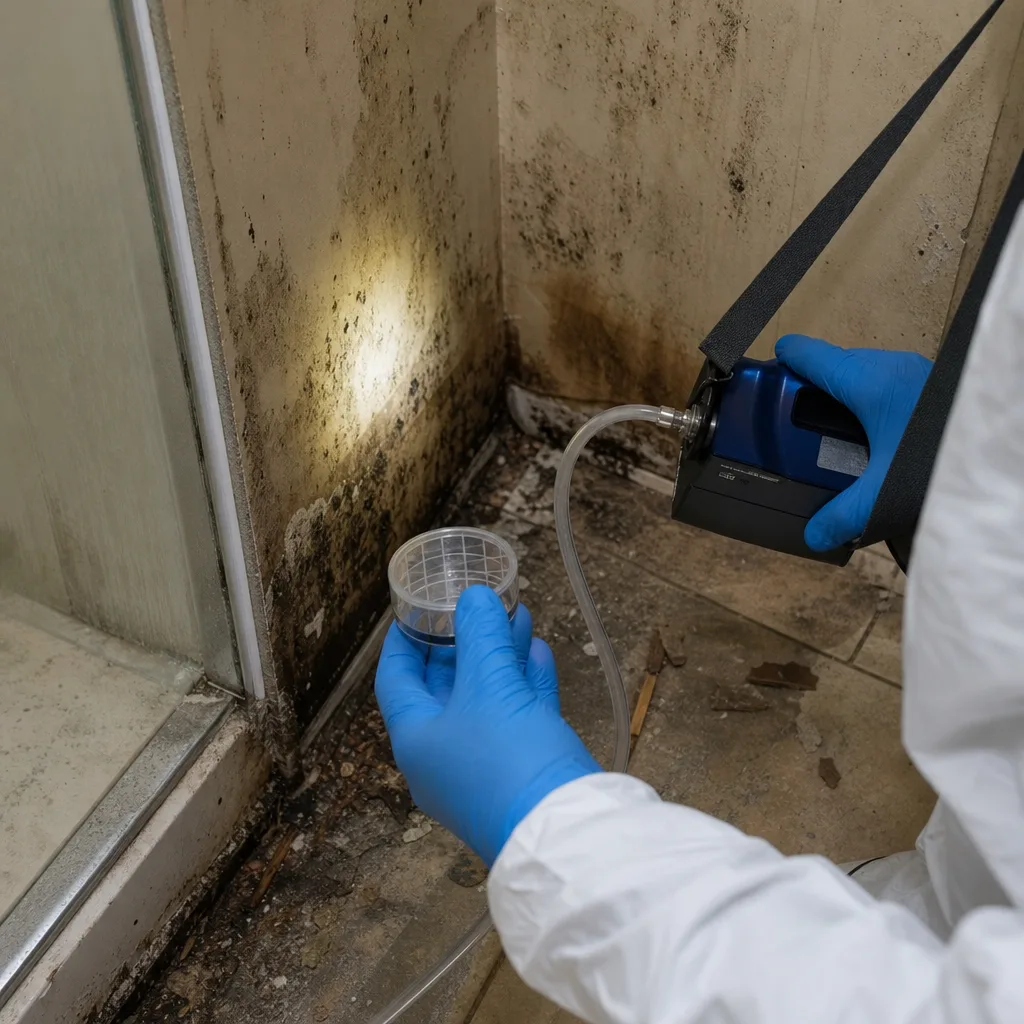
Damage Restoration Cost Breakdown: The Redondo Beach Homeowner’s Reference for 2026 shows that water damage restoration in Redondo Beach typically ranges from $1,200 for limited Category 1 clean water extraction and drying to $15,000+ for Category 3 contamination with structural drying and reconstruction. Most residential losses we handle fall in the $3,500-$8,000 range for complete drying and restoration. Category, affected square footage, and material type (hardwood vs. carpet vs. tile) drive the variation. DryMark Restoration Redondo Beach provides a written price before any work begins, every time, with no scope additions once the crew is inside - Haven Standard, Clause 1. Call (424) 375-7225 for an exact quote; estimates are free.
Standard homeowners policies in California typically exclude damage from long-term leaks or repeated seepage, covering only “sudden and accidental” discharge. However, the determination of “long-term” is often disputed. A maintenance log with quarterly moisture readings, dated photos, and prompt action on threshold exceedance demonstrates diligence that shifts the burden back to the insurer. We’ve seen claims initially denied for “gradual damage” reversed when the homeowner produced 18 months of documented maintenance. Without that record, the denial usually stands. Start your log now; you cannot reconstruct it after loss occurs.
DryMark Restoration Redondo Beach maintains live phone coverage 24 hours a day, 7 days a week with no voicemail on emergency lines. For active water losses, we typically dispatch within 60-90 minutes during business hours and within 2 hours overnight in the Redondo Beach area. Speed matters for mitigation: every hour of delay allows water migration into additional materials and increases microbial growth risk. For non-emergency assessments, we schedule within 24 hours. Call (424) 375-7225; a live person answers every call.
The answer depends on three factors: the water category (clean, gray, or black), the duration before discovery, and the materials affected. Category 1 clean water on hard surfaces dried within 24-48 hours typically requires only extraction and drying. Category 2 or 3 water, any porous material saturation beyond 48 hours, or moisture in wall cavities typically requires controlled demolition and antimicrobial treatment. We determine this with moisture mapping and category classification before proposing scope - part of the written price delivered under Haven Standard, Clause 1. Our Free Second Opinion on any competitor’s written estimate is available at no charge if you want verification.
At DryMark Restoration Redondo Beach, we coordinate directly with your adjuster as part of our standard service. This includes photo documentation formatted for claim submission, daily drying logs with moisture readings and psychrometric data, and written scope narratives that explain our drying decisions. Our documentation is designed to the standards that produce claim payment without dispute. Alicia Brennan founded the company in 2011 as a former claims adjuster who understood what documentation gaps cost homeowners. We speak the adjuster’s language because we used to be adjusters.
True dryness is measured, not assumed. Professional restoration to IICRC S500 standards requires achieving a moisture content within 4 percentage points of the documented baseline for each material type. We verify this with calibrated moisture meters, not visual inspection. Our daily drying logs record readings from Dri-Eaz and Phoenix equipment output, ambient conditions, and material moisture content at multiple points. The final documentation includes a “dry standard achievement” statement with supporting measurements. The 365-Day Done Right Promise under The Haven Standard means if moisture returns or related issues develop within a year, we make it right at no additional charge.
The Bottom Line
A water damage maintenance checklist without measurable thresholds is just a list of tasks. In Redondo Beach’s coastal climate, where marine layer humidity and salt air accelerate failure modes, precision matters. Set your action thresholds: 19% MC for wood framing, 60% RH sustained indoors, 16% MC for cabinet substrates. Inspect quarterly where failure is likely, annually where consequence is high. Build a pre-loss photo record with date stamps and measurement references. Maintain a log that an insurer will accept as evidence of diligent maintenance, not gradual neglect. And when loss exceeds your capacity or documentation, call a professional who produces the same quality of record we demand of ourselves: written price first, photo documentation always, dry standard verified and guaranteed. For more guides & resources, visit our blog.
Written by Alicia Brennan, Owner at DryMark Restoration Redondo Beach, serving Redondo Beach since 2011.