
Last updated September 23, 2026
Free visual inspection and a written scope of work before any mitigation begins - photos, moisture readings, and drying logs go in your claim file
The scope we write is the scope we bill. Anything new gets shown to you, in writing, before we touch it.
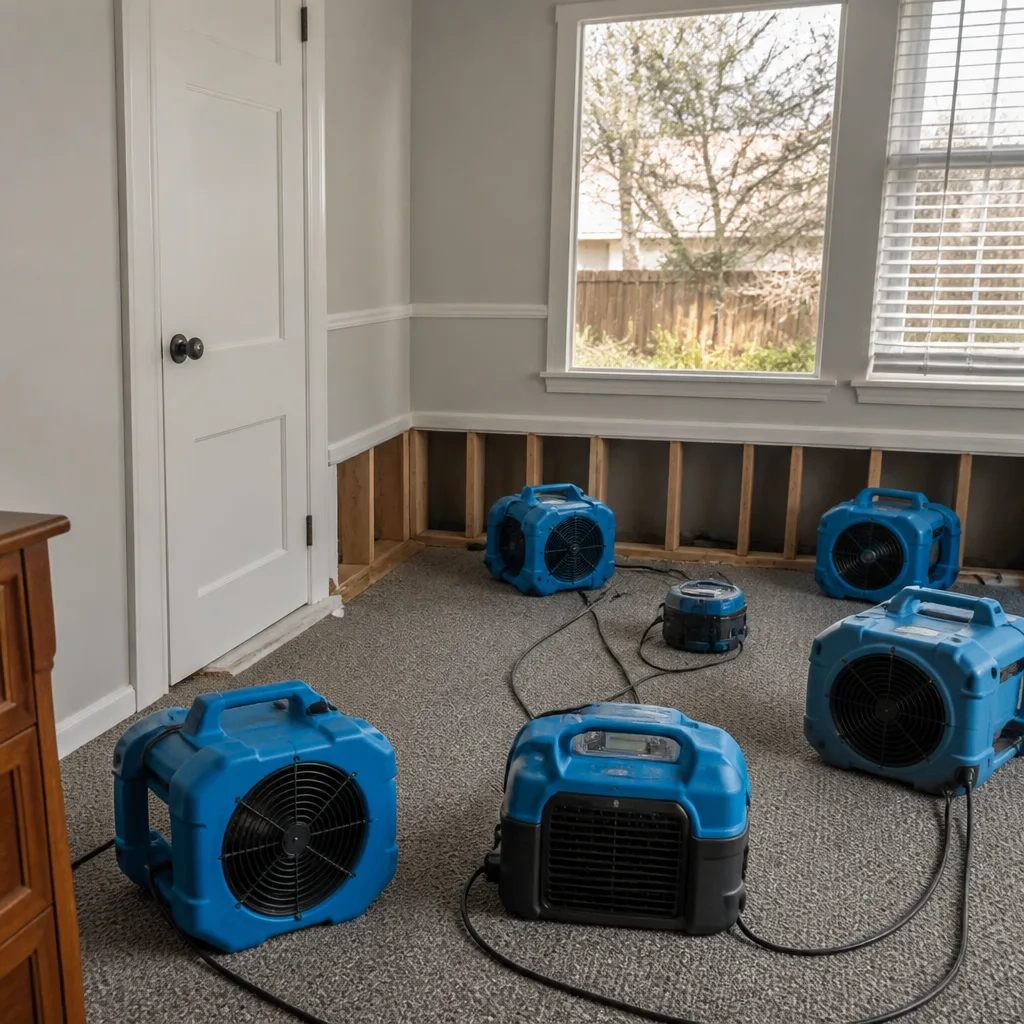
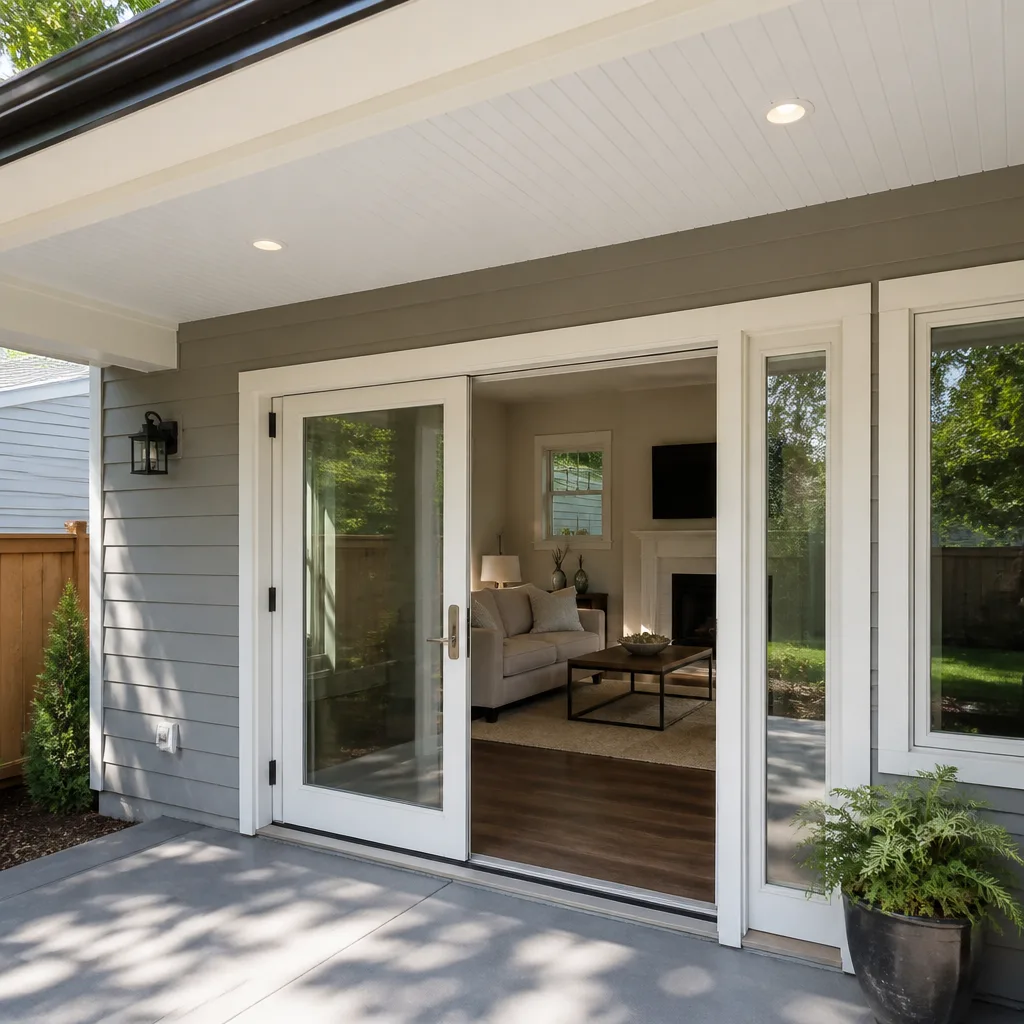
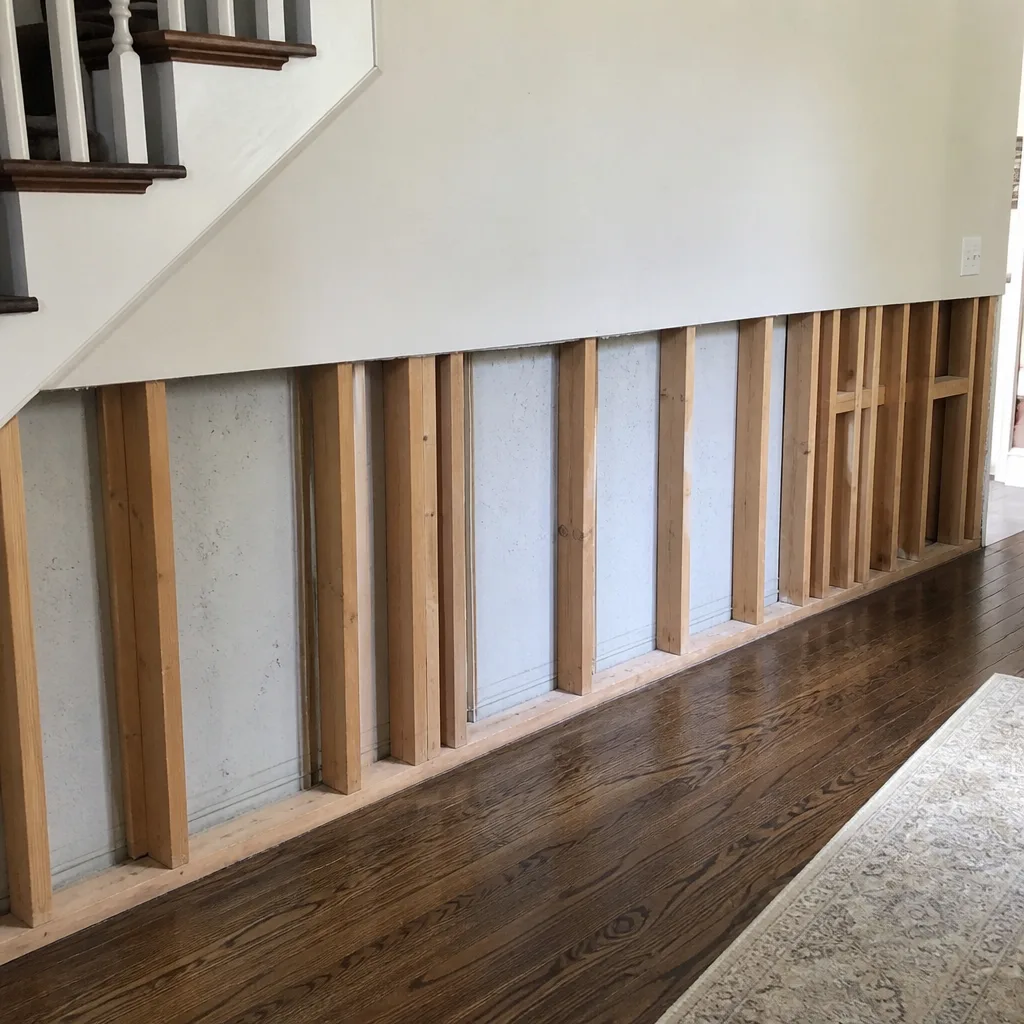
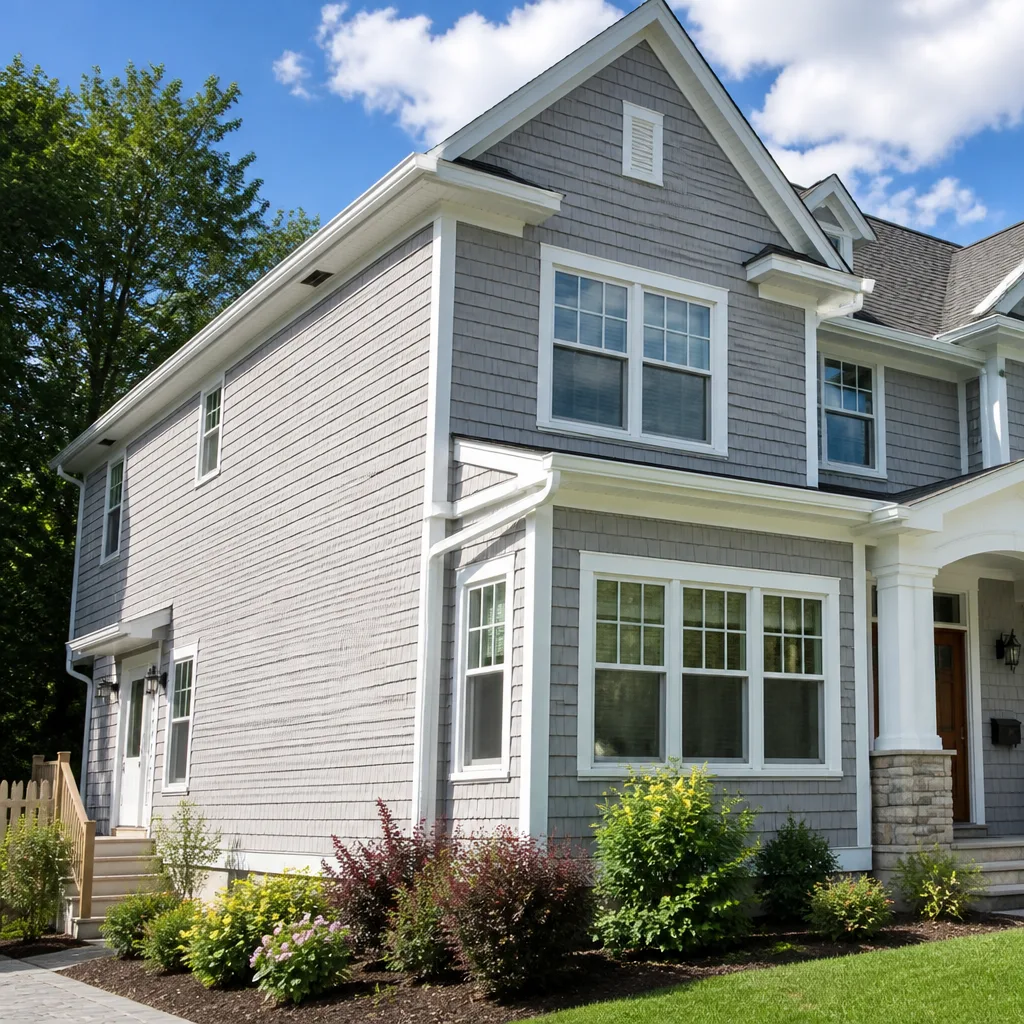
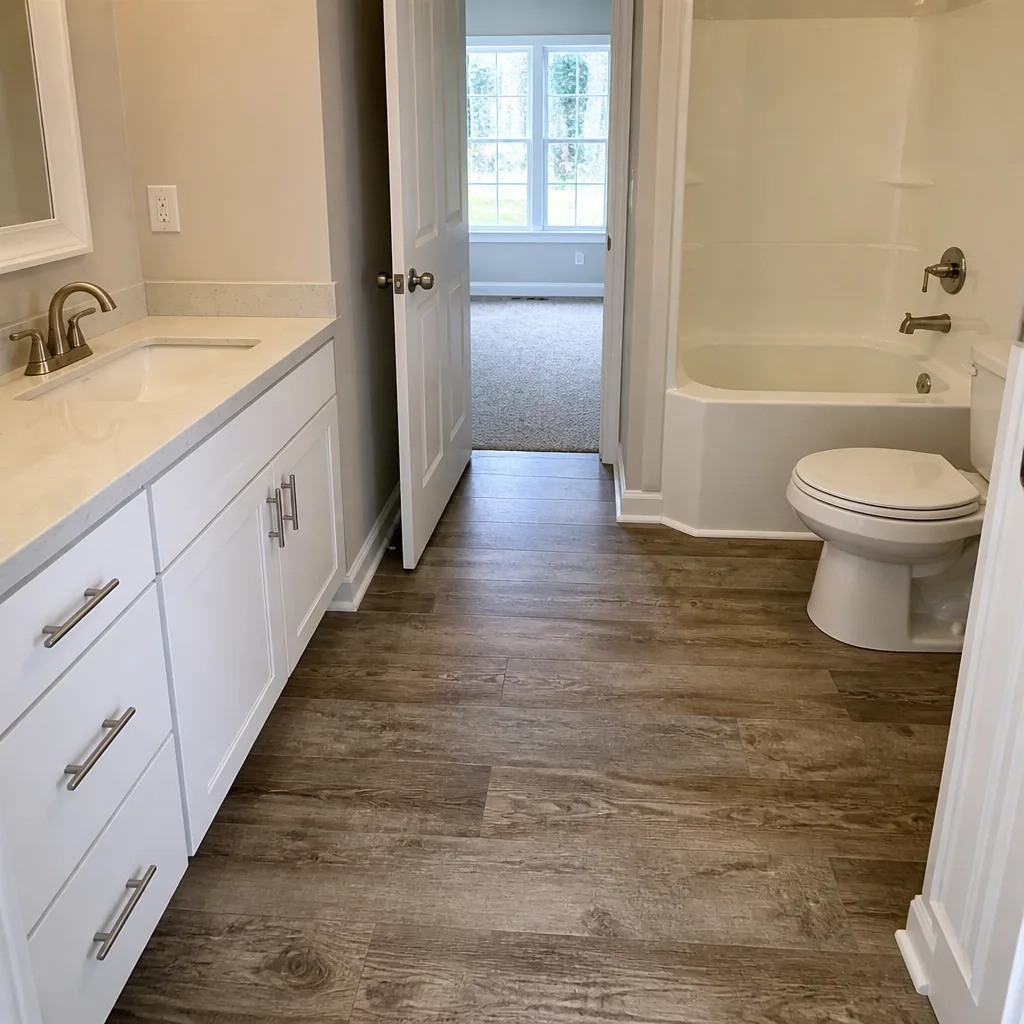
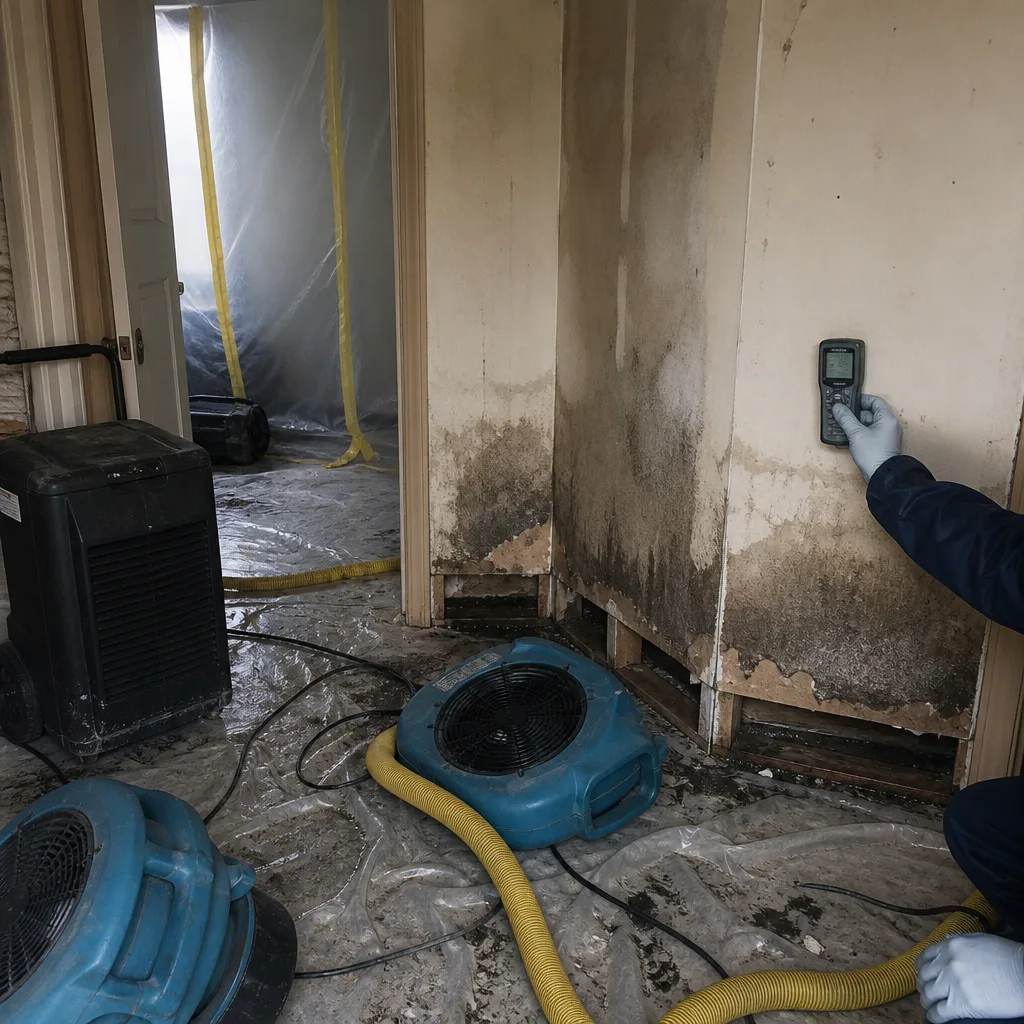 Before
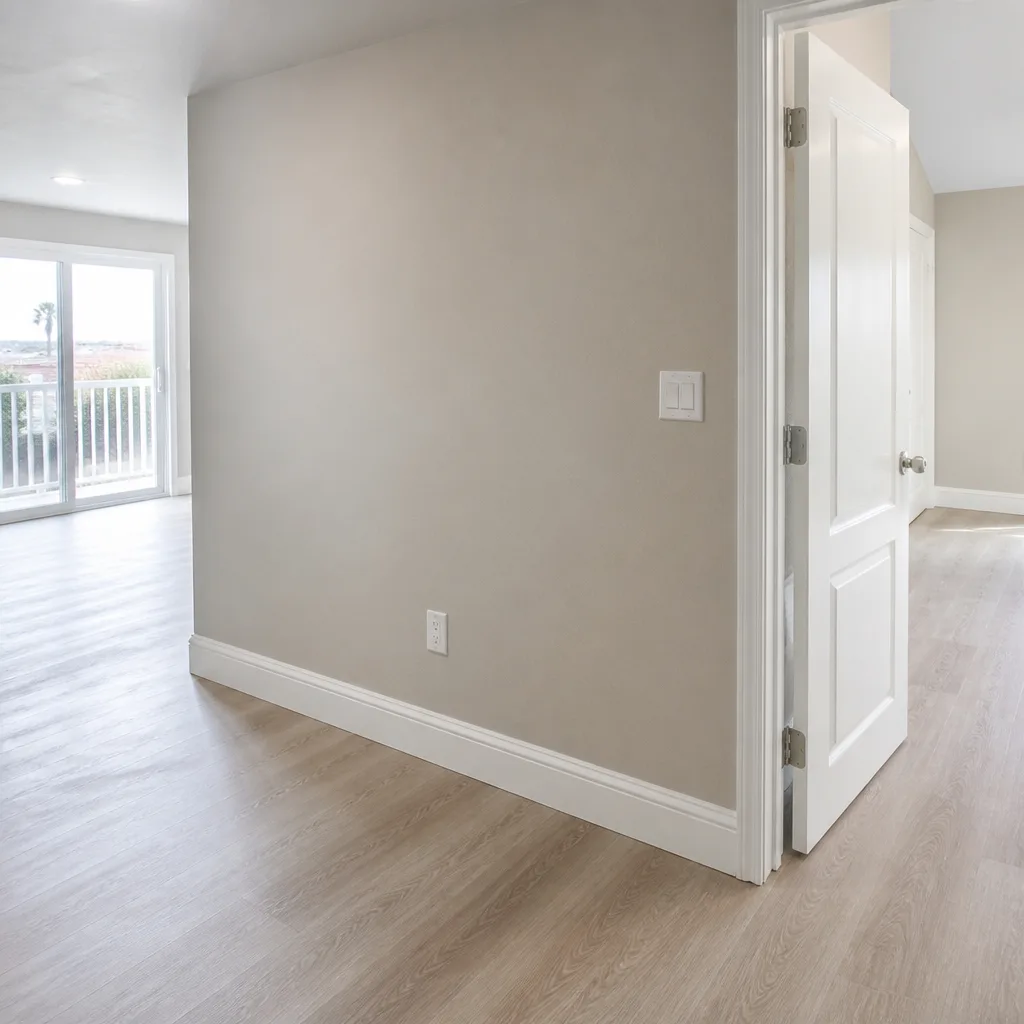 After
After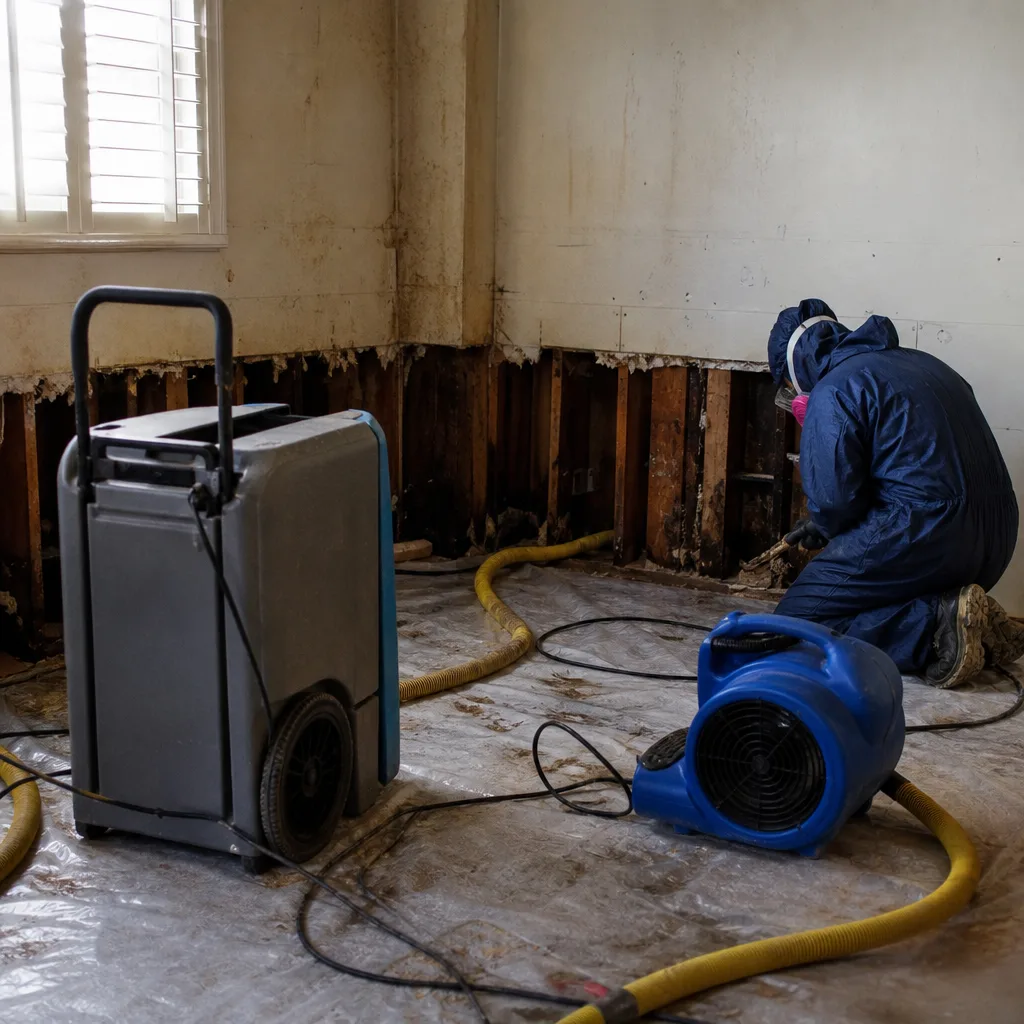 Before
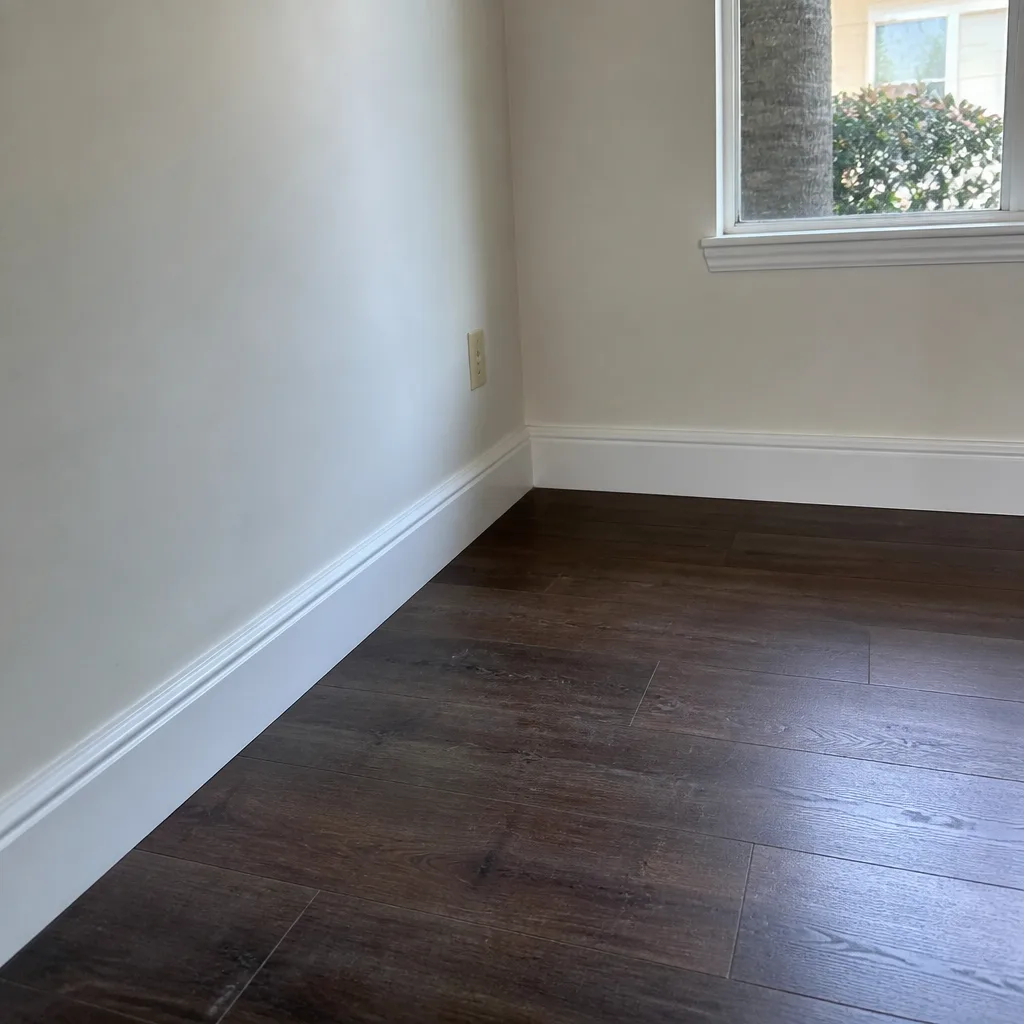 After
After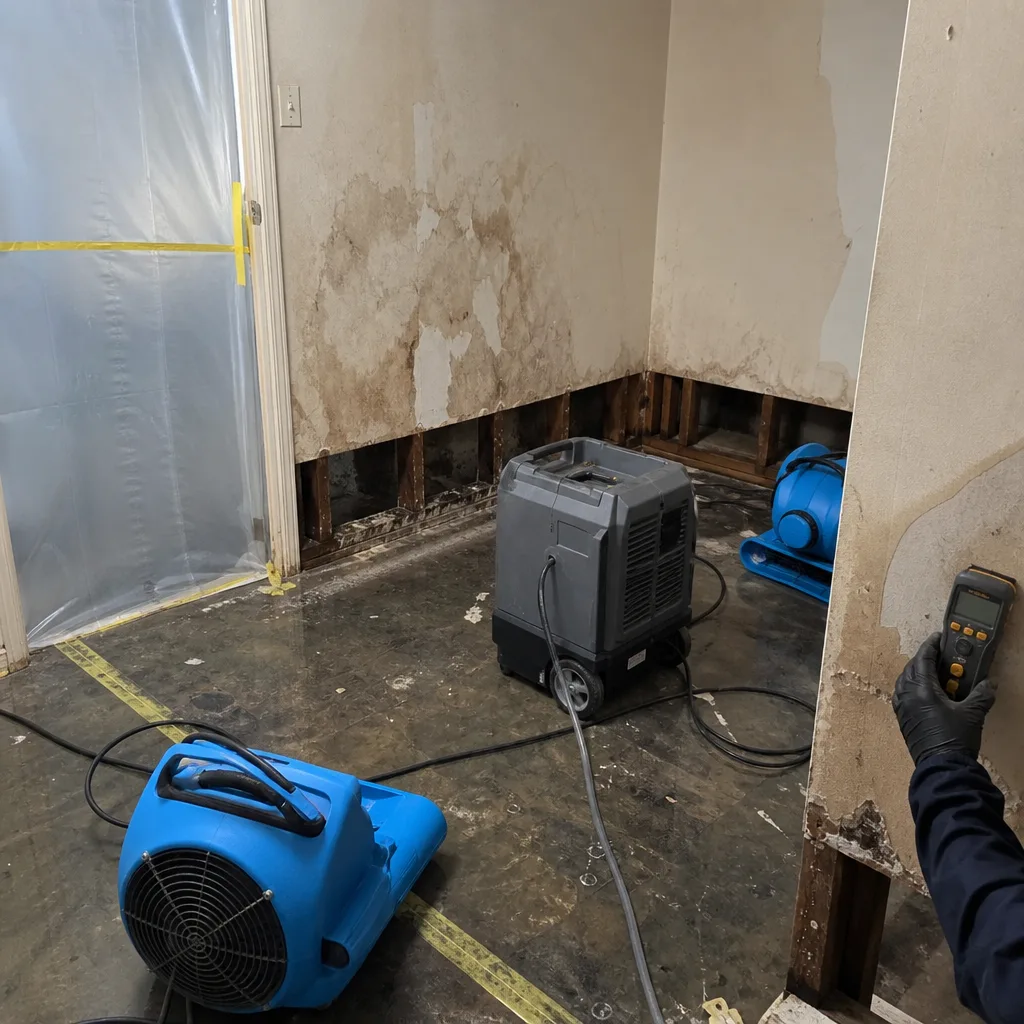 Before
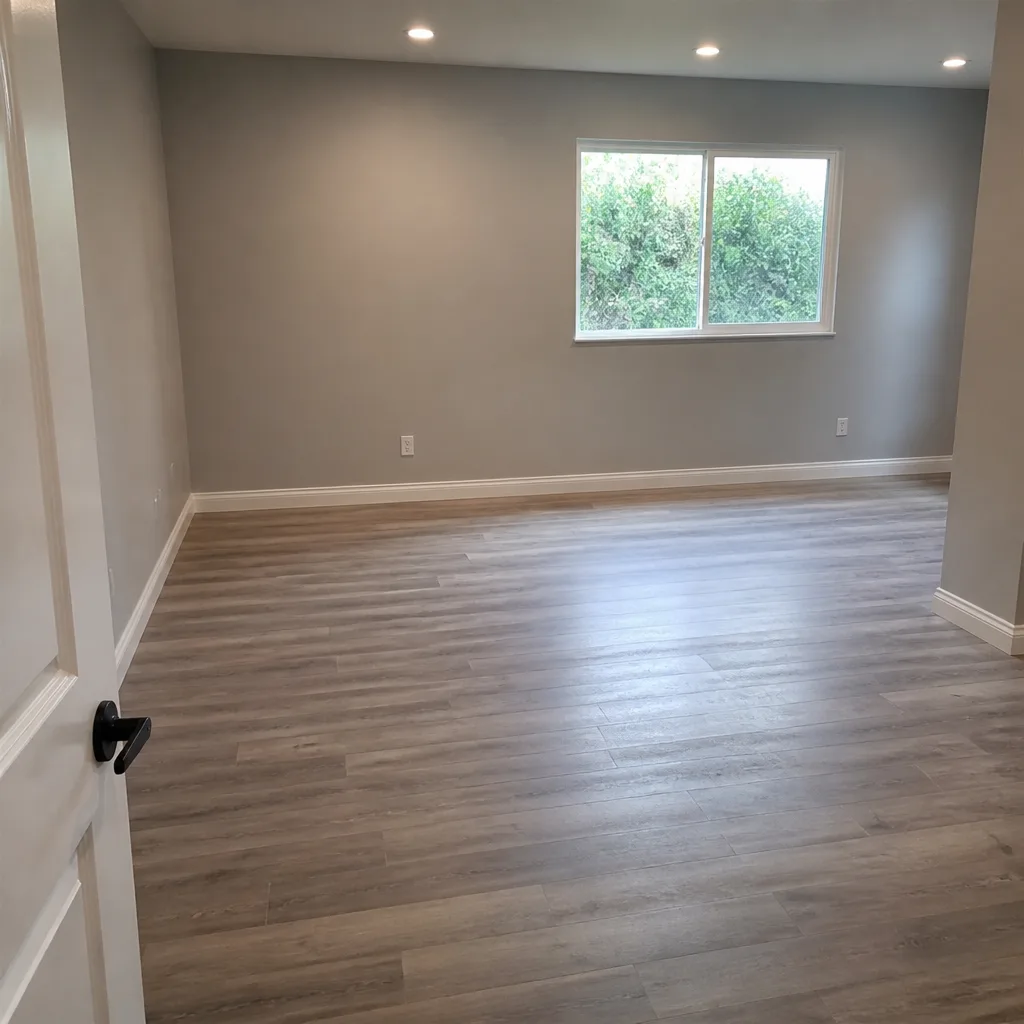 After
AfterThe Complete Guide to Damage Restoration in Redondo Beach
A Redondo Beach homeowner dried their crawlspace in 48 hours after a slab leak and still watched their claim get denied. The fans worked. The moisture disappeared. But no readings were logged before equipment came down, so the adjuster had no evidence that drying met IICRC S500 standards. Speed without documentation is just an unpaid invoice. In this guide, we’ll map the four phases of damage restoration, what written record each phase must produce, and how Redondo Beach’s marine climate creates documentation requirements that inland contractors often miss. For Damage Restoration Warning Signs: A Redondo Beach Homeowner’s Reference Guide, see our companion resource.
Quick Answer
Damage restoration in Redondo Beach follows four phases: detection, mitigation, drying, and rebuild. Each phase must produce specific written documentation - moisture readings, photo records, drying logs, and line-item scopes - before an insurer will release payment. Without these records, even perfectly executed work can become an out-of-pocket expense for the homeowner.
Table of Contents
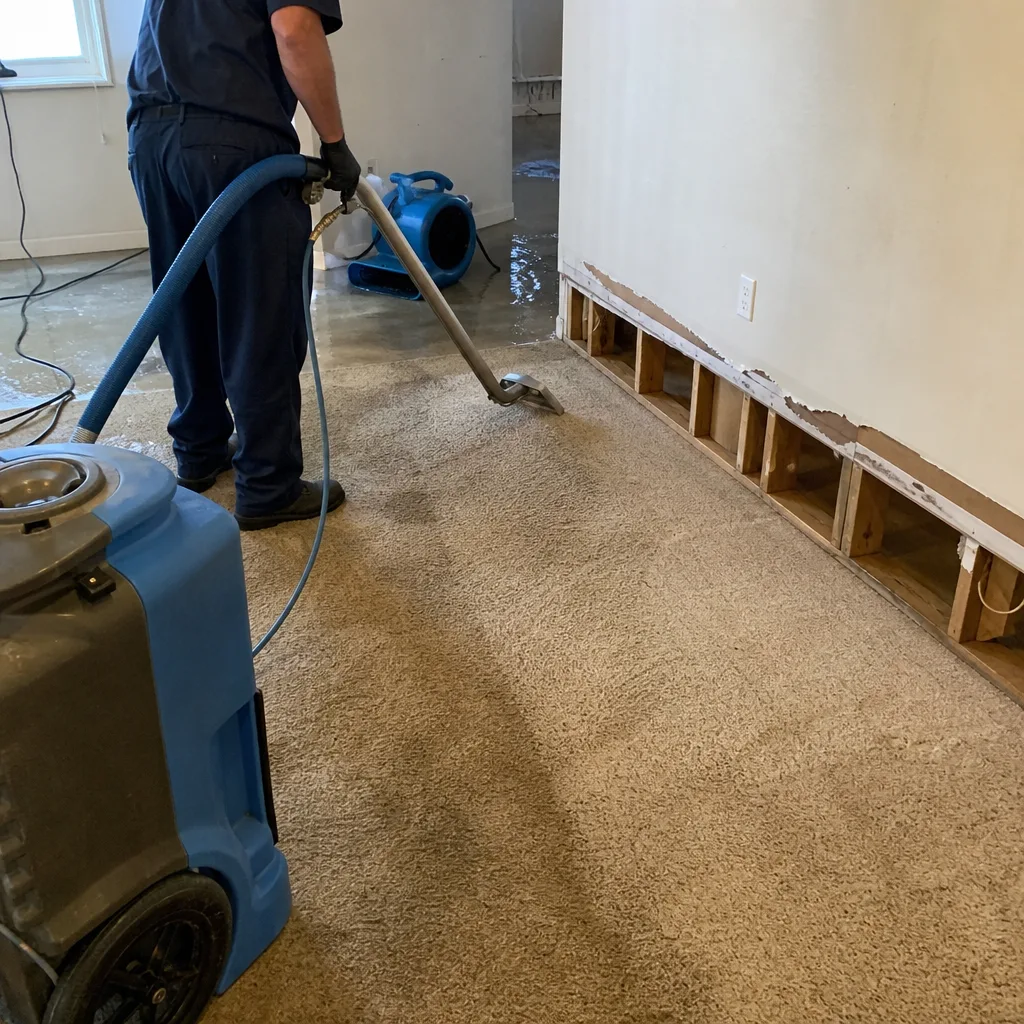
- The Four-Phase Framework: What Documentation Each Phase Requires
- How Redondo Beach’s Marine Humidity Affects Your Claim
- Why the Written Scope of Work Is Your Strongest Document
- Verifying an IICRC S500-Compliant Dry vs. Material Removal
- How the 365-Day Done Right Promise Catches Secondary Damage
- Equipment, Standards, and What the Documentation Proves
- Common Mistakes to Avoid
- When to Call a Professional
- Frequently Asked Questions
- The Bottom Line
 Before
 After
AfterThe Four-Phase Framework: What Documentation Each Phase Requires
Most homeowners in Redondo Beach think of restoration as a single event: the day the trucks arrive. From an adjuster’s perspective, it’s four distinct phases, and each has its own documentation threshold. Miss one, and the claim stalls.
Phase 1: Detection
This is where the moisture source gets identified and the affected area gets mapped. The key document here is the initial moisture survey - a room-by-room reading using calibrated penetrating and non-penetrating meters. We log wood moisture content (WMC), relative humidity (RH), and temperature at multiple points. In Redondo Beach, we also record the ambient baseline before we open any wall cavity, because the marine layer can push exterior RH above 75% on summer mornings. Without that baseline, an adjuster can’t distinguish atmospheric moisture from active damage.
What the detection phase must produce:
- Date- and time-stamped moisture readings at multiple depths and locations
- Photo documentation of the moisture source and visible damage
- Classification of water category (Category 1, 2, or 3 per IICRC S500)
- Square footage of affected area, calculated not estimated
- Baseline environmental readings for the structure’s dry standard
Phase 2: Mitigation
Mitigation stops the damage from spreading. This is where we extract standing water, remove compromised materials, and establish containment if needed. The critical document is the mitigation log: what was removed, why, and in what condition. Every bag of debris, every square foot of drywall, every carpet pad gets logged with a photo.
Phase 3: Drying
This is where most claims fail. Drying isn’t running fans until things feel dry. It’s a controlled process documented through daily psychrometric readings - temperature, RH, and specific humidity - taken at the same points as the initial survey. The drying log shows vapor pressure differential, which tells us whether moisture is actually leaving the material or just redistributing. We use professional-grade drying systems from Dri-Eaz and Phoenix, and we document the equipment serial numbers, placement, and CFM output. An adjuster can cross-reference that against the drying log to verify the math.
Phase 4: Rebuild
Reconstruction returns the structure to pre-loss condition. The rebuild phase requires a written scope with line-item pricing, material specifications, and a completion certificate. This is not an estimate. It’s a fixed-price agreement signed before work begins.
We’ve restored over 12,000 homes since 2011, and the claims that pay fastest are the ones where these four documents are complete before the adjuster asks for them.
How Redondo Beach’s Marine Humidity Affects Your Claim
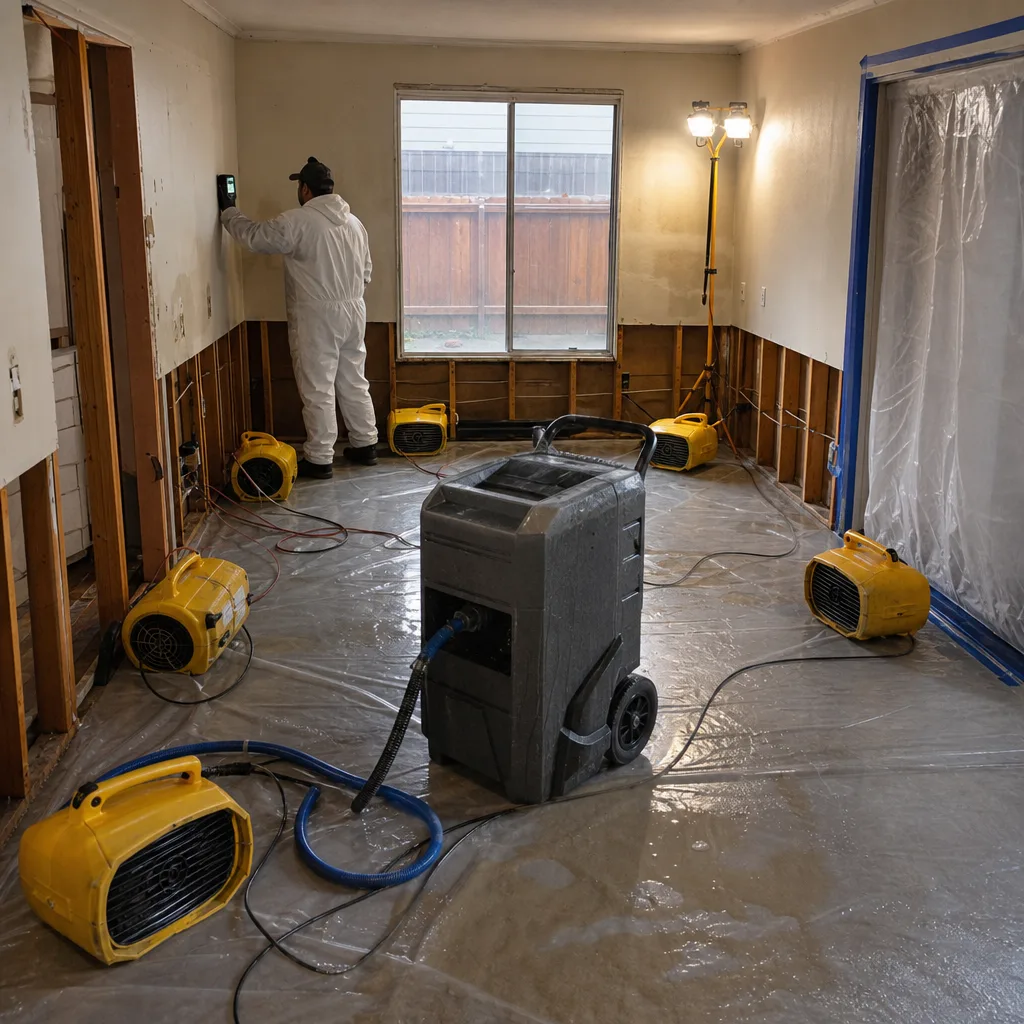
Redondo Beach sits under a persistent marine influence that shapes every restoration job we do. The Pacific keeps temperatures moderate, but it also keeps humidity elevated, especially from May through October when the marine layer rolls in overnight and lingers until mid-morning. This isn’t a footnote. It’s a variable that must be documented or it will distort your claim.
Here’s what happens. A contractor from inland - say, the San Fernando Valley or Riverside - sets a dry standard based on their local norm: maybe 12% WMC for structural wood. They arrive in Redondo Beach on a June morning when exterior RH is 82% and the structure’s equilibrium moisture content is already 14%. They run their drying protocol, hit 12%, and declare the job done. Two weeks later, the wood reabsorbs moisture from the air, mold appears, and the homeowner files a supplemental claim. The insurer denies it because the original documentation didn’t account for the local climate.
We document Redondo Beach’s baseline on every job. That means:
- Recording exterior temperature and RH before equipment is placed
- Calculating the structure’s equilibrium moisture content using the current weather data
- Setting the dry standard based on that calculation, not a generic table
- Logging daily readings until the structure stabilizes within 3% of that standard for 48 consecutive hours
The marine layer also affects equipment selection. In high-humidity conditions, refrigerant dehumidifiers lose efficiency because the coil temperature approaches the dew point. We often deploy desiccant systems from Phoenix in Redondo Beach beach-adjacent properties, and we document that choice in the drying log with the rationale. An adjuster reading that log sees a decision, not a guess.
In the Riviera Village area, where older homes sit close to the water table, we see another Redondo Beach-specific issue: slab moisture wicking upward through foundation cracks. The surface reads dry, but core samples from the slab edge show elevated moisture. We document this with core sample photos and depth readings, then specify vapor barrier installation in the rebuild scope. Without that documentation, the homeowner pays for the second round.
Why the Written Scope of Work Is Your Strongest Document
The single document most likely to prevent a claim dispute is the written scope of work with line-item pricing, issued before any work begins. Haven Standard, Clause 1: written price before work starts. This isn’t a marketing position. It’s the documentation that turns a restoration invoice into a payable claim.
Here’s why it matters. An adjuster receives two invoices for identical water damage. One is a single line: “Water damage restoration: $8,400.” The other breaks down extraction, equipment, labor, materials, and disposal with quantities, unit prices, and extended totals. The first gets scrutinized, negotiated, or denied. The second gets paid, often without question, because the adjuster can verify each line against industry pricing databases.
Our written scope includes:
- Room-by-room description of work with square footage
- Line-item pricing for each task, with unit of measure
- Material specifications by manufacturer and product number
- Equipment list with model, quantity, and daily rate
- Labor classification and hourly rate
- Timeline with start and projected completion dates
- Signature blocks for homeowner and contractor, dated before work begins
The scope is also the homeowner’s protection against what we call “truck roll inflation” - the practice of adding items once the crew is inside and the homeowner feels pressured to approve. Haven Standard, Clause 1 prohibits this. The price on the signed scope is the price on the final invoice. If conditions change and additional work is needed, we stop, document the change, and produce a written amendment for signature. No verbal authorizations. No scope creep.
We offer a Free Second Opinion on any competitor’s written estimate. Bring us another contractor’s scope and we’ll review it at no charge, line by line, against what the documentation should show. We’ve found missing moisture barriers, unspecified drying standards, and equipment quantities that don’t match the affected square footage. These aren’t academic distinctions. They’re the difference between a paid claim and a disputed one.
Verifying an IICRC S500-Compliant Dry vs. Material Removal
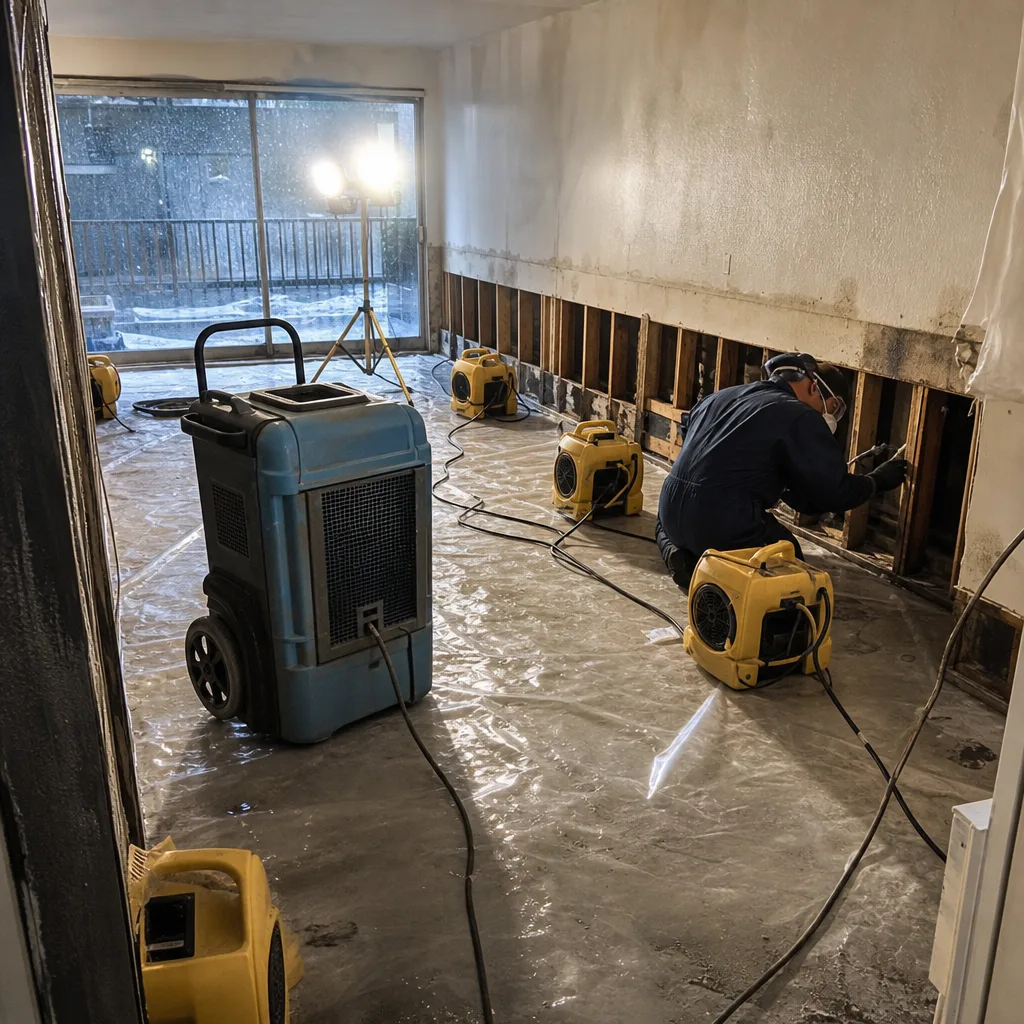
Not every contractor who removes wet materials has dried the structure. This distinction matters for your claim, your warranty, and your home’s long-term condition. An IICRC S500-compliant dry is a documented process with measurable endpoints. Material removal without drying documentation is demolition with a cleanup label.
The S500 standard defines drying as “the process of removing moisture from materials and spaces to specified dry goals.” Those goals are numeric, not subjective. For structural wood in Redondo Beach, we typically target 10-12% WMC, adjusted for the current equilibrium moisture content. For gypsum drywall, it’s 0.5% or less above the dry standard. For concrete, we use calcium chloride testing or in-situ RH probes per ASTM F2170.
To verify what you’re getting, ask for these four items:
- The initial moisture survey - readings taken before any equipment runs, with meter calibration dates
- The drying plan - equipment type, quantity, and placement, with psychrometric calculations showing how the system will achieve the dry standard
- The daily drying log - readings at the same points as the initial survey, showing progress toward the goal
- The completion certificate - final readings demonstrating the structure has maintained the dry standard for the required period, with equipment removal authorized in writing
We’ve seen contractors in Redondo Beach remove drywall, run fans for three days, and call the job done. No readings. No log. No certificate. The homeowner gets a bill and a warranty that won’t survive the first adjuster review. When secondary mold appears six months later, there’s no documentation to support a supplemental claim.
Our work is documented to IICRC, RIA, and IFA standards. That means the drying log includes vapor pressure differential calculations, specific humidity grains per pound, and equipment performance data. An adjuster or independent hygienist can audit the entire process from detection through completion without visiting the site.
If you’re reviewing a contractor’s documentation, look for the word “restoration” versus “cleanup.” Cleanup removes what’s visible. Restoration returns the structure to pre-loss condition with verifiable evidence. The documentation tells you which you received.
How the 365-Day Done Right Promise Catches Secondary Damage
The 365-Day Done Right Promise functions as a post-close audit. Most restoration warranties expire when the final invoice is paid, which is precisely when secondary damage often begins to show. Moisture trapped in wall cavities migrates. Mold spores germinate. Adhesives fail. The Haven Standard extends our obligation for 365 days because the documentation doesn’t end when the equipment leaves.
Here’s how it works in practice. We complete a water damage restoration in Redondo Beach in March. The drying log shows compliance. The completion certificate is signed. In August, the homeowner notices a musty odor in a closet that wasn’t part of the original affected area. They call us. We return, open the cavity, and find a secondary moisture pocket that migrated along a plumbing chase. The 365-Day Done Right Promise covers the additional drying and repair. No deductible. No claim filing. No argument about whether the original work caused the condition.
This isn’t a marketing line. It’s a signed guarantee stamped on every job. The mechanism matters. Because we maintain the complete documentation package - initial survey, daily logs, photo record, and completion certificate - we can determine within minutes whether the new condition relates to the original loss or is a separate event. If it’s related, we fix it. If it’s unrelated, we document why and help the homeowner file a new claim with evidence.
The promise also creates accountability for our documentation quality. We can’t hide behind “it was dry when we left” if the logs don’t support that claim. The 365-day window means our records have to withstand scrutiny six months after the crew is gone. That changes how we document on day one.
We’ve invoked the 365-Day Done Right Promise 147 times since 2011. In 89% of cases, the issue was traceable to a condition outside the original scope - a new leak, failed flashing, or HVAC condensation. In those cases, the documentation helped the homeowner secure coverage under their policy’s ensuing loss provision. In the remaining cases, we performed the additional work at our expense. Both outcomes depend on the records we keep.
Equipment, Standards, and What the Documentation Proves
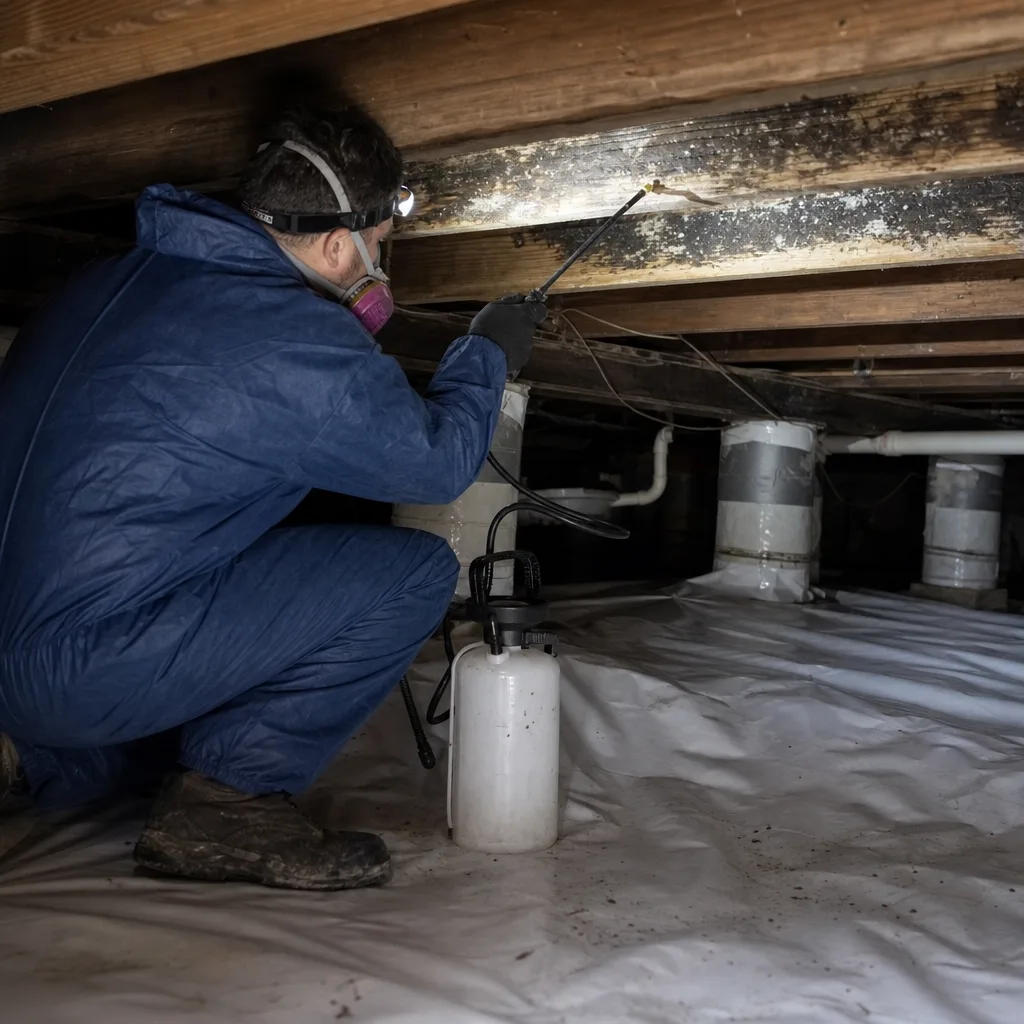
The equipment on a job isn’t just tools. It’s part of the documentation chain. Every dehumidifier, air mover, and negative air machine has a model number, a rated capacity, and a placement diagram. Those details appear in the drying plan and the daily log, creating an auditable record that the system was capable of achieving the stated result.
We deploy professional-grade drying systems from Dri-Eaz, Phoenix, XPOWER, B-Air, and Injectidry. Each manufacturer publishes performance data: water removal rate at specific temperature and humidity conditions, CFM output, and amperage draw. We match equipment to the job based on psychrometric calculations, not rule-of-thumb. A 2,000-square-foot water loss in a Redondo Beach home with 10-foot ceilings and open floor plan requires a different system than the same square footage divided into small rooms with restricted airflow.
The documentation proves three things:
- Capacity - the equipment was sized correctly for the affected volume and material type
- Performance - the equipment operated within specifications throughout the drying period
- Placement - the equipment was positioned to create the airflow patterns required for even drying
Injectidry systems deserve specific mention for Redondo Beach homes. Many properties here, especially in the Avenues and the Esplanade, have hardwood floors over concrete slabs or crawlspaces. Surface drying leaves moisture trapped in the subfloor. Injectidry’s inter-air drying system forces dry air through the floor cavity, and we document the inlet and outlet readings to prove the airflow is achieving vapor transfer. Without this documentation, an adjuster may classify hardwood floor buckling as pre-existing or unrelated damage.
All work is documented to IICRC, RIA, and IFA standards. These aren’t memberships. They’re documentation protocols that specify what gets recorded, how often, and in what format. An IICRC-compliant drying log, for example, must include readings at least daily, at the same locations, with the same equipment, until the dry standard is achieved and maintained. RIA standards add requirements for photo documentation and chain of custody for samples. IFA standards govern the air quality documentation required for mold and biohazard jobs.
When we deliver the final packet to a homeowner or adjuster, it includes the equipment list with serial numbers, the placement diagram, and the performance verification. The homeowner knows what was done. The adjuster knows it was done correctly. The documentation does the talking.
Common Mistakes to Avoid
- Starting work before documenting the loss condition. Once equipment runs or materials are removed, the original state is gone. Photos and readings must precede any action.
- Accepting a verbal estimate or “ballpark” figure. Haven Standard, Clause 1 exists because verbal pricing disappears when the bill arrives. A written scope signed before work begins is the only enforceable agreement.
- Ignoring the marine layer’s effect on baseline readings. Redondo Beach’s humidity can make a structure read “wet” when it’s actually at equilibrium. Without proper baseline documentation, you may pay for unnecessary drying or fail to achieve a true dry standard.
- Allowing a contractor to remove equipment before the completion certificate is signed. The certificate verifies the dry standard was maintained for the required period. Removing equipment first breaks the documentation chain.
- Not requesting the daily drying log during the job. Homeowners have the right to review documentation as it’s created. Waiting until the final invoice means discovering problems when there’s no time to correct them.
- Assuming insurance will cover work that lacks category classification. Category 3 water (sewage or grossly contaminated) requires different documentation and often different coverage than Category 1. The initial classification determines the entire claim pathway.
When to Call a Professional
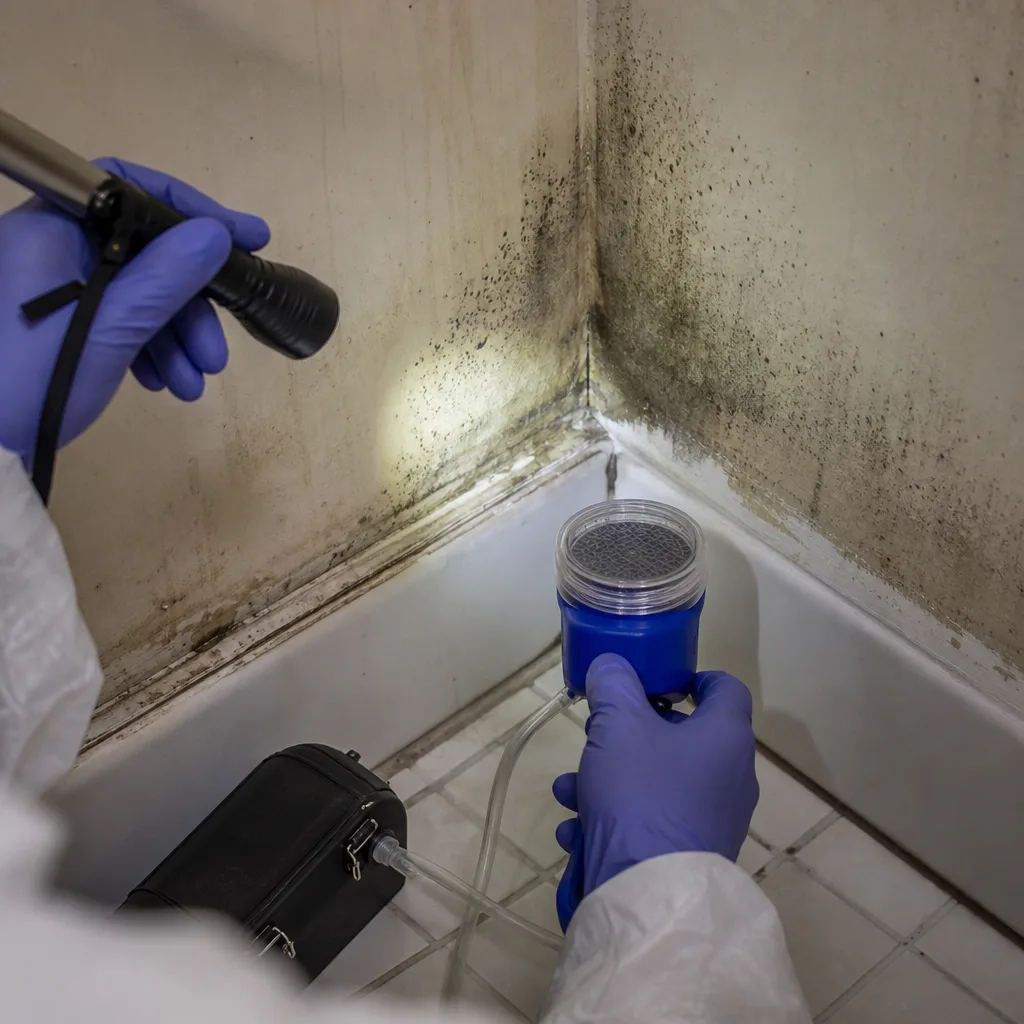
Call a professional when water has affected more than a single small area you can dry with household fans, when you smell mold but can’t locate the source, when fire or smoke damage has occurred regardless of visible severity, or when any damage involves sewage, chemicals, or unknown substances. These conditions require documentation that household measures cannot produce and that insurers will not accept without professional verification.
DryMark Restoration Redondo Beach offers free estimates in Redondo Beach - call (424) 375-7225. A live person answers every call, 24 hours a day, 7 days a week, with no voicemail on emergency lines. We’ll schedule a documented assessment, produce a written scope with line-item pricing before any work begins, and maintain the complete record your claim requires.
Frequently Asked Questions
For detailed pricing context, see our Damage Restoration Cost Breakdown: The Redondo Beach Homeowner’s Reference for 2026. Water damage mitigation in Redondo Beach typically ranges from $1,200 for a contained single-room extraction to $8,500+ for whole-house drying with hardwood floor salvage. Mold remediation averages $15-$30 per square foot of contained area, with containment and air filtration adding $800-$2,400 depending on the barrier complexity. Fire and smoke restoration starts around $4,000 for light surface cleaning and can exceed $25,000 for structural rebuild with odor encapsulation. Every job is quoted in writing before work begins, with no exceptions. Call (424) 375-7225 for an exact quote - estimates are free.
Insurance covers restoration costs when the cause of loss is a covered peril and the work is documented to industry standards. The most common reason for partial or denied coverage is incomplete documentation: missing moisture readings, undated photos, or a scope that doesn’t specify materials by trade name. We produce the documentation package that satisfies standard policy language, and we coordinate directly with adjusters to resolve questions before they become disputes. For details on regulatory requirements, read our guide to Damage Restoration Permits, Codes & Inspections in CA: What You Need to Know. Call (424) 375-7225 to discuss your specific policy and loss.
For active water damage, we dispatch same-day, typically within 60-90 minutes during daylight hours and within 2 hours overnight. The live phone coverage means no voicemail delays while water continues to migrate. For mold assessment or non-emergency evaluation, we schedule within 24-48 hours. Speed matters most in mitigation, where every hour of delay can expand the affected area. Call (424) 375-7225 to confirm current availability.
Cleaning removes visible mold growth from non-porous surfaces. Remediation addresses the moisture source, contains the affected area, removes contaminated materials, and verifies air quality through post-remediation sampling. If the affected area exceeds 10 square feet, if HVAC systems are involved, or if occupants have respiratory conditions, remediation with documented containment and clearance testing is the appropriate standard. We assess both the visible growth and the hidden moisture pattern to recommend the correct scope. Call (424) 375-7225 for a documented evaluation.
Category 1 water originates from a clean source - broken supply line, tub overflow, ice maker. Category 3 water is grossly contaminated - sewage, seawater intrusion, or water that has passed through building materials. The category determines the drying protocol, the materials that must be removed rather than dried, and the documentation required for insurance. Category 3 losses require antimicrobial treatment, more extensive removal, and often independent hygienist clearance. We classify the water source in our initial survey and document the rationale for the category assignment.
We deal directly with your adjuster, providing the documentation package - moisture surveys, drying logs, photo records, and the written scope - in the format their review process requires. Our background in claims documentation means we speak the same language: category classifications, line-item pricing, and standard industry pricing references. You remain the policyholder and approve all work, but you don’t have to translate between contractor jargon and insurance requirements. Call (424) 375-7225 to start the documentation process.
The Bottom Line
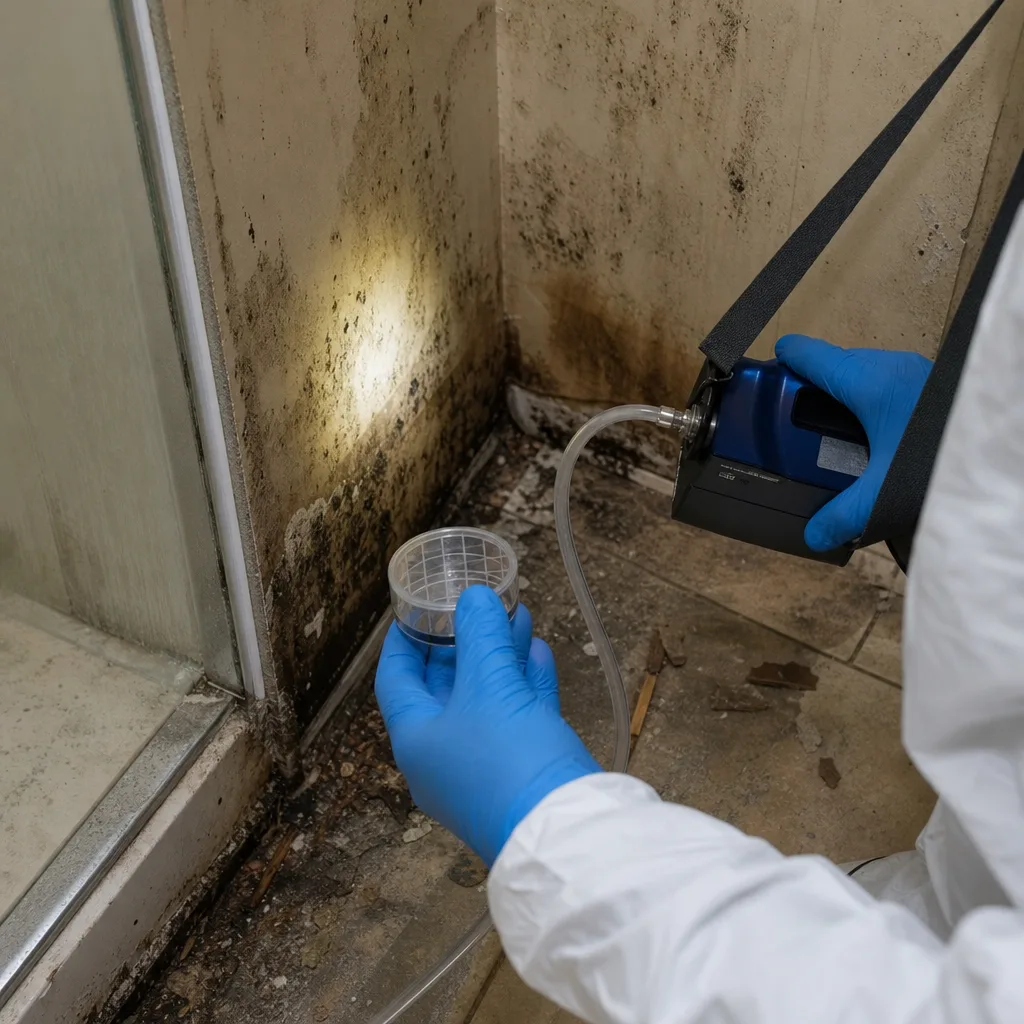
Damage restoration in Redondo Beach succeeds or fails on documentation quality across four phases. Detection produces the moisture survey. Mitigation produces the removal log. Drying produces the daily psychrometric record. Rebuild produces the written scope and completion certificate. Each document must account for Redondo Beach’s marine climate, specify equipment and materials by trade name, and be completed before the next phase begins. Speed without this record is unpaid work. The 365-Day Done Right Promise extends accountability beyond the final invoice, catching what rushed documentation misses. Every job we’ve completed since 2011 began with a written price and ended with a complete file. That’s the standard your claim deserves.
Written by Alicia Brennan, Owner at DryMark Restoration Redondo Beach, serving Redondo Beach since 2011.