
Last updated September 23, 2026
Free visual inspection and a written scope of work before any mitigation begins - photos, moisture readings, and drying logs go in your claim file
The scope we write is the scope we bill. Anything new gets shown to you, in writing, before we touch it.
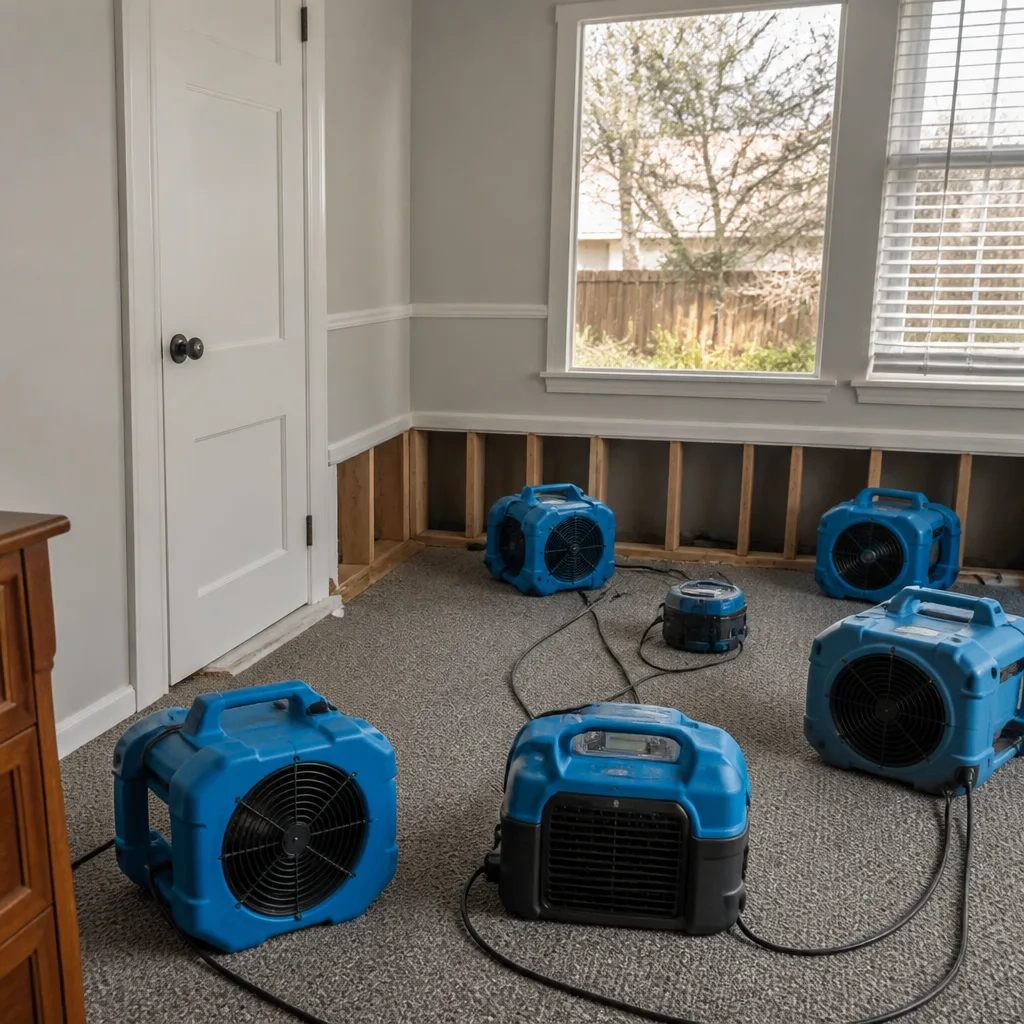
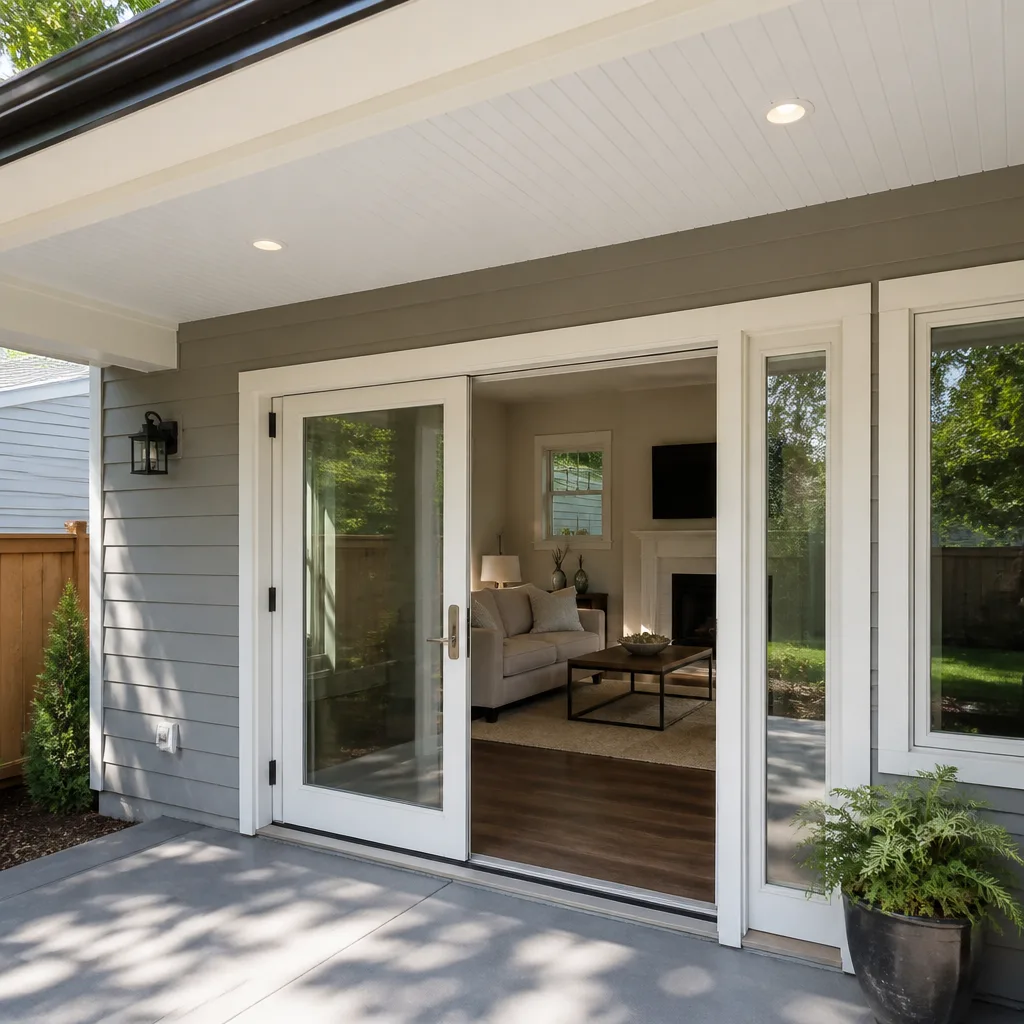
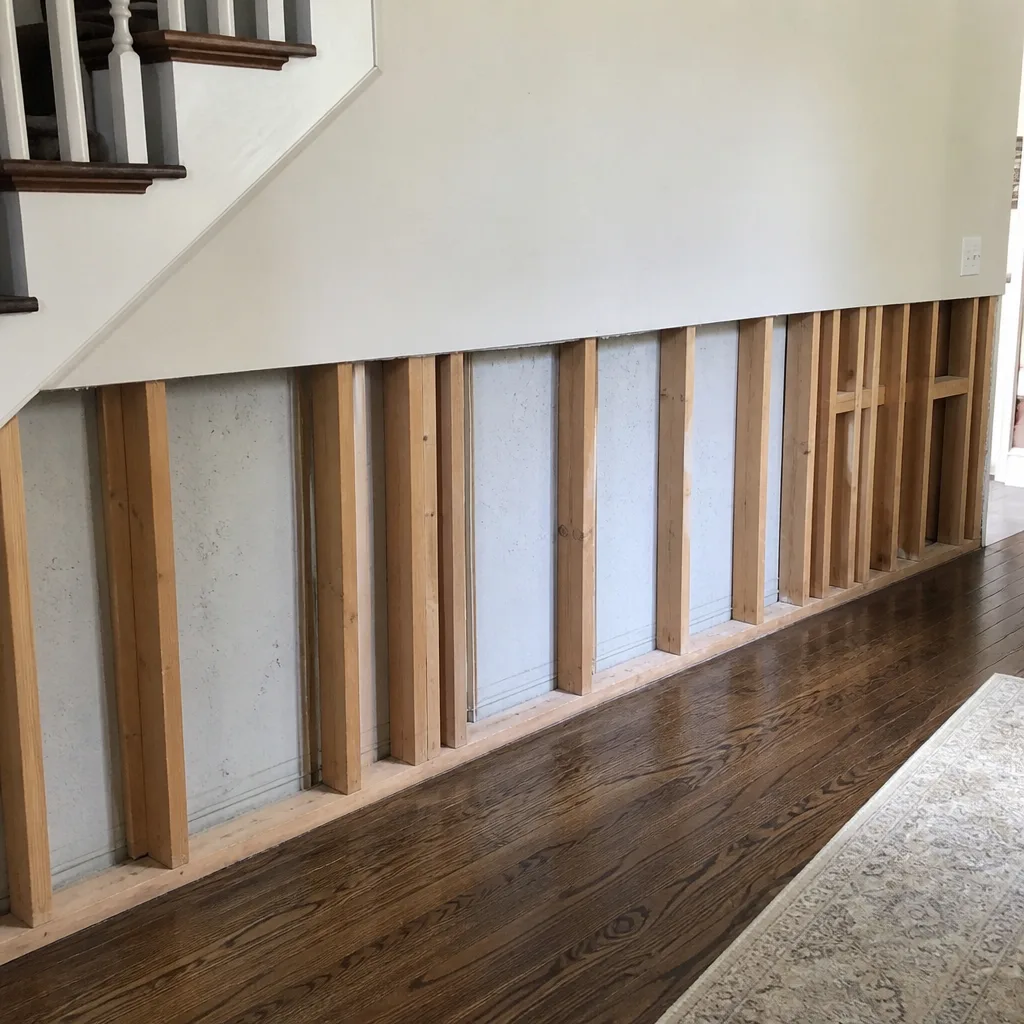
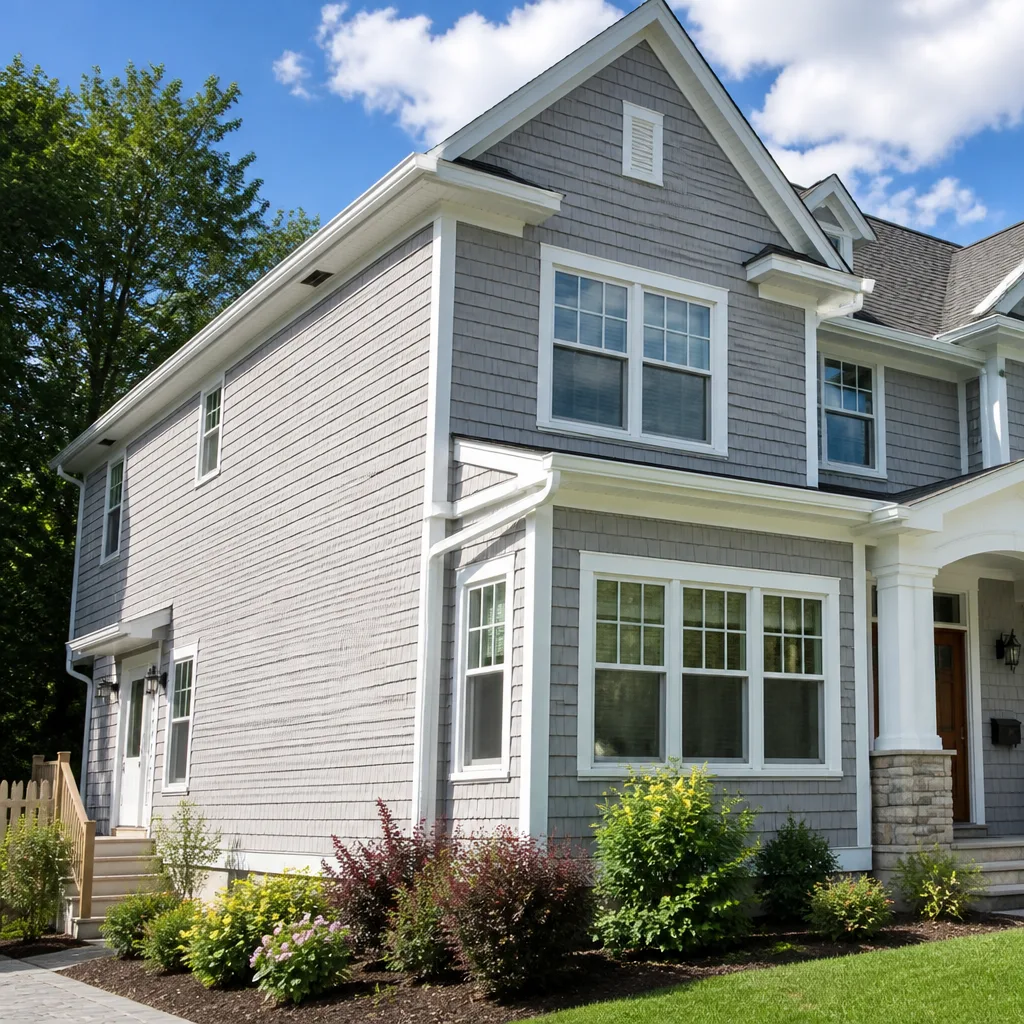
 Before
 After
After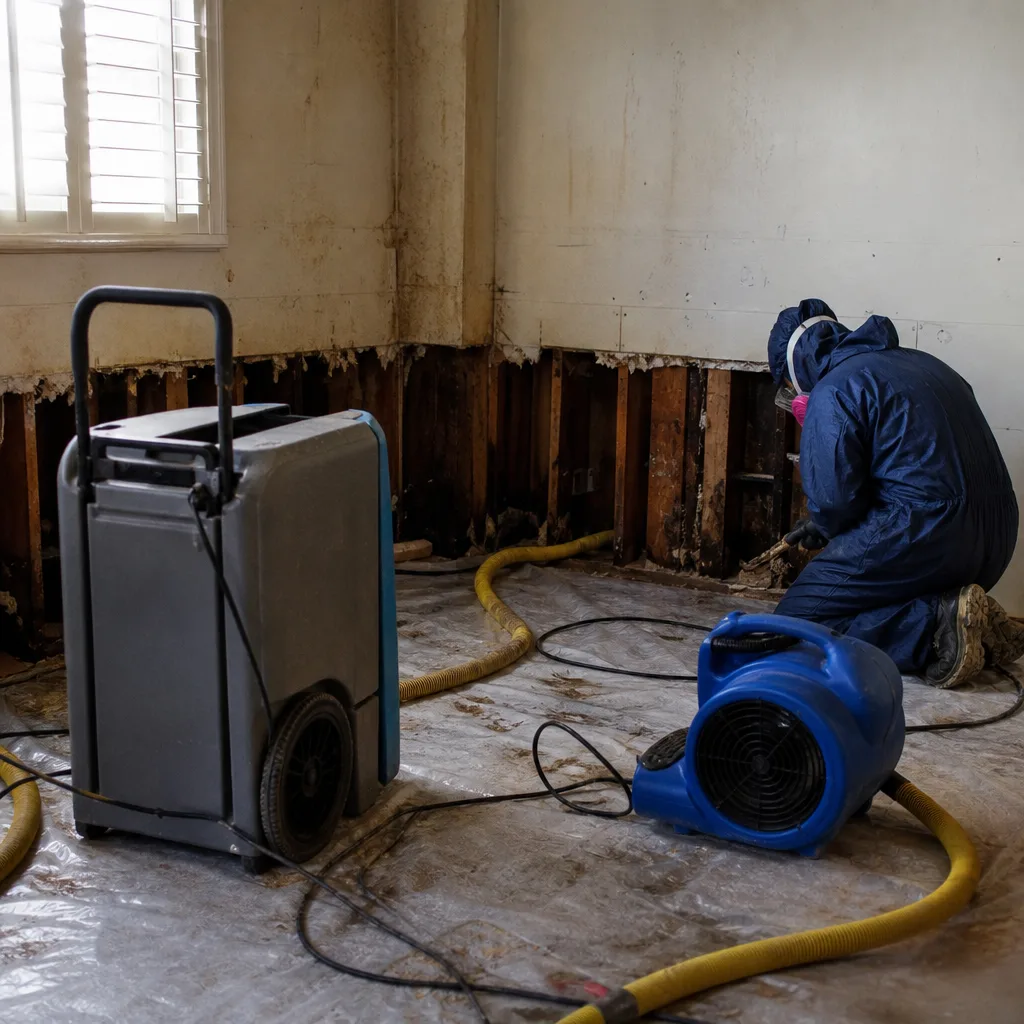 Before
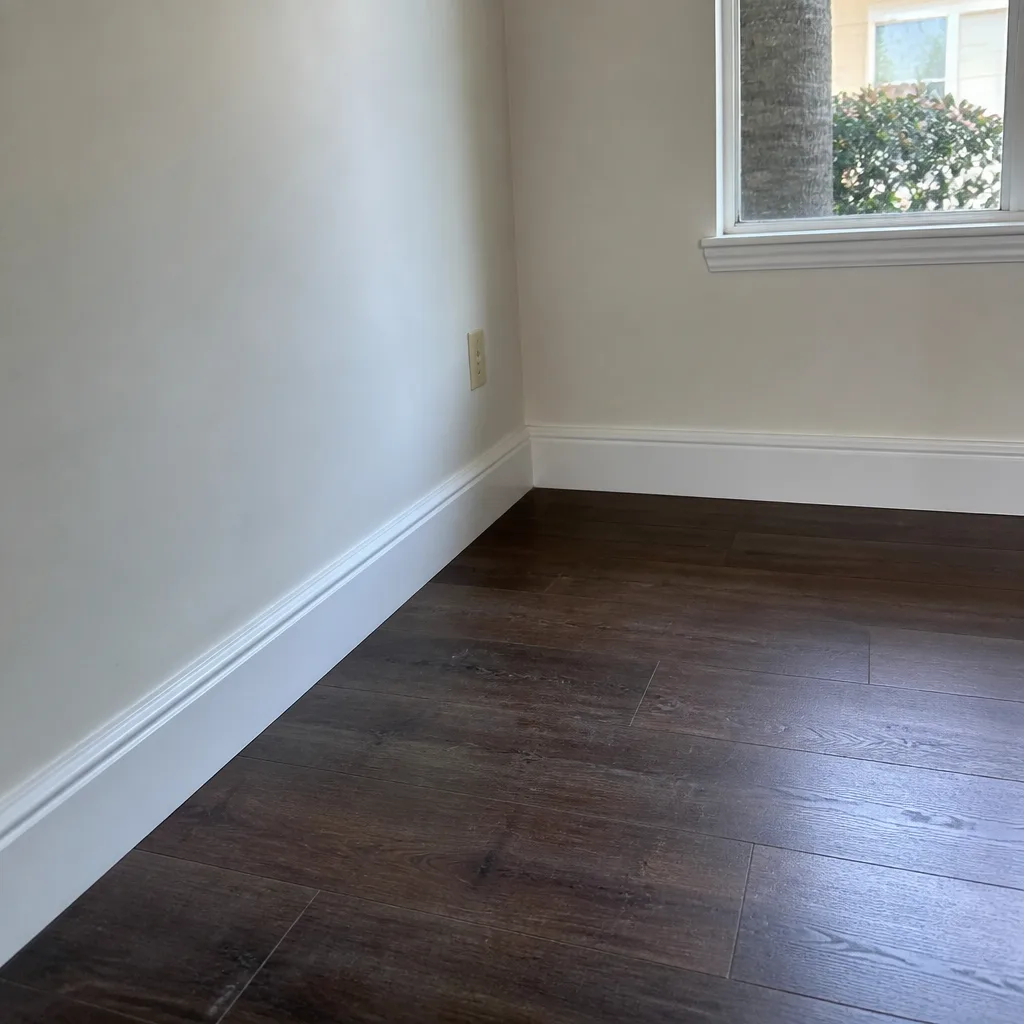 After
After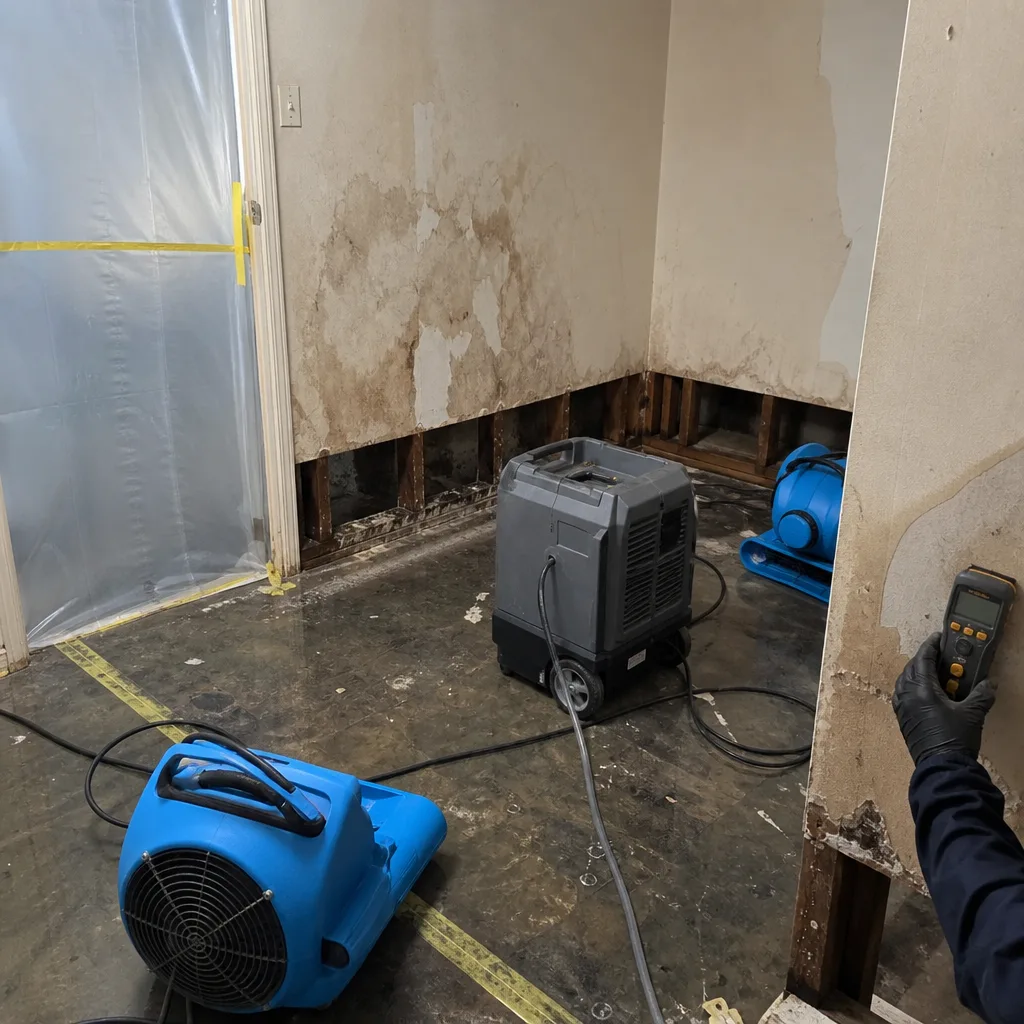 Before
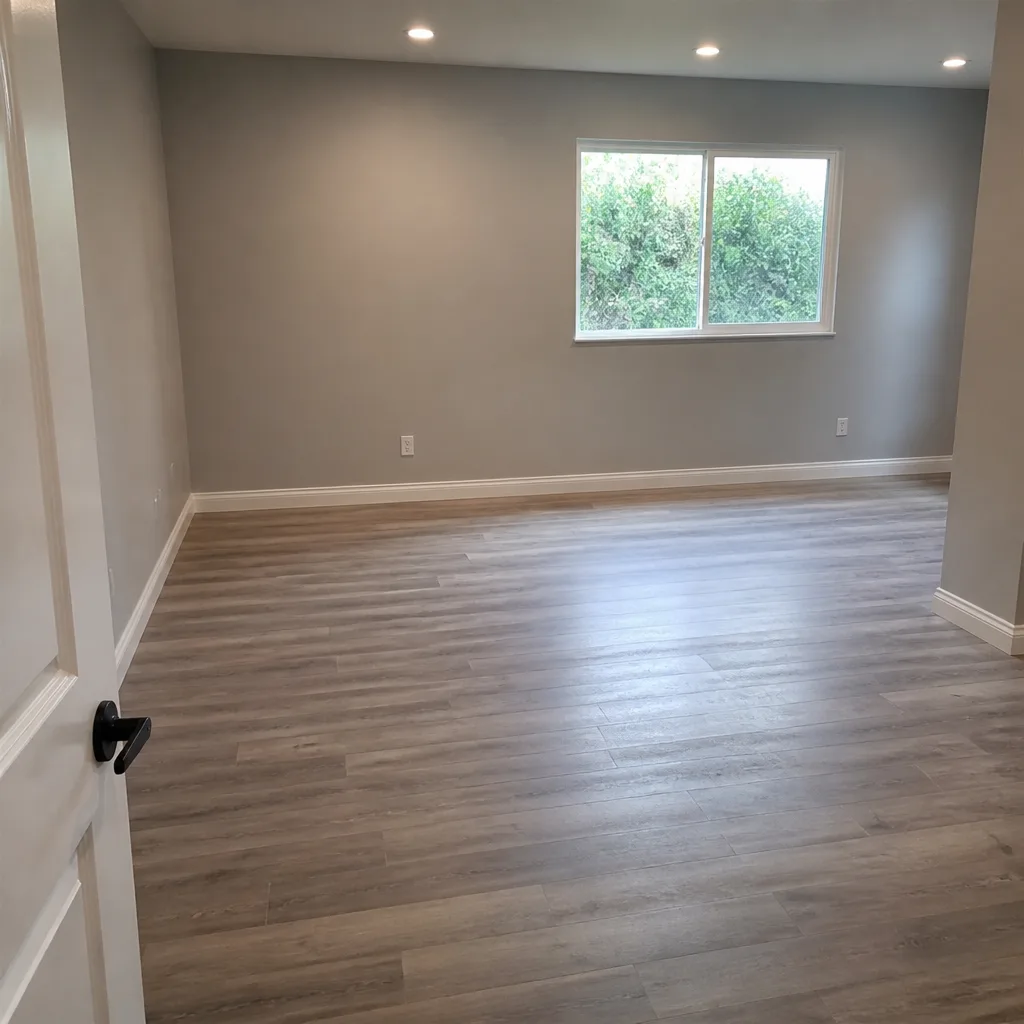 After
AfterDamage Restoration Permits, Codes & Inspections in CA: What You Need to Know
A Redondo Beach homeowner sold their home two years after a water loss, only to discover at escrow that unpermitted drywall replacement had created a title encumbrance. The restoration company had been paid in full; the homeowner paid twice to correct the record. This happens more often than you’d expect. In this guide, we’ll cover which restoration tasks trigger permits in California, how to read the line between maintenance and construction, what documentation satisfies inspectors, and why a final sign-off matters to your insurance claim. For Damage Restoration Warning Signs: A Redondo Beach Homeowner’s Reference Guide, see our companion post. If you’re in Redondo Beach or anywhere in the South Bay, the rules below apply directly to your property.
Quick Answer
Most California restoration work requires a building permit when it involves structural repairs, electrical or plumbing systems, or mold remediation above 10 square feet. Permits are typically not required for emergency water extraction, surface drying, or like-for-like replacement of finish materials that don’t alter the building’s structure. The specific threshold depends on your city, not just state law.
Table of Contents
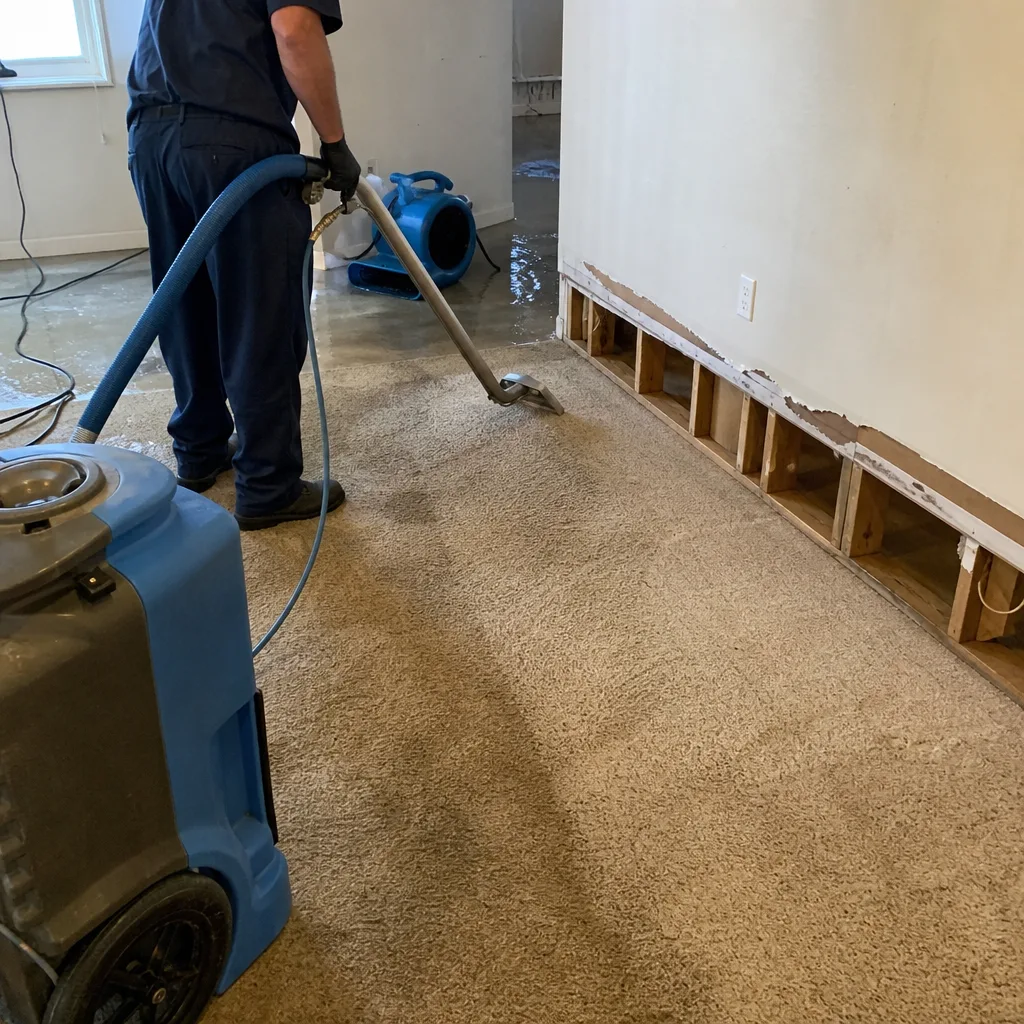
- When Is a Permit Required for Restoration Work?
- Redondo Beach Building Permits: Specific Requirements
- Mold Remediation and California Health & Safety Code
- Like-for-Like Replacement vs. Permit-Required Repair
- What Final Inspection Sign-Off Adds to Your File
- Sewage Losses: Dual Jurisdiction in Redondo Beach
- Documentation Standards That Satisfy Adjusters and Inspectors
- Permit Costs and Timelines in the South Bay
 Before
 After
AfterWhen Is a Permit Required for Restoration Work?
California’s building code, based on the California Building Standards Code (Title 24), delegates permit authority to local jurisdictions. This means Redondo Beach sets its own thresholds, not Sacramento. Most homeowners assume permits only apply to kitchen remodels or room additions. That assumption costs money at resale.
Here’s what triggers a permit in most California cities, including Redondo Beach:
- Structural repairs: Any work that removes, replaces, or alters load-bearing walls, floor joists, roof rafters, or foundation elements. This includes sistering joists after prolonged water saturation.
- Electrical systems: Replacing outlets, switches, or wiring damaged by water or fire. Even relocating a single outlet requires an electrical permit.
- Plumbing systems: Repiping, replacing valves, or modifying drainage after a sewage backup or burst line.
- HVAC modifications: Replacing ductwork or furnace components contaminated by smoke or mold.
- Mold remediation above 10 square feet: The California Department of Public Health and most local jurisdictions treat visible mold exceeding this threshold as a substandard building condition requiring abatement under permit.
- Drywall replacement beyond patching: Full-sheet replacement in multiple rooms often crosses into permit territory, especially if insulation is disturbed.
What typically does not require a permit: emergency water extraction, dehumidification, surface cleaning, carpet removal, or minor drywall patching under 100 square feet. The line blurs quickly, and experienced contractors know exactly where. Less experienced ones sometimes misclassify work to avoid permit fees and inspection delays. The homeowner inherits that risk. For help deciding when to bring in experts, read our DIY vs Professional Damage Restoration: The Redondo Beach Homeowner’s Decision Guide.
We’ve documented jobs in Redondo Beach where a competitor classified full-gut drywall removal as “emergency drying services” to skip the permit. The work was technically competent. The documentation was not. When the homeowner refinanced two years later, the appraiser flagged the unpermitted work. The cost to retro-permit exceeded the original restoration invoice.
Redondo Beach Building Permits: Specific Requirements
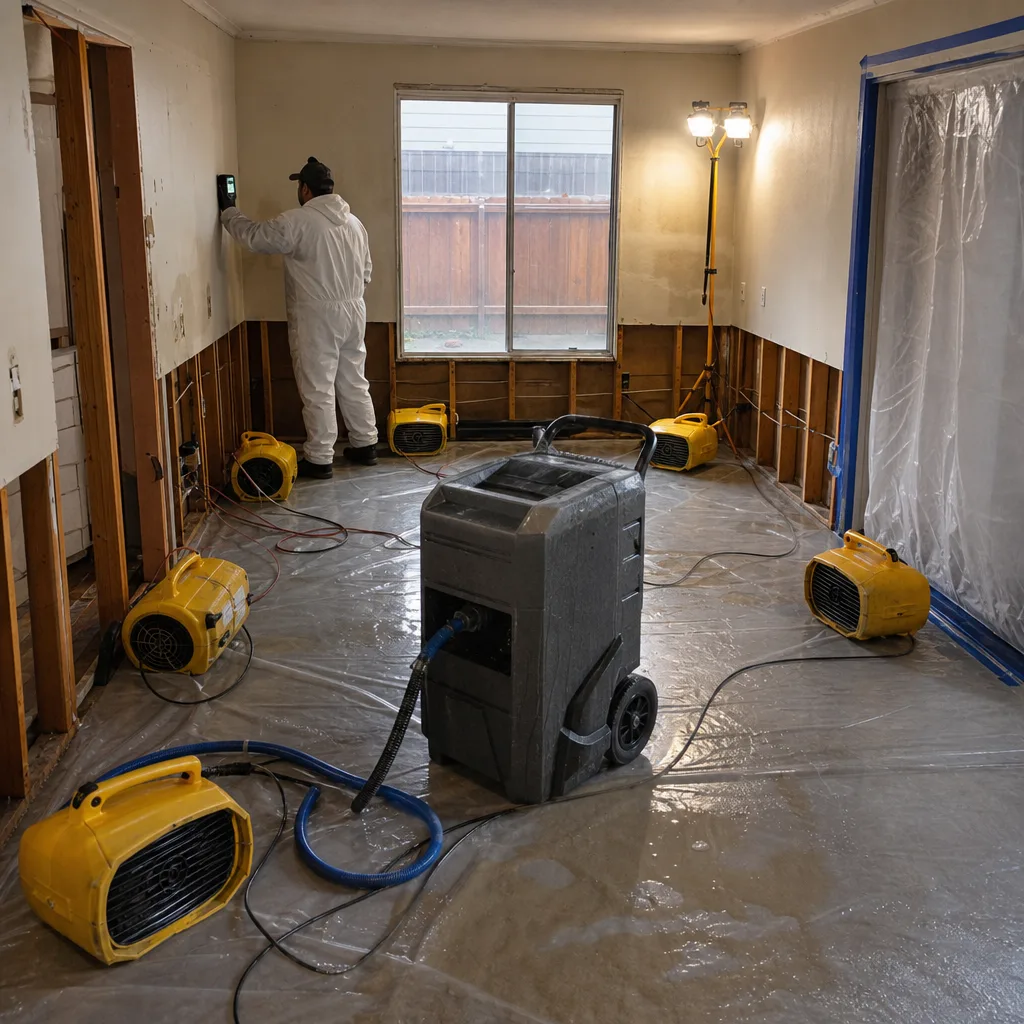
Redondo Beach operates its own Building & Safety Division, separate from Los Angeles County’s unincorporated permitting system. This matters because permit rules, fee schedules, and inspection timelines differ between Redondo Beach and neighboring Torrance or Lawndale. If your contractor pulls a county permit for work inside Redondo Beach city limits, that’s a red flag.
For restoration work, Redondo Beach recognizes several permit types:
- Emergency Repair Permit: Issued for immediate hazards like collapsed ceilings or exposed electrical after a water loss. Work can begin before full plan review, but an inspector must verify within 24 hours. Fee: typically $150-$400 depending on scope.
- Standard Building Permit: Required for structural repairs, drywall replacement exceeding 25% of a wall surface, or any work affecting plumbing or electrical. Plan review takes 5-10 business days; inspections are scheduled at rough and final stages.
- Electrical/Plumbing-Only Permit: For trades-specific work without structural modification. Often faster to obtain, with next-day inspection availability in Redondo Beach.
- Mold Remediation Notification: While not a traditional permit, Redondo Beach requires notification to Building & Safety for mold abatement projects exceeding 10 square feet. A post-abatement clearance inspection by a third-party industrial hygienist is typically required before sign-off.
Redondo Beach’s coastal climate adds a specific consideration. The marine layer keeps relative humidity elevated, particularly in the Riviera and South Redondo neighborhoods near the water. We’ve measured ambient humidity at 78% on days when inland readings hit 55%. This extends drying timelines and increases the probability of secondary mold growth behind walls. When that hidden mold exceeds 10 square feet upon discovery, the permit threshold triggers retroactively. Good documentation from day one prevents that surprise.
The city’s proximity to the Pacific also means corrosion-resistant materials are often required for replacement work. Standard galvanized fasteners in a Hermosa Beach or Redondo Beach crawl space fail faster than inland. Inspectors know this and check for it. A permit inspection that fails for material specification costs another inspection fee and another week of delay.
Mold Remediation and California Health & Safety Code
California Health & Safety Code Section 17920.3 defines visible mold as a substandard building condition when it “endangers the life, limb, health, property, safety, or welfare of the public or the occupants.” This isn’t advisory language. It creates a legal obligation for property owners to remediate, and it empowers local enforcement to issue correction notices.
What this means practically:
- A mold remediation project exceeding 10 square feet of visible growth must follow abatement protocols that satisfy local inspection, not just cleaning standards.
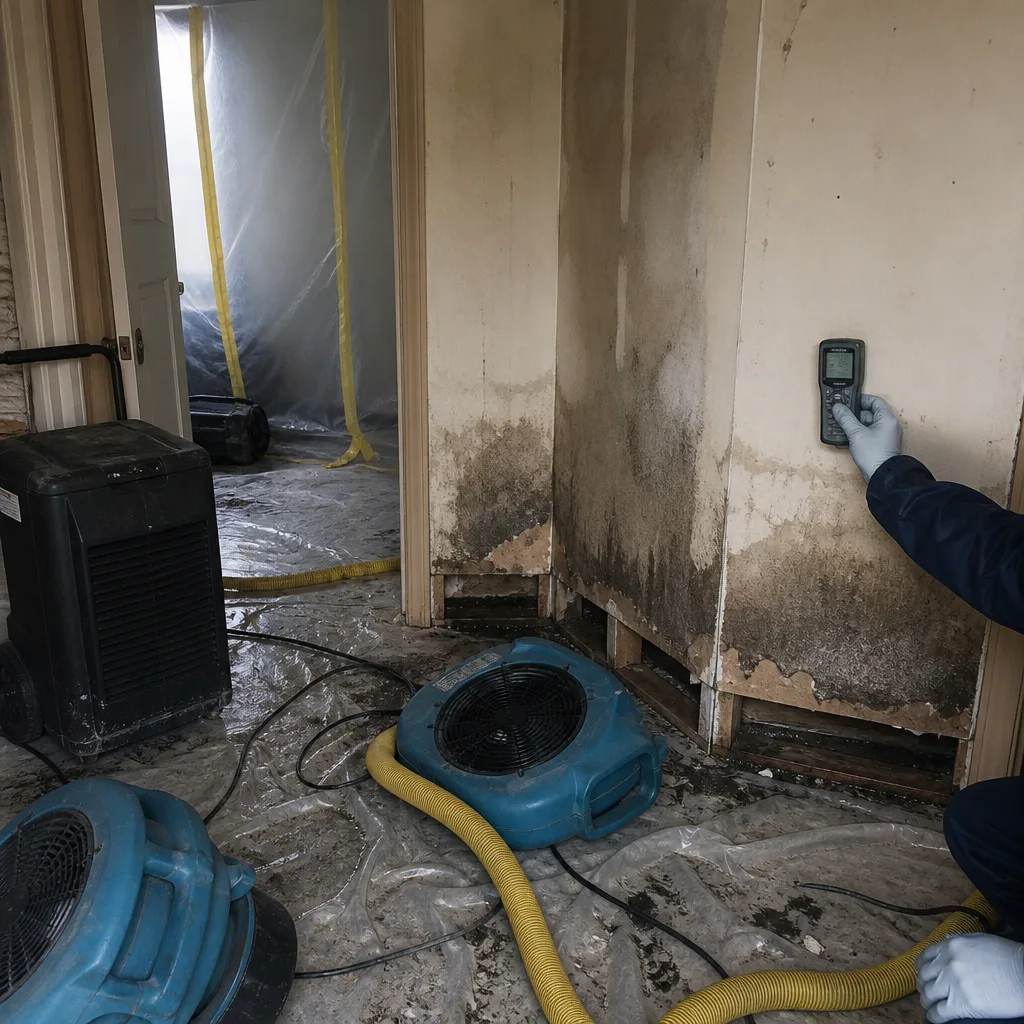
- Documentation must demonstrate that the mold source (moisture intrusion) was identified and eliminated, not just the visible growth removed.
- Post-remediation verification by a third-party industrial hygienist is standard practice in Redondo Beach and most South Bay cities, though not always explicitly required by state law.
The documentation that satisfies an inspector differs from what satisfies a homeowner. Homeowners want to see clean walls. Inspectors want to see:
- Pre-remediation photos with square footage calculations
- Moisture source identification and correction documentation
- Containment and negative air pressure logs during remediation
- Disposal records for contaminated materials
- Post-remediation clearance sampling with laboratory results
At Mold Remediation in Redondo Beach, we produce this documentation as standard deliverables, not upsells. The Haven Standard requires it. Our daily moisture logs, recorded with calibrated meters and documented to IICRC S520 standards, become the evidence that closes insurance disputes and satisfies municipal inspectors.
One detail competitors often miss: Section 17920.3 applies to “visible” mold. Hidden mold discovered during demolition doesn’t trigger the same enforcement mechanism until it becomes visible. But insurance adjusters and buyers’ inspectors treat hidden mold as a latent defect. The documentation gap between visible and hidden mold is where claims get denied and sales fall through. We photograph every square foot of exposed cavity during demolition, creating a visual record that eliminates ambiguity.
Like-for-Like Replacement vs. Permit-Required Repair
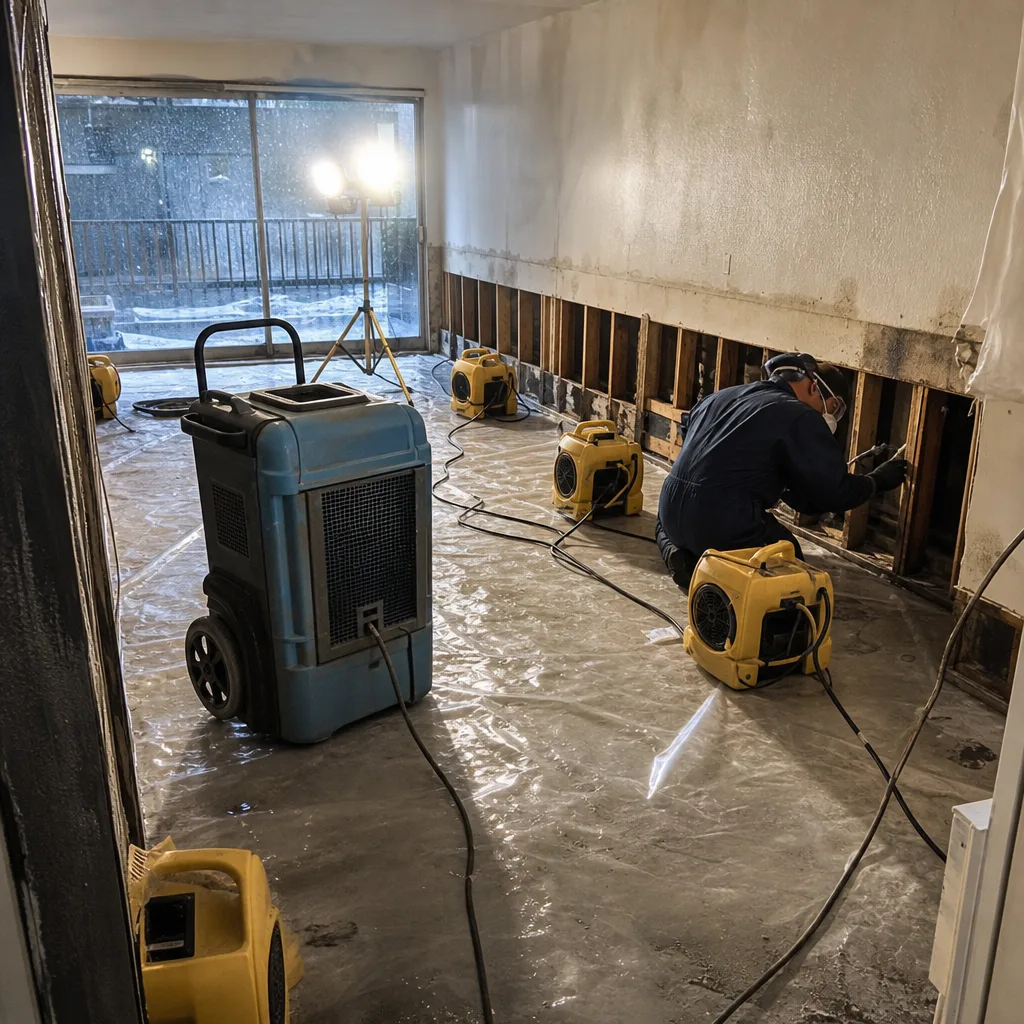
This distinction determines whether your restoration project needs a permit, and it’s the most common point of misclassification we see in Redondo Beach files.
Like-for-like replacement means removing and reinstalling the same material in the same location without altering dimensions, structure, or utility connections. Examples: replacing a water-damaged section of drywall with identical 5/8″ Type X in the same stud bay; swapping a smoke-damaged outlet cover with an identical cover; reinstalling baseboards removed for drying access.
Permit-required repair involves any modification to the building’s structure, systems, or approved use. Examples: relocating an outlet 18 inches to accommodate new cabinetry; replacing drywall and discovering rotted framing that requires sistering; upgrading from standard to moisture-resistant drywall in a bathroom (material change); any work that alters the means of egress or fire rating of an assembly.
The trap for homeowners: contractors sometimes perform permit-required work under the guise of like-for-like replacement to avoid permit costs and inspection delays. The savings disappear when the unpermitted work is discovered.
We’ve reviewed competitor estimates where “drywall replacement” concealed electrical relocation, plumbing modification, and structural sistering. The estimate was $800 lower than our permitted scope. The homeowner’s cost to retro-permit and correct the work two years later: $4,200. Haven Standard, Clause 1 exists to prevent this. Our written price before work begins itemizes every task and flags permit requirements explicitly. No scope-creep additions once the crew is inside.
Redondo Beach inspectors are particularly attentive to kitchen and bathroom restorations, where water losses commonly trigger multiple trade permits. A typical South Redondo condo water loss from an upstairs unit can involve plumbing (source repair), electrical (damaged GFCI circuits), and building (drywall, tile, cabinet modification) permits. A contractor who treats this as “water damage cleanup” is either misinformed or misrepresenting.
What Final Inspection Sign-Off Adds to Your File
A final inspection sign-off is more than bureaucratic closure. In the context of insurance restoration, it’s the document that answers the adjuster’s unasked question: was this work completed to code?
Insurance policies cover “like kind and quality” restoration, not unpermitted construction. When a claim involves structural repairs, electrical, plumbing, or mold remediation, the carrier’s file review often includes a question about permit compliance. A closed permit with final inspection documentation preempts that question entirely.
Here’s what the sign-off adds to your restoration file:
- Code compliance verification: An independent municipal inspector has verified that work meets current California Building Standards Code, not just contractor assertion.
- Warranty protection: Manufacturer warranties for materials (drywall, insulation, electrical components) often require code-compliant installation. Unpermitted work can void these warranties.
- Title clearance: Property records in Redondo Beach are digitized and searchable. Unpermitted work creates a cloud on title that surfaces in refinancing, sale, or estate transfer.
- Insurance continuity: Future claims on the same property can be complicated by prior unpermitted work. A clean permit history simplifies underwriting.
- Dispute resolution: In the rare case of defective work, a passed inspection creates a baseline of professional standard that supports legal recourse.
We include permit status in every DryMark Restoration Redondo Beach home project summary. If permits were required, the closed permit number appears in the file. If no permits were required, we document why, citing the specific exemption. This isn’t extra service. It’s standard documentation under The Haven Standard.
For Water Damage Restoration in Redondo Beach projects that extend to reconstruction, we coordinate inspection scheduling as part of project management. The homeowner doesn’t call the city. We do. The inspector’s sign-off becomes part of the photo-documented record delivered at project completion.
Sewage Losses: Dual Jurisdiction in Redondo Beach
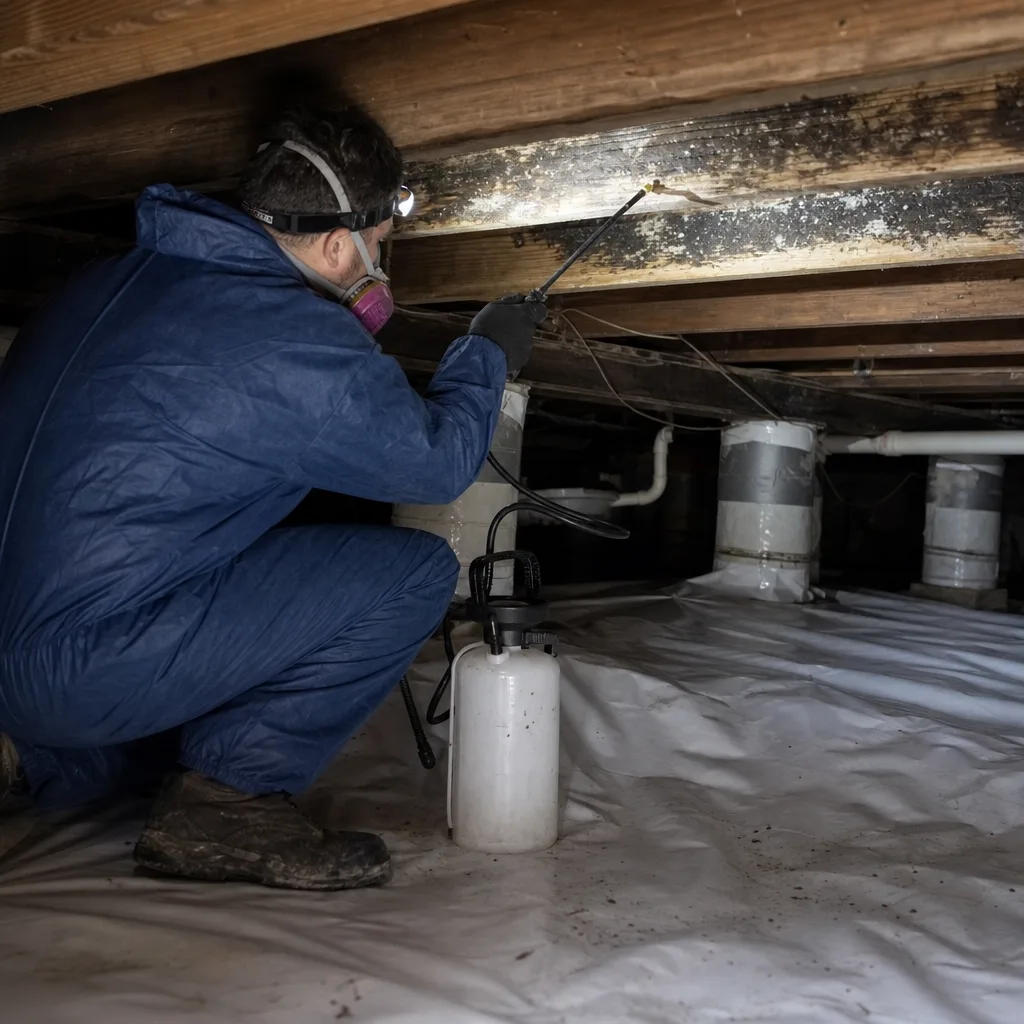
Category 3 water losses, sewage backups and overflows trigger a specific regulatory complexity in Redondo Beach: dual jurisdiction between the City Building & Safety Division and the Los Angeles County Department of Public Health.
The city regulates the building repair: drywall, flooring, structural drying, reconstruction. The county regulates the health hazard: contamination assessment, disinfection protocols, waste disposal, and occupancy clearance. Both must sign off before the property is formally cleared.
Here’s how the timeline typically works:
- Day 0-1: Emergency response. Water extraction, contamination removal, initial disinfection. No permits required for emergency mitigation, but county health notification is required within 24 hours for Category 3 losses affecting multiple units or common areas.
- Day 1-3: Assessment and documentation. Moisture mapping, contamination delineation, material classification for disposal. We use FLIR thermal imaging and penetrating moisture meters to document the full extent. This documentation serves both city and county reviewers.
- Day 3-5: Permit applications submitted to Redondo Beach Building & Safety. County health plan submitted simultaneously if required. For multi-unit buildings, county involvement is mandatory; for single-family homes, it varies by spill volume and proximity to groundwater.
- Day 5-15: Demolition and remediation under permit. Daily photo documentation. County health inspector may visit mid-project to verify disinfection protocols.
- Day 15-20: Final inspections. City inspector verifies structural and trade work. County inspector verifies contamination clearance through ATP testing or cultural sampling.
- Day 20+: Both sign-offs received. Documentation package delivered to homeowner and adjuster.
The dual jurisdiction adds 5-10 days to a typical sewage restoration timeline compared to a clean water loss. Contractors who don’t account for this in their scheduling create two problems: rushed work that fails inspection, or extended displacement costs that insurers dispute.
We’ve handled sewage losses in the Redondo Beach Marina area where groundwater proximity triggered additional county environmental health oversight. The documentation requirements expanded to include soil sampling and groundwater monitoring. A contractor unfamiliar with South Bay coastal geology wouldn’t have anticipated this. Our project manager, assigned from day one, identified the requirement in initial assessment and built it into the written scope and timeline.
Documentation Standards That Satisfy Adjusters and Inspectors
The gap between what contractors do and what they document is where claims fail. We’ve built our entire operation around closing that gap.
Every DryMark Restoration Redondo Beach project produces four standard documents:
- Written Scope and Price: Delivered before work begins, itemized by room and task. Haven Standard, Clause 1. No exceptions.
- Photo Record: Every visit, every phase. Date-stamped, geotagged, uploaded to a shared folder the homeowner and adjuster can access. Not an upsell. Standard.
- Daily Moisture Log: Psychrometric data recorded with calibrated meters. Temperature, relative humidity, specific humidity, vapor pressure differential, and moisture content readings for each affected material. This is the evidence that proves drying completion and justifies equipment rental charges.
- 365-Day Done Right Promise: Signed warranty under The Haven Standard, not a verbal assurance. If it’s not done right, we make it right.
For permit-required work, we add two documents:
- Permit Application and Approval: Copy of the approved permit, posted on-site as required.
- Inspection Reports: Rough and final inspection sign-offs, with corrections noted and resolved.
The moisture log deserves particular attention because it’s where most restoration documentation falls short. Psychrometric data, the measurement of air and material moisture relationships, tells us when a structure is dry, not just when it feels dry. Vapor pressure differential, the force that drives moisture from wet materials to dry air, determines whether our Dri-Eaz and Phoenix dehumidification systems are configured correctly for Redondo Beach’s coastal conditions. We record this data daily because it’s the difference between a paid claim and a disputed invoice.
When we document to IICRC, RIA, and IFA standards, we’re not checking boxes. We’re creating a file that answers questions before they’re asked. An adjuster reviewing our documentation sees a complete narrative: what was damaged, how we measured it, what we did, how we verified completion, and what third-party inspection confirmed. That narrative gets paid. Incomplete documentation gets questioned, delayed, or denied.
Permit Costs and Timelines in the South Bay
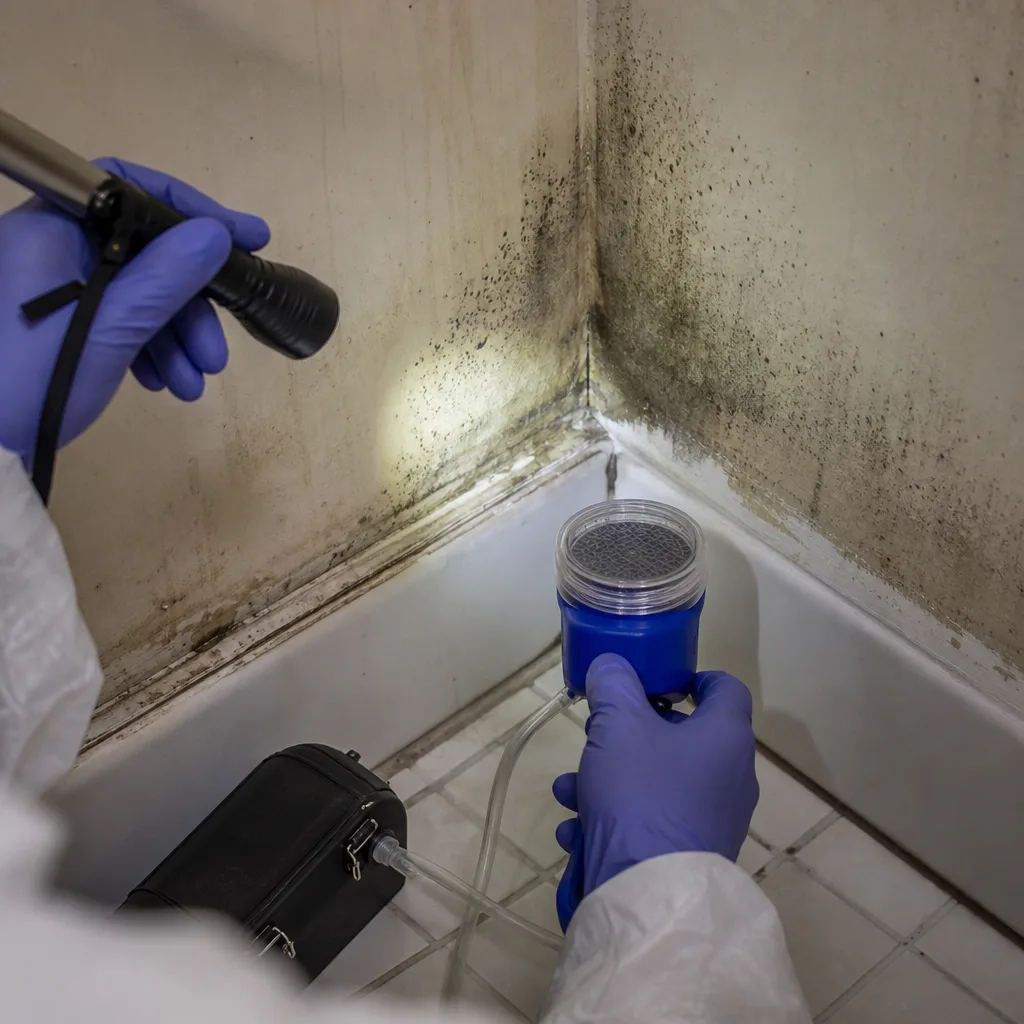
Permit costs vary by jurisdiction and project scope. Here’s what Redondo Beach homeowners typically encounter:
| Permit Type | Typical Fee Range | Timeline | Inspections Required |
|---|---|---|---|
| Emergency Repair | $150 – $400 | Same day to 24 hours | 1 (post-work verification) |
| Standard Building (minor repair) | $300 – $800 | 5-10 business days review | 2 (rough, final) |
| Standard Building (major repair) | $800 – $2,500 | 10-15 business days review | 2-3 (rough, insulation, final) |
| Electrical Only | $150 – $400 | 2-5 business days | 1-2 |
| Plumbing Only | $150 – $500 | 2-5 business days | 1-2 |
| Mold Remediation Notification | $0 – $150 | Same day notification | 1 (post-abatement clearance) |
These fees are typically passed through to the homeowner or insurer as a line item. Some contractors absorb permit costs to present a lower bid. We itemize them explicitly in our written scope. Transparency is the point of Haven Standard, Clause 1.
Timeline impacts are real. A standard building permit in Redondo Beach takes 5-10 business days for plan review. During peak construction season (March through October), that can extend to 15 days. For homeowners displaced by water or fire damage, every day matters. We mitigate this by:
- Submitting complete permit packages with photos and detailed scopes, reducing back-and-forth with plan checkers
- Using emergency repair permits when conditions qualify, allowing work to begin immediately
- Scheduling inspections at rough and final stages to minimize homeowner disruption
- Coordinating with adjusters to document timeline impacts for additional living expense coverage
Neighboring cities differ. Torrance’s online permit system moves faster for simple electrical and plumbing permits. Manhattan Beach requires in-person submission for most building permits. Hermosa Beach has streamlined mold remediation notification. A contractor working across the South Bay needs to know these distinctions. We do. Every project manager at DryMark Restoration Redondo Beach carries jurisdiction-specific checklists updated quarterly.
Common Mistakes to Avoid
- Assuming emergency work never needs permits. Emergency mitigation (water extraction, drying) usually doesn’t. But emergency repairs that alter structure or systems often do. The transition point catches homeowners off guard.
- Accepting a verbal permit status. Always request the permit number and verify it on the city’s online portal. We’ve encountered contractors who claimed permits were “in process” when no application had been submitted.
- Letting the contractor choose the jurisdiction. Work in Redondo Beach requires a Redondo Beach permit, not a county or neighboring city permit. Wrong jurisdiction means no valid inspection and potential redo.
- Ignoring mold notification requirements. Even when a full building permit isn’t required, mold remediation above 10 square feet typically requires notification. Skipping this creates liability if health issues arise later.
- Not documenting permit status for insurance. Your adjuster may not ask about permits during initial claim processing, but reserve reviewers and special investigation units do. Include permit documentation in your initial submission.
- Paying in full before final inspection. Haven Standard, Clause 1 includes payment terms tied to documented completion. Final payment should follow final inspection sign-off, not precede it.
- Assuming like-for-like replacement covers everything. In Redondo Beach’s older housing stock, particularly in the Avenues and El Nido neighborhoods, “like-for-like” often isn’t possible due to discontinued materials or updated code requirements. What starts as replacement becomes repair mid-project.
When to Call a Professional
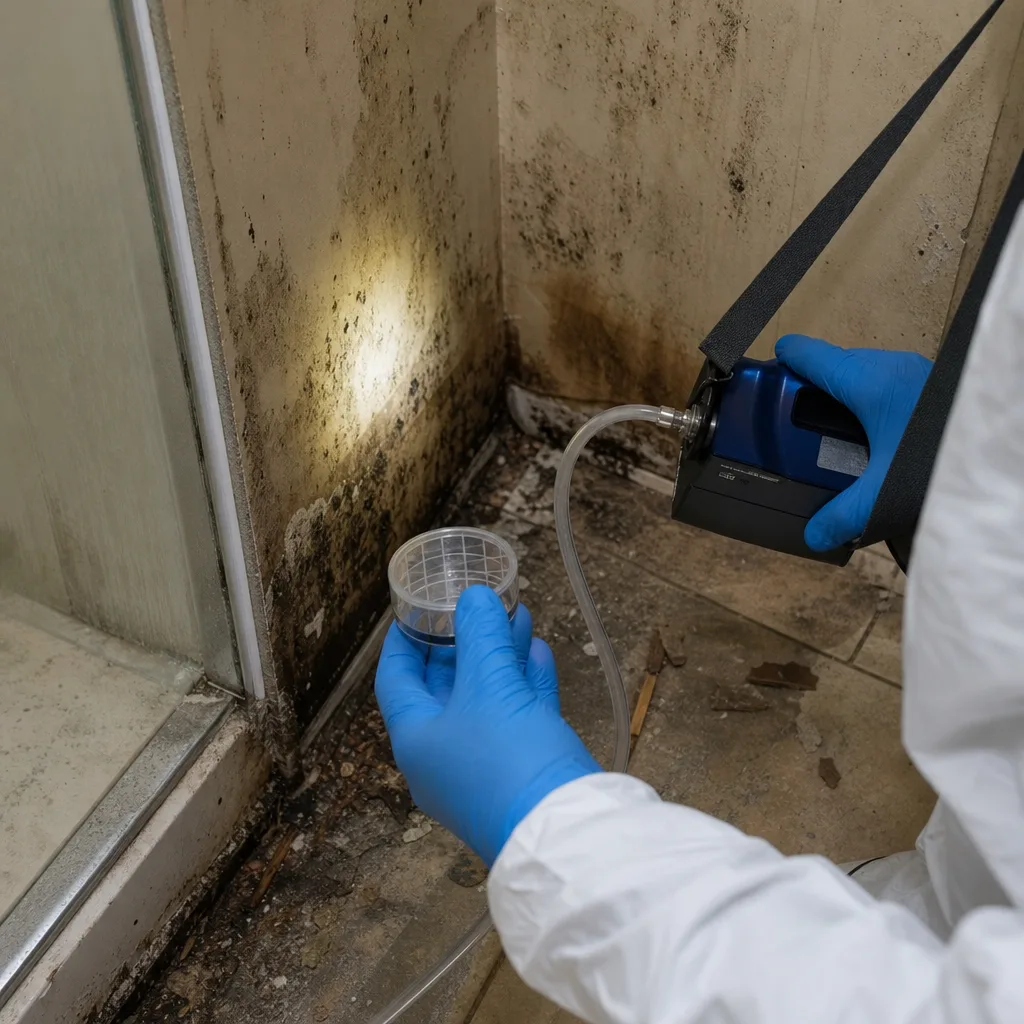
Call a professional when your loss involves structural damage, electrical or plumbing systems, mold visible on more than a small patch, or any Category 3 contamination. Our How to Hire a Damage Restoration Contractor in Redondo Beach: A Step-by-Step Guide walks you through vetting and selection. The permit and documentation complexity exceeds what most homeowners can navigate while also managing displacement and insurance claims.
Specifically in Redondo Beach, professional involvement is warranted when:
- Water has affected multiple rooms or traveled between floors
- Any electrical outlet, switch, or panel has been wet
- Mold is visible and you cannot identify the moisture source with certainty
- The loss originated from a common area in a multi-unit building
- Sewage or Category 3 water is involved
DryMark Restoration Redondo Beach offers free estimates in Redondo Beach. Every estimate includes a written scope, a permit assessment, and a documented photo record starting with our first visit. Call (424) 375-7225. If you have a competitor’s written estimate, we’ll review it at no charge. Free Second Opinion, Haven Standard, Clause 2. Explore more guides & resources on protecting your Redondo Beach property.
Frequently Asked Questions
No. Emergency water extraction, structural drying, and dehumidification typically do not require permits. Permits become necessary when the restoration extends to structural repairs, electrical or plumbing work, drywall replacement beyond minor patching, or mold remediation above 10 square feet. The specific threshold is set by your city, not the state. Call (424) 375-7225 for a free permit assessment on your specific loss.
Request the permit number and verify it on the City of Redondo Beach Building & Safety online portal. Confirm the permit address matches your property, the scope description covers the work being performed, and the contractor’s license number appears on the application. At DryMark Restoration Redondo Beach, we provide permit documentation as a standard deliverable, not upon request.
Most standard homeowners policies cover “reasonable and necessary” costs to restore the property to pre-loss condition, which includes permit fees for code-compliant repairs. Coverage disputes arise when work is unpermitted and the insurer questions whether repairs were necessary or properly performed. Documented permits prevent this dispute. We coordinate directly with adjusters to include permit costs in the written scope.
Unpermitted work can create title encumbrances, complicate future insurance claims, void material warranties, and require costly correction. In Redondo Beach, digitized property records make unpermitted work discoverable by title companies, appraisers, and buyers’ inspectors. The cost to retro-permit typically exceeds original permit fees by 200-400%.
Most residential mold remediation projects in Redondo Beach require 3-7 days of active work, plus 2-5 days for third-party clearance sampling and results. Timeline extends if permits are required, if the moisture source is difficult to locate, or if dual jurisdiction applies (common in multi-unit buildings). Coastal humidity can extend drying phases. We provide written timelines with every scope.
We do. Every DryMark Restoration Redondo Beach project includes adjuster coordination as standard service. We provide permit documentation, inspection reports, and the photo-documented record directly to your adjuster’s file. This is the documentation-first approach that turns restoration invoices into payable claims. Call (424) 375-7225 to discuss your specific situation.
The Bottom Line
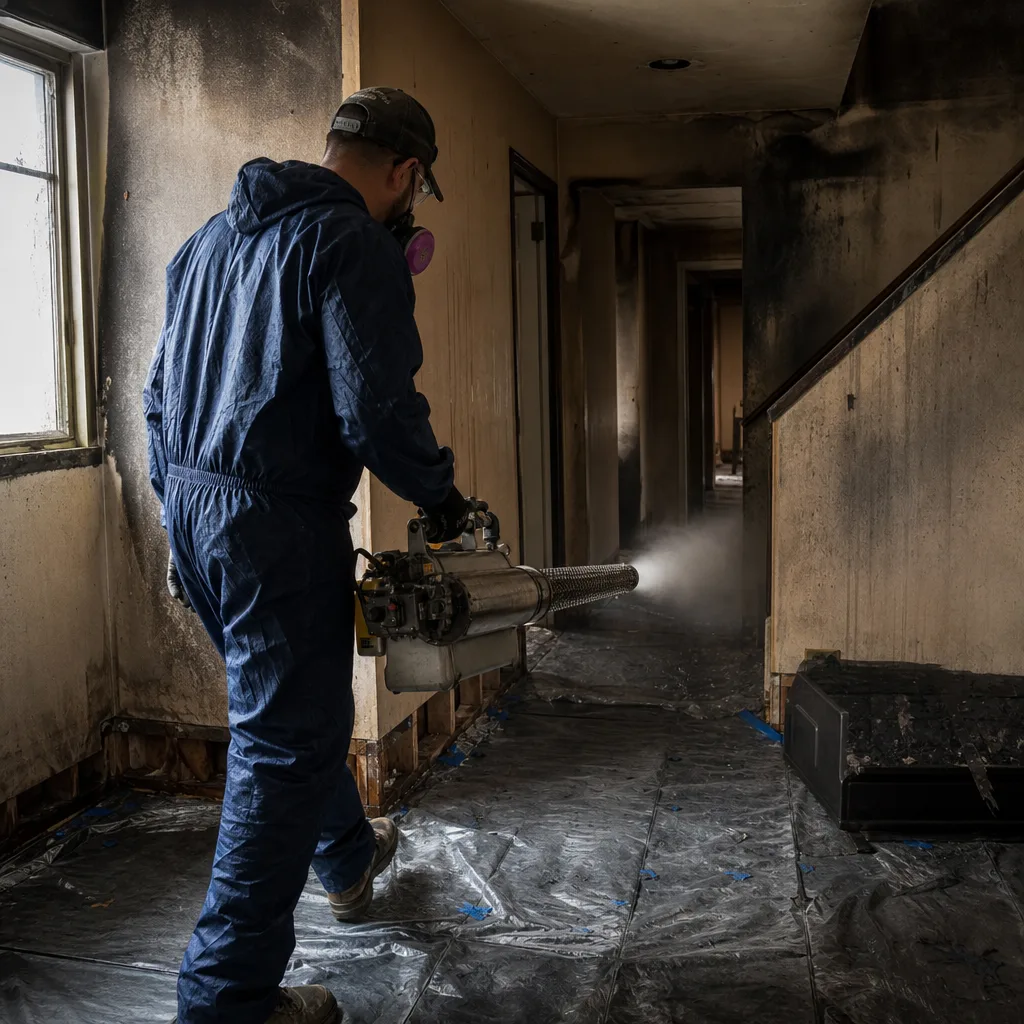
California restoration permits are not optional extras for remodels. They’re mandatory checkpoints for structural repairs, system work, and mold abatement that protect your property value, insurance coverage, and legal liability. The cost of proper permitting is modest. The cost of skipping it, measured in retro-permit fees, delayed sales, denied claims, and repeated work, is not. In Redondo Beach’s competitive real estate market, clean documentation is an asset. Start with a written scope that names every permit requirement explicitly. End with a signed inspection report in your file. Everything between is execution, and execution without documentation didn’t happen.
Written by Alicia Brennan, Owner at DryMark Restoration Redondo Beach, serving Redondo Beach since 2011.