
Last updated September 23, 2026
Free visual inspection and a written scope of work before any mitigation begins - photos, moisture readings, and drying logs go in your claim file
The scope we write is the scope we bill. Anything new gets shown to you, in writing, before we touch it.
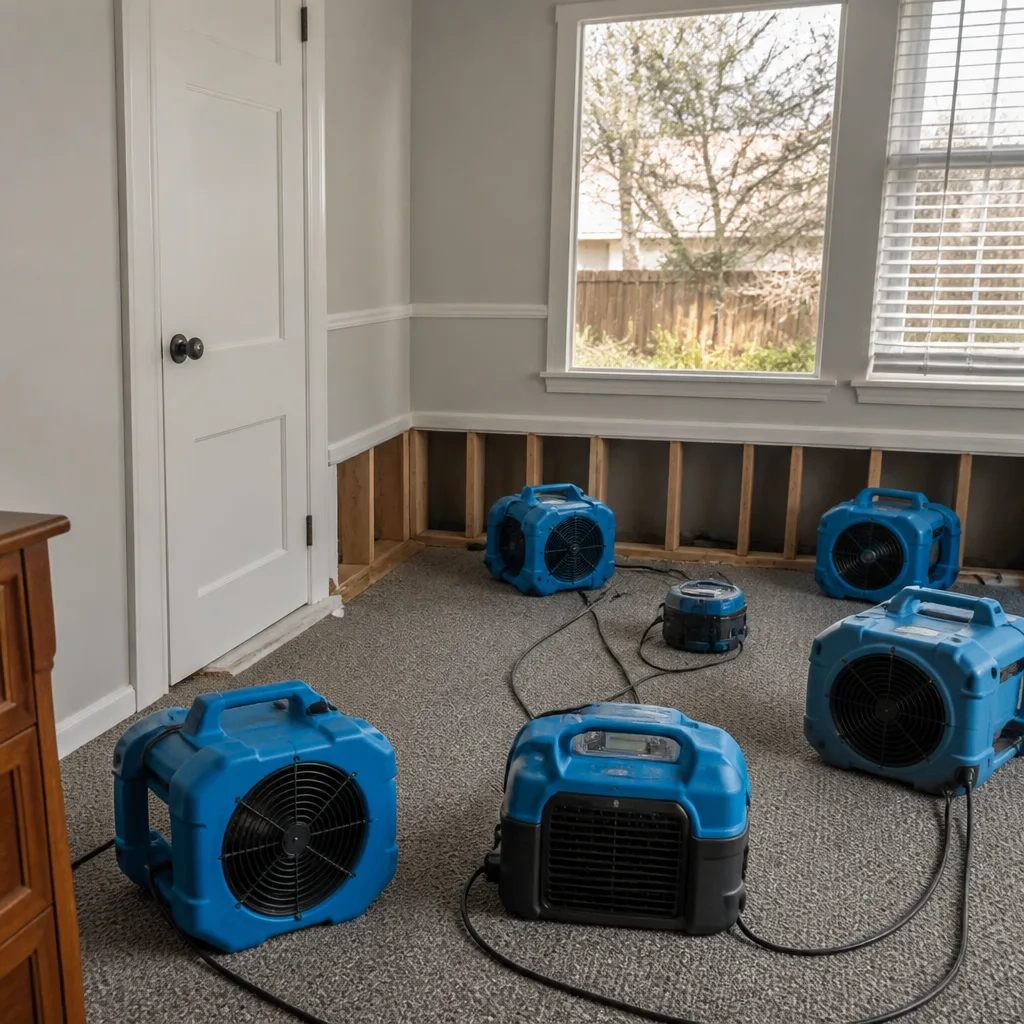
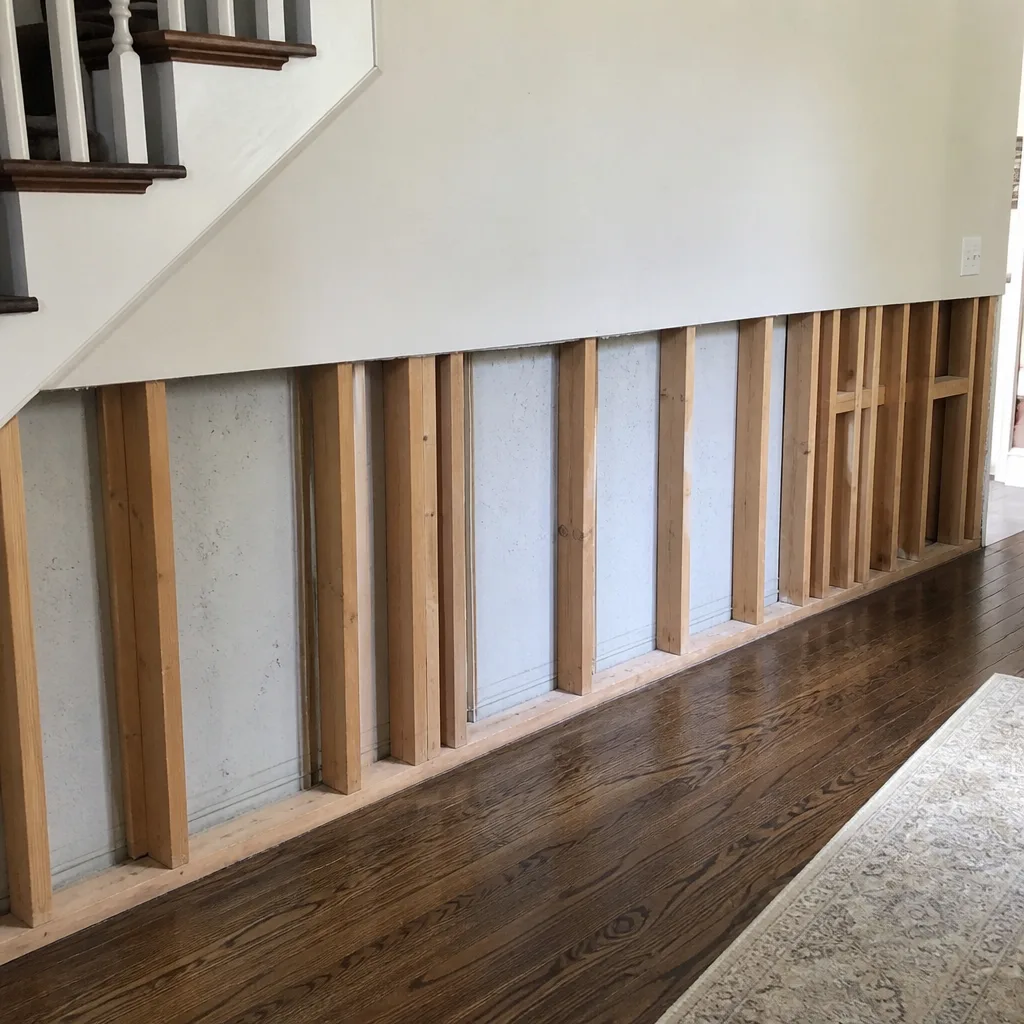
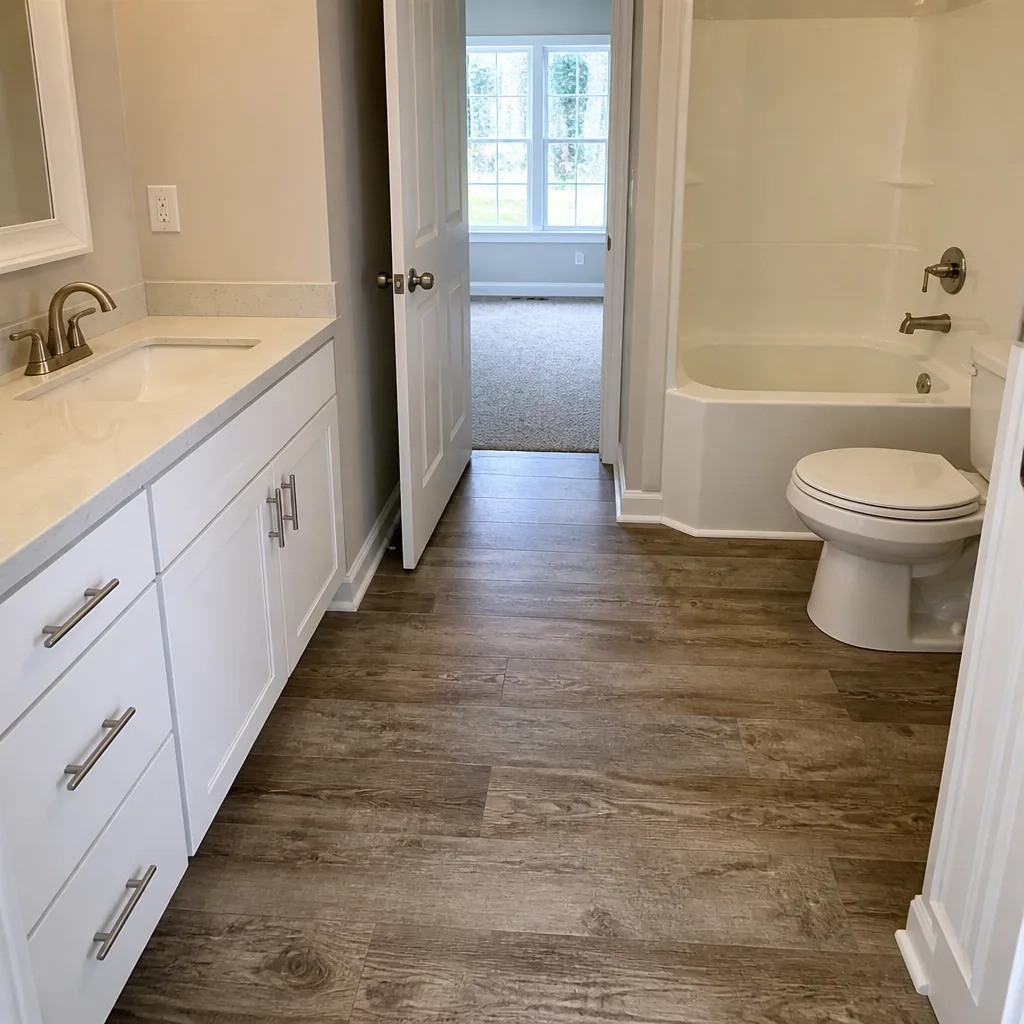

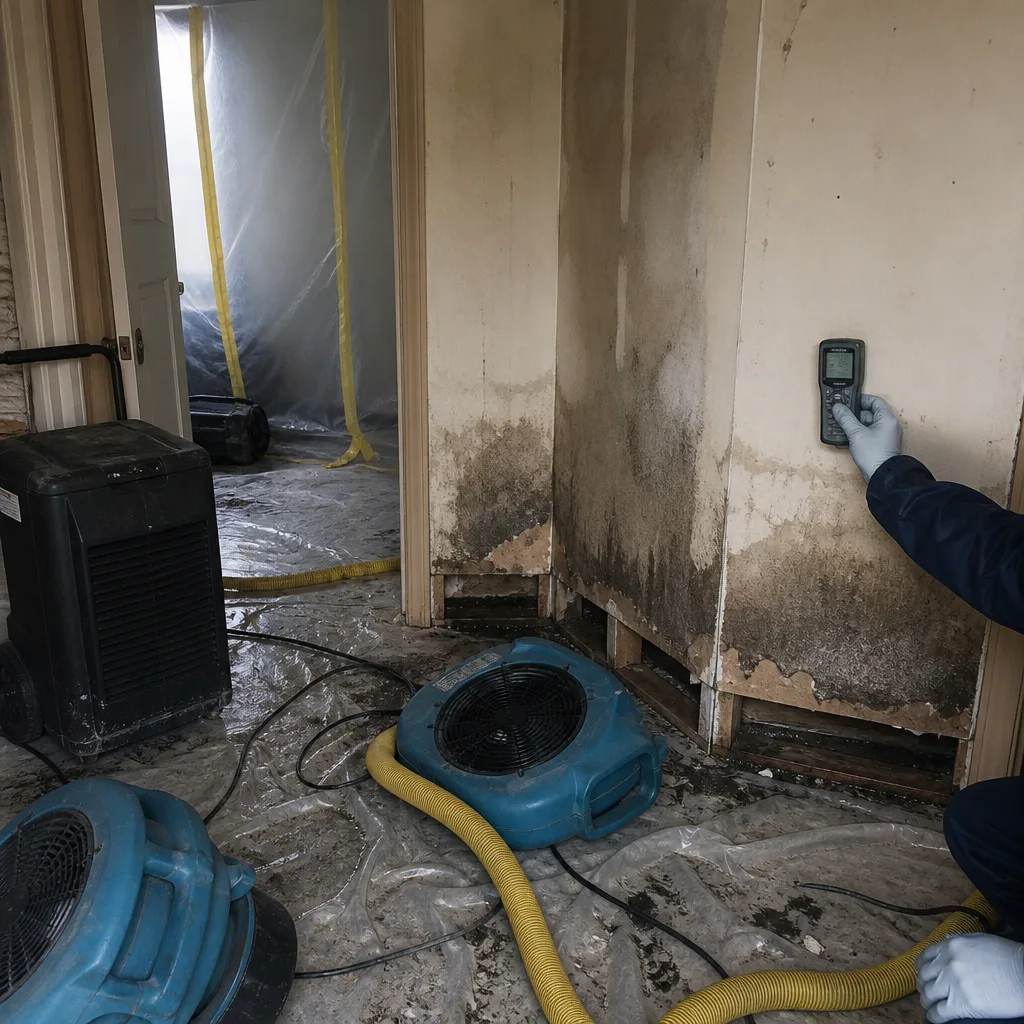 Before
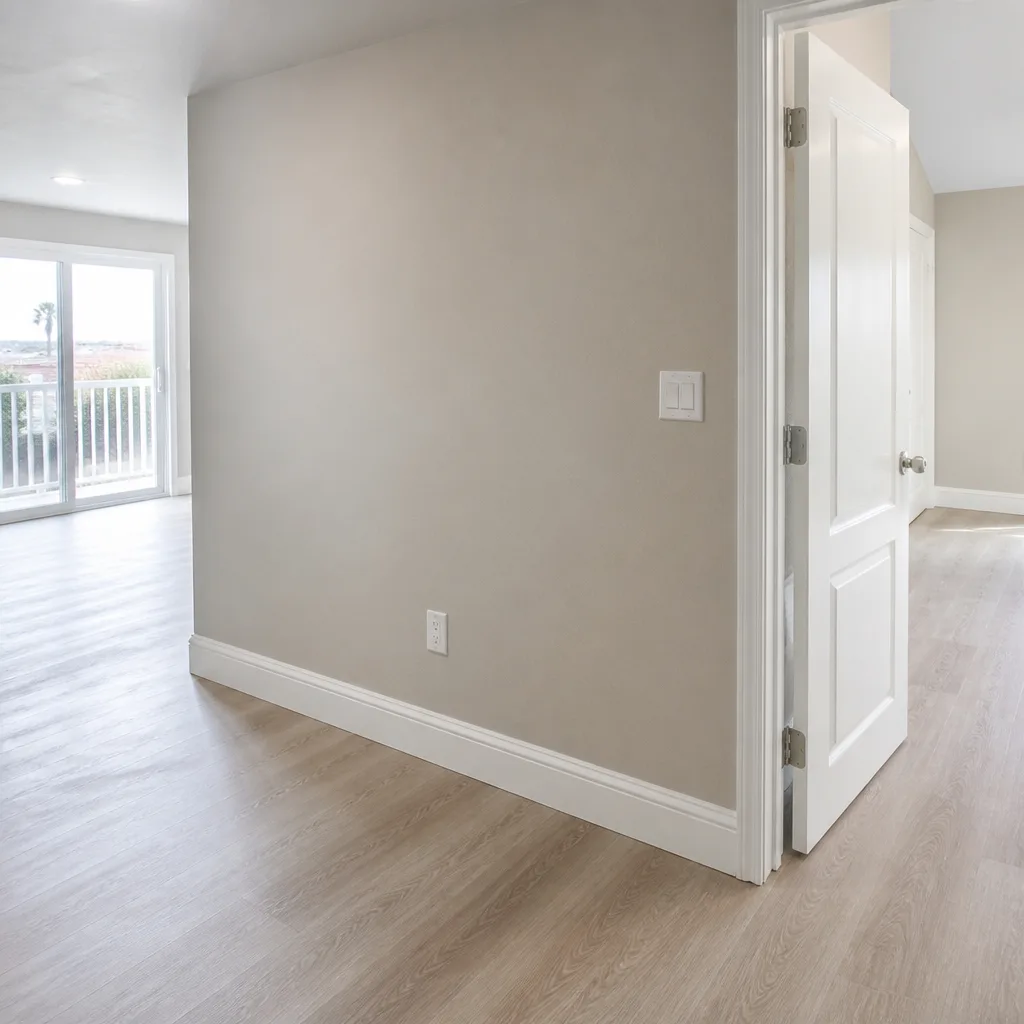 After
After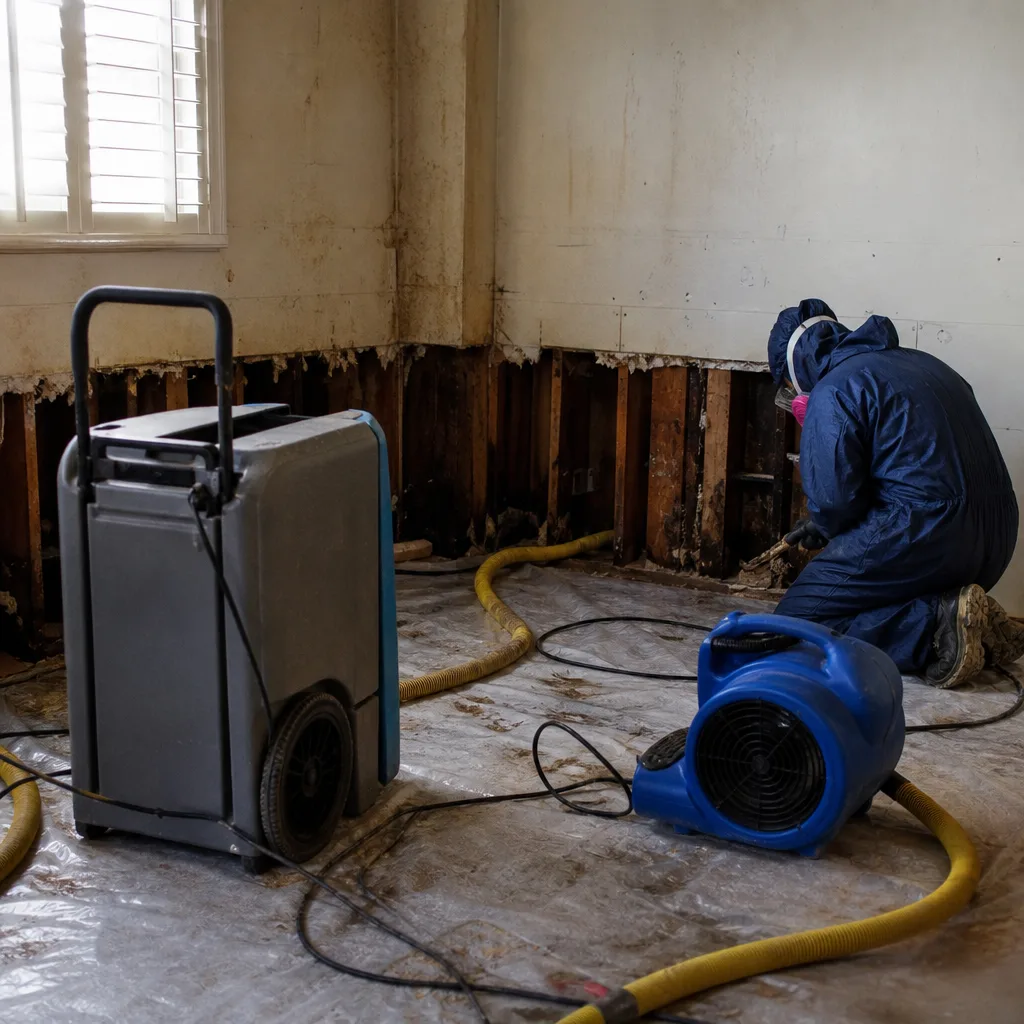 Before
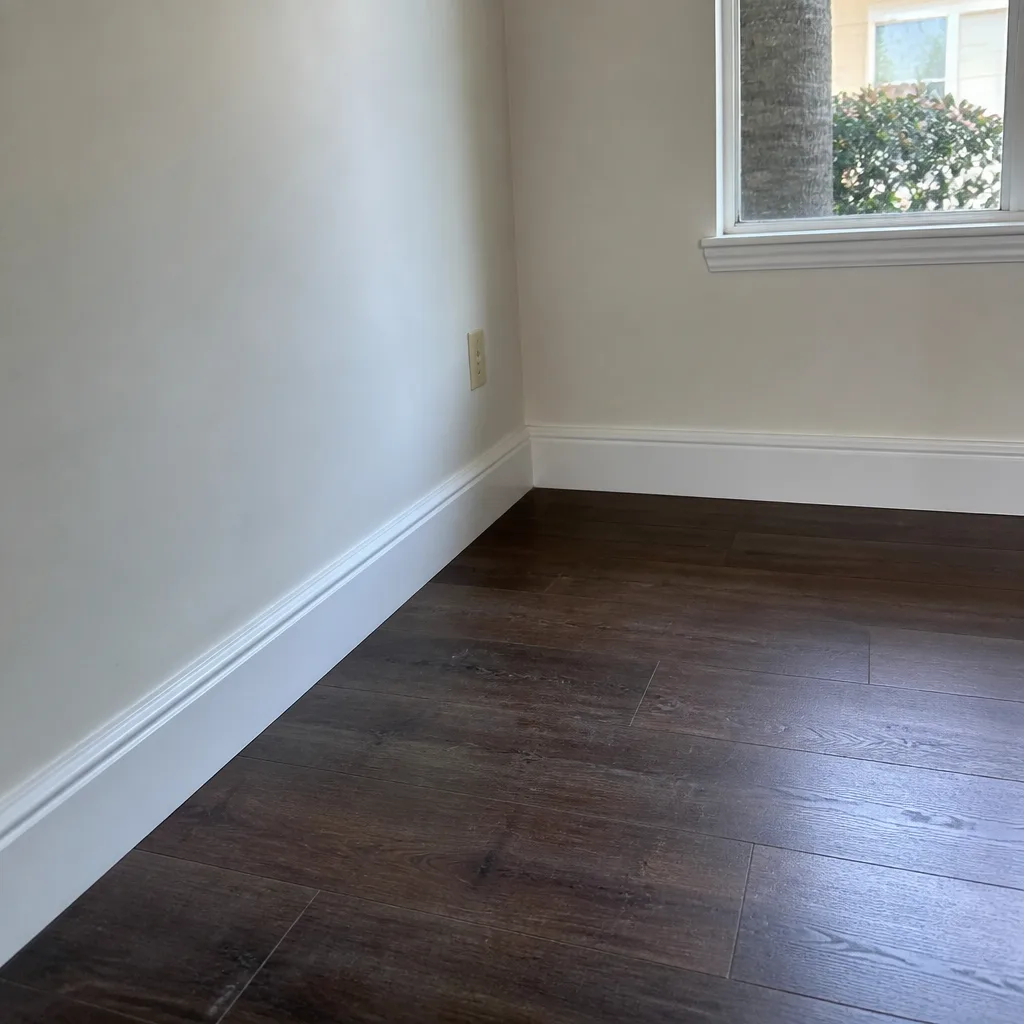 After
After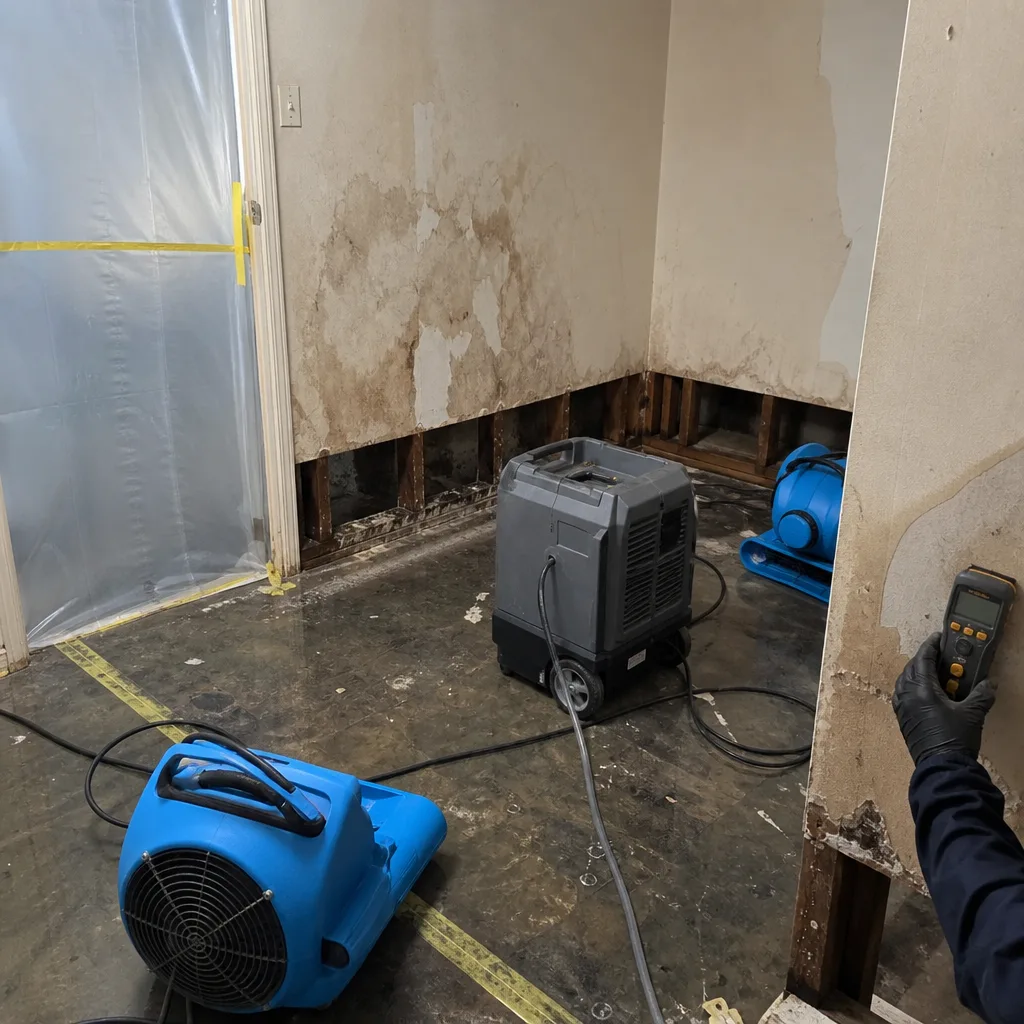 Before
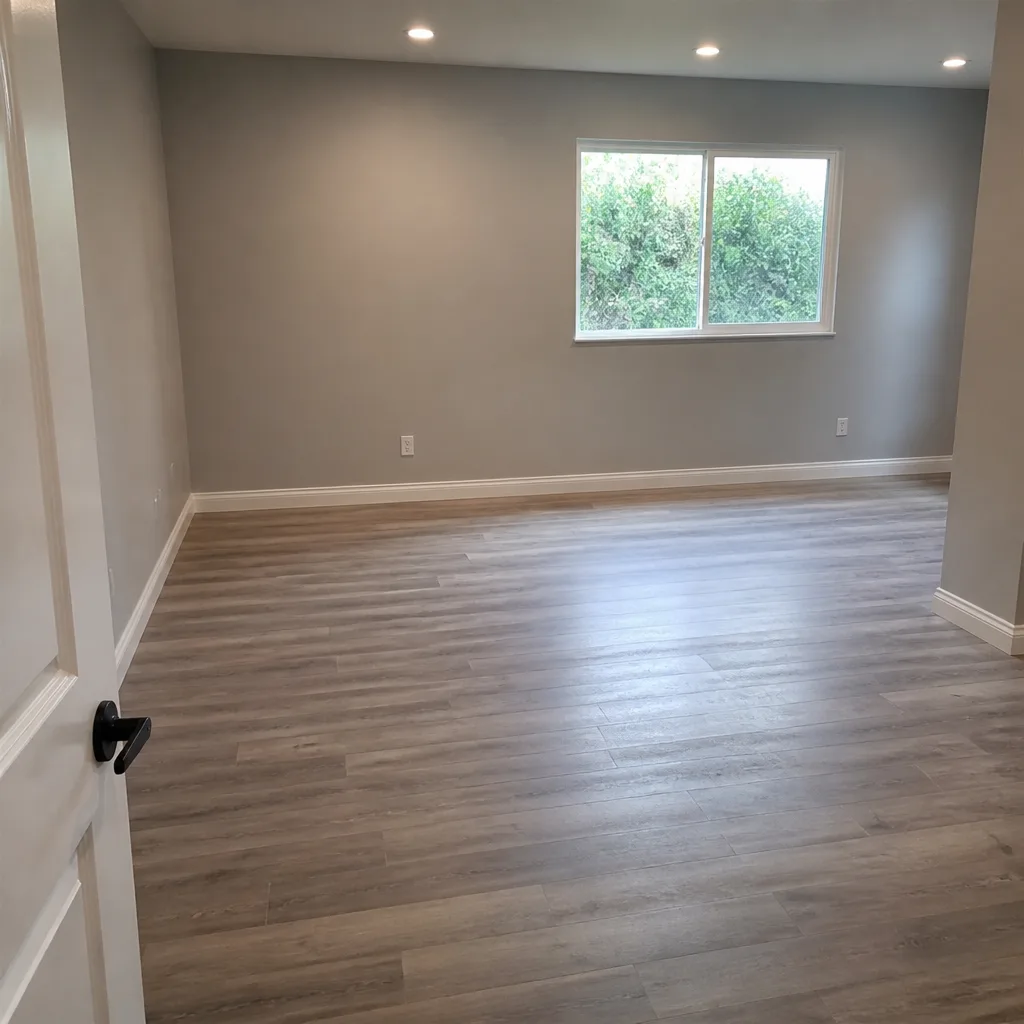 After
AfterDamage Restoration Warning Signs: A Redondo Beach Homeowner’s Reference Guide
A musty odor in a Redondo Beach home is not an aesthetic problem. It’s a measurable data point. At detectable levels, microbial off-gassing (microbial volatile organic compounds, or mVOCs) indicates active fungal growth, which California’s CDPH guidelines classify as a health hazard, not a cosmetic issue. Most warning sign guides describe what damage looks like after it’s visible. This guide focuses on the earlier, measurable signals - specific odor profiles, humidity readings, and structural deflection measurements - that appear weeks before staining or soft drywall, when intervention costs a fraction of remediation. In Redondo Beach’s coastal climate, where marine layer moisture and clay soil expansion create unique risk patterns, catching these signals early can mean the difference between a $400 dehumidification call and a $14,000 mold remediation.
Quick Answer
The earliest damage restoration warning signs in Redondo Beach homes are measurable, not visible: sustained humidity above 60% RH, musty or earthy mVOC odors, condensation on cool surfaces, and paint blistering with uniform bubble patterns. These signals typically precede visible staining by 2-8 weeks. A $30 consumer hygrometer and a simple odor log can catch problems at the humidity stage, when drying costs roughly $400-$900, versus the $8,000-$15,000 range for full mold remediation once staining appears.
Table of Contents
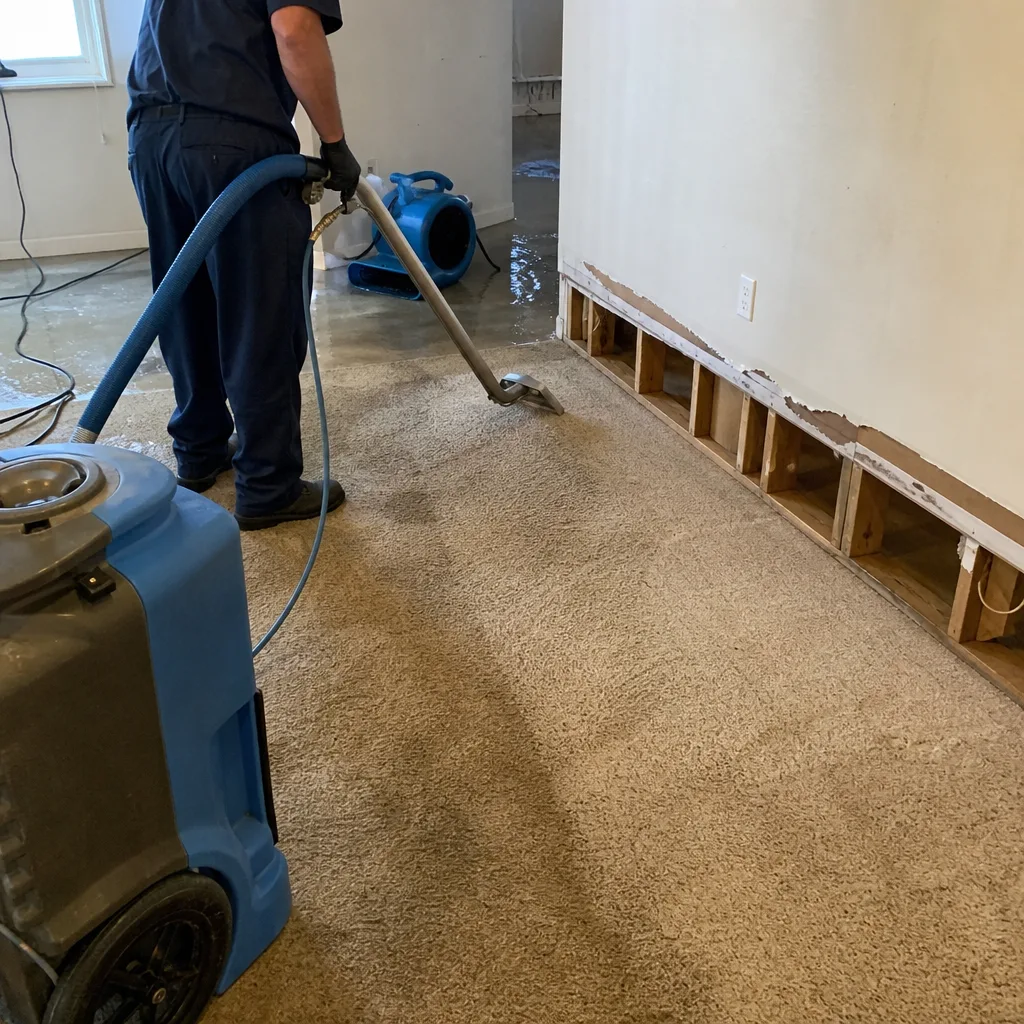
- The Four-Stage Warning Progression: From Humidity to Visible Damage
- Redondo Beach Structural Warning Signs: Clay Soil and Coastal Moisture
- How to Use a Consumer Hygrometer: When 60% RH Is the Red Line
- Paint Behavior as a Moisture Indicator: Reading the Blisters
- What Insurers Classify as ‘Long-Term Neglect’ - and How Documentation Changes the Answer
- Room-by-Room Warning Sign Checklist
- Common Mistakes to Avoid
- When to Call a Professional
- Frequently Asked Questions
 Before
 After
AfterThe Four-Stage Warning Progression: From Humidity to Visible Damage
Damage in Redondo Beach homes rarely arrives overnight. It accumulates through four distinct stages, each with its own intervention window and cost profile. Understanding this progression is the single most valuable skill a homeowner can develop, because the cost curve is steep and the timeline is predictable - a topic we explore in depth in our DIY vs Professional Damage Restoration: The Redondo Beach Homeowner’s Decision Guide.
Stage 1: Elevated Humidity (Sustained Above 60% RH)
Relative humidity above 60% sustained for 48-72 hours creates the conditions for secondary damage. In Redondo Beach, this threshold is especially relevant because the marine layer routinely pushes ambient humidity to 75-85% during May and June. Indoor humidity should not track outdoor humidity. If it does, your building envelope is failing.
Intervention cost: $400-$900 for targeted dehumidification and air movement using professional-grade equipment. At this stage, no materials are removed. A technician places desiccant or refrigerant dehumidifiers (Dri-Eaz or Phoenix units, typically) and establishes a drying goal of 30-50% RH within 72 hours.
Stage 2: mVOC Odor Detection (Microbial Volatile Organic Compounds)
mVOCs are the metabolic byproducts of active fungal growth. They smell musty, earthy, or like wet socks. The human nose detects mVOCs at remarkably low concentrations - often below 1 part per billion. If you smell it, growth is established.
In our experience across Redondo Beach homes, mVOC odor in a closet, bathroom, or behind furniture indicates that humidity has been elevated long enough for spore germination and colony formation. This typically takes 48-96 hours of sustained moisture, but can extend to 2-3 weeks in cooler, less ventilated spaces. The critical distinction: mVOC odor means the problem is no longer environmental. It’s biological.
Intervention cost: $1,200-$3,500 for containment, air filtration, and surface remediation. Materials may need selective removal.
Stage 3: Surface Condensation
Condensation on windows, toilet tanks, or cool wall surfaces indicates that the dew point has been reached inside the structure. In Redondo Beach, where slab-on-grade construction is common, condensation on garage floors or interior slab edges is a frequent early indicator of sub-slab moisture migration.
Intervention cost: $2,500-$6,000. At this stage, moisture mapping with thermal imaging is required to identify the source. The Water Damage Restoration in Redondo Beach process typically involves establishing containment, deploying negative air machines with HEPA filtration, and removing affected materials to expose the moisture front.
Stage 4: Visible Staining and Material Degradation
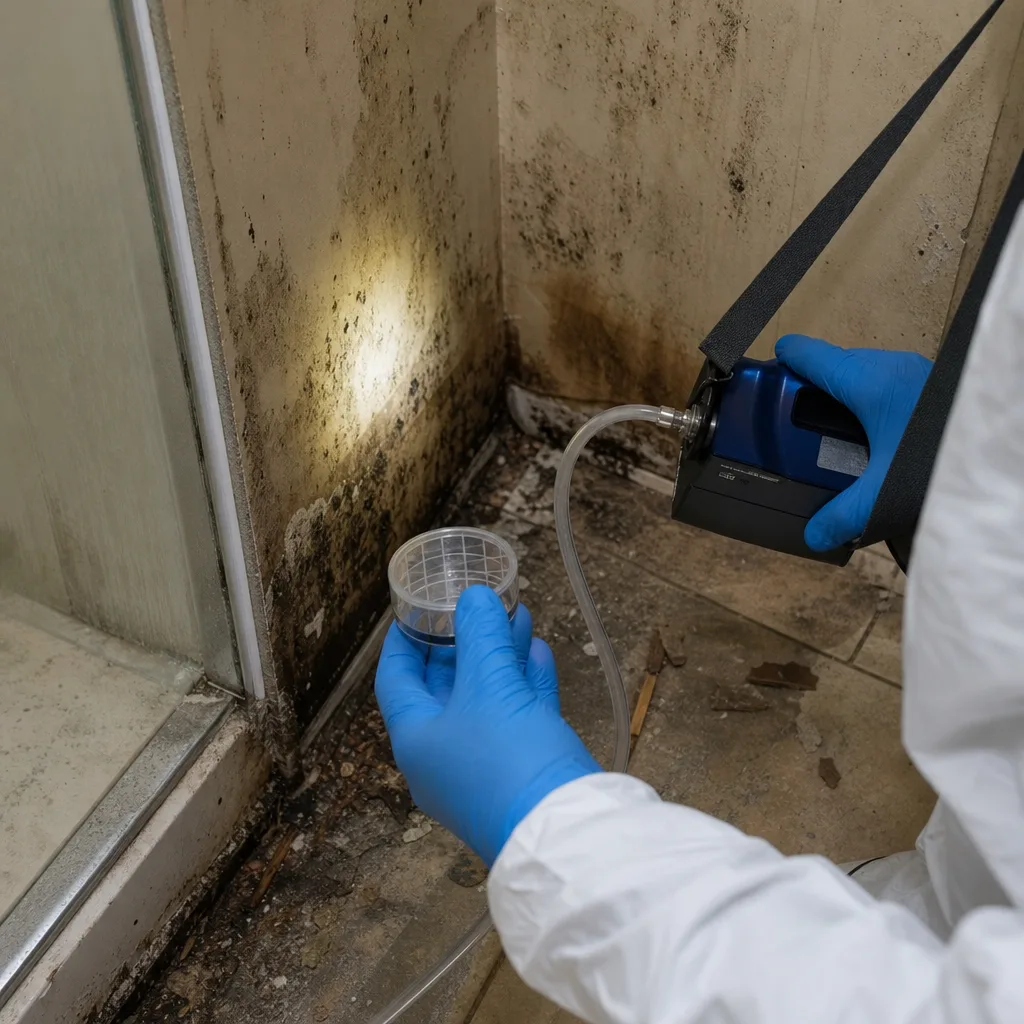
Water staining, drywall softening, and visible mold growth represent the end of the early-intervention window. The damage is now structural or health-regulated. California’s CDPH and local Redondo Beach enforcement classify visible mold growth exceeding 10 square feet as requiring professional remediation under containment protocols.
Intervention cost: $8,000-$15,000+ for full remediation, possible temporary relocation, and reconstruction. Documentation requirements intensify: IICRC-standard moisture logs, photo records on every visit, and written scopes before work begins - exactly the protocol we follow under The Haven Standard, and the same rigor we recommend when evaluating how to hire a damage restoration contractor in Redondo Beach.
| Stage | Signal | Typical Timeline | Intervention Cost |
|---|---|---|---|
| 1 | Humidity >60% RH sustained | Day 2-3 of moisture event | $400-$900 |
| 2 | mVOC odor (musty/earthy) | Day 3-14 | $1,200-$3,500 |
| 3 | Surface condensation | Week 2-4 | $2,500-$6,000 |
| 4 | Visible staining/growth | Week 4-12 | $8,000-$15,000+ |
Redondo Beach Structural Warning Signs: Clay Soil and Coastal Moisture
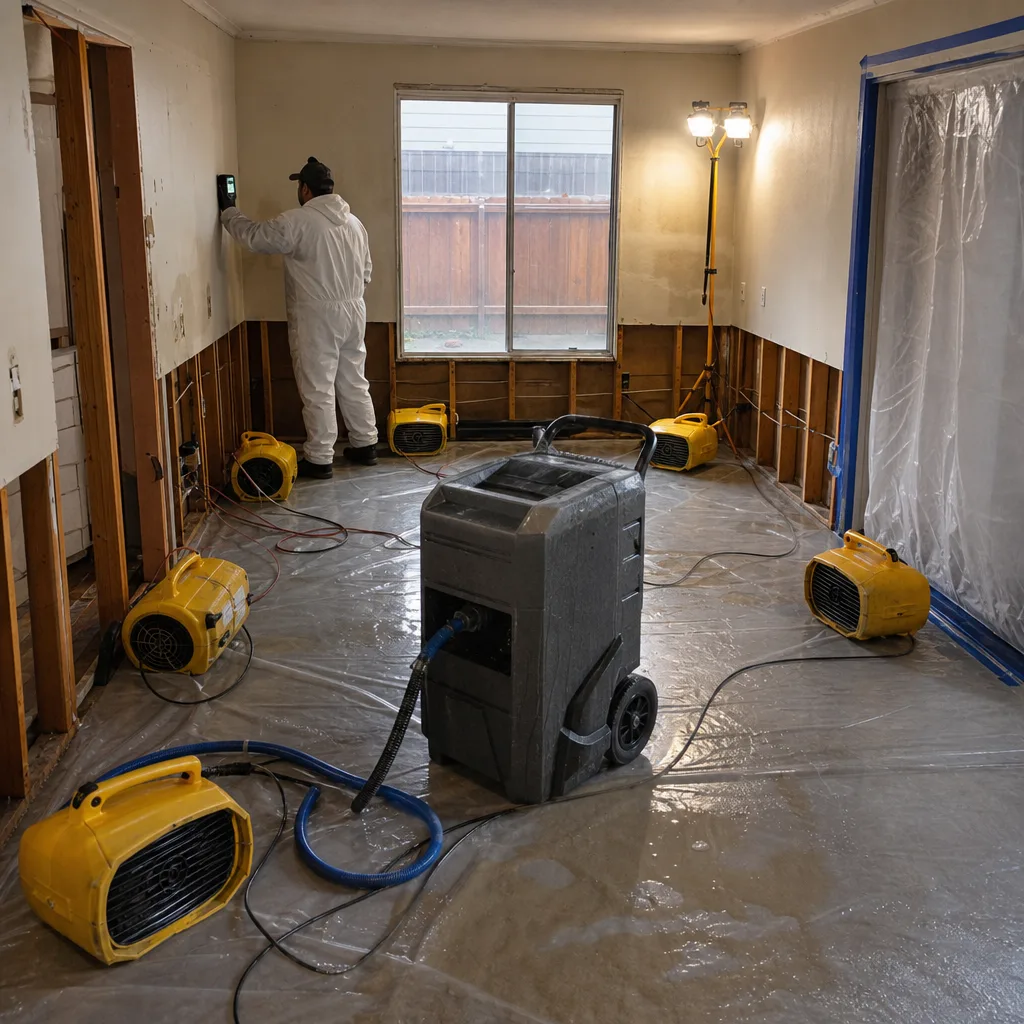
Redondo Beach sits on a geological formation that creates restoration risks rarely discussed in generic warning sign guides. The upper soil layer is predominantly clay, with high expansion potential. After extended dry periods - common in Southern California’s drought cycles - this clay shrinks and creates voids beneath slabs. When rain finally arrives, or when irrigation systems run heavily, the clay rehydrates and expands with significant force.
This expansion-contraction cycle produces two warning signs that homeowners in other markets rarely encounter:
Slab Moisture Without Pipe Failure
We’ve documented cases in the Riviera Village and South Redondo areas where clay soil expansion cracked copper supply lines beneath slabs, or created micro-fractures in slab joints that allowed groundwater to wick upward. The homeowner observes: damp carpet, tile efflorescence (white powdery deposits), or a humidity spike in a single room. No pipe has burst. No water heater has failed. The moisture is migrating through the slab itself.
The warning sign to watch: a humidity reading that stays elevated in one room despite normal readings elsewhere, especially in ground-floor rooms over slab. If that room also shows efflorescence at tile grout lines, or if baseboards are slightly darker at the bottom edge, sub-slab moisture migration is the likely cause.
Coastal Corrosion Patterns
Salt air accelerates corrosion on metal components that penetrate the building envelope. In Redondo Beach homes within a half-mile of the water, we’ve found galvanized pipe nipples deteriorating 40-60% faster than inland equivalents. The warning sign is not a leak. It’s a faint metallic or rusty odor near water heaters, hose bibs, or washing machine boxes, sometimes accompanied by a slight orange tint in initial water draw.
These corrosion points become future failure points. A homeowner who documents the odor and schedules preventive replacement avoids the emergency extraction call at 2 AM.
Foundation Movement Indicators
Clay soil expansion also produces subtle structural movement that creates water intrusion pathways. Stair-step cracking in stucco, doors that stick seasonally, or gaps between baseboard and floor that appear after rain - these are moisture warning signs disguised as structural issues. The gap or crack is the pathway; the moisture that follows is the damage.
In Redondo Beach specifically, the combination of marine layer humidity and clay expansion means these pathways stay wet longer than in drier inland markets. A crack that might self-dry in Riverside can remain damp for weeks here, long enough for Stage 2 mVOC production to begin.
How to Use a Consumer Hygrometer: When 60% RH Is the Red Line
A consumer-grade hygrometer costs $20-$40 and provides the earliest actionable data a homeowner can collect. The key is using it correctly, because timing and placement dramatically affect readings.
When to Take Readings
Relative humidity varies significantly through the day. In Redondo Beach, the marine layer typically pushes outdoor humidity to its peak between 5 AM and 9 AM. Indoor readings taken during this window will be 10-15% higher than afternoon readings, even in a healthy home. For comparable data:
- Take readings at the same time daily, ideally between 10 AM and 2 PM, after the marine layer has burned off but before afternoon cooling begins.
- Place the hygrometer at chest height, 3-4 feet from any wall, away from direct sunlight, vents, or windows.
- Allow 30-60 minutes for the sensor to acclimate before recording.
- Take readings in multiple rooms, especially: bathrooms, kitchens, laundry rooms, closets with exterior walls, and any room over slab.
Interpreting the Numbers
Here’s what the readings mean in Redondo Beach’s coastal context:
- 30-50% RH: Normal. No action needed.
- 50-60% RH: Elevated but not critical. Increase ventilation, check for hidden moisture sources, monitor daily.
- 60-70% RH sustained 48+ hours: Warning threshold. This is where professional dehumidification becomes cost-effective. At 65% RH, mold spore germination rates increase exponentially.
- 70%+ RH: Active damage conditions. Source investigation and professional drying required.
The critical distinction for Redondo Beach: a single reading of 65% RH at 7 AM during June marine layer conditions is not necessarily a warning. The same reading at 2 PM, sustained for three consecutive days, is. Context matters, and context is why we log readings rather than react to snapshots.
Building a Contemporaneous Log
For insurance purposes, a handwritten or digital log with date, time, room, and reading creates documentation that adjusters accept. The log should also note any odors observed, condensation observed, or changes in building conditions (new irrigation schedule, recent rain, HVAC service). This log becomes evidence if a later claim is disputed as “long-term neglect.”
We’ve used customer-maintained hygrometer logs in Redondo Beach claims to establish that a moisture event began on a specific date, transforming a potentially denied claim into a paid one. The Haven Standard requires our technicians to review any customer documentation at the initial assessment and incorporate it into the official file.
Paint Behavior as a Moisture Indicator: Reading the Blisters
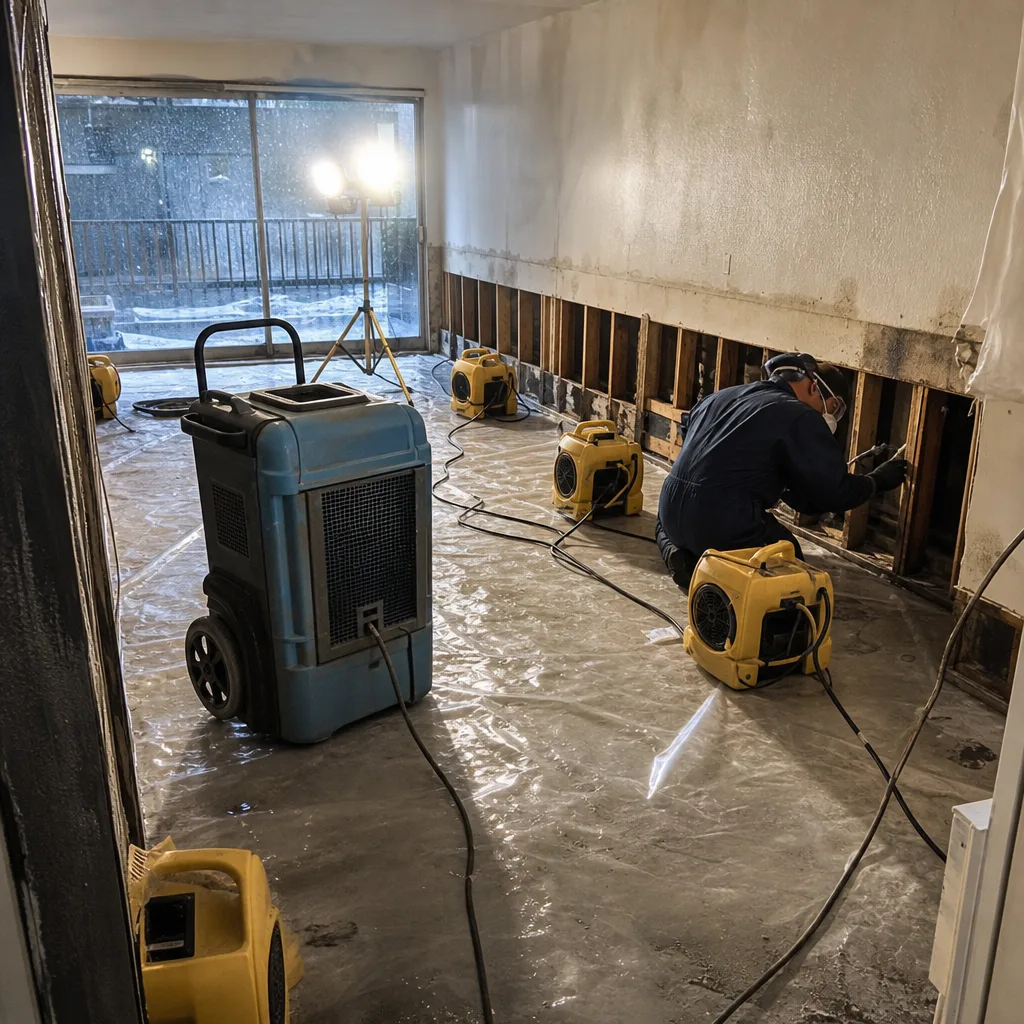
Paint failure is the most misread warning sign in residential construction. Most blisters are cosmetic. Some indicate active subsurface moisture migration. The difference is measurable in pattern, location, and physical characteristics.
Nail-Pop Blistering: Usually Cosmetic
When drywall fasteners work loose, they push paint outward in small, isolated domes, typically 1/4 to 1/2 inch in diameter, centered on fastener locations. These appear in regular patterns corresponding to stud or joist spacing (16 or 24 inches on center). The blister is firm, the paint film is intact over the dome, and the underlying drywall is dry and hard.
In Redondo Beach, nail-pop blistering is common in homes built during the 1960s-1980s construction boom, where gypsum board was sometimes fastened before it reached equilibrium moisture content. It’s not a water damage warning sign unless accompanied by other indicators.
Uniform Bubble Patterns: Subsurface Moisture Migration
Moisture-driven blistering presents differently. The bubbles are irregular in size and distribution, often clustered along baseboards, under windows, or in horizontal bands corresponding to water travel paths. The paint film is soft or detached, and the underlying drywall yields to light pressure. In advanced cases, the blister contains liquid water or a brownish stain.
The critical measurement: if bubbles appear in a pattern that doesn’t correspond to fastener spacing, and if they’re accompanied by any softness in substrate, moisture is moving behind the paint. This is Stage 3-4 progression. The moisture front has reached the surface.
Efflorescence and Chalking as Secondary Indicators
On exterior stucco or interior concrete surfaces, white powdery deposits (efflorescence) indicate soluble salts being carried by water movement and deposited at the evaporation surface. In Redondo Beach, we see this frequently on garage slab edges, basement walls (where present), and exterior stucco at grade level. It’s a reliable indicator that water is moving through the material, not just sitting on it.
Chalking - a powdery residue on painted exterior surfaces - accelerates when paint film is exposed to cyclic wetting. A south-facing wall that begins chalking unevenly, with more severe degradation at the bottom, often indicates splash-back or grade-level moisture intrusion.
What Insurers Classify as ‘Long-Term Neglect’ - and How Documentation Changes the Answer
The most expensive phrase in a homeowner’s insurance policy is “long-term neglect” or “gradual damage.” Most policies cover sudden and accidental water damage. They exclude damage that developed over time because the homeowner failed to maintain the property or respond to warning signs. The adjuster’s determination hinges on what the homeowner knew, when they knew it, and what they did about it.
The Questions an Adjuster Will Ask
When we arrive at a water or mold claim in Redondo Beach, the adjuster has typically already asked the homeowner:
- When did you first notice an odor?
- When did staining first appear?
- Did humidity or moisture conditions change before the visible damage?
- What steps did you take to investigate or mitigate?
- Do you have any records of maintenance, repairs, or professional assessments?
The homeowner who answers “I noticed a musty smell about three weeks ago but wasn’t sure what to do” has a problem. The homeowner who answers “I noticed a musty smell on March 15, logged it, bought a hygrometer, and called for assessment when readings stayed above 60%” has a defensible position.
How Contemporaneous Documentation Changes Coverage Outcomes
We’ve participated in claims where documentation made the difference between full coverage and a $12,000 out-of-pocket remediation. The key documents:
- Dated hygrometer logs showing when conditions crossed thresholds
- Photo records of early-stage conditions, even if they seemed minor
- Written correspondence with contractors, plumbers, or property managers
- Professional assessment reports with moisture readings and recommendations
The Haven Standard requires our technicians to produce a documented photo record on every visit, included as standard. We don’t upsell documentation. We deliver it, because we’ve seen what its absence costs. Alicia Brennan founded Back to Dry in 2011 specifically to close the documentation gap that was costing homeowners their claims - the gap between “I knew something was wrong” and “I can prove when I knew it.”
A written price before work begins, under Haven Standard Clause 1, also serves documentary function. It establishes the date of professional involvement and the scope of observed conditions at that time. If a claim is later disputed, that written scope is evidence of what was visible and professionally assessed on a specific date.
Room-by-Room Warning Sign Checklist
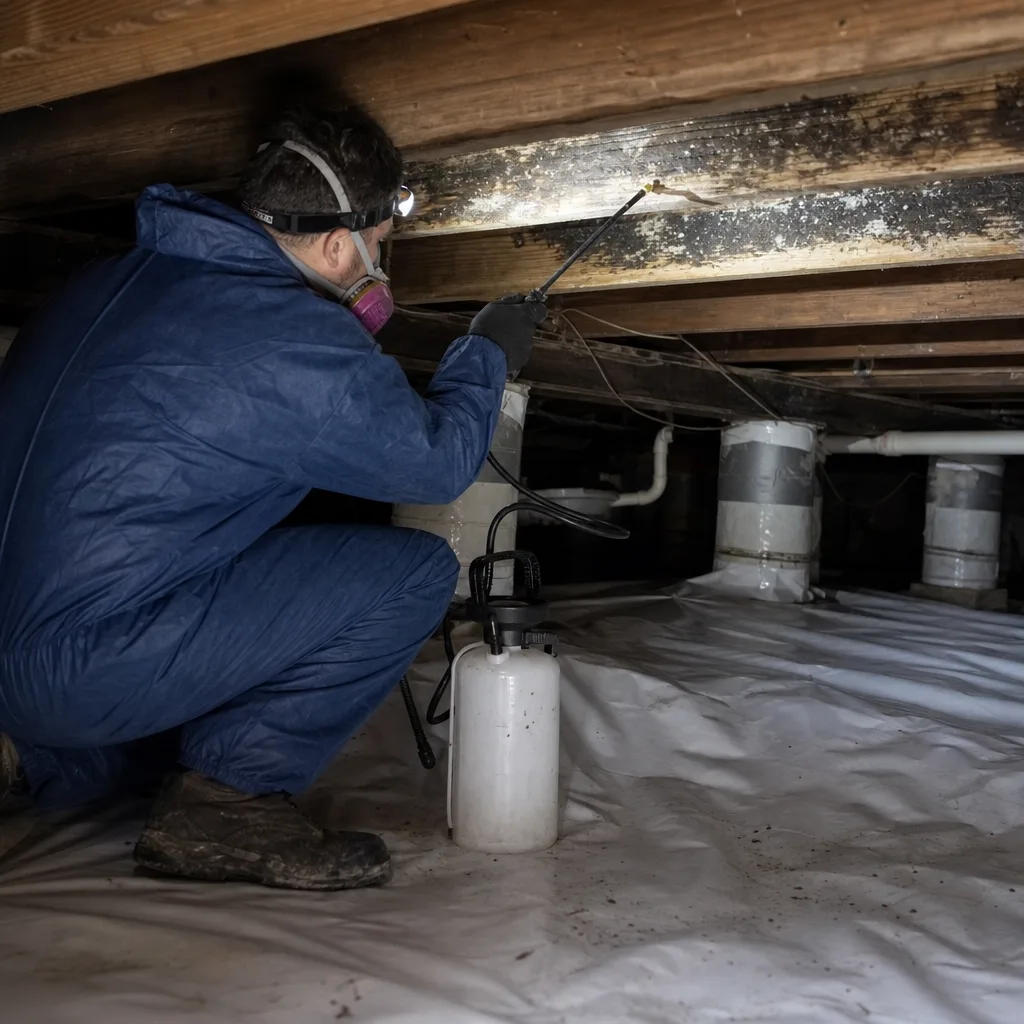
Different rooms present different risk profiles in Redondo Beach homes. This checklist focuses on the measurable signals specific to each space.
Kitchen
- Humidity spike after dishwasher or refrigerator ice maker cycle completion
- Softening at sink cabinet floor, detectable with a screwdriver probe at the corner
- Grout darkening at the dishwasher-to-sink path (indicates historical leak travel)
- Dishwasher drain hose stiffness or cracking at the connection point
Bathroom
- Toilet base movement or grout line darkening (wax ring failure)
- Shower tile efflorescence indicating pan membrane breach
- Vent fan runtime: less than 20 minutes post-shower leaves moisture above 60% RH
- Baseboard bottom-edge darkening, especially on walls shared with plumbing
Laundry Room
- Washing machine hose blistering or rust at connection (replace every 5 years regardless of appearance)
- Dryer vent lint accumulation at exterior termination (fire risk + humidity if venting indoors)
- Floor drain dryness: a dry trap allows sewer gas and humidity migration
Garage
- Slab efflorescence at perimeter walls, especially after rain
- Water heater T&P valve discharge pipe corrosion or dripping
- Humidity consistently 10%+ above interior living spaces
Attic/Crawl Space
- Insulation compression or darkening (indicates historical water travel)
- Fastener rust patterns on HVAC ductwork
- Any odor detectable at access hatch without entering
Common Mistakes to Avoid
- Waiting for visible damage before acting. By the time staining appears, remediation costs have typically increased 10-20x over early humidity intervention. The $30 hygrometer investment pays for itself if it prevents a single Stage 4 event.
- Assuming coastal humidity “is just how it is here.” Redondo Beach’s marine layer is an outdoor condition. Indoor humidity should not track it. If your living space reads 70% RH at 2 PM, the building envelope or ventilation system has failed, not the climate.
- Using bleach on mold stains without addressing moisture source. Bleach can worsen porous material contamination by adding moisture and failing to penetrate substrate. It also destroys the visible evidence an adjuster needs to see for coverage determination.
- Ignoring seasonal foundation movement. That sticking door in February that resolves by May is not “settling.” It’s clay soil expansion creating intrusion pathways. Document the cycle, because the moisture that follows is the claim.
- Calling for “a quote” rather than a documented assessment. Under Haven Standard Clause 1, a written price before work begins is non-negotiable. But the assessment process itself produces documentation - moisture readings, thermal images, photo records - that serves your interests if coverage is later disputed.
- Failing to maintain a contemporaneous log. Memory is not documentation. Adjusters ask for dates. A simple notebook with dated entries, or a phone note with timestamped observations, transforms “I think it was around…” into “On March 15, I observed…”
- Discarding early documentation after repair. Keep hygrometer logs, photos, and professional assessments for the statute of limitations period (typically 2-4 years in California property claims). Latent damage can appear after initial repair, and early documentation establishes the timeline.
When to Call a Professional
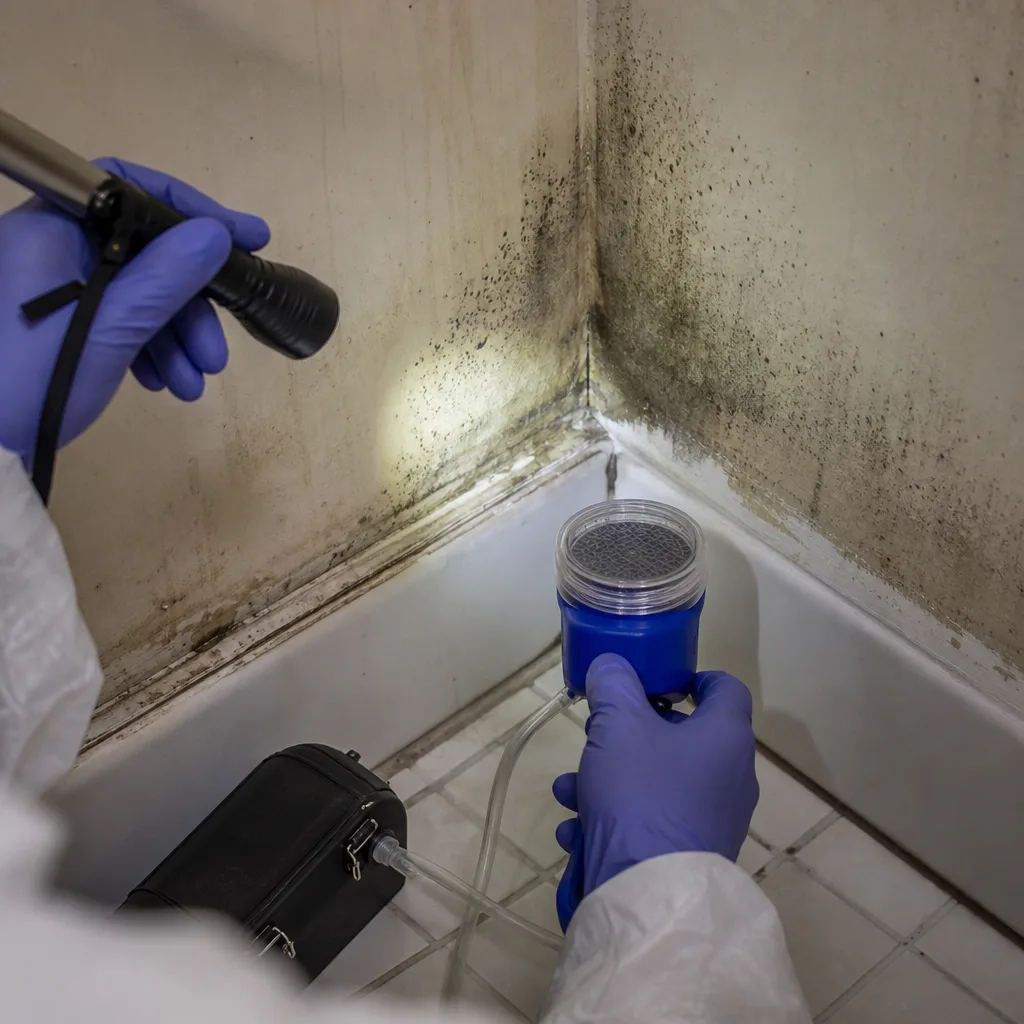
Call for documented assessment when: humidity readings exceed 60% RH for more than 48 hours despite ventilation efforts; you detect mVOC odor (musty, earthy, wet-sock) in any enclosed space; paint blistering appears in non-fastener patterns; or you observe efflorescence, condensation, or staining on any surface. These are not cosmetic issues. They are measurable indicators of conditions that, left unaddressed, escalate predictably.
For Mold Remediation in Redondo Beach, California’s CDPH guidelines and local enforcement require professional containment for growth exceeding 10 square feet. For Fire & Smoke Damage Restoration in Redondo Beach, early professional involvement is critical because smoke residues are acidic and cause progressive corrosion of metals and etching of glass.
DryMark Restoration Redondo Beach offers free estimates in Redondo Beach. Every assessment includes moisture readings, thermal imaging, a documented photo record, and a written scope with price before any work begins, under Haven Standard Clause 1. Call (424) 375-7225. Live person answers, 24 hours a day, 7 days a week.
Frequently Asked Questions
Targeted dehumidification and air movement for Stage 1 humidity elevation typically costs $400-$900 in the Redondo Beach market. This assumes no material removal, 2-3 days of professional equipment deployment, and moisture verification to IICRC standards. If the source is sub-slab moisture migration, source identification adds $300-$600 for thermal imaging and moisture mapping. Call (424) 375-7225 for an exact quote on your specific conditions - estimates are free.
Coverage depends on documentation and timeline, not just awareness. A homeowner who observes warning signs, documents them contemporaneously, and takes reasonable investigative steps (hygrometer logging, professional assessment) typically maintains coverage for the resulting damage. The homeowner who observes signs, ignores them for weeks or months, and files only after visible damage appears faces “long-term neglect” exclusions. The difference is provable response, not perfect response. Our documented assessments create the record that supports your position.
Live person answers every call, 24 hours a day, 7 days a week, with no voicemail trees. Emergency dispatch for active water intrusion, sewage backup, or fire damage is typically under 90 minutes in the Redondo Beach service area. For assessment of warning signs without active emergency, we schedule within 24 hours. The crew arrives with background-checked, uniformed technicians, documented equipment including XPOWER and B-Air air movers, and the photo documentation system that produces your claim file.
For growth under 10 square feet on non-porous surfaces, with confirmed source elimination, homeowner cleaning with appropriate PPE is sometimes adequate. For growth on porous materials (drywall, carpet, insulation), growth exceeding 10 square feet, or growth in HVAC systems, professional remediation is required under California guidelines and is the only approach that produces documentation for potential health or coverage claims. We offer a Free Second Opinion on any competitor’s written estimate if you’re uncertain about scope.
We coordinate directly with adjusters as a standard service, not an upsell. Our daily drying logs, photo records, and written scopes are formatted for direct submission. Alicia Brennan’s background as a former claims adjuster shaped this process - we know what documentation gets claims paid, and we produce it from day one. You remain the policyholder and decision-maker; we handle the documentation burden.
Nail-pop blisters are small (1/4-1/2 inch), firm, centered on fastener locations in regular 16 or 24-inch patterns, with dry, hard substrate beneath. Moisture blisters are irregular in size and distribution, often clustered along baseboards or under windows, with soft or detached paint and yielding substrate. The pattern is the tell: regular spacing indicates mechanical fastener issues; irregular clustering indicates water travel paths. If you’re uncertain, a moisture meter reading above 16% on gypsum or 20% on wood confirms active moisture.
Three factors distinguish Redondo Beach: higher baseline ambient humidity from marine layer influence, salt-air corrosion acceleration on metal components, and clay soil expansion-contraction cycles that create unique slab and foundation moisture pathways. These factors mean warning signs appear differently and progress on different timelines than in drier inland markets. A humidity reading that would be normal in Riverside is elevated here if it tracks outdoor conditions rather than maintaining indoor control.
The Bottom Line
Damage restoration warning signs are measurable before they’re visible. In Redondo Beach’s coastal environment, a $30 hygrometer, a simple odor log, and attention to paint behavior can catch problems at the $400-$900 intervention stage rather than the $8,000-$15,000 remediation stage. The four-stage progression - humidity, mVOC odor, condensation, visible damage - is predictable, and the cost curve is steep. Documentation at every stage protects both your property and your coverage position. The homeowner who treats early signals as data points, not inconveniences, avoids the documentation gaps that cost claims.
Written by Alicia Brennan, Owner at DryMark Restoration Redondo Beach, serving Redondo Beach since 2011.