
Last updated September 23, 2026
Free visual inspection and a written scope of work before any mitigation begins - photos, moisture readings, and drying logs go in your claim file
The scope we write is the scope we bill. Anything new gets shown to you, in writing, before we touch it.
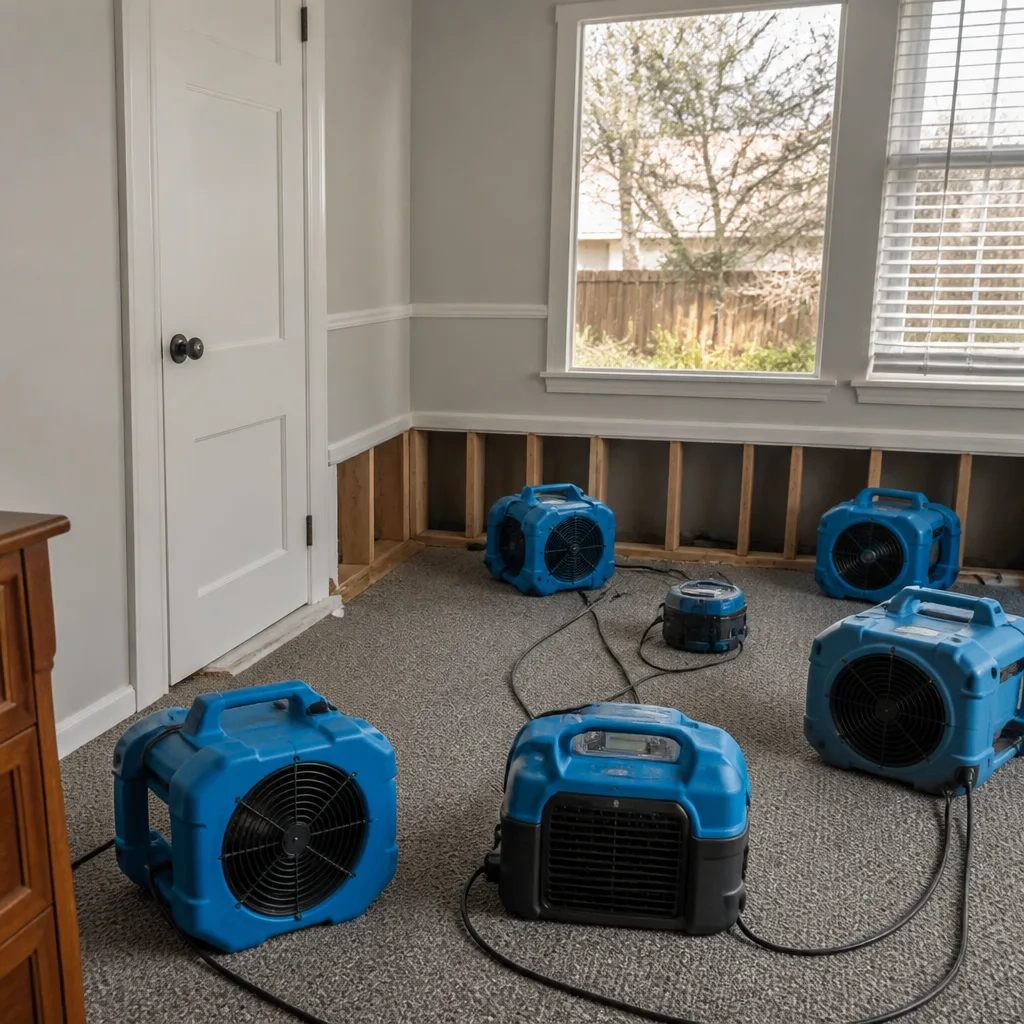
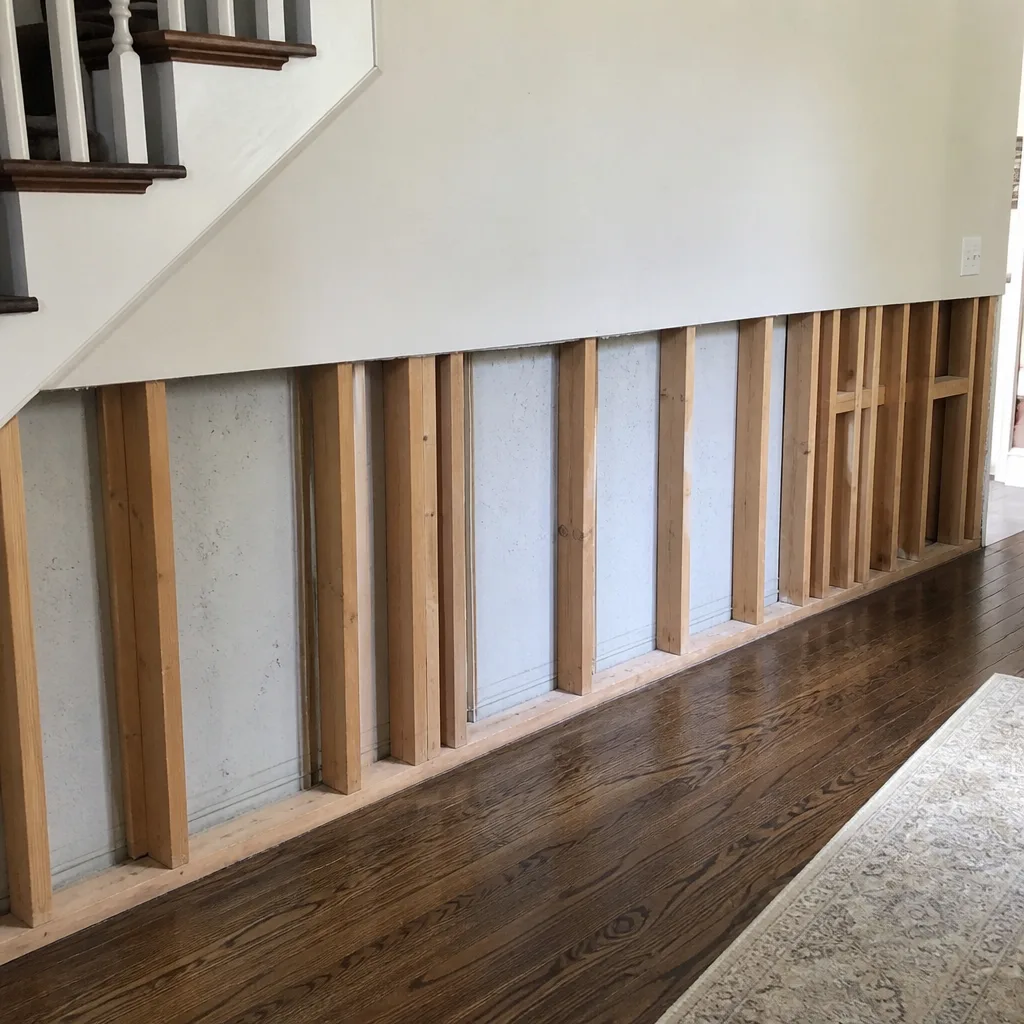
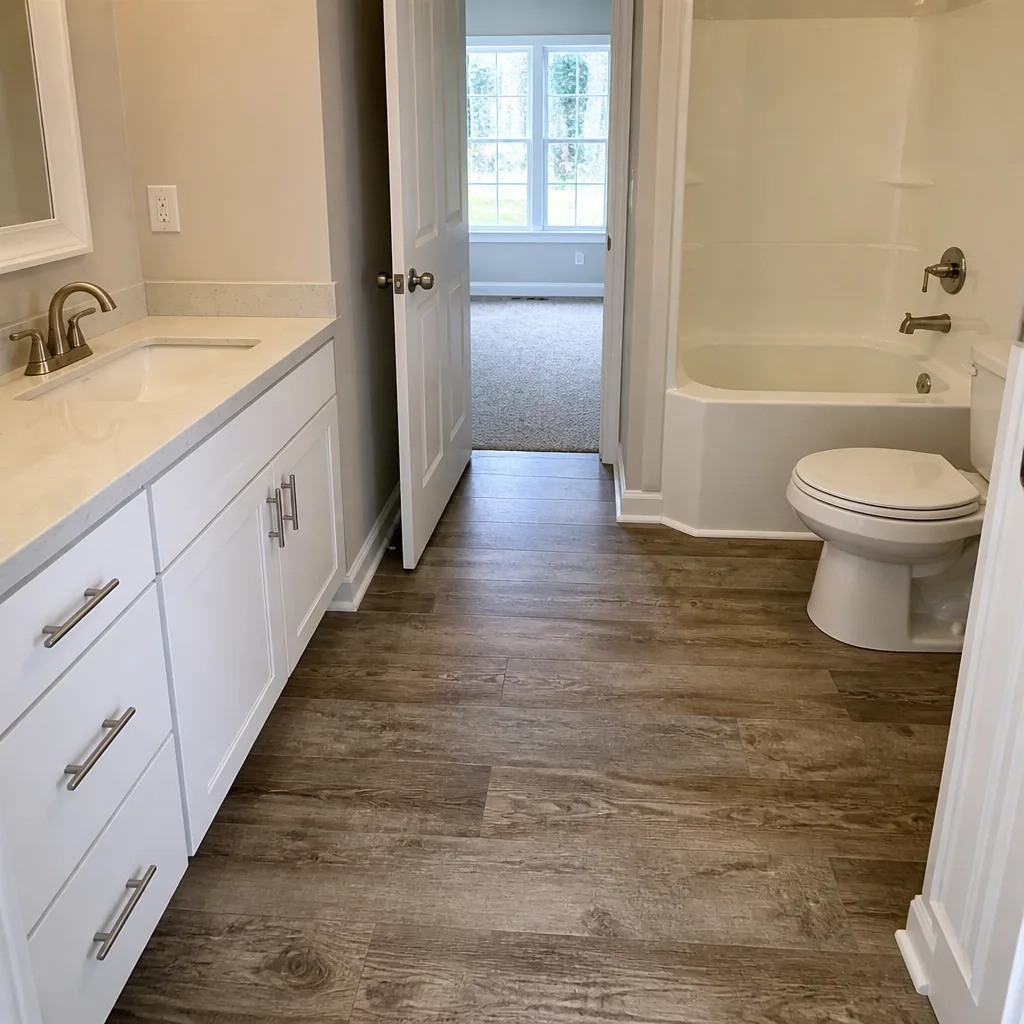
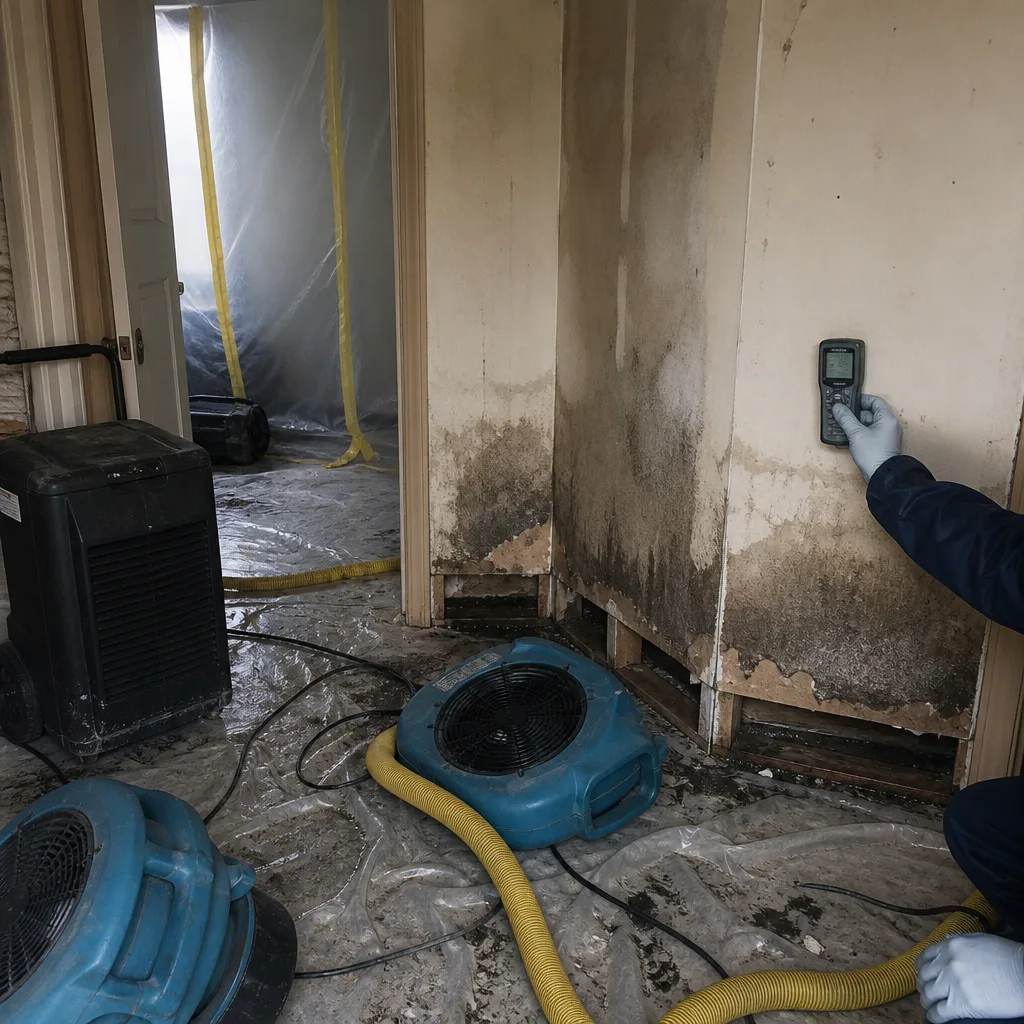 Before
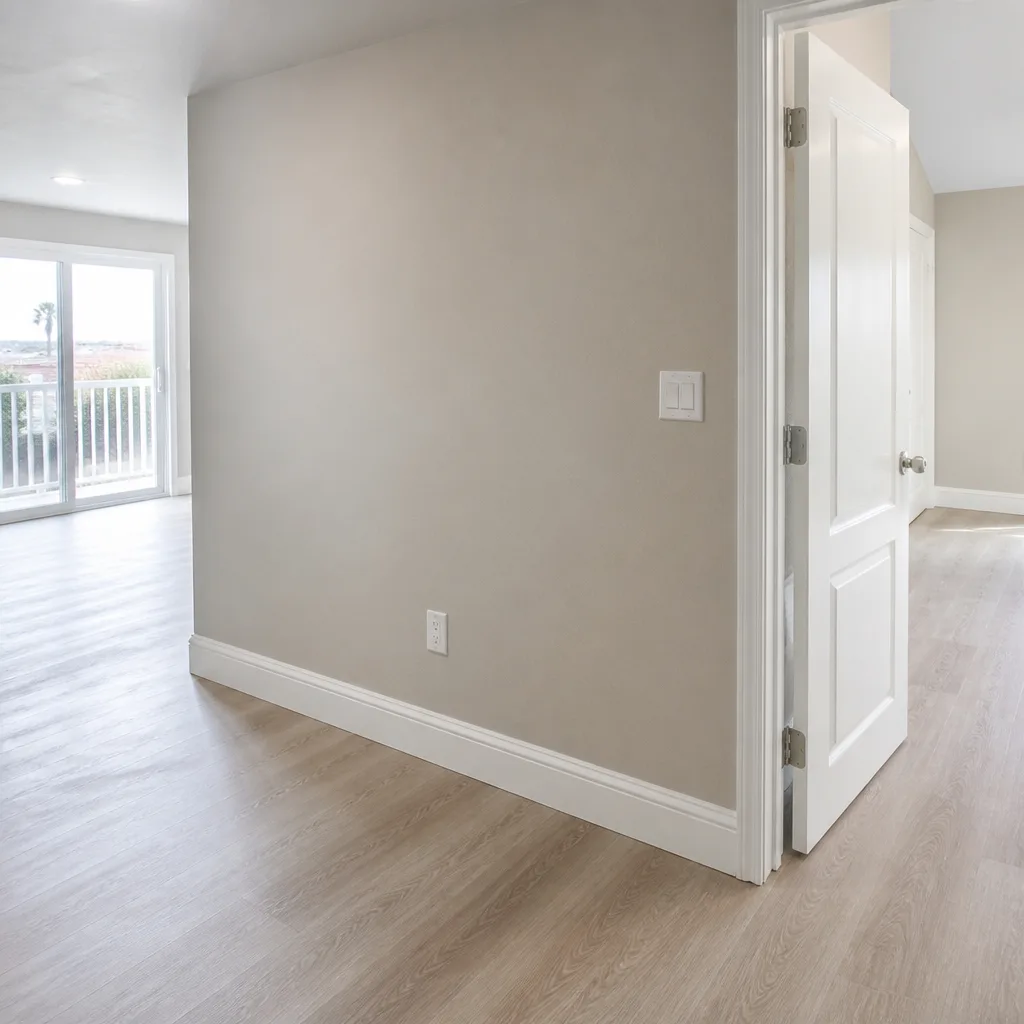 After
After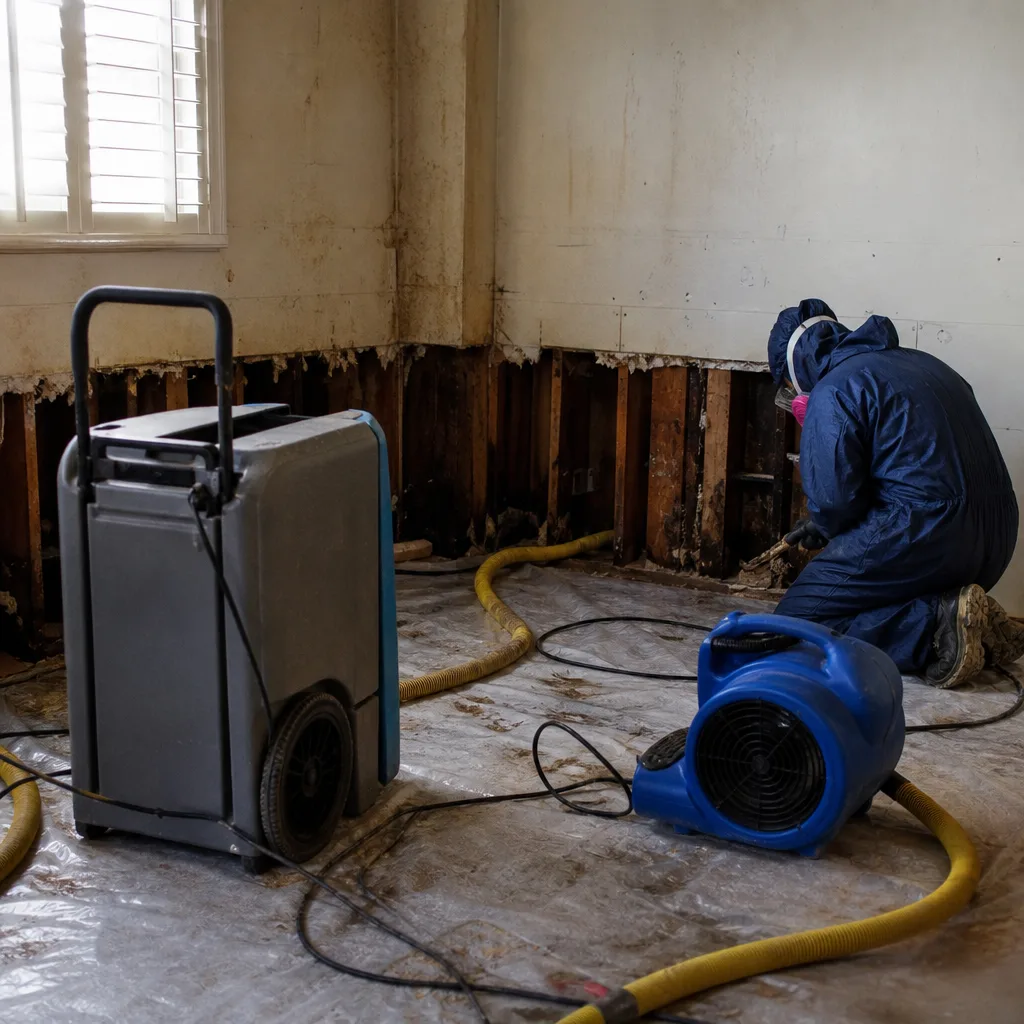 Before
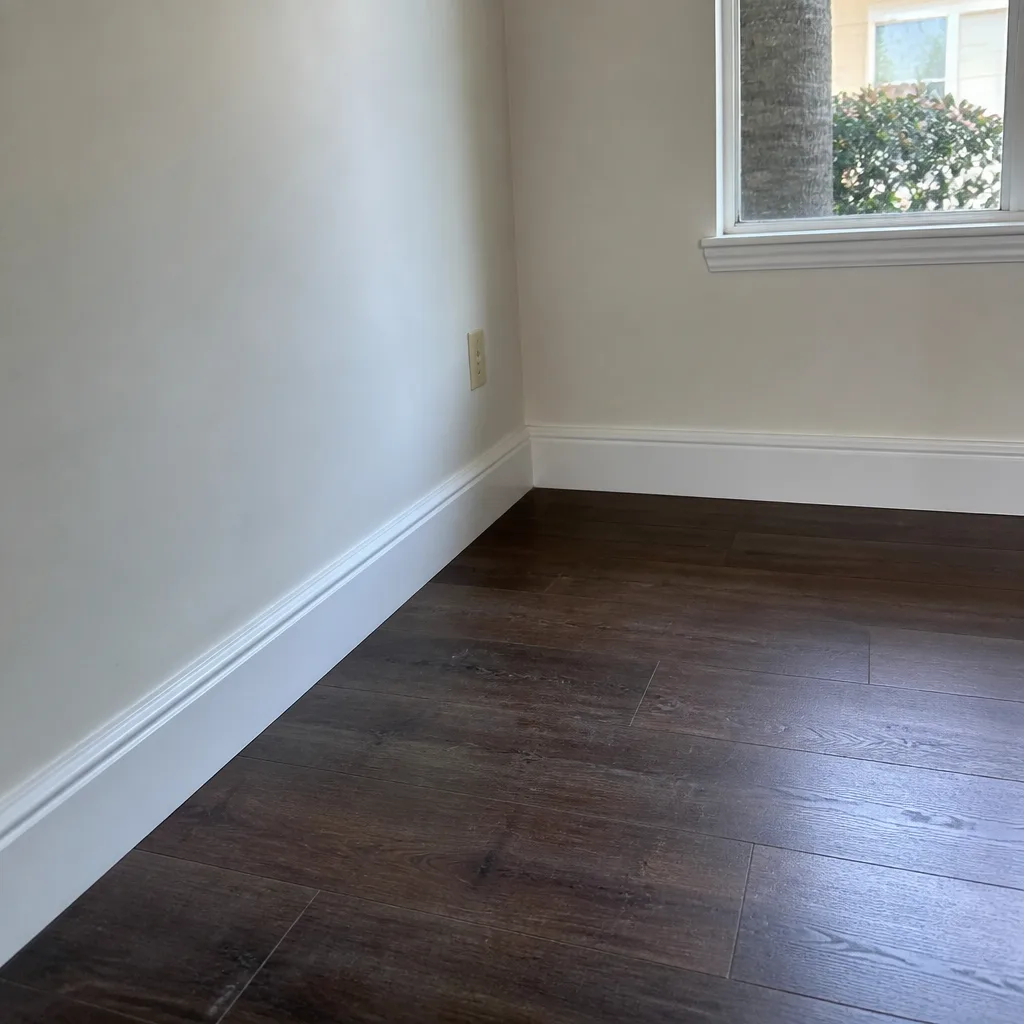 After
After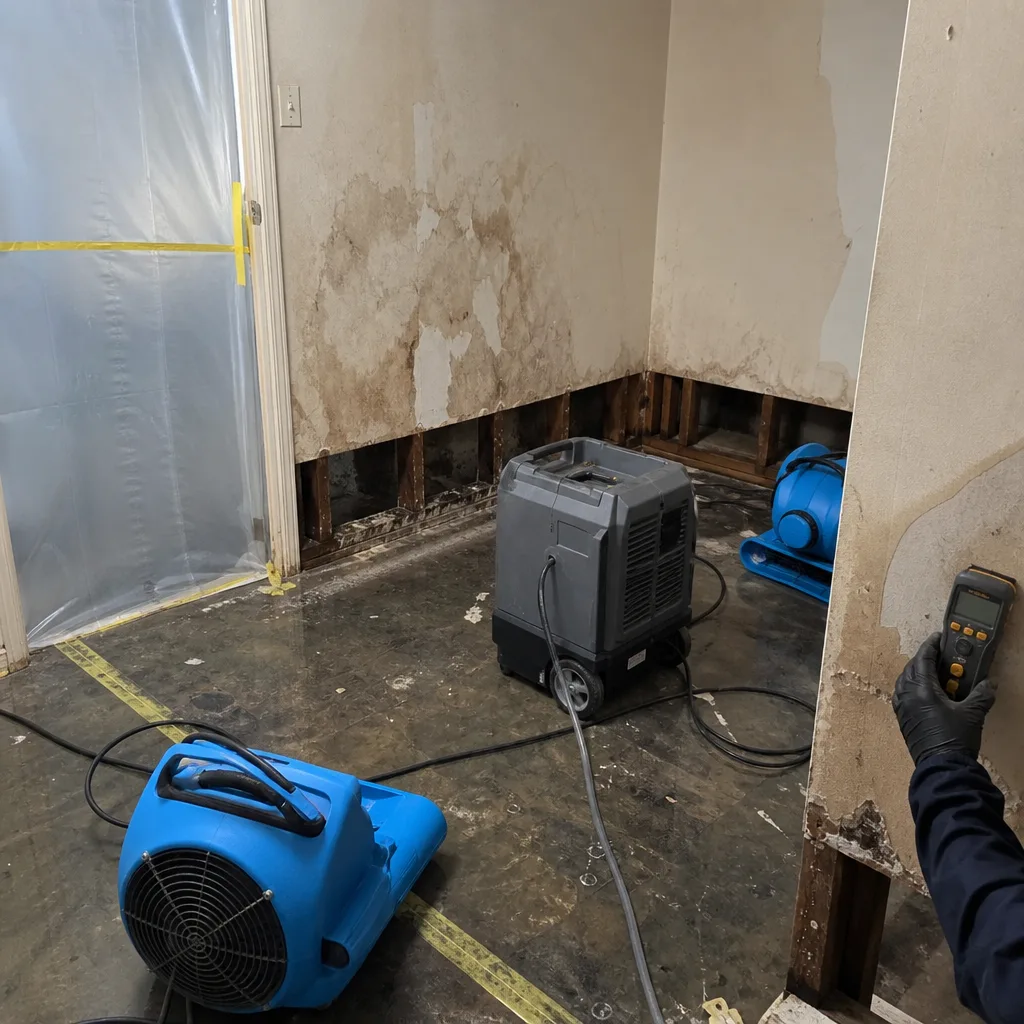 Before
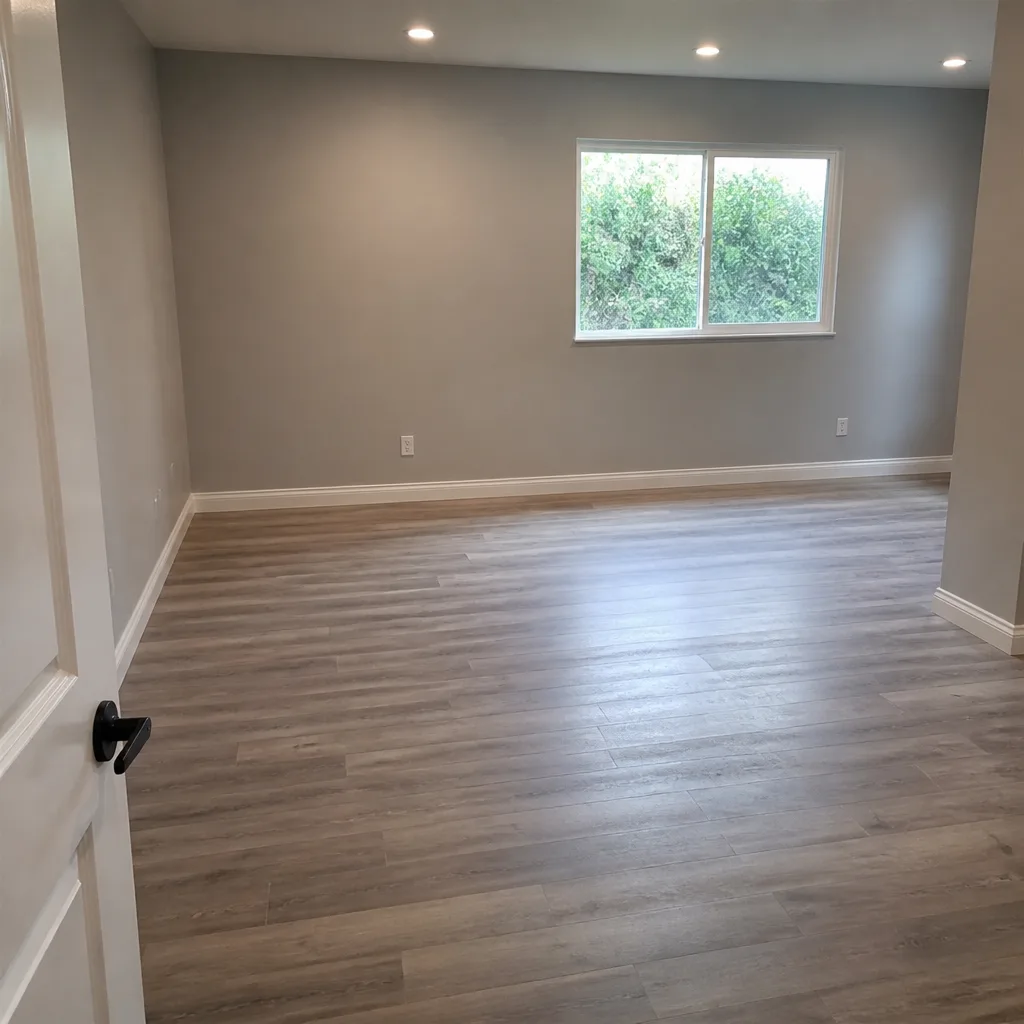 After
AfterDIY vs Professional Damage Restoration: The Redondo Beach Homeowner’s Decision Guide
California courts have held that a homeowner’s failure to document pre-mitigation conditions can constitute spoliation of evidence in a coverage dispute. In plain terms: if you dry it yourself without writing down what you found, your insurer may treat the damage as unverifiable, and unverifiable damage doesn’t get paid. We’ve reviewed thousands of claims since 2011, and the pattern is stark. Homeowners in Redondo Beach who self-mitigate competently but document poorly often recover less than those who hired professionals with modest technical skill but immaculate records. This guide will show you exactly where DIY ends and professional liability begins, what documentation you must produce to preserve your claim, and how to make the decision based on evidence rather than confidence. For more guides & resources, see our blog.
Quick Answer
DIY damage restoration is viable only for Category 1 water on non-porous surfaces dried within four hours with full documentation; for everything else, including any water contacting drywall, insulation, or subfloor, professional mitigation is required to preserve insurance claim eligibility and avoid secondary mold growth in Redondo Beach’s coastal climate. The threshold is not skill, it’s documentation liability: without timestamped photos, moisture readings, and a written scope, your insurer may deny coverage regardless of how well you performed the physical work. Our Water Damage Restoration Maintenance Checklist for Redondo Beach Homeowners details exactly what records to keep.
Table of Contents
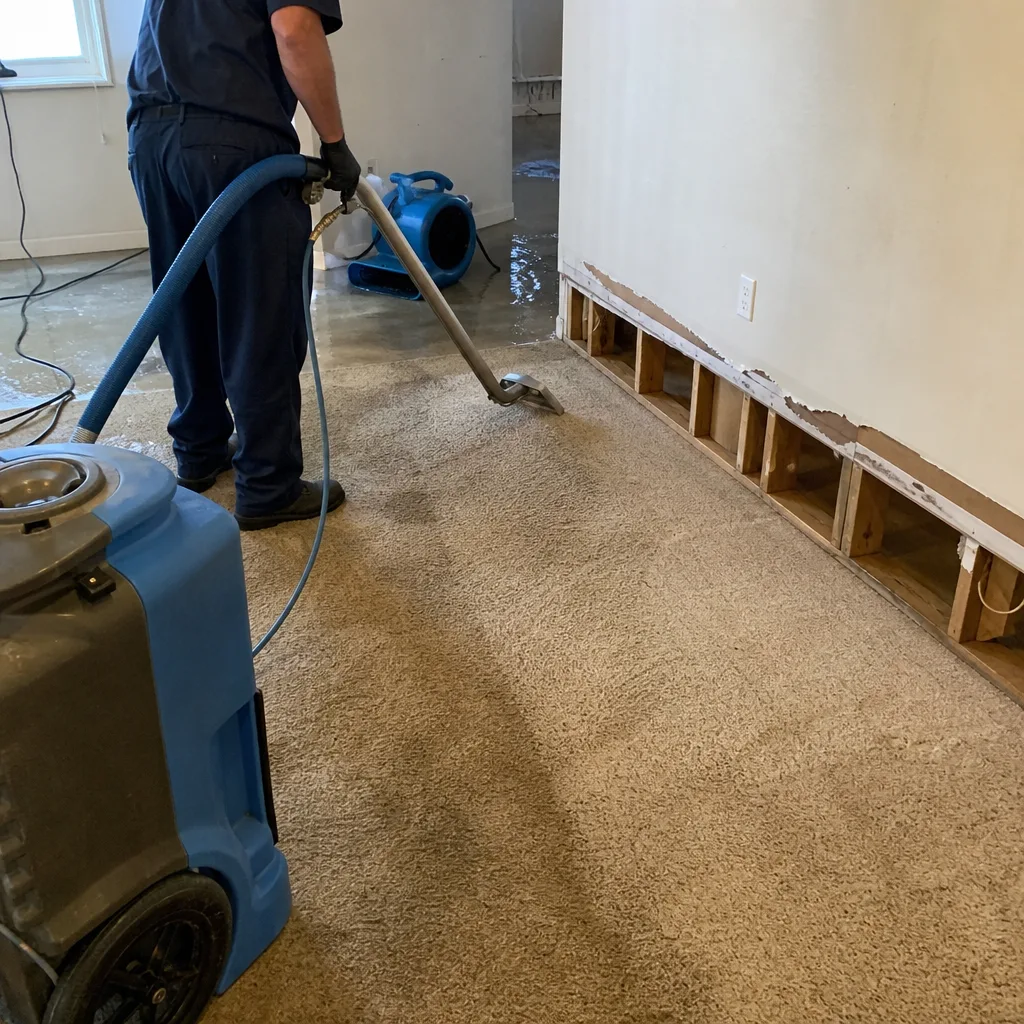
- The Hidden Risk: Documentation Liability, Not Skill
- Water Categories and What They Mean for Your Claim
- When DIY Is Genuinely Viable (And What You Must Document)
- When DIY Creates Liability: The Four-Factor Threshold
- Redondo Beach’s Coastal Climate: The 48-72 Hour Mold Window
- California Contractor Law and Unpermitted DIY Work
- What Professional Documentation Actually Includes
- True Cost Comparison: DIY vs. Professional
 Before
 After
AfterThe Hidden Risk: Documentation Liability, Not Skill
Most homeowners approach the DIY versus professional question by asking: “Can I do the work?” The question insurers ask is different: “Can you prove what was there before you touched it?”
We’ve seen this distinction destroy claims. A homeowner in the Hollywood Riviera section of Redondo Beach dried her own kitchen after a dishwasher supply line failed. She extracted standing water, ran fans for three days, and believed the job complete. Six months later, her insurer denied a $14,000 mold remediation claim because she had no moisture readings, no photos of the original water line on the drywall, and no written scope describing what materials were wet. The carrier’s position: the mold could have resulted from pre-existing conditions, poor maintenance, or incomplete drying. Without documentation, she couldn’t rebut any of these theories.
This is spoliation risk in practical terms. When you alter damaged materials without recording their condition, you eliminate the evidence an adjuster needs to establish coverage, causation, and scope. Professional restorers exist in part to preserve that evidentiary chain. Our daily drying logs, photo records, and written scopes serve a legal function, not merely a technical one.
The water damage restoration in Redondo Beach that we document to IICRC standards produces records that insurers recognize as reliable. Psychrometric data, vapor pressure differential readings, and material moisture content percentages measured with calibrated meters create an audit trail. A homeowner with a wet-dry vacuum and a box fan cannot produce equivalent documentation, regardless of how thoroughly they extract visible water.
Three documentation elements are non-negotiable for claim preservation:
- Timestamped photographs of the water source, the water line on affected materials, and the full extent of visible saturation before any drying begins.
- Moisture content readings taken with a pin or pinless meter, recorded by location and material type, with both pre-dry and post-dry measurements.
- A written scope describing the water category, affected square footage, materials removed, drying equipment deployed, and duration of drying.
Without these three elements, you are not mitigating damage. You are removing evidence.
Water Categories and What They Mean for Your Claim
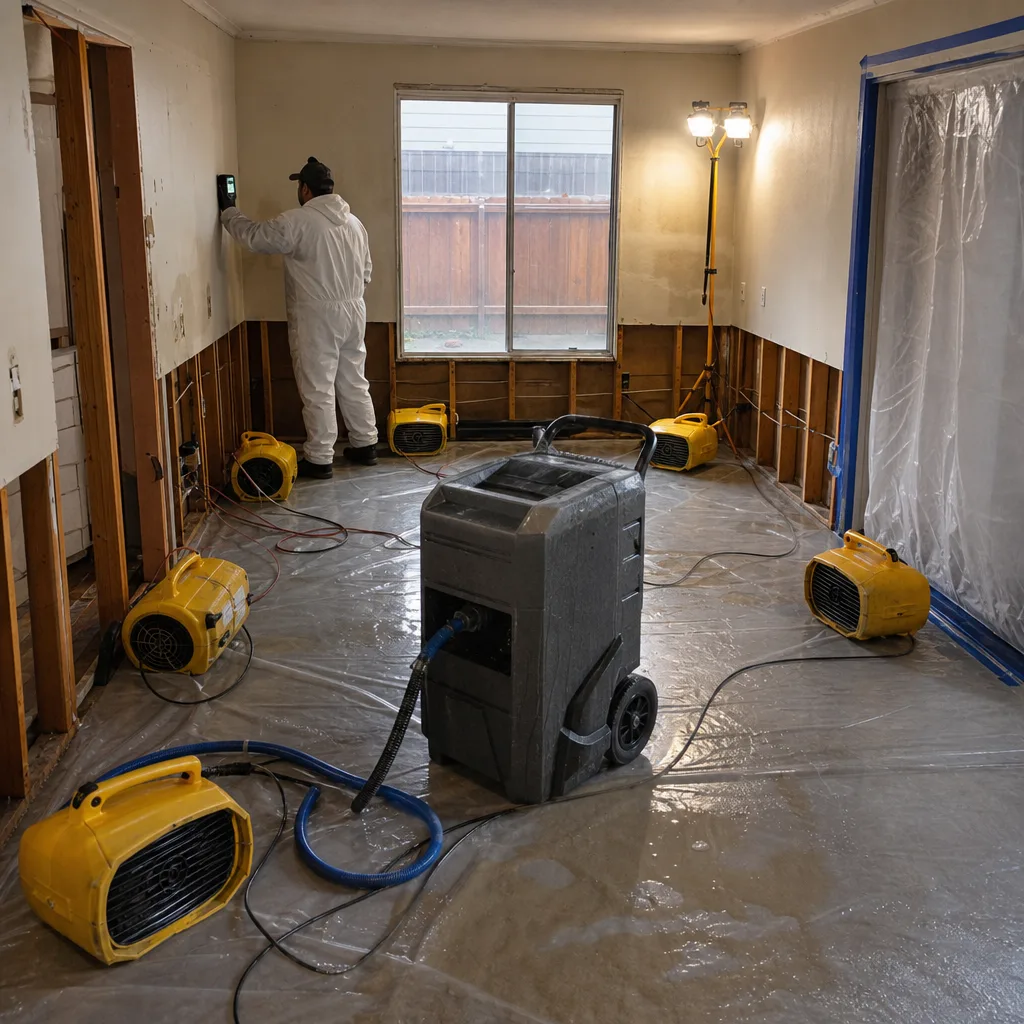
IICRC S500, the standard reference for water damage restoration, classifies water into three categories. Your insurer uses these classifications to determine coverage limits, required documentation, and whether professional mitigation was necessary. Misidentifying the category in your self-documentation can void your claim as thoroughly as failing to document at all.
Category 1: Clean Water
Originates from a sanitary source and does not pose substantial risk from dermal, ingestion, or inhalation exposure. Broken supply lines, tub or sink overflows with no contaminants, melting ice or snow, and rainwater intrusion through a compromised roof. Category 1 water can become Category 2 or 3 if left untreated for more than 24 hours, or if it contacts contaminated surfaces.
DIY viability: Limited. Surface water on tile, sealed concrete, or other non-porous materials, extracted and dried within four hours, may be self-managed with adequate documentation. Any contact with carpet pad, drywall, or insulation crosses into professional territory.
Category 2: Gray Water
Contains significant contamination and has the potential to cause discomfort or sickness if contacted or consumed. Discharge from dishwashers, washing machines, sump pump failures, and toilet bowls with urine but no feces. Category 2 water requires antimicrobial treatment and controlled disposal of affected porous materials.
DIY viability: None. Antimicrobial selection, application concentration, and disposal documentation require training. Your insurer will expect a written protocol, material safety data sheets, and waste manifests. Self-treatment without these records exposes you to health liability and coverage denial.
Category 3: Black Water
Grossly contaminated, including sewage, seawater, rising flood water from rivers or streams, and water from wind-driven rain with ground contamination. Category 3 water carries pathogenic, toxigenic, or other harmful agents.
DIY viability: Prohibited by most homeowners policies. Category 3 mitigation requires OSHA-compliant PPE, Hepa filtration, and regulated waste disposal. Self-performance may violate your policy’s duty to mitigate reasonably and could trigger exclusions for intentional or reckless acts.
Redondo Beach presents a specific Category 3 risk that inland properties rarely face: seawater intrusion during high surf events or king tide flooding. The salt content accelerates corrosion of electrical systems and metal framing, and the biological load from ocean water requires specialized antimicrobial protocols. We’ve documented cases where homeowners attempted self-extraction after minor flooding near the Esplanade, only to discover months later that salt residue had destroyed their HVAC coils and electrical subpanels. Without professional-grade desalination flushing and corrosion inhibitor application, the secondary damage exceeded the original loss.
When DIY Is Genuinely Viable (And What You Must Document)
DIY mitigation is not a myth. It exists in a narrow corridor defined by four simultaneous conditions. Deviate from any one, and the risk calculus shifts to professional engagement.
The four conditions:
- Category 1 water only, with no suspicion of contamination from the source or pathway.
- Non-porous surfaces exclusively: sealed tile, finished concrete, laminate with intact vapor barrier, or similar materials that do not absorb and retain moisture.
- Water present for less than four hours, measured from the event to the completion of extraction.
- No contact with building cavity materials: baseboards, drywall, insulation, subfloor, or wall cavities remain demonstrably dry.
If all four conditions are met, a homeowner can perform extraction and initiate drying. But extraction and drying are not the full job. Documentation is.
Required self-documentation protocol:
- Photograph the water source, the standing water, and the full perimeter of the affected area before touching anything. Include a timestamp, either from camera metadata or by photographing a phone displaying the current time.
- Measure and photograph the water depth or spread area. Use a ruler or tape measure for scale.
- Extract all standing water with a wet-dry vacuum. Photograph the extraction process and the post-extraction condition.
- Deploy air movement and dehumidification. Document equipment type, placement, and start time. Note: residential dehumidifiers typically achieve 30-50 pints per day; professional-grade Phoenix or Dri-Eaz units achieve 80-130 pints per day. If your equipment is undersized, you are not drying, you are humidifying.
- Take moisture readings at 24-hour intervals with a pinless moisture meter. Record readings by location, with photographs of the meter display. Acceptable moisture content for wood materials is below 16%; for gypsum drywall, below 1% above normal equilibrium.
- Maintain a written log of all activities, observations, and readings. Include weather conditions, indoor temperature, and relative humidity.
- Continue drying until moisture readings stabilize at acceptable levels for 48 consecutive hours. Photograph final readings.
Failure at any step voids the documentation chain. We’ve reviewed homeowner logs where the extractor was photographed but not the extraction result, where moisture readings were described but not photographed, where the log was started on day two rather than hour zero. Each gap becomes an insurer’s basis to challenge the claim.
Even within the viable corridor, consider the opportunity cost. Professional mitigation in Redondo Beach for a contained Category 1 loss typically runs $800-$1,400, with documentation included. The equipment rental, antimicrobial purchase, and time investment for competent DIY often approach $400-$600. The marginal savings may not justify the documentation burden and the spoliation risk.
When DIY Creates Liability: The Four-Factor Threshold
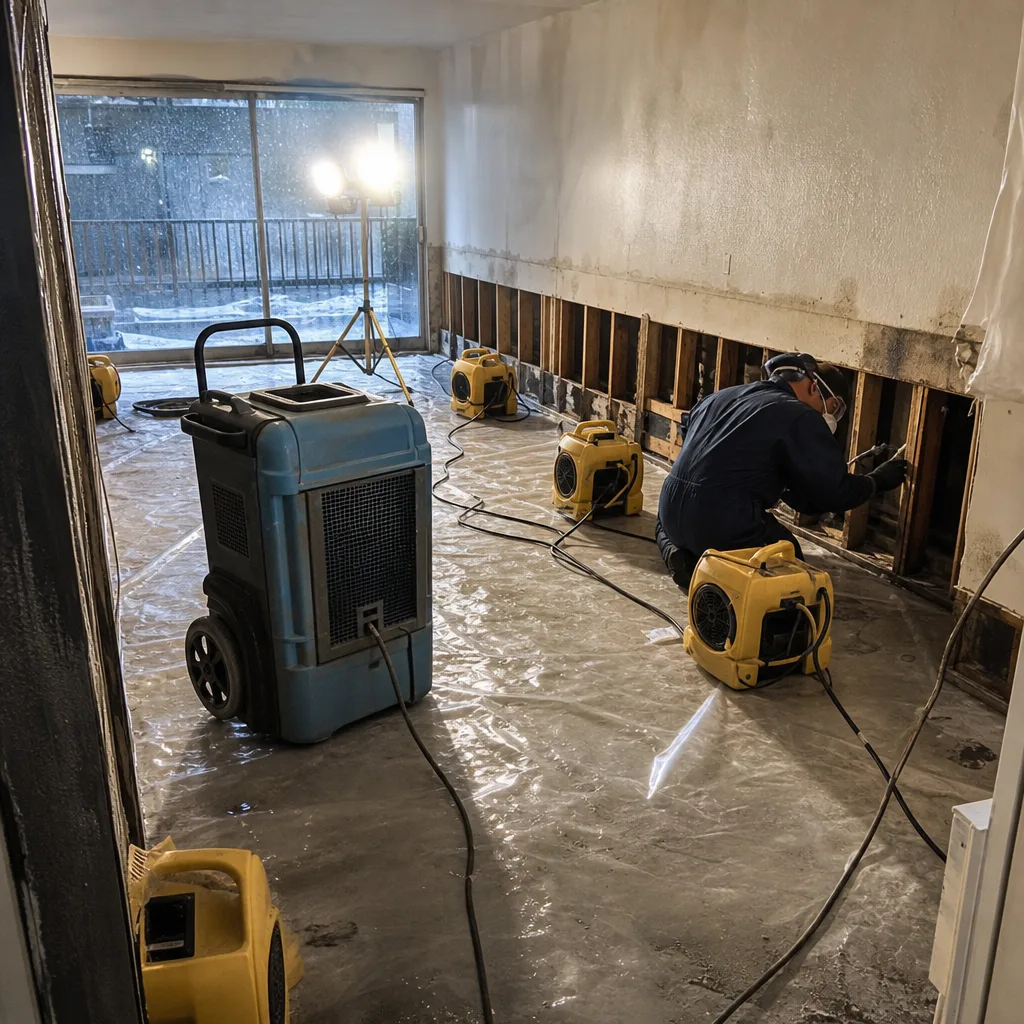
The decision matrix we use in the field reduces to four factors. Assign each a value, and the threshold between DIY and professional engagement becomes objective rather than intuitive.
Factor 1: Water Category
- Category 1: 1 point
- Category 2: 3 points
- Category 3: 5 points (professional mandatory)
Factor 2: Affected Materials
- Non-porous surfaces only (tile, sealed concrete): 1 point
- Porous flooring with intact subfloor (carpet over concrete, laminate with vapor barrier): 2 points
- Any contact with drywall, insulation, subfloor, or wall cavity: 4 points
- HVAC system, electrical components, or structural framing: 5 points (professional mandatory)
Factor 3: Square Footage
- Under 25 square feet: 1 point
- 25-100 square feet: 2 points
- 100-300 square feet: 3 points
- Over 300 square feet: 4 points
Factor 4: Elapsed Time Since Loss
- Under 4 hours: 1 point
- 4-24 hours: 2 points
- 24-48 hours: 3 points
- Over 48 hours: 4 points (professional mandatory due to mold risk)
Threshold interpretation:
- 4-6 points: DIY viable with full documentation protocol
- 7-9 points: Professional engagement strongly recommended; self-mitigation requires insurance carrier pre-approval and enhanced documentation
- 10+ points: Professional mandatory; DIY creates documentation liability and potential coverage exclusion
A real example from our files, drawn from How to Hire a Damage Restoration Contractor in Redondo Beach: A Step-by-Step Guide: A homeowner in the South Bay neighborhood discovered a washing machine supply line failure at 6 AM. The water covered approximately 80 square feet of tile and carpet in an adjacent hallway. By the time she called us at 10 AM, four hours had elapsed. Her score: Category 1 (1) + porous flooring with subfloor exposure (2) + 80 square feet (2) + 4 hours elapsed (2) = 7 points. We recommended professional engagement. She initially resisted, believing the tile areas were simple and only the carpet needed attention. Our moisture readings revealed water migration through the carpet pad into the plywood subfloor, with elevated readings extending six feet beyond visible saturation. Without professional-grade extraction and Injectidry mat system drying, the subfloor would have remained above 20% moisture content, triggering mold amplification within 72 hours in Redondo Beach’s coastal humidity.
The four-factor threshold is not conservative. It reflects the minimum documentation burden that insurers currently accept for self-mitigated claims. As claim scrutiny increases, particularly in California’s hardened insurance market, we expect this threshold to tighten.
Redondo Beach’s Coastal Climate: The 48-72 Hour Mold Window
Redondo Beach’s location on the Santa Monica Bay creates a microclimate that accelerates mold amplification compared to inland Los Angeles Basin properties, as covered in our Seasonal Damage Restoration Care for Redondo Beach: Year-Round Homeowner’s Guide. Average relative humidity hovers 10-15% higher than areas like Torrance or Gardena, and the marine layer that blankets the city from May through July maintains overnight humidity above 80% even when daytime temperatures are moderate.
This matters for drying calculations. Psychrometric science, the study of air-vapor relationships that governs professional drying, defines drying potential as the difference between the vapor pressure of the wet material and the vapor pressure of the surrounding air. When ambient humidity is high, that differential shrinks, and drying slows. A drying plan that works in Pasadena in October may fail in Redondo Beach in June with identical equipment.
We’ve measured this directly. In a controlled comparison, identical water losses in two structures, one in Redondo Beach and one in San Fernando, required 40% longer drying times in Redondo Beach during marine layer season despite using the same Phoenix 200HT dehumidification units and equivalent air movement. The difference was ambient humidity, not equipment performance.
For homeowners attempting DIY, this means your drying timeline is compressed and your equipment requirements are elevated. Residential dehumidifiers, rated by the Association of Home Appliance Manufacturers (AHAM) at 80°F and 60% relative humidity, achieve approximately half their rated capacity at 70°F and 80% humidity, conditions common in Redondo Beach mornings. You may believe you are drying when you are merely circulating moist air.
The consequence is secondary mold remediation, and its cost structure is punitive. A contained Category 1 water loss professionally mitigated in Redondo Beach typically costs $1,200-$2,800. The same loss, self-managed with incomplete drying, that generates mold amplification in wall cavities and subfloor spaces, typically requires $4,500-$9,000 in remediation, plus reconstruction, plus potential temporary relocation. The DIY “savings” become a 300-400% cost multiplication.
We document this pattern repeatedly in the Riviera Village and Golden Hills areas, where older construction with lath-and-plaster or early drywall systems provides ideal mold substrates. The mold remediation in Redondo Beach that we perform often traces to incomplete initial drying, not catastrophic water events. The water loss was manageable; the drying was not.
California Contractor Law and Unpermitted DIY Work
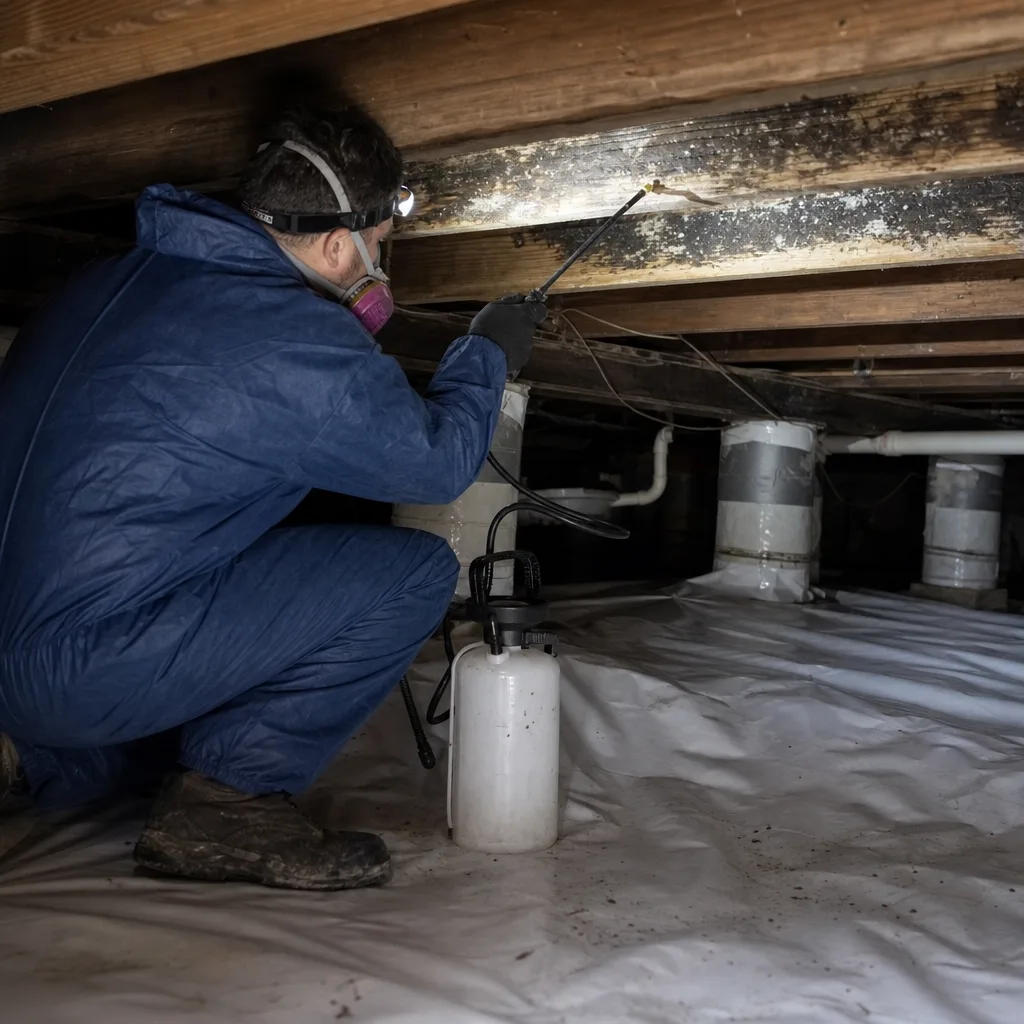
California Business and Professions Code Section 7048 requires a contractor’s license for any construction project, including repair and restoration, with a total cost of $500 or more in combined labor and materials. This threshold includes the homeowner’s own labor valued at market rates. Water damage restoration that involves removal and replacement of drywall, flooring, or structural elements routinely exceeds this threshold.
The enforcement risk is not immediate inspection. It is discovery during subsequent transactions. When a Redondo Beach homeowner sells, refinances, or undergoes insurance re-inspection, unpermitted restoration work may trigger:
- Title insurance exceptions requiring disclosure
- Lender requirements for permit verification and correction
- Buyer negotiation of remediation costs or price reduction
- Local building department orders to expose and inspect concealed work
- Insurance carrier rescission if unpermitted work contributed to a subsequent loss
We’ve consulted on three transactions in the past two years where DIY water damage restoration in Redondo Beach properties became a sale contingency. In one case, a homeowner had self-replaced water-damaged subfloor and drywall after a slab leak. The work was technically competent, but no permit was pulled, and no inspection occurred. The buyer’s lender required a retroactive permit, which required exposing the repaired areas for visual inspection by the city building inspector. The re-exposure, re-inspection, and re-closure cost $3,400 and delayed closing by six weeks.
Professional restoration companies maintain C-61/D-49 (Sanitation System), B-General Building, or C-36 (Plumbing) licenses as required by scope. Our work is permit-compliant, inspection-scheduled, and documented with certificate of occupancy or final inspection sign-off where applicable. This documentation transfers with the property, eliminating future transaction friction.
The permit question intersects with insurance in a specific way that homeowners rarely anticipate. If your policy includes a “voluntary property damage” or “faulty workmanship” exclusion, and unpermitted DIY restoration later contributes to a loss, your carrier may deny the subsequent claim on both the workmanship exclusion and the failure to maintain the property to code. The initial water loss was covered; the self-performed restoration was not; the subsequent loss traces to the restoration. Coverage evaporates at the causal link.
What Professional Documentation Actually Includes
Documentation is the primary deliverable of professional restoration, not a byproduct. Understanding what you receive, and why it matters for your claim, clarifies the value proposition beyond equipment and labor.
The initial documentation package:
- Photo record: Timestamped, geotagged photographs of the loss site, water source, affected materials, and pre-mitigation conditions. Our standard is 40-80 images for a typical residential loss, uploaded to a secure client portal within 24 hours.
- Moisture inspection report: Pin and pinless meter readings by room, surface, and material type, with equipment calibration dates noted. We record wood moisture content, drywall moisture content, and relative humidity at multiple points.
- Written scope of work: A line-item description of recommended mitigation, with quantities, unit prices, and extended totals. Haven Standard, Clause 1: this written price is delivered before any work begins, with no exceptions.
- Psychrometric drying plan: Target temperature, relative humidity, and specific humidity for each affected space, with equipment specifications and placement diagrams.
The ongoing documentation package:
- Daily drying logs: Moisture readings at 24-hour intervals, equipment operation hours, atmospheric conditions, and technician observations. These logs demonstrate that drying progressed according to plan and identify any deviations requiring scope revision.
- Photo record updates: Progressive documentation of material removal, equipment deployment, and drying progress.
- Material disposal manifests: For Category 2 and 3 water, documentation of contaminated material handling and disposal in compliance with California waste regulations.
The closeout documentation package:
- Final moisture readings: Demonstrating that all materials have returned to within normal equilibrium moisture content ranges.
- Certificate of completion: Signed by the technician and project manager, warranting that work was performed to IICRC standards.
- 365-Day Done Right Promise: Our written warranty under The Haven Standard, not a verbal assurance. If it’s not done right, we make it right.
This documentation package serves multiple functions. It supports your insurance claim with evidence an adjuster can verify. It provides a property record for future transactions. It creates accountability for the restoration company. And it satisfies the duty to mitigate that your policy requires, in a form that carriers recognize as compliant.
A homeowner cannot replicate this documentation. The equipment costs alone, professional moisture meters, thermal imaging cameras, and psychrometric calculators, exceed $4,000. The training to interpret readings correctly requires IICRC WRT (Water Damage Restoration Technician) certification, a three-day course with examination. The documentation systems require software and secure storage infrastructure. These are not barriers to entry designed to exclude homeowners. They are the minimum standards that insurers, courts, and building departments have established for reliable evidence.
True Cost Comparison: DIY vs. Professional
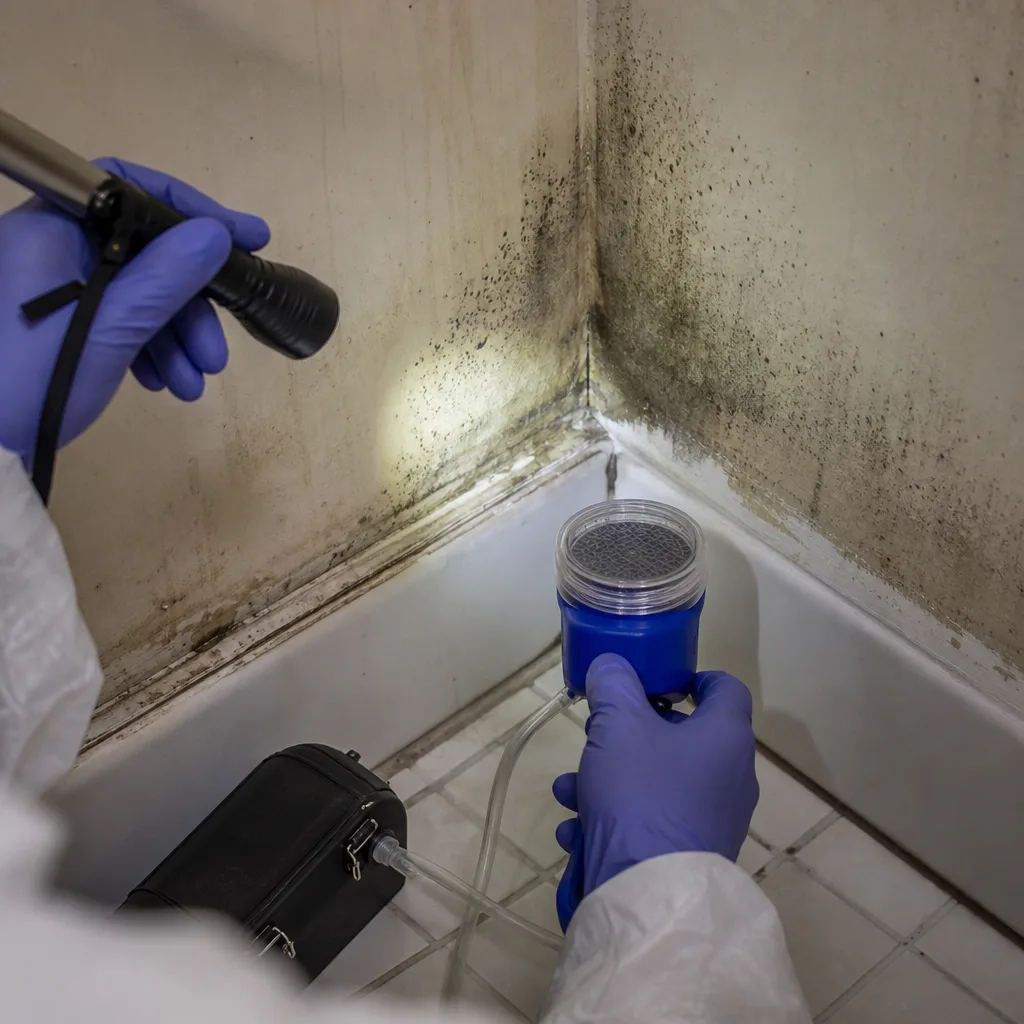
Cost comparisons between DIY and professional restoration are routinely distorted by omission. The visible cost of professional service is compared against the visible cost of DIY equipment, while the hidden costs of DIY, documentation failure, secondary damage, and claim denial, are excluded. Here is an honest accounting.
DIY cost structure for a contained Category 1 loss (80 square feet, tile and carpet, 4-hour response):
| Item | Cost Range |
|---|---|
| Wet-dry vacuum rental (3 days) | $45-$75 |
| Residential dehumidifier rental (7 days) | $175-$250 |
| Air mover rental (3 units, 7 days) | $105-$180 |
| Antimicrobial treatment (if Category 2) | $30-$60 |
| Moisture meter (pinless, basic) | $40-$80 |
| Personal protective equipment | $25-$50 |
| Waste disposal (bagged materials) | $35-$75 |
| Time investment (12-20 hours at median wage) | $300-$500 |
| Subtotal visible DIY cost | $755-$1,270 |
Hidden DIY costs (probability-weighted):
| Risk | Probability | Cost if Realized | Expected Cost |
|---|---|---|---|
| Incomplete drying leading to mold (Redondo Beach climate) | 25% | $4,500-$9,000 | $1,125-$2,250 |
| Insurance claim denial or reduction due to documentation gaps | 20% | $2,000-$8,000 | $400-$1,600 |
| Subfloor or structural damage from delayed detection | 10% | $3,000-$7,000 | $300-$700 |
| Permit/inspection issues on future sale | 15% | $1,500-$5,000 | $225-$750 |
| Subtotal hidden DIY cost (expected value) | $2,050-$5,300 |
Total DIY cost (visible + expected hidden): $2,805-$6,570
Professional cost structure for equivalent loss:
| Item | Cost Range |
|---|---|
| Professional mitigation with documentation | $1,200-$2,800 |
| Insurance deductible (if claim filed) | $500-$2,500 |
| Total professional cost | $1,700-$5,300 |
The professional cost range overlaps the DIY range at the high end but carries fundamentally different risk characteristics. The professional cost is capped and contractually guaranteed under Haven Standard, Clause 1. The DIY cost has a long tail of catastrophic outcomes that the expected value calculation understates, because a single mold remediation or claim denial can exceed the entire professional cost by 200-400%.
For losses above the four-factor threshold, the comparison becomes irrelevant. Category 2 water, drywall contact, or elapsed time beyond 24 hours places the loss in mandatory professional territory. The question is not whether to hire a professional, but whether to hire one whose documentation will survive claim review.
The fire and smoke damage restoration in Redondo Beach that we document follows the same evidentiary standards, with additional requirements for soot sampling, odor perception testing, and thermal deodorization verification. Fire losses are never DIY-viable due to the toxic combustion byproducts involved and the specialized cleaning protocols required for structural salvage versus total removal.
Common Mistakes to Avoid
- Assuming visible dryness equals actual dryness. Materials can appear dry at the surface while maintaining 30%+ moisture content at depth. Only metered readings confirm drying completion; visual inspection is unreliable and insurers will not accept it.
- Using household fans instead of air movers. Ceiling fans and box fans move air at insufficient velocity to create the vapor pressure differential required for structural drying. They also lack the focused airflow pattern that directs moisture toward dehumidification.
- Neglecting the underside of affected materials. Water wicks upward through carpet pad and downward through subfloor. Drying the top surface while the underside remains saturated guarantees secondary damage. This is particularly common in Redondo Beach’s older slab-on-grade construction where vapor barriers are absent or degraded.
- Failing to establish a baseline moisture reading. Without knowing the normal equilibrium moisture content of your specific materials in your specific climate, you cannot determine when drying is complete. “Feels dry” is not a measurement; 12% wood moisture content is.
- Discarding damaged materials before photographing them. Every removed material is evidence of loss extent. Photograph before removal, during removal, and after removal. The sequence matters for claim documentation.
- Assuming insurance will cover self-mitigation without question. Carriers increasingly require professional documentation for losses above minimal thresholds. Self-mitigate without understanding your policy’s specific requirements and you may discover the exclusion after the work is done.
- Ignoring the marine layer season in drying timelines. Redondo Beach homeowners who plan drying based on inland experience consistently underestimate required drying time by 30-50% during May-July. Adjust equipment capacity upward or extend rental periods accordingly.
When to Call a Professional
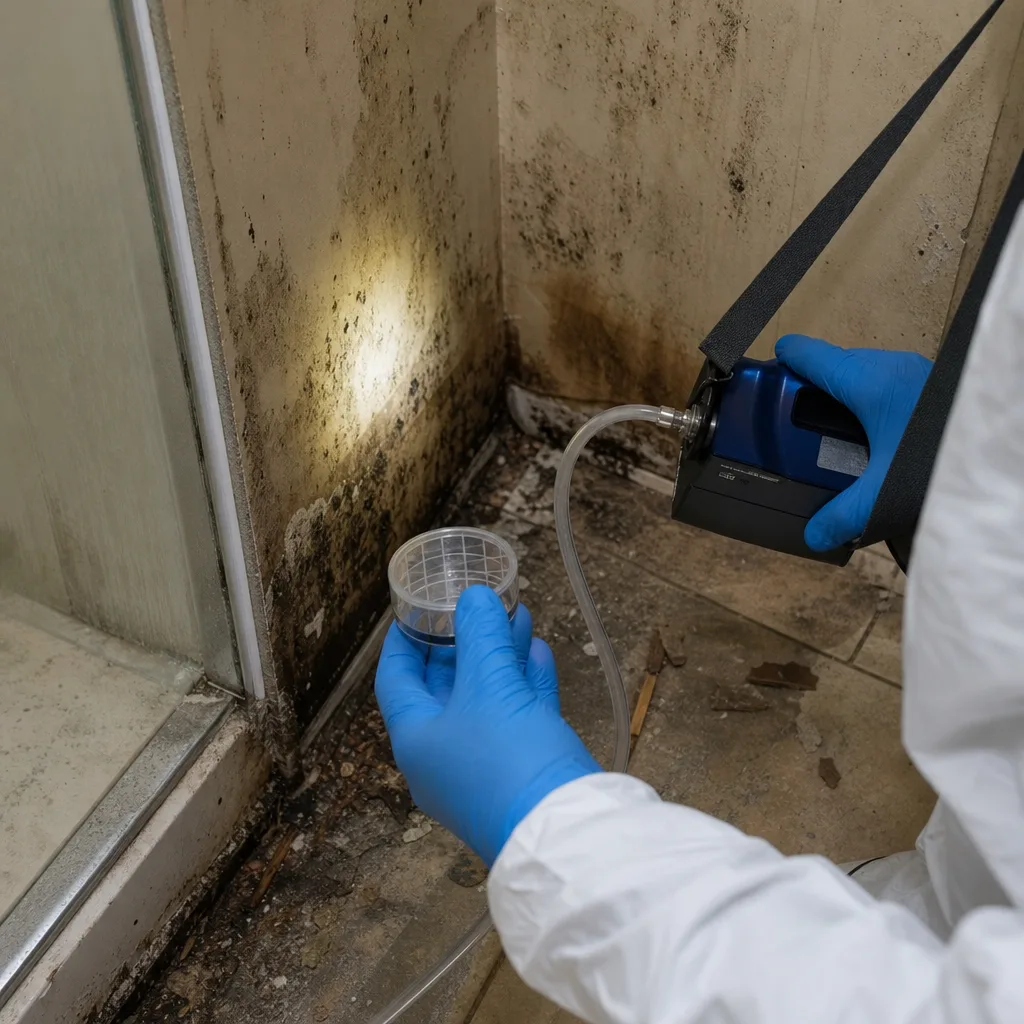
Call a professional when your four-factor score exceeds 7 points, when water has contacted drywall or insulation, when elapsed time exceeds 24 hours, when the water category is 2 or 3, or when you cannot produce the documentation protocol described in this guide. Call immediately if electrical systems, HVAC components, or structural framing are involved.
The decision to self-mitigate is not a moral judgment on your capability. It is a risk assessment about documentation liability, secondary damage probability, and claim preservation. In Redondo Beach’s coastal climate, with California’s hardened insurance market and strict contractor licensing, the margin for error is narrow and the cost of error is severe.
DryMark Restoration Redondo Beach offers free estimates in Redondo Beach. Our written scope, delivered before any work begins under Haven Standard, Clause 1, lets you compare professional documentation against your DIY documentation burden with full information. We also provide a Free Second Opinion on any competitor’s written estimate, reviewing their scope for completeness and their pricing for accuracy at no charge.
Call (424) 375-7225 for a free estimate. Live person answers every call, 24 hours a day, 7 days a week, with no voicemail on emergency lines.
Frequently Asked Questions
Your insurer may pay a self-mitigated claim if you produce complete documentation, including timestamped photos, moisture readings, and a written scope, but many carriers now require professional documentation for losses above minimal thresholds. Call (424) 375-7225 for a free estimate, and we can review your policy’s specific requirements.
Our live dispatch answers every call immediately, and emergency response in Redondo Beach typically occurs within 60-90 minutes for water and sewage losses. Fire and biohazard response may require additional mobilization time for specialized equipment. Call (424) 375-7225 to confirm current availability.
Visible mold on a surface typically indicates colonization extending into the substrate and potentially the cavity beyond; surface cleaning without moisture source elimination and air quality verification leaves active growth and health liability intact. Professional remediation includes containment, negative air pressure, Hepa filtration, and post-remediation verification sampling that DIY cannot replicate.
We coordinate directly with your adjuster, providing our photo record, drying logs, and written scope in the format they require for claim processing. Our documentation is structured to IICRC and RIA standards that adjusters recognize as reliable, reducing back-and-forth and accelerating payment. You are not responsible for translating our work into claim language.
Contained Category 1 losses typically range $1,200-$2,800; Category 2 losses with material removal range $2,500-$5,500; Category 3 or extensive structural losses range $5,000-$15,000 or more depending on square footage and affected systems. Every job receives a written price before work begins under Haven Standard, Clause 1. Call (424) 375-7225 for an exact quote, estimates are free.
Redondo Beach’s marine layer maintains elevated humidity, particularly overnight and during May-July, which reduces vapor pressure differential and extends required drying time by 30-50% compared to inland locations. Professional-grade dehumidification with capacity adjusted for coastal conditions is essential; residential equipment is typically undersized for this environment.
The Bottom Line
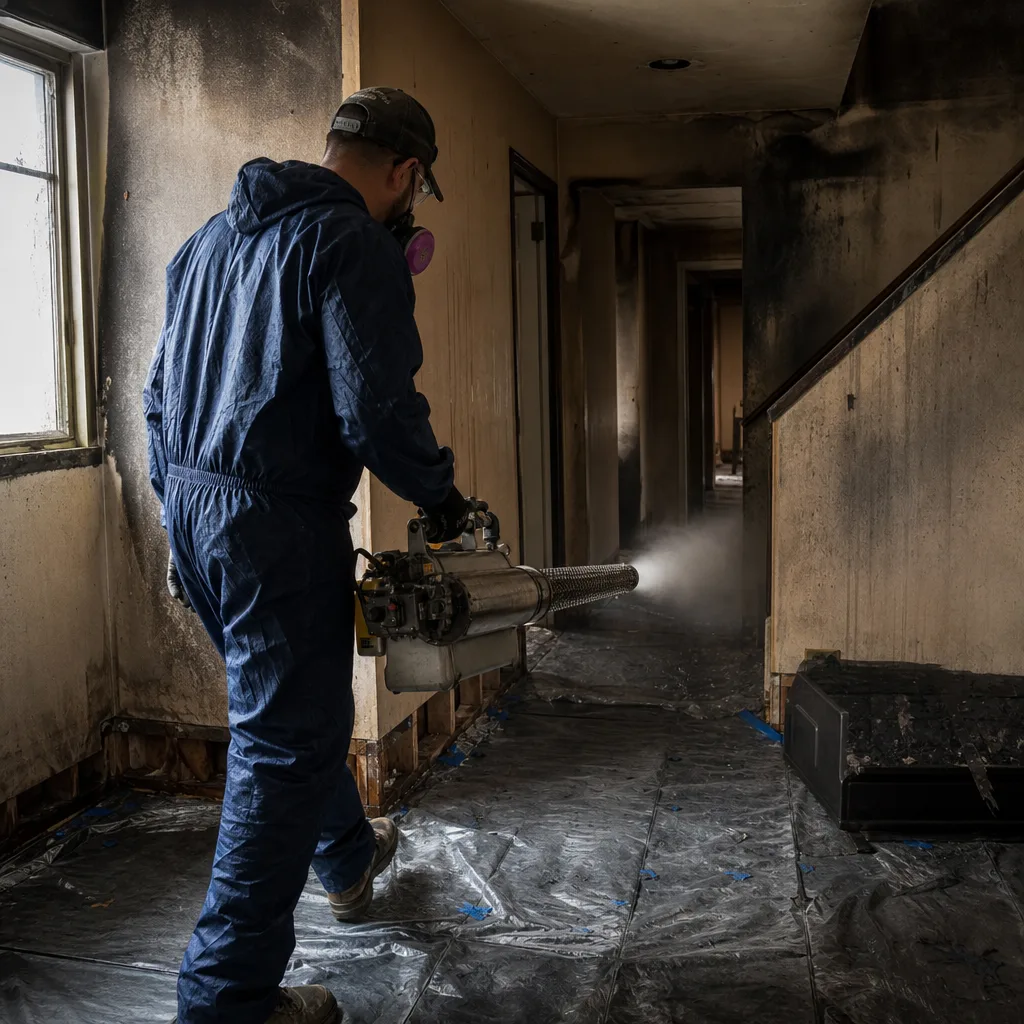
The DIY versus professional restoration decision is a documentation liability calculation, not a skill assessment. For the narrow corridor of Category 1 water on non-porous surfaces dried within four hours, competent homeowners can self-mitigate with rigorous documentation. For everything else, including any water contacting drywall, insulation, or subfloor, professional engagement preserves claim eligibility, eliminates secondary damage risk, and produces transferable property records. In Redondo Beach’s coastal climate, the 48-72 hour mold window and marine layer humidity compress timelines and elevate equipment requirements beyond residential capability. The true cost of DIY is not the equipment rental; it is the documentation gap that turns a covered loss into an unverifiable claim, and the incomplete drying that generates mold remediation costs exceeding the original mitigation by multiples. Hire for documentation, not just labor. The evidence you produce today determines what you recover tomorrow.
Written by Alicia Brennan, Owner at DryMark Restoration Redondo Beach, serving Redondo Beach since 2011.