
Last updated September 23, 2026
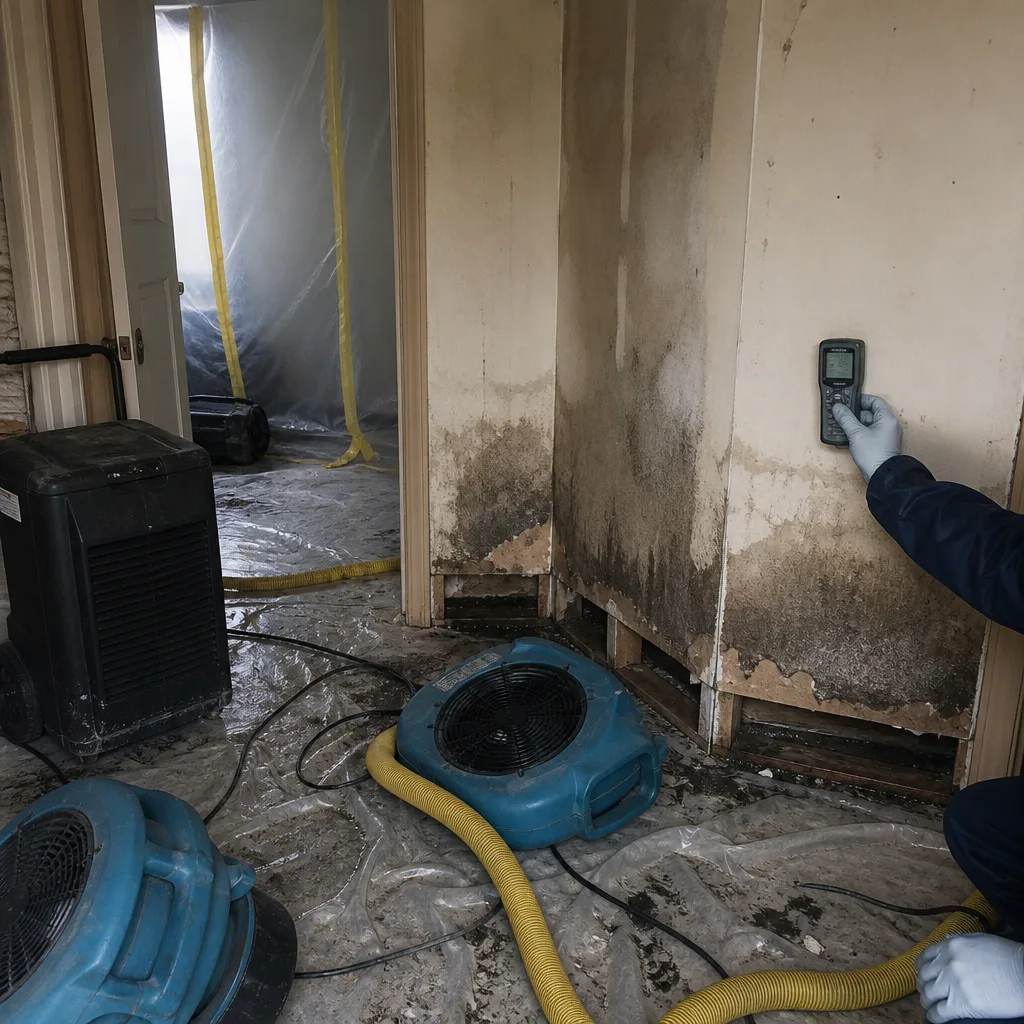
Free visual inspection and a written scope of work before any mitigation begins - photos, moisture readings, and drying logs go in your claim file
The scope we write is the scope we bill. Anything new gets shown to you, in writing, before we touch it.
 Before
 After
After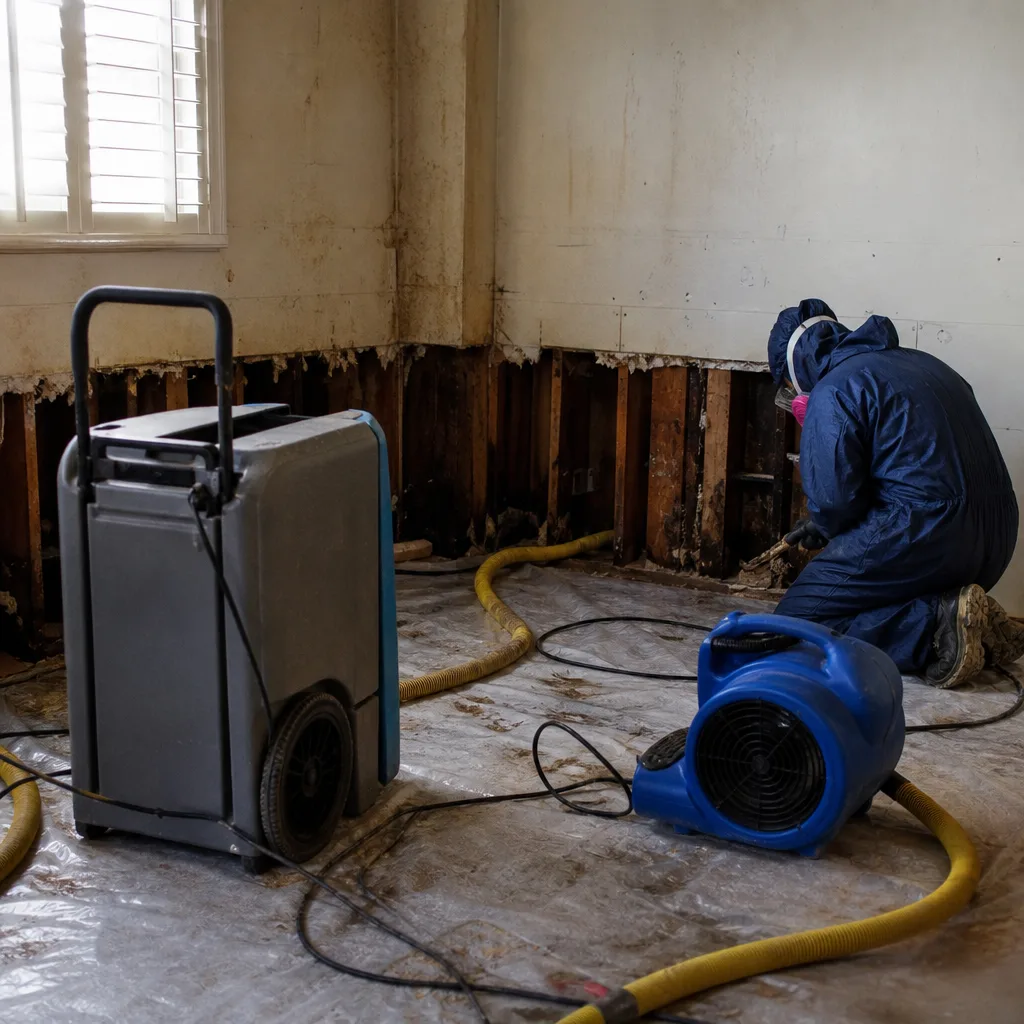 Before
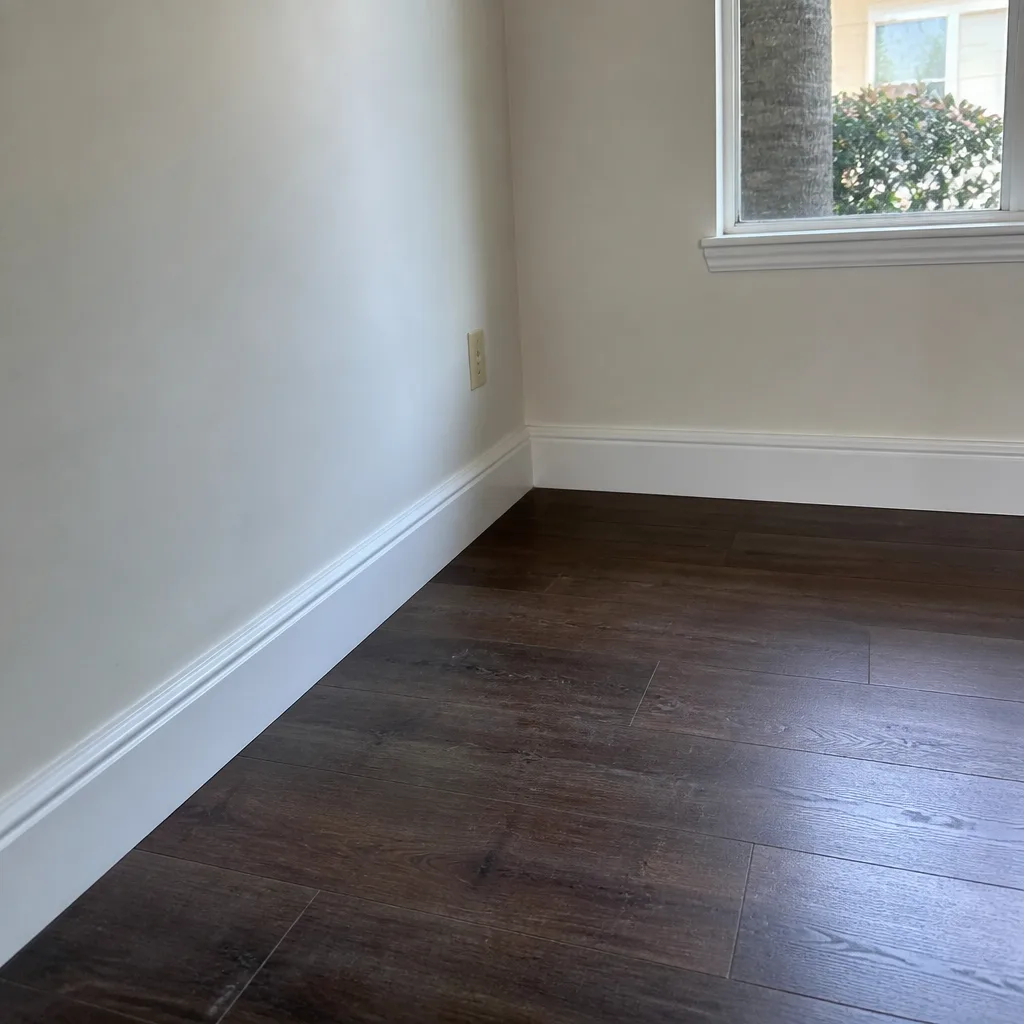 After
After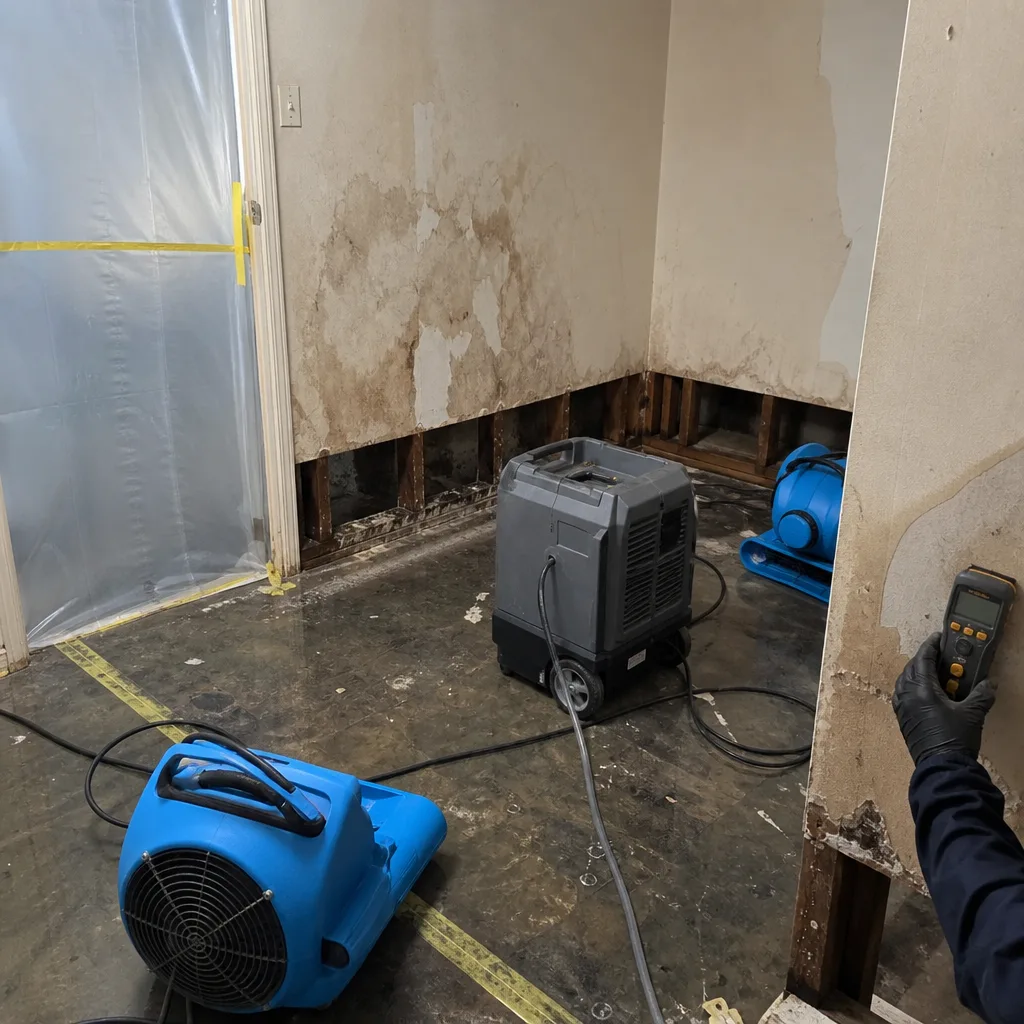 Before
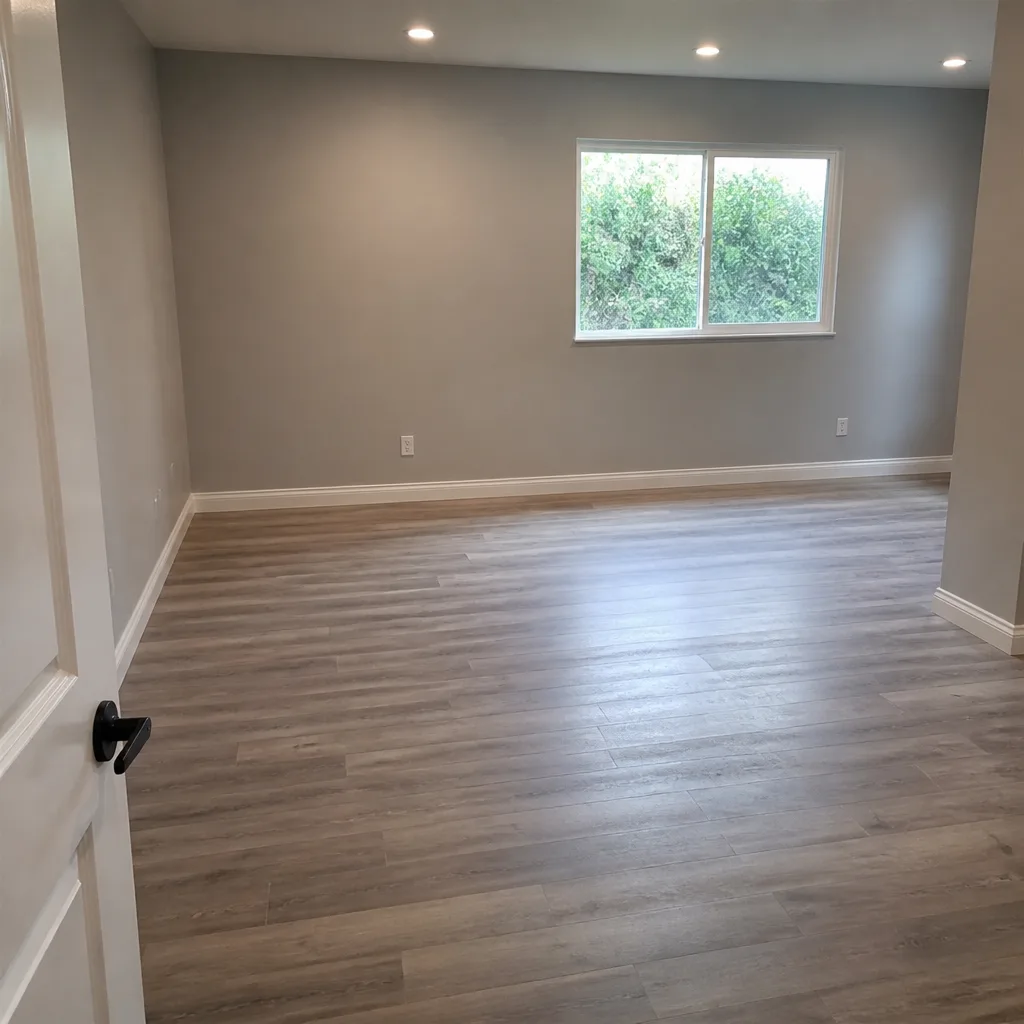 After
AfterDamage Restoration Cost Breakdown: The Redondo Beach Homeowner’s Reference for 2026
The average water damage claim in Los Angeles County runs $12,000-$18,000, but two homes with identical square footage and identical damage can produce estimates that differ by $6,000 - entirely based on how the scope is written, not what the damage actually is. In Redondo Beach, where labor rates run 15-20% above inland LA County and coastal humidity complicates drying timelines, that gap widens. This guide - alongside our Damage Restoration Warning Signs: A Redondo Beach Homeowner’s Reference Guide - decodes the Xactimate pricing categories most commonly used in local claims, so you can read your own estimate and identify whether the numbers reflect actual scope or padding.
Quick Answer
Water damage restoration in Redondo Beach typically costs $3,500-$8,500 for Category 1 clean water incidents, $6,000-$15,000 for Category 2 gray water, and $10,000-$25,000+ for Category 3 black water or sewage. Fire and smoke restoration ranges from $8,000-$30,000 depending on structural involvement. Mold remediation averages $15-$30 per square foot of affected area. The final invoice depends less on the damage itself than on five line-item categories: emergency services, structural drying, demolition, antimicrobial treatment, and reconstruction - each billed at distinct rates with distinct rules for what insurers will pay without documentation.
Table of Contents
- The Five Cost Categories on Every Restoration Invoice
- How Equipment Rental Line Items Are Actually Billed
- ACV vs. RCV: Where Your Settlement Gets Reduced
- What a Written Scope Locks In - and What It Cannot
- Why Redondo Beach Pricing Differs from Inland LA County
- How to Read Your Xactimate Estimate Line by Line
- Why Three Bids from Different Platforms Look Incomparable
- Common Mistakes to Avoid
- When to Call a Professional
- Frequently Asked Questions
- The Bottom Line
 Before
 After
AfterThe Five Cost Categories on Every Restoration Invoice
Every restoration invoice in Redondo Beach, whether generated through Xactimate, Symbility, or a contractor’s proprietary system, sorts charges into five categories. Understanding each prevents the most common source of invoice shock: a homeowner who expected one number and received another because a category was omitted from the initial conversation.
Emergency Services
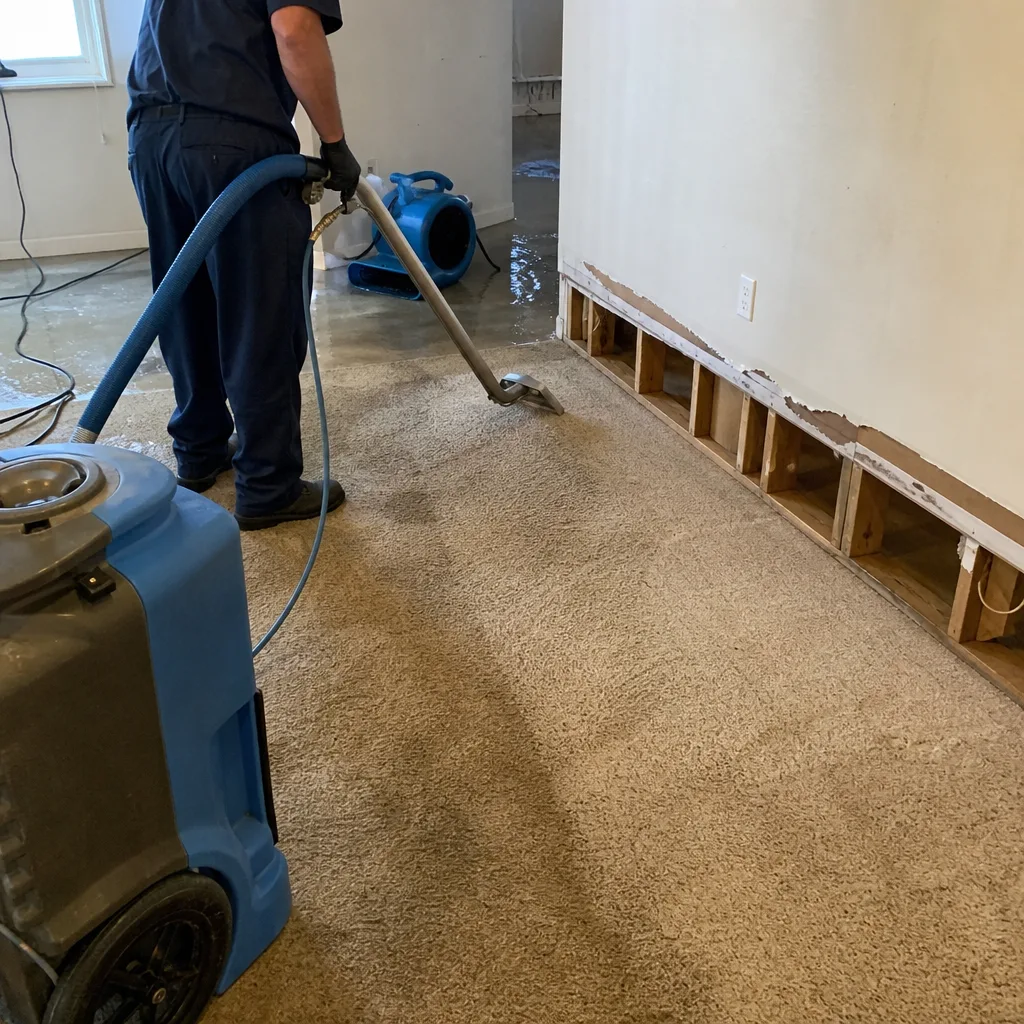
This covers the first 4-24 hours: water extraction, initial containment, board-up, tarping, or establishing negative air pressure. In Redondo Beach, emergency service rates typically run $150-$350 per hour for a two-person crew, with minimum charges of 4 hours common. After-hours or holiday dispatch adds 25-50%. The critical detail: emergency services are billed time-and-materials unless a written scope is issued first. Haven Standard, Clause 1 exists because we have seen homeowners charged for 16 hours of emergency work when 6 hours would have sufficed, simply because no scope capped the effort.
What to verify on your invoice: crew arrival time, departure time, head count, and specific tasks performed. Vague line items like “emergency response” without task breakdown are dispute flags.
Structural Drying
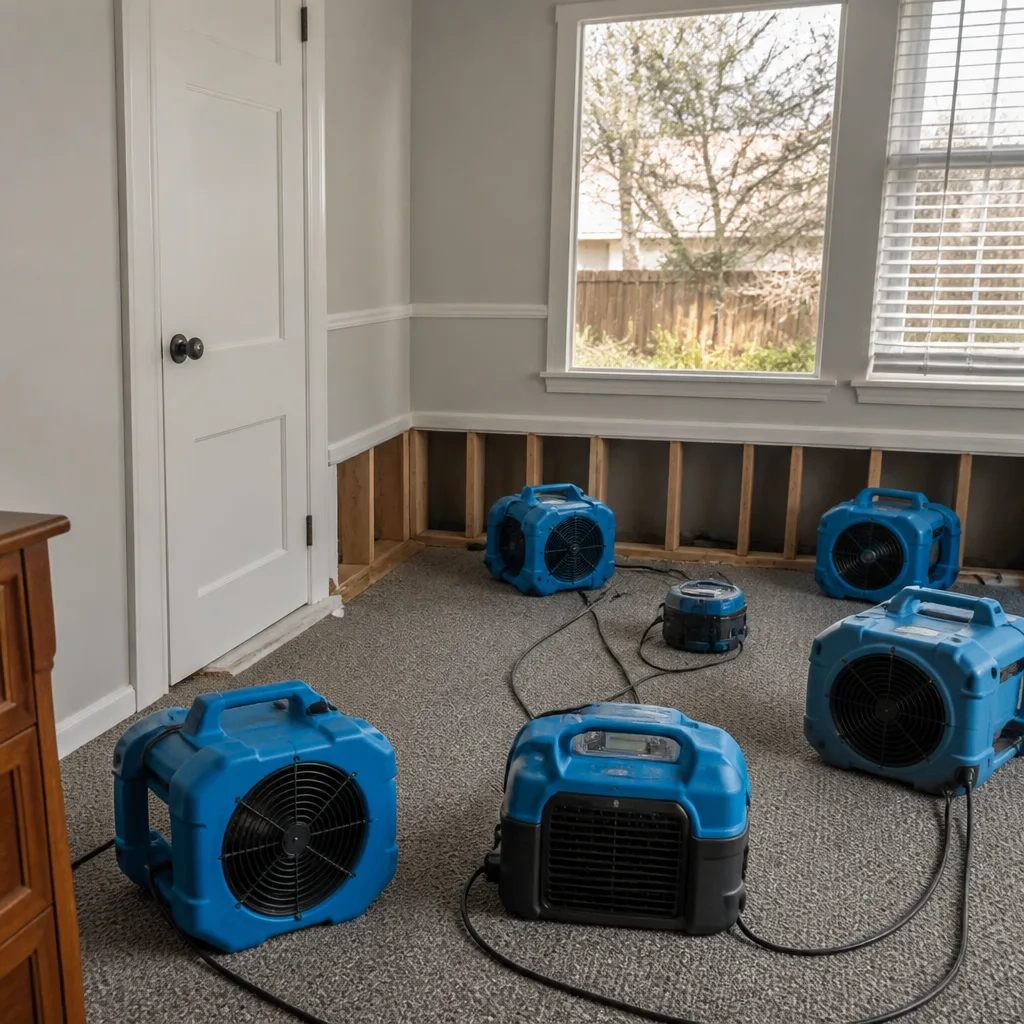
This is where equipment lives. LGR dehumidifiers, axial and centrifugal air movers, negative air machines, and specialty systems like Injectidry floor drying mats. Drying is billed per day, per machine, with rates in Redondo Beach typically:
- LGR dehumidifier: $85-$140/day
- Air mover (standard): $25-$45/day
- Air scrubber/negative air machine: $75-$125/day
- Injectidry hardwood floor drying system: $150-$250/day
- Thermal imaging moisture verification: $150-$300 per visit
A 2,000 square foot home with Category 2 water damage typically requires 3-4 dehumidifiers, 12-16 air movers, and 2-3 air scrubbers for 3-5 days. At mid-range pricing, that is $2,100-$4,200 in equipment alone, before labor for monitoring and adjustment.
Coastal Redondo Beach presents a specific drying challenge: marine layer humidity from May through July often extends drying timelines by 30-50% compared to inland climates. A job that dries in 3 days in Torrance may need 5 in the Riviera Village area. Your invoice should document daily psychrometric data - temperature, relative humidity, and specific humidity readings - to justify each additional day. Without that data, extended equipment rental is negotiable.
Demolition and Debris Removal
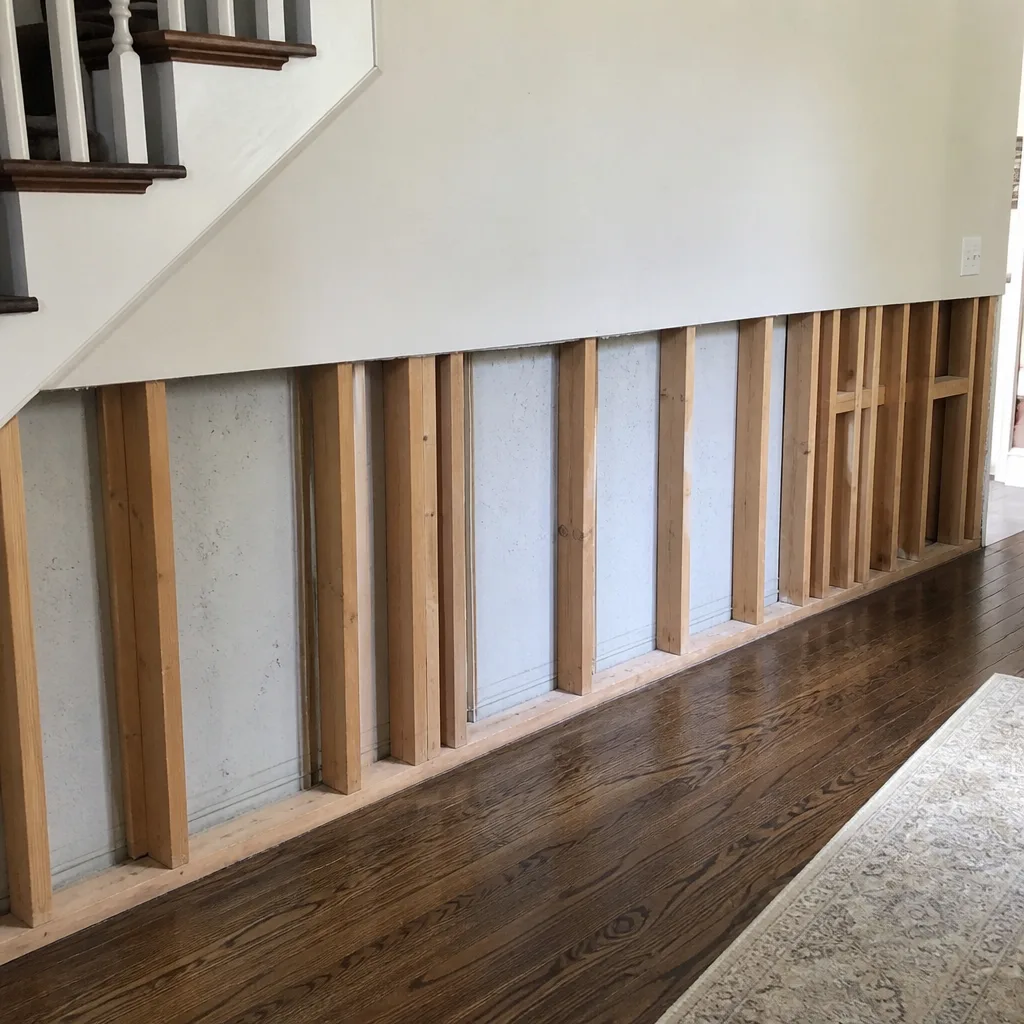
Removable of drywall, insulation, flooring, or cabinetry to expose wet structural materials. Priced per square foot or linear foot, with hazardous material surcharges for pre-1980s construction that may contain asbestos or lead. In Redondo Beach, where the housing stock includes significant mid-century construction in the Hollywood Riviera and South Redondo neighborhoods, asbestos testing is frequently required before demolition can proceed.
Typical ranges: drywall removal at $2.50-$4.50 per square foot, tile or hardwood removal at $4-$8 per square foot, insulation removal at $1.50-$3.00 per square foot. Debris disposal in LA County runs $75-$150 per cubic yard, with hazardous waste surcharges of 200-400% for asbestos-containing materials.
Antimicrobial Treatment
Application of EPA-registered disinfectants, biocides, or mold inhibitors to affected surfaces. This category is where estimates diverge most wildly. A light Category 1 incident may need only surface treatment at $0.50-$1.00 per square foot. Category 3 sewage backup requires full fogging of structural cavities, often at $2.50-$5.00 per square foot, with HEPA air filtration during application.
The documentation standard: your invoice should list the specific product applied (by EPA registration number), the dilution ratio, the application method, and the square footage treated. Generic “antimicrobial treatment” line items without this detail are frequent targets for insurer depreciation or denial.
Reconstruction
Everything after drying: drywall installation, painting, flooring replacement, cabinetry, electrical, plumbing. This is not restoration; it is construction, and it should be scoped, scheduled, and priced in writing like any remodel, with attention to Damage Restoration Permits, Codes & Inspections in CA: What You Need to Know. Reconstruction represents 40-60% of total claim value on significant losses. In Redondo Beach, where finish quality expectations run high and coastal building codes require moisture-resistant materials in below-grade spaces, reconstruction costs often exceed inland equivalents by 20-30%.
Critical distinction: speed language belongs on mitigation, not reconstruction. A contractor promising same-day reconstruction is either performing cosmetic patchwork or misunderstanding the category. Proper reconstruction requires permit verification, material procurement, and sequential trade scheduling.
How Equipment Rental Line Items Are Actually Billed
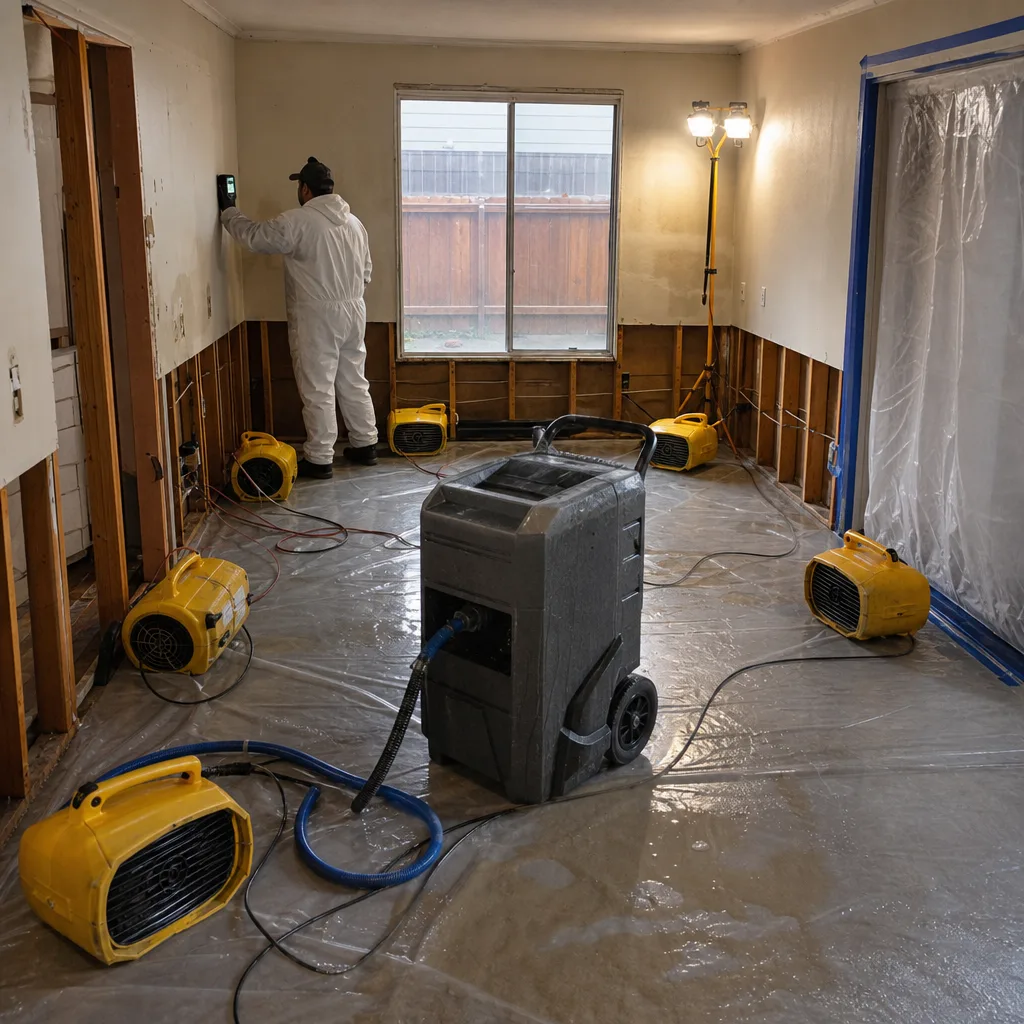
Equipment rental is the most opaque category on most restoration invoices, and the most common source of post-job disputes. Here is how the billing actually works, and what documentation protects you.
Restoration equipment is billed per day, with “day” defined in your contract or estimate. Standard definitions include:
- 24-hour clock: Any equipment on-site for any portion of a 24-hour period counts as one day. This is the most common industry standard.
- Calendar day: Equipment delivered Monday, removed Wednesday = 3 days even if only 48 hours elapsed.
- Monitoring day: Only days on which a technician visits to record moisture readings and adjust equipment. This is the Haven Standard approach, as it ties billing to documented activity rather than passive presence.
The dispute pattern we see repeatedly in Redondo Beach: a job runs two extra days because no technician visited to verify dryness, or because equipment was left running in a room that had already reached dry standard (typically 12-16% moisture content for wood framing, verified with pin-type meters). Those two days at $400-$700 per day in equipment rental, without documented justification, become the $800-$1,400 that separates a paid claim from a disputed one.
Your protection: daily drying logs. These should record moisture readings for each affected material, in each affected room, with technician initials and timestamp. IICRC S500 standards require this documentation; its absence is a deviation from professional practice, not a minor omission. At Water Damage Restoration in Redondo Beach, we provide these logs as a standard deliverable, not an upsell.
One Redondo Beach-specific note: homes in the Avenues area, closer to the beach, often require desiccant dehumidifiers rather than standard LGR units during marine layer season. Desiccants run $200-$350 per day versus $85-$140 for LGRs. If your estimate specifies desiccant equipment, the justification should cite exterior humidity readings above 70% RH or interior conditions that LGRs cannot achieve.
ACV vs. RCV: Where Your Settlement Gets Reduced
California homeowners policies typically default to Actual Cash Value (ACV) for structural contents and some building elements, with Replacement Cost Value (RCV) available as an endorsement or upgrade. The difference matters enormously for restoration pricing, and most homeowners do not discover their coverage type until after the loss.
ACV pays what the damaged item was worth immediately before loss, minus depreciation. A 12-year-old water heater with a 15-year life gets 80% depreciated; you receive 20% of replacement cost. RCV pays full replacement cost, with depreciation “held back” until you actually replace the item and submit receipts.
In restoration, the depreciation hit concentrates on specific line items:
- Heavy depreciation (50-80% typical): Carpet over 5 years old, appliances, HVAC equipment, personal property, roofing materials
- Moderate depreciation (20-40%): Cabinets, countertops, tile flooring, drywall (if not structural)
- Minimal depreciation (0-15%): Structural framing, electrical rough-in, plumbing supply lines, emergency services and drying labor
The critical insight for Redondo Beach homeowners: emergency services and structural drying labor are rarely depreciated, while finish materials are heavily depreciated under ACV policies. This creates a perverse incentive for contractors to load costs into labor and equipment categories, which insurers pay fully, while minimizing material line items that trigger depreciation holdbacks. A well-written scope distributes costs honestly across categories; a padded scope shifts them strategically.
California law requires insurers to offer RCV coverage for dwellings, but many older policies or landlord policies remain ACV-only. If your restoration estimate assumes RCV payment and your policy is ACV, your out-of-pocket exposure increases by 30-50% on finish materials. Verify your policy type before work begins, and request that your contractor scope to your actual coverage.
What a Written Scope Locks In - and What It Cannot
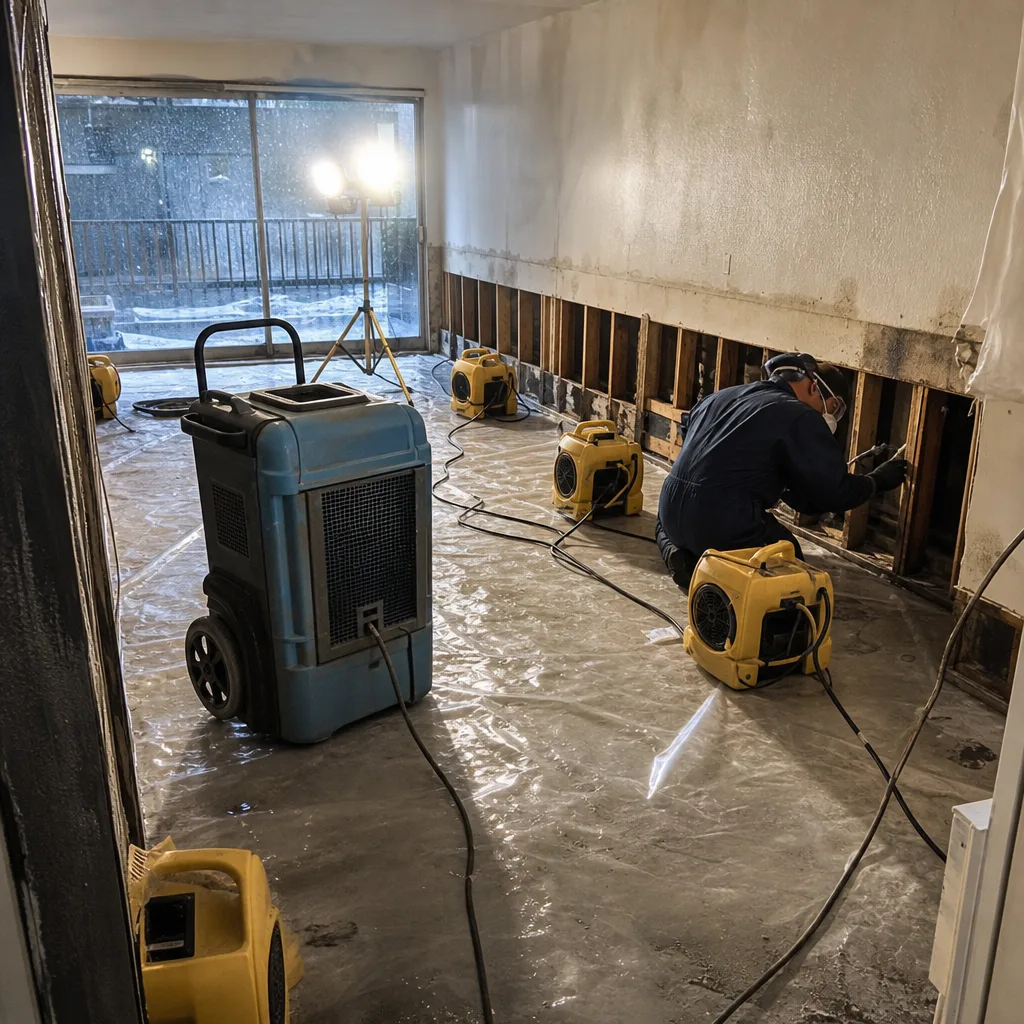
Haven Standard, Clause 1 requires a written price before any work starts. This is not a marketing preference; it is a structural protection against the most common complaint we hear from Redondo Beach homeowners: “The estimate was $8,000, but the final invoice was $14,000.”
A proper written scope locks in:
- Labor rates and estimated hours for each trade or task category
- Equipment type, quantity, and maximum rental days
- Material specifications (brand, model, or performance grade)
- Permit requirements and who obtains them
- Contingency percentage, typically 10%, with explicit trigger conditions
- Payment schedule tied to documented milestones, not calendar dates
What remains variable, even with a written scope:
- Hidden damage discovered after demolition (termite damage, corroded plumbing, electrical code violations)
- Category escalation: clean water that sat 72 hours becomes gray water; gray water with no power for 48 hours becomes black water
- Material availability: supply chain delays do not change prices but extend timelines, which extends equipment rental
- Insurer-mandated changes: your adjuster may require additional testing or alternative methods
The “time and materials” contract is the single most reliable predictor of final invoice surprises. Without a not-to-exceed cap or a fixed-price commitment, every additional day of drying, every extra air mover, every return trip becomes billable regardless of necessity. We decline time-and-materials engagements for mitigation work precisely because the incentive structure misaligns contractor and homeowner interests.
In Redondo Beach, where permit requirements from the City Building Division can add 5-10 business days to reconstruction timelines, a written scope should specify who pays for permit-related delays. Our standard: if we failed to identify permit requirements during initial assessment, we absorb delay costs. If the homeowner requests changes that trigger new permits, costs transfer accordingly. This is documented in writing before work begins.
Why Redondo Beach Pricing Differs from Inland LA County
Restoration pricing is fundamentally local. Labor rates, disposal costs, permit fees, and material availability vary by geography, and Redondo Beach occupies a specific position in the Los Angeles market that affects every line item.
Labor market: Redondo Beach restoration technicians command $28-$38 per hour versus $22-$30 in San Bernardino County or the Antelope Valley. The difference reflects cost of living, commute distances, and competition from construction trades. A water damage crew of three working an 8-hour day costs $672-$912 in labor alone in Redondo Beach, before overhead, equipment, or profit.
Disposal and environmental: LA County landfill tipping fees exceed $130 per ton for construction debris, with asbestos-containing materials requiring transport to specialized facilities at $400-$800 per ton. Redondo Beach’s older housing stock, particularly in the South Redondo and Golden Hills areas, generates more hazardous material encounters than newer inland subdivisions.
Coastal building codes: The City of Redondo Beach requires moisture-resistant materials in below-grade spaces and specific vapor barrier standards for slab-on-grade construction. These requirements, while sensible for the marine climate, add 10-15% to reconstruction material costs versus inland equivalents.
Access and logistics: Narrow streets in the Avenues, hillside construction in the Hollywood Riviera, and limited parking for equipment trailers in commercial areas of North Redondo all extend labor hours. A job that requires 200 feet of hose lay for water extraction, or crane access for roofing tarping, carries legitimate surcharges that inland flatland jobs do not.
Insurance market dynamics: Redondo Beach’s higher property values and coastal exposure have compressed the homeowners insurance market. Some carriers have exited entirely; others have tightened claim protocols. This means more claims are handled by adjusters unfamiliar with local conditions, more disputes over “reasonable and customary” costs, and more need for documented justification of every line item.
How to Read Your Xactimate Estimate Line by Line
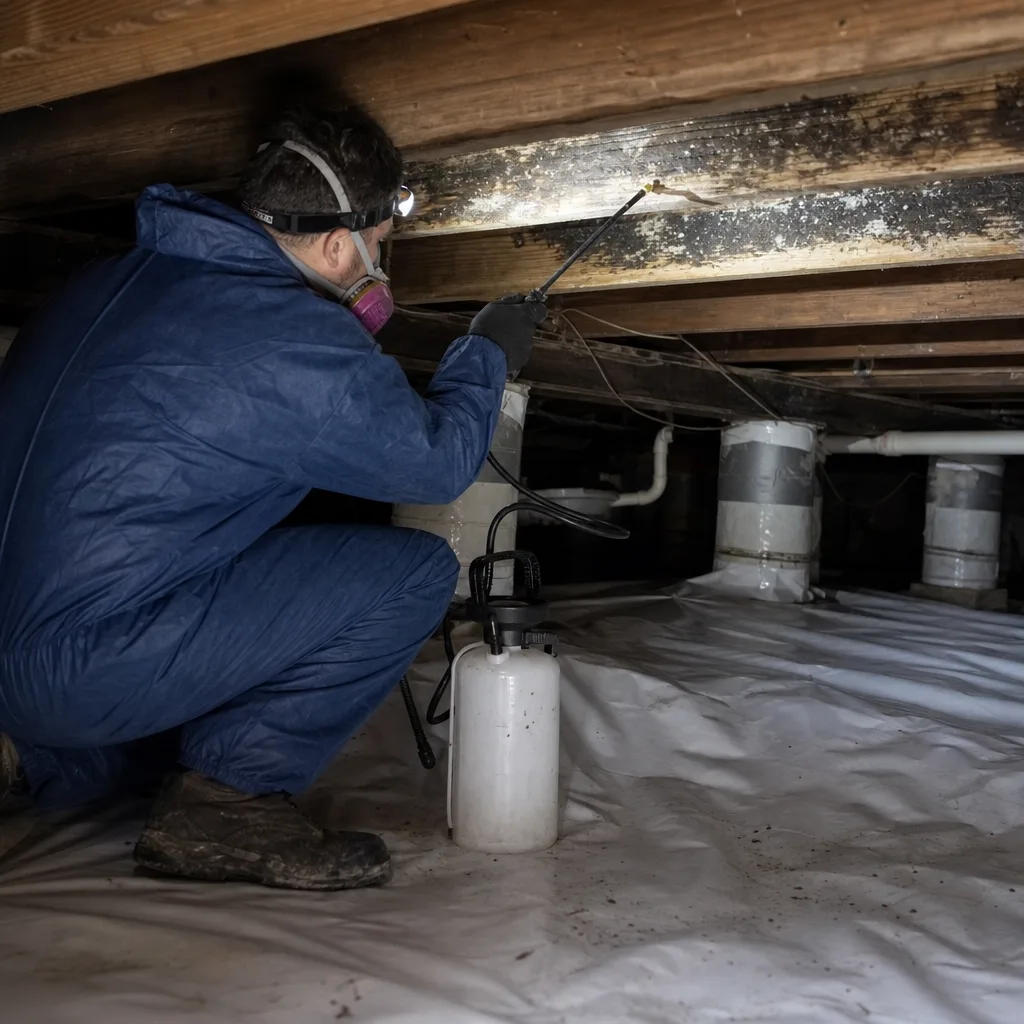
Xactimate is the dominant estimating platform in property insurance, used by most carriers and many contractors. Its output looks standardized, but the underlying judgments are not. Here is how to read what you receive.
Xactimate organizes estimates by line items, each with a code (like WTR-DRY for water damage drying), description, quantity, unit price, and extended price. The unit price is drawn from Xactimate’s pricing database, updated quarterly by zip code. For Redondo Beach, the relevant pricing database is Los Angeles County, with coastal adjustments.
- Check the zip code and pricing date. Estimates using outdated pricing databases may understate current costs by 10-15%. The estimate header shows the pricing date; verify it is within 90 days of your loss date.
- Verify line item descriptions match actual work. “WTR-DRY” covers standard structural drying with air movers and dehumidifiers. If your job required Injectidry floor mats or desiccant dehumidifiers, the estimate should show specific line items for that equipment, not generic WTR-DRY at higher quantity.
- Check for “overhead and profit” (O&P). Xactimate adds 10% overhead and 10% profit when three or more trades are involved. Some adjusters omit O&P improperly; some contractors add it when only two trades are present. Verify the trigger condition is met.
- Review the “contents manipulation” line items. Moving furniture and belongings to access wet areas is legitimate work, but it is frequently inflated. Verify the room count and estimated hours against actual contents density.
- Examine “non-cat” line items. These are not standard Xactimate entries but custom additions. Each should have a detailed description, justification, and often a photograph. Vague non-cat items are dispute magnets.
The DryMark Restoration Redondo Beach home page includes examples of properly documented estimates versus problematic ones. The difference is always in the specificity: named materials, measured quantities, photographed conditions, and signed acknowledgments of scope limits.
One practical test: can you reconstruct what happened in each room from the estimate alone? If line items read “dry affected area” without room designation, square footage, or material type, the estimate lacks the documentation density that insurers pay without challenge.
Why Three Bids from Different Platforms Look Incomparable
The standard advice - “get three bids” - fails in restoration because contractors use different estimating systems with different underlying assumptions. A homeowner comparing three estimates without understanding the platform differences is comparing apples to oranges to pears.
Xactimate vs. Symbility: These are the two dominant platforms. Xactimate tends to price labor higher and materials lower; Symbility reverses that emphasis. A $10,000 Xactimate estimate and a $10,000 Symbility estimate may allocate costs so differently that one covers labor adequately while the other underpays technicians and overcharges for materials.
Contractor proprietary systems: Some large restoration companies use internal pricing that does not map to insurance databases. These estimates may be accurate for their cost structure but incomprehensible to adjusters, triggering payment delays while the parties negotiate translation.
Scope-to-scope translation requires:
- Matching room-by-room square footage measurements
- Identical category classifications (Category 1 vs. 2 vs. 3)
- Matching equipment specifications (LGR vs. desiccant, standard air mover vs. axial)
- Identical material grades (builder-grade vs. mid-grade vs. premium)
- Matching permit and testing assumptions
In Redondo Beach, we have seen homeowners discard the lowest bid because it seemed “too cheap,” when in fact it was the most accurately scoped, using conservative drying assumptions and standard-grade materials. Conversely, we have seen the highest bid accepted because it included unnecessary demolition or premium materials that the homeowner’s policy would not cover at RCV.
The Haven Standard response: we provide our estimate in Xactimate format by default, with Symbility translation available on request, and we offer a Free Second Opinion on any competitor’s written estimate. For more guides & resources on navigating restoration pricing, visit our blog. Bring us another contractor’s scope and we will identify where assumptions diverge, in writing, at no charge. This is not altruism; it is how we demonstrate that our documentation holds up to comparison.
For Fire & Smoke Damage Restoration in Redondo Beach, the platform problem intensifies. Fire estimates involve more specialty line items (contents cleaning, deodorization, thermal fogging, ozone treatment) with less standardized pricing. A bid that omits “ultrasonic cleaning for electronics” may appear $2,000 cheaper while leaving you with permanently smoke-damaged equipment.
Common Mistakes to Avoid
- Accepting a verbal estimate for emergency work. In California, any home improvement contract over $500 must be in writing. Emergency services are not exempt, and verbal estimates are unenforceable. Demand written scope before truck rolls.
- Ignoring the “category” determination. Water damage category (1, 2, or 3) drives antimicrobial requirements, disposal protocols, and drying timelines. A contractor who downgrades Category 2 to Category 1 to win a bid creates liability; one who upgrades unnecessarily inflates cost. Verify the category determination with moisture duration and source documentation.
- Signing a “direction to pay” without understanding it. This document assigns your insurance payment directly to the contractor. It is standard practice, but it removes your leverage if work is incomplete or defective. Never sign without a completion milestone schedule.
- Neglecting to document pre-existing conditions. In Redondo Beach’s competitive real estate market, many homes have prior repairs, additions, or unpermitted work. Photograph everything before restoration begins. Your contractor should too; if they do not, that is a documentation gap.
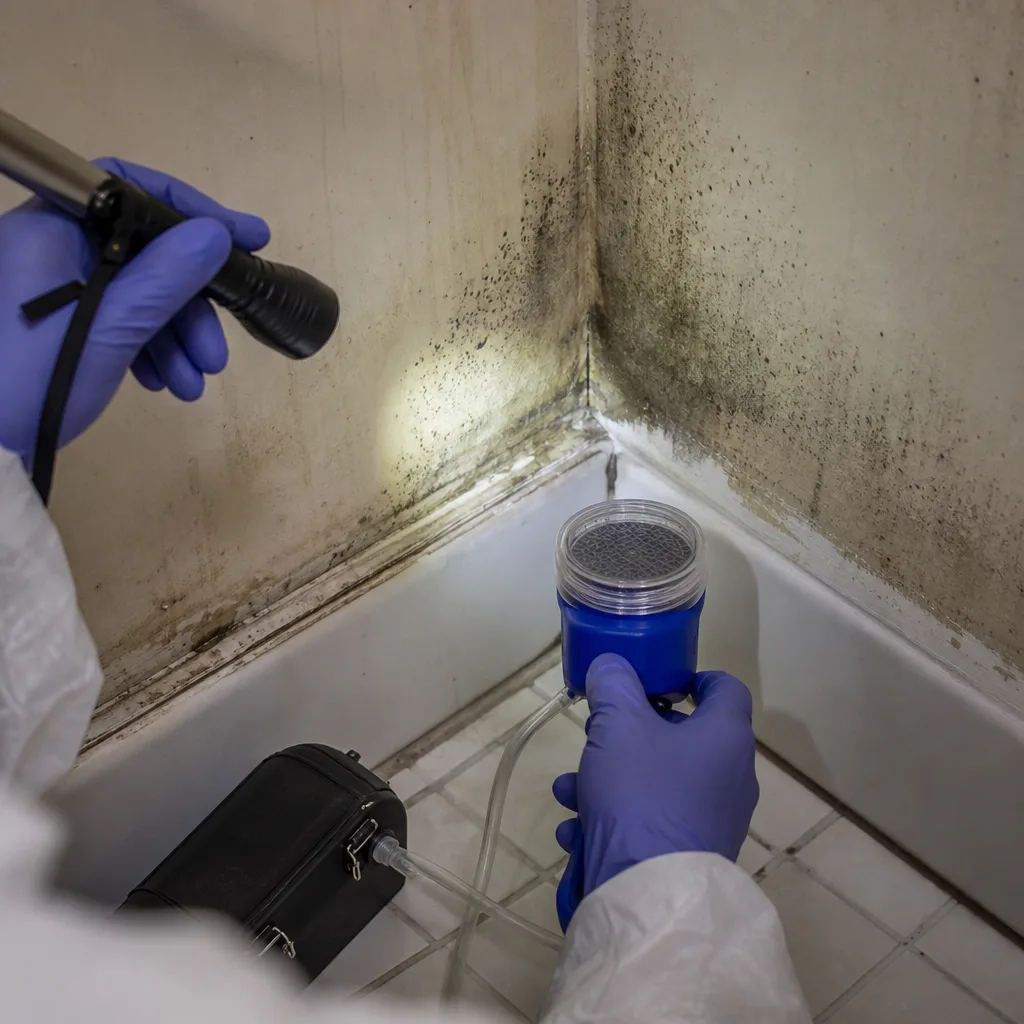
- Assuming mold is covered. Most California homeowners policies exclude mold unless it results from a covered peril (sudden pipe burst, not long-term humidity). A $15,000 mold remediation may be entirely out-of-pocket. Verify coverage before authorizing work.
- Overlooking the reconstruction permit gap. Some restoration contractors perform mitigation but subcontract or avoid reconstruction. If your contractor does not handle reconstruction, ensure their demolition scope aligns with what your reconstruction contractor needs. Misaligned demolition creates change orders that inflate final cost.
- Failing to request daily drying logs. These are not “nice to have.” Under IICRC S500, they are the documentation standard that distinguishes professional drying from equipment rental. A contractor who cannot produce them is not following professional standards.
When to Call a Professional
Call immediately when water originates from an unknown source, when Category 2 or 3 contamination is suspected, when electrical panels or gas lines are involved, or when moisture has affected structural elements (framing, subfloor, insulation) that cannot be verified dry without invasive inspection. In Redondo Beach’s marine climate, visible water is rarely the full extent of the problem; vapor migration through wall cavities and under slab-on-grade construction requires moisture mapping with thermal imaging and pin-type meters.
For mold, call when visible growth exceeds 10 square feet, when HVAC systems are involved, or when occupants have respiratory conditions. For fire and smoke, call before attempting any cleaning; improper methods can permanently set smoke residues and void insurance coverage for subsequent professional remediation.
DryMark Restoration Redondo Beach offers free estimates in Redondo Beach - call (424) 375-7225. Every estimate includes a written scope before work begins, documented photo record on every visit, and the 365-Day Done Right Promise under The Haven Standard. We also provide a Free Second Opinion on any competitor’s written estimate at no charge.
Frequently Asked Questions
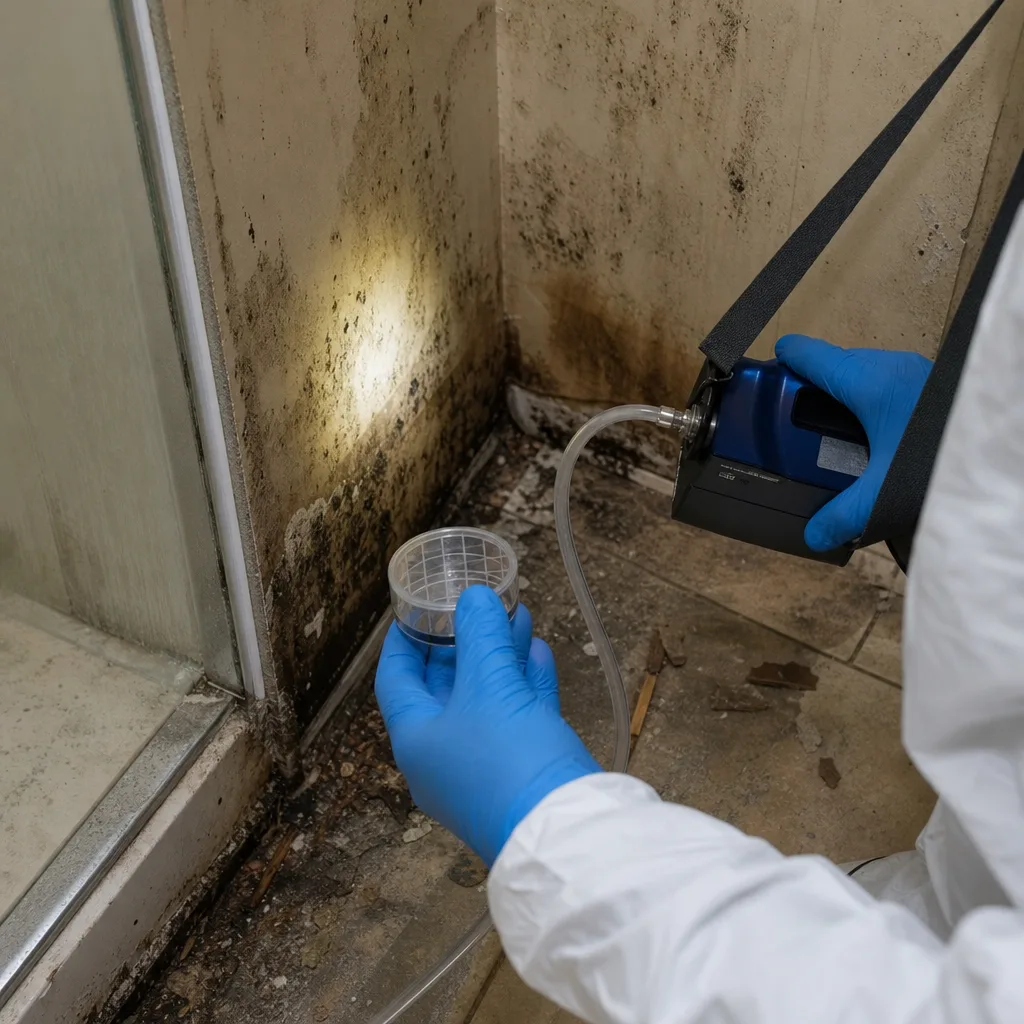
Category 1 clean water incidents typically run $3,500-$8,500; Category 2 gray water $6,000-$15,000; Category 3 black water or sewage $10,000-$25,000+. The range reflects square footage affected, material types, and drying duration. Marine layer humidity in Redondo Beach often extends drying timelines 30-50% versus inland climates, increasing equipment rental days. Call (424) 375-7225 for a written estimate specific to your property - estimates are free.
Sudden and accidental water damage from burst pipes, appliance failures, or storm intrusion is typically covered. Gradual damage from maintenance neglect, long-term leaks, or flooding from outside without flood insurance is not. Mold coverage varies by policy; most California policies limit or exclude mold unless it results from a covered peril. We document every loss with photo evidence and drying logs formatted for adjuster review, and we coordinate directly with your insurance company. Call (424) 375-7225 to discuss your specific policy.
For active water damage, same-day dispatch is standard for companies with 24/7 live coverage. Our emergency line is answered by a live person, never voicemail, and crews carry equipment for immediate water extraction and containment. Reconstruction is scheduled, not dispatched; it requires permit verification, material procurement, and trade coordination. Do not accept promises of same-day reconstruction; proper reconstruction cannot be rushed. Call (424) 375-7225 for emergency dispatch or to schedule reconstruction assessment.
Category 1 water affecting less than 50 square feet of non-porous materials can sometimes be handled by a homeowner with proper extraction, drying, and antimicrobial application. Anything involving Category 2 or 3 contamination, structural materials (drywall, insulation, subfloor), or mold growth exceeding 10 square feet requires professional remediation. High-tension garage door springs, electrical panels, and gas lines present genuine safety hazards; we recommend trained professionals for any work involving these components. Call (424) 375-7225 for assessment - our Free Second Opinion applies to competitor estimates too.
We do. Every DryMark Restoration Redondo Beach job includes direct adjuster coordination: photo documentation formatted for claim files, daily drying logs, written scope revisions with change order justification, and invoice presentation in Xactimate format. Our documentation-first approach exists because our founder built this company after seeing how documentation gaps cost homeowners their claims. You are copied on all communications and retain final approval authority, but you do not manage the paperwork. Call (424) 375-7225 to start the documentation process.
Different estimating platforms (Xactimate, Symbility, proprietary systems), different category classifications, different equipment specifications, and different assumptions about hidden damage or permit requirements. A bid that seems “too cheap” may omit necessary demolition or use inadequate drying assumptions; one that seems “too expensive” may include unnecessary work or premium materials your policy will not cover. The only valid comparison is scope-to-scope: identical room measurements, identical category determinations, identical material grades. We provide Free Second Opinions on any competitor’s written estimate to identify where assumptions diverge. Call (424) 375-7225.
Haven Standard, Clause 5: if any completed work fails to perform as specified in the written scope within 365 days, we return and make it right at no charge. This covers drying failures (moisture recurrence), reconstruction defects, and antimicrobial treatment failures. It is a written guarantee, not a verbal assurance, signed on every job. The promise is backed by our documented photo record and drying logs, which establish the baseline condition against which subsequent issues are measured. Call (424) 375-7225 for full warranty terms.
The Bottom Line
Restoration pricing is not mysterious; it is line-item specific, documentation-dependent, and locally variable. The Redondo Beach homeowner who understands the five cost categories, demands daily drying logs, verifies estimate platform and pricing date, and insists on a written scope before work begins will pay appropriately for necessary work and avoid paying for unnecessary days or inflated categories. The $6,000 gap between two “identical” estimates is almost always in the scope writing, not the damage itself. Read your estimate line by line, question what is not documented, and remember that in restoration, evidence is the only currency that pays claims.
For Mold Remediation in Redondo Beach or any restoration need, documentation starts with the first call.
Written by Alicia Brennan, Owner at DryMark Restoration Redondo Beach, serving Redondo Beach since 2011.