
Last updated September 23, 2026
Free visual inspection and a written scope of work before any mitigation begins - photos, moisture readings, and drying logs go in your claim file
The scope we write is the scope we bill. Anything new gets shown to you, in writing, before we touch it.
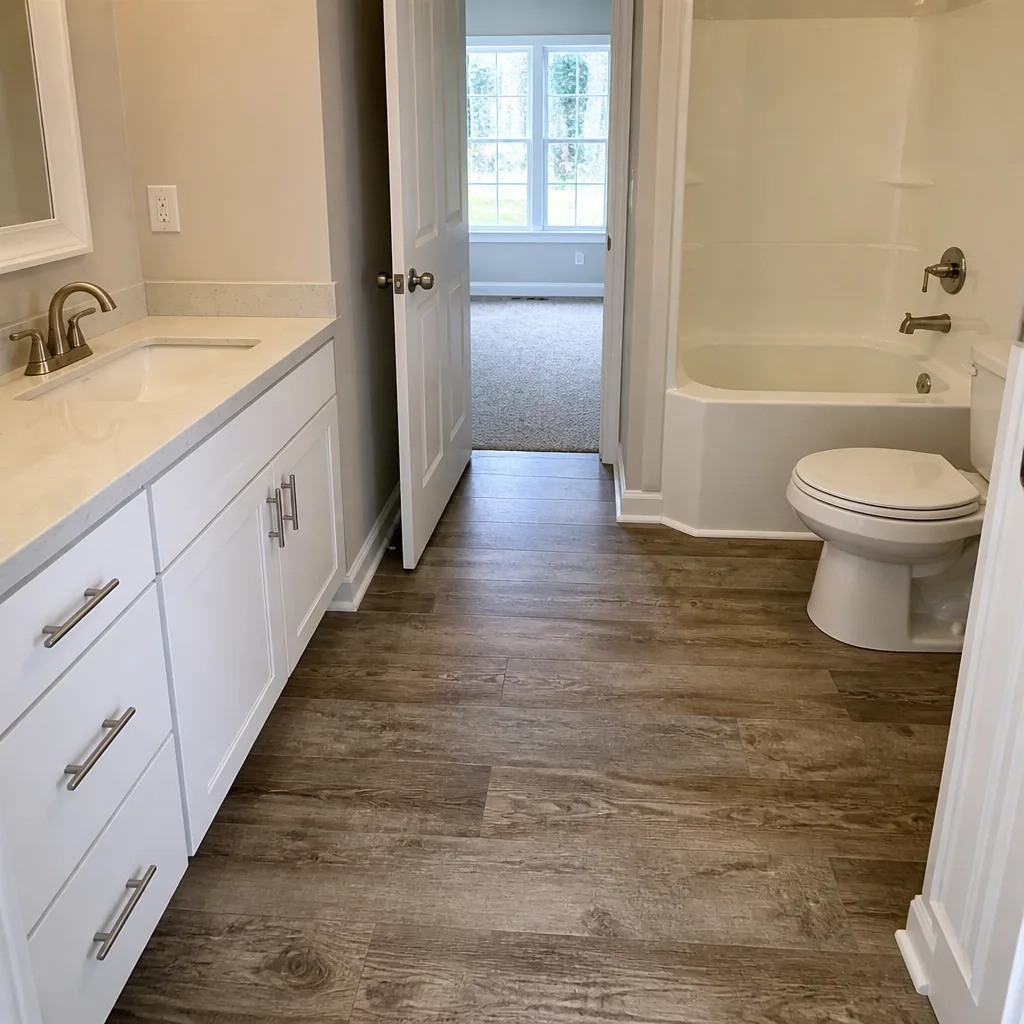
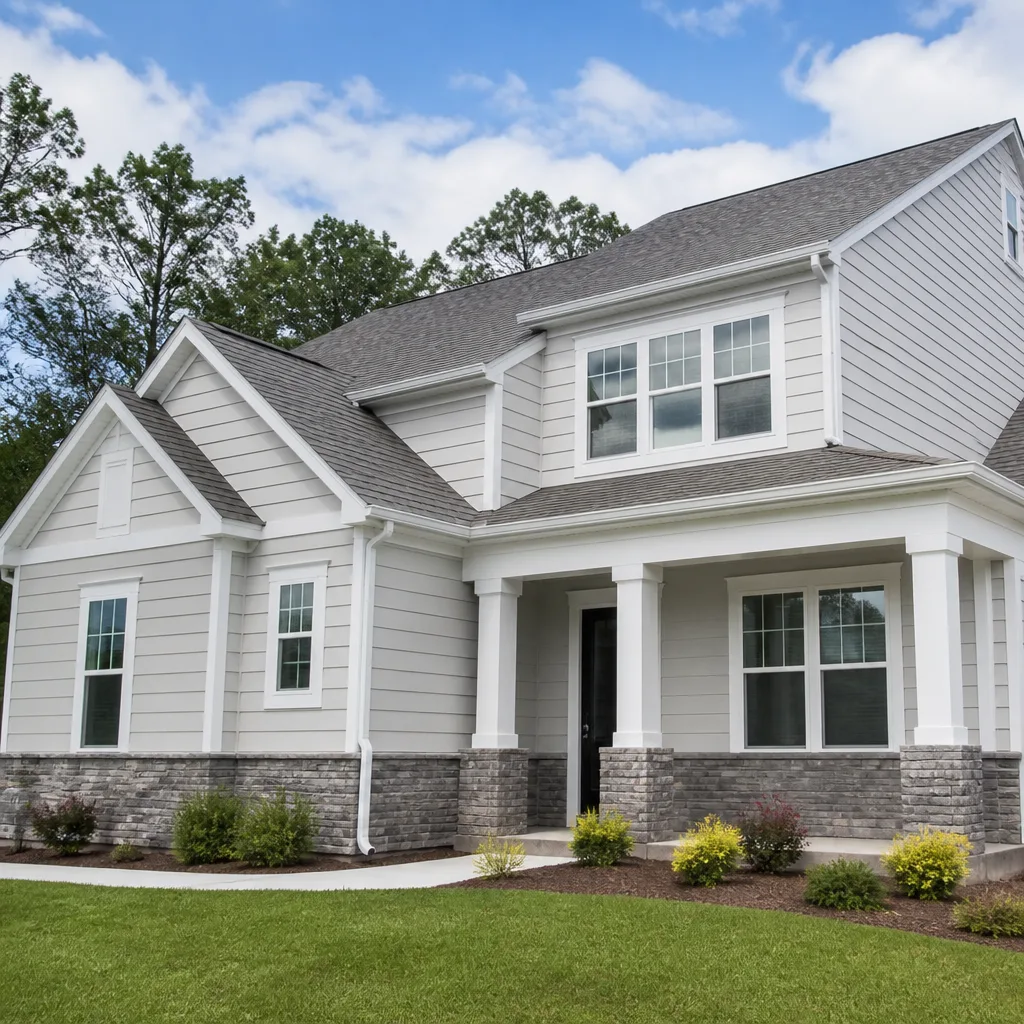
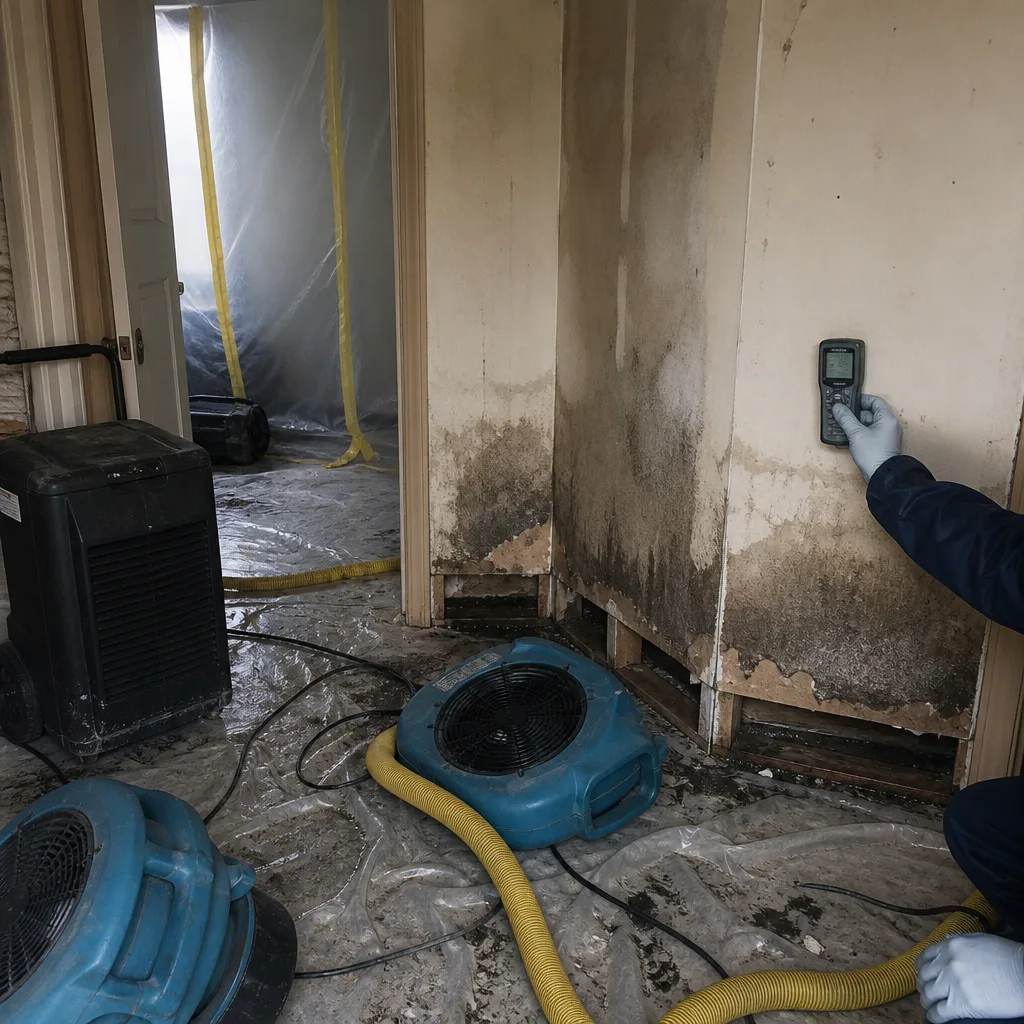 Before
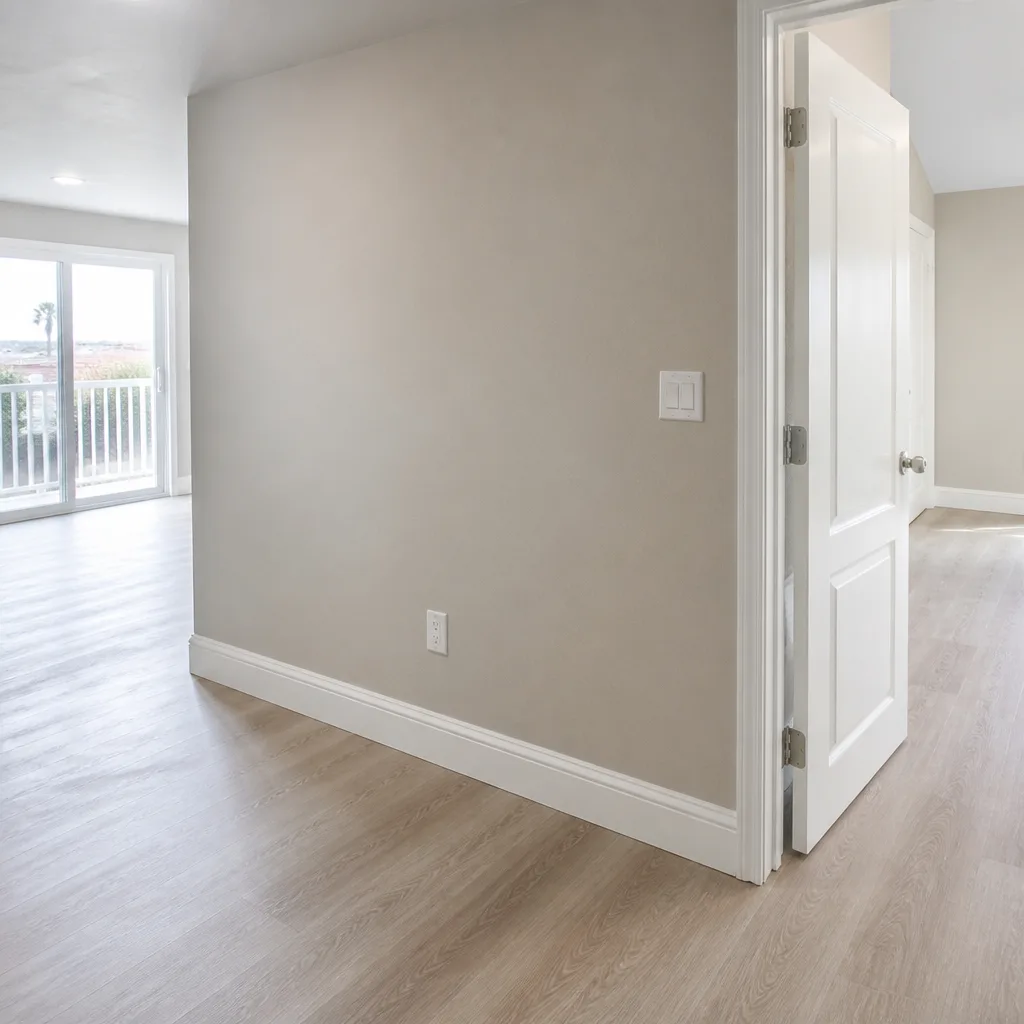 After
After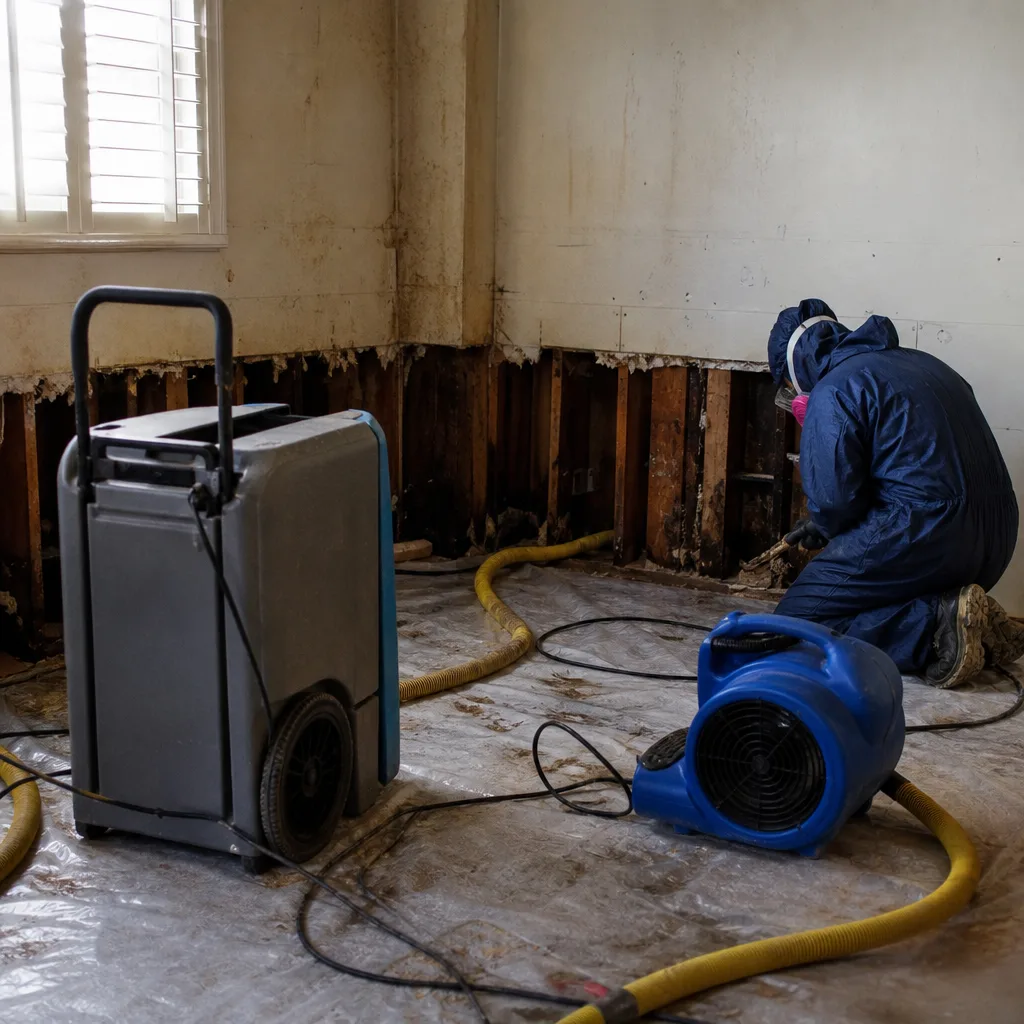 Before
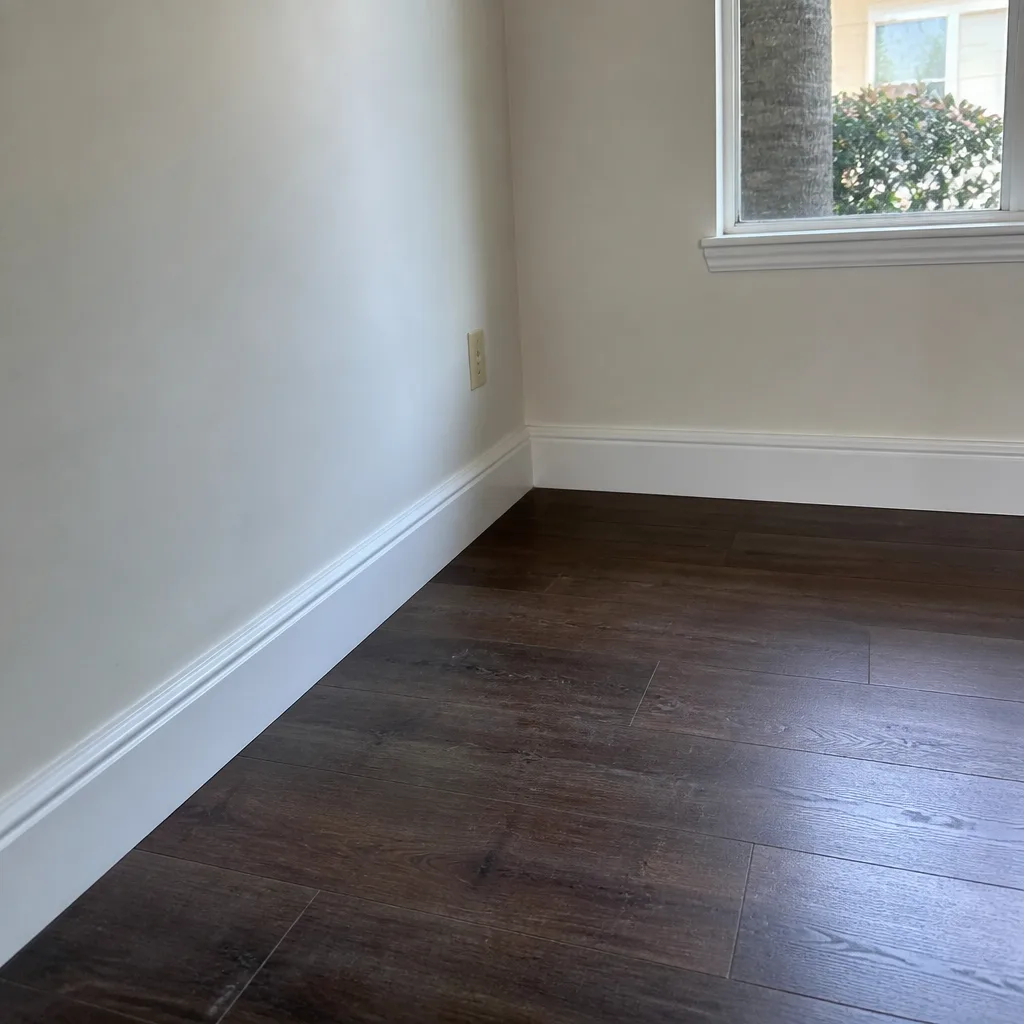 After
After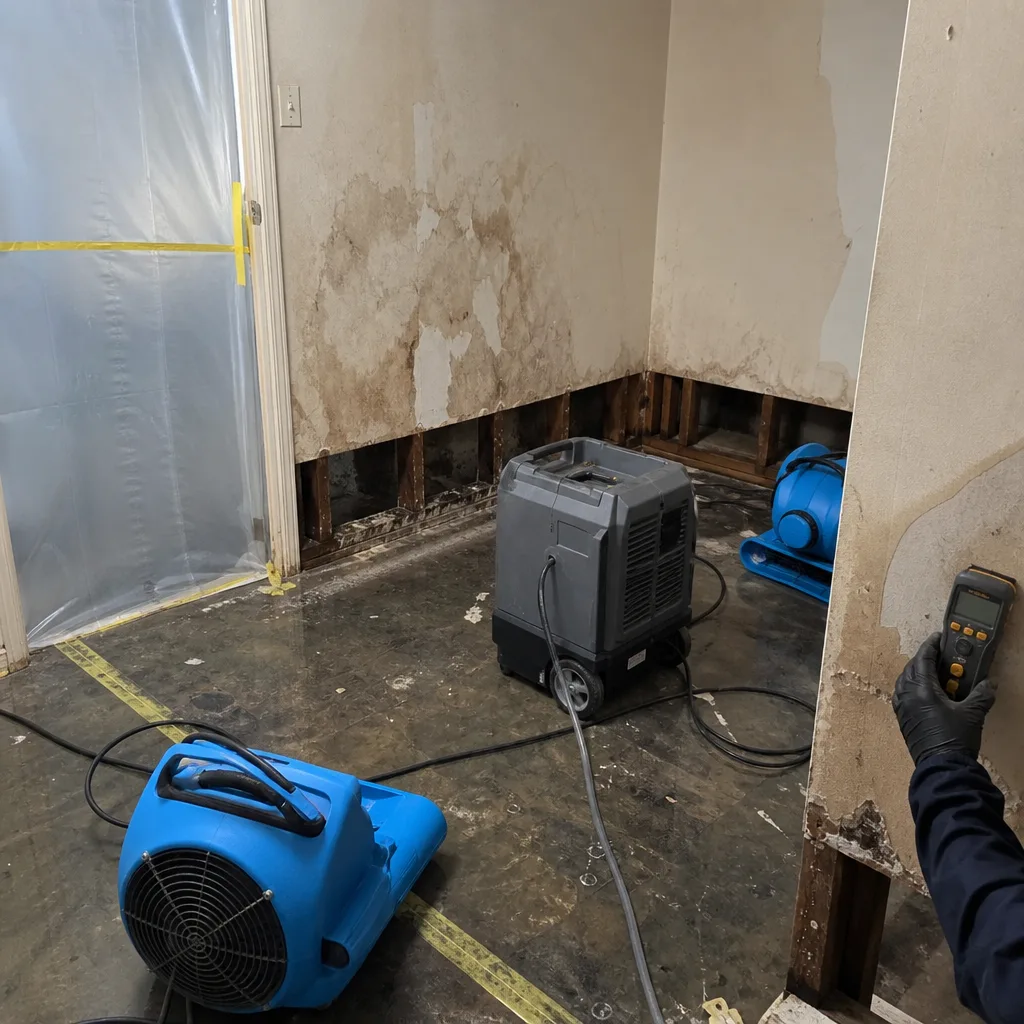 Before
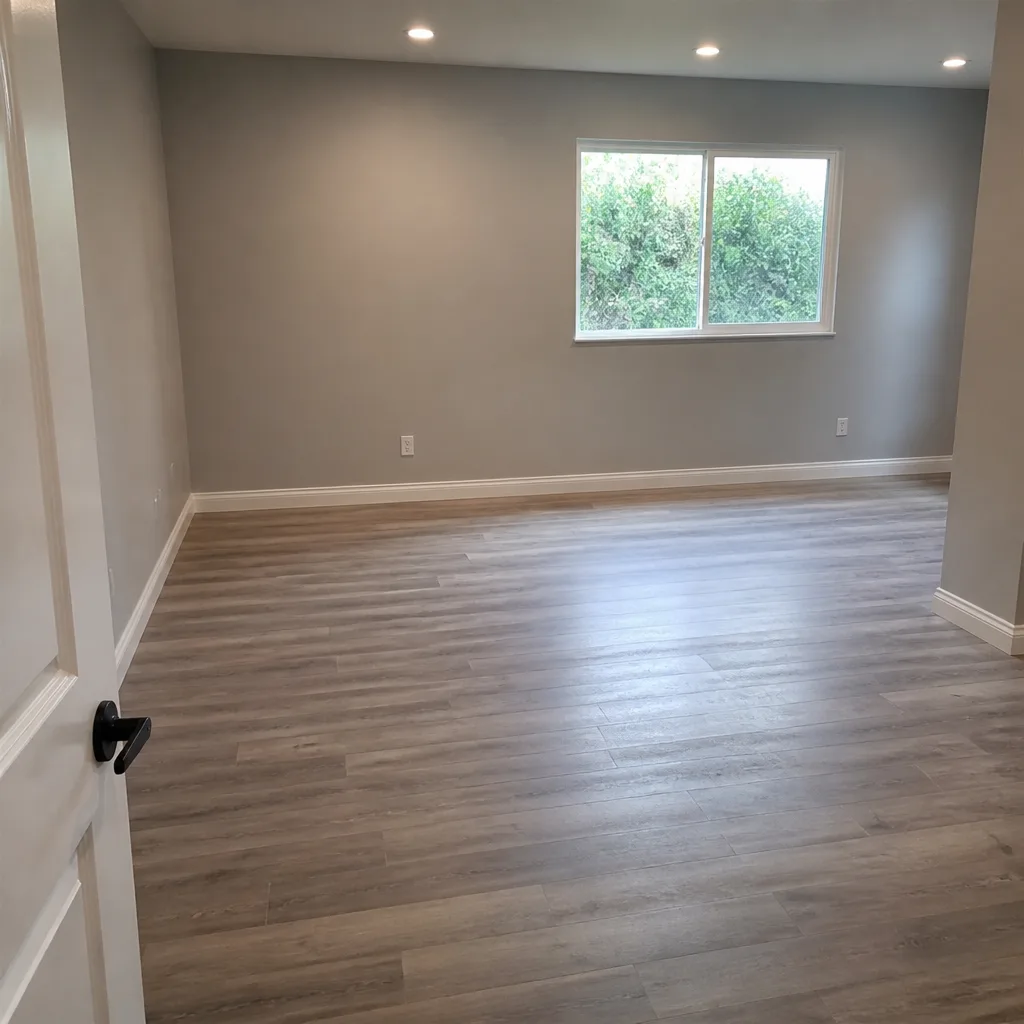 After
AfterSeasonal Damage Restoration Care for Redondo Beach: Year-Round Homeowner’s Guide
Redondo Beach averages fewer than 14 inches of rain per year, but nearly all of it arrives in three to five intense storm events. A house that handles drizzle perfectly can take in 400 gallons of water in a single night when a downspout elbow fails during an atmospheric river. Most homeowners here prepare for the wrong season entirely - they winterize in October and relax until spring, missing the June-through-September marine layer condensation period that quietly saturates crawlspaces and garage slabs without a single raindrop. This guide - alongside our Complete Guide to Damage Restoration in Redondo Beach - maps the two real risk windows that drive restoration calls, with specific preparation checklists, documentation protocols, and the moisture thresholds that separate monitoring from professional intervention.
Quick Answer
Redondo Beach homeowners face two distinct damage seasons: the November-March atmospheric river window, when concentrated rainfall overwhelms drainage systems, and the June-September marine layer period, when overnight relative humidity above 85% drives condensation damage in under-ventilated spaces. Year-round protection requires October gutter and downspout verification, summer baseline photo documentation, and a 72-hour post-storm inspection sequence - detailed in our Water Damage Restoration Maintenance Checklist for Redondo Beach Homeowners - targeting attics, crawlspaces, window pans, and garage slabs with specific moisture readings.
Table of Contents
- The Atmospheric River Season: November Through March
- The Marine Layer Protocol: June Through September
- October Pre-Storm Checklist: Documentation Before the Rain
- Post-Storm 72-Hour Inspection Sequence
- How El Niño Years Change the Risk Calculus
- Why Summer Is the Right Time to Build a Pre-Loss Photo File
- Common Mistakes to Avoid
- When to Call a Professional
- Frequently Asked Questions
 Before
 After
AfterThe Atmospheric River Season: November Through March
Redondo Beach sits at 33.8 degrees north latitude, squarely in the path of Pacific moisture plumes that originate near Hawaii and make landfall along the Southern California coast. These atmospheric rivers deliver 30 to 50 percent of the region’s annual precipitation in just a handful of events, often back-to-back over 72-hour windows. The 2023-24 season produced three times Redondo Beach’s average rainfall, and the 1997-98 El Niño deposited nearly 38 inches - more than double the historical mean.
The damage pattern is mechanical, not gradual. Saturated soil loses shear strength and shifts foundation loads. Gutters designed for light, intermittent rain encounter sustained inflows that exceed downspout capacity. Wind-driven rain penetrates soffit vents and window casings that have never been pressure-tested. In the Riviera Village area, we’ve documented repeated cases where a single failed elbow joint at a second-story downspout directed water against a stucco wall for six hours, producing interior damage across three rooms before the homeowner noticed staining.
The critical preparation window is October, not November. Once the first atmospheric river arrives, suppliers sell out of gutter guards, roofing crews book three weeks out, and the ground is too saturated for effective grading work. The specific thresholds that trigger professional intervention during this season:
- Interior relative humidity sustained above 60% for more than 48 hours after a storm event
- Moisture content in dimensional lumber (measured with pin-type meter) exceeding 16% in any structural member
- Standing water in crawlspace lasting more than 24 hours, or any water contact with HVAC ductwork
- Visible mold growth on any surface larger than 10 square feet (EPA threshold for professional remediation)
- Musty odor detected from multiple locations, indicating distributed moisture rather than isolated intrusion
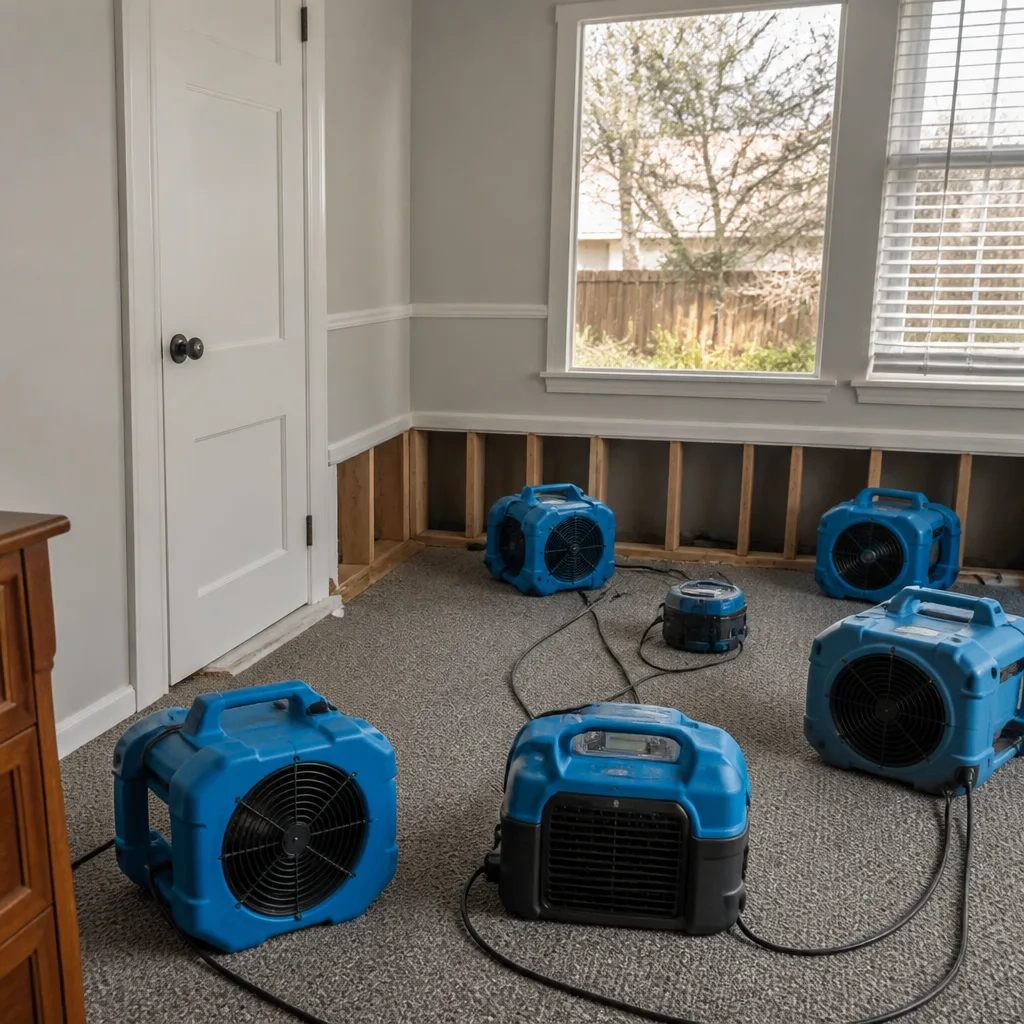
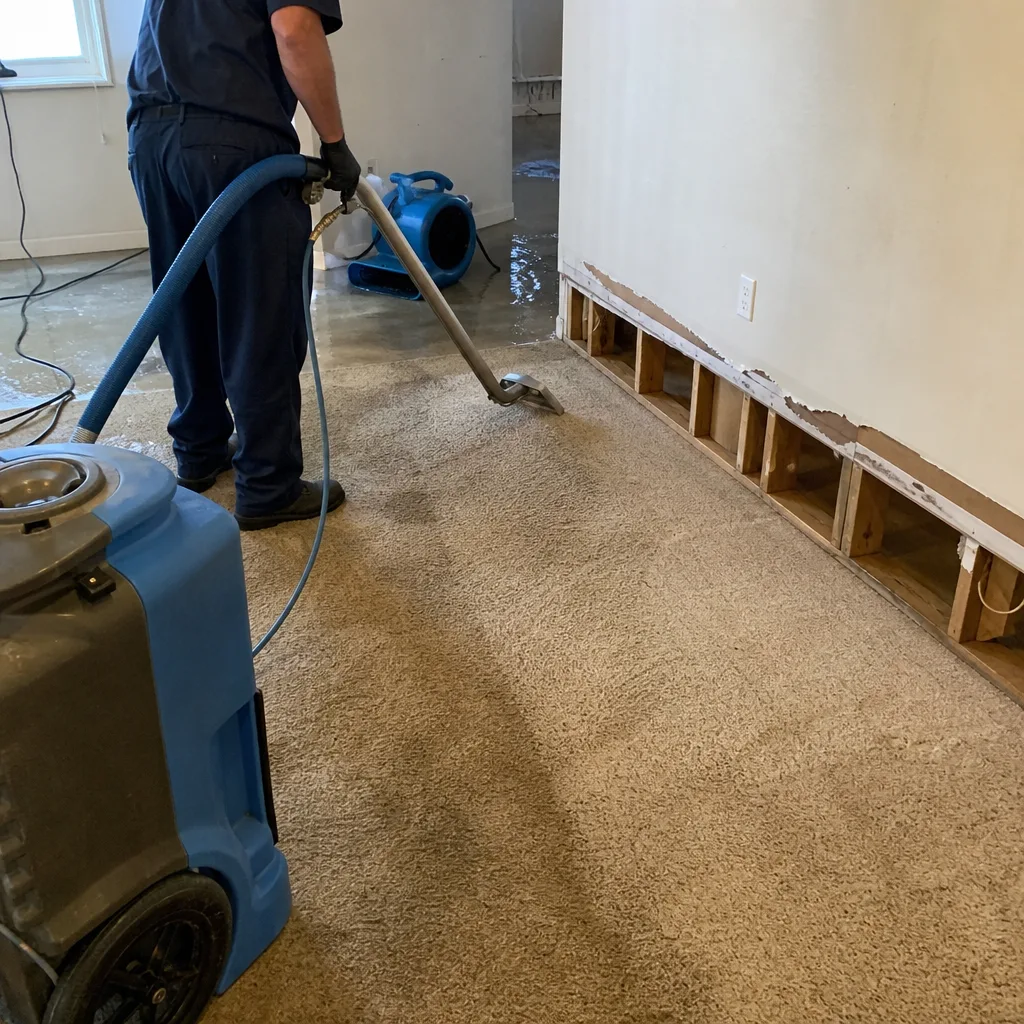
Our Water Damage Restoration in Redondo Beach crews deploy Phoenix and Dri-Eaz dehumidification systems with documented psychrometric data - temperature, relative humidity, and vapor pressure differential readings recorded at each visit. This produces the daily drying logs that turn restoration invoices into payable insurance claims, which is why Haven Standard documentation begins at the first moisture reading, not after demolition starts.
The Marine Layer Protocol: June Through September
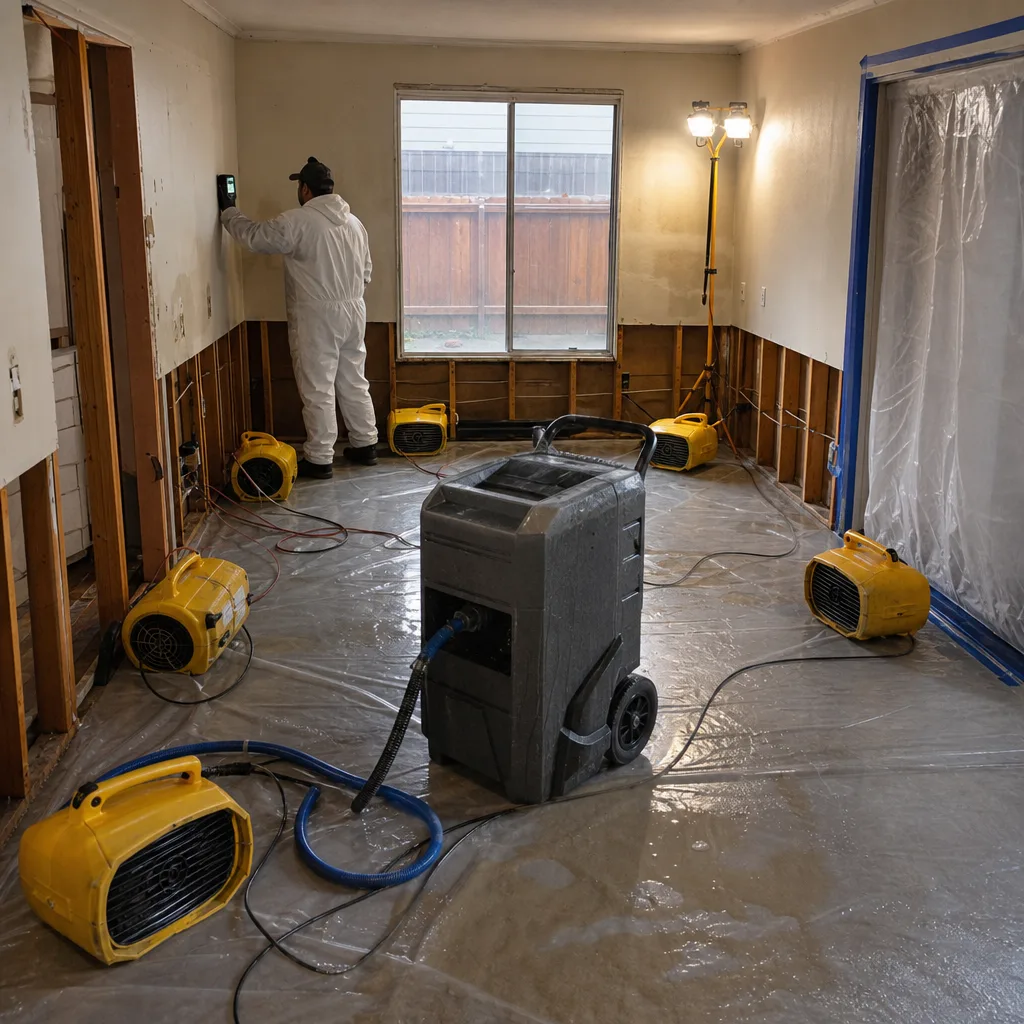
From June through September, Redondo Beach experiences a second damage season invisible to most homeowners. The Pacific marine layer - cool, saturated air drawn inland by the temperature differential between ocean and land - regularly produces overnight relative humidity above 85% in coastal neighborhoods. In the South Redondo flats near the Esplanade, we’ve recorded 92% humidity at 6 a.m. in July, with condensation forming on concrete slab floors in unconditioned garages and crawlspaces.
This is not rain damage. No water enters from outside. Instead, warm daytime air holds moisture that condenses against cooler surfaces overnight, particularly:
- Concrete slab floors in attached garages, where thermal mass keeps the surface below dew point
- Crawlspace framing in homes without cross-ventilation or vapor barriers
- Interior wall cavities behind north-facing exterior walls, where solar gain never reaches
- HVAC plenums and ductwork in unconditioned attics, where metal surfaces chill below ambient
The damage accumulates slowly. A garage slab in the Golden Hills neighborhood can maintain 18% moisture content in the plywood above it for weeks, promoting fungal growth on the bottom face of the subfloor. By the time a homeowner smells mustiness, the colony has typically established across 20 to 40 square feet of hidden surface area.
Prevention requires mechanical intervention, not just observation. Continuous ventilation with thermostatically controlled exhaust fans in crawlspaces maintains air movement below 50% relative humidity. In garages, a perimeter dehumidification strategy - typically a 70-pint unit with condensate pump, set to 50% RH - prevents slab condensation. The cost of operating this equipment through the marine layer season runs approximately $35 to $55 monthly in electricity, versus $2,800 to $6,500 for crawlspace mold remediation with full subfloor treatment.
Documentation matters here because insurance carriers increasingly exclude long-term moisture damage from standard policies. A homeowner who can produce dated photos showing dry baseline conditions, plus humidity logs from a monitored dehumidifier, has a substantially stronger position if a claim becomes necessary. Our Mold Remediation in Redondo Beach service includes pre- and post-treatment moisture mapping with Injectidry drying systems, documented to IICRC S520 standards.
October Pre-Storm Checklist: Documentation Before the Rain
The October preparation window is when a homeowner shifts from reactive to documented. Every item on this checklist produces evidence that supports a future insurance claim or prevents one entirely. We recommend completing this work during the first two weeks of October, when trades are available and weather permits safe roof access.
- Gutter clearance to specific standards: Remove all debris from gutters and downspouts. Verify that water flows freely through every downspout by running a hose at each gutter section for 90 seconds. Check for standing water after flow stops - any retention indicates inadequate slope (minimum 1/4 inch per 10 feet) or a sagging hanger. Document with dated photos showing clean gutters, free-flowing downspouts, and the hose test in progress.
- Downspout extension verification: Extensions must discharge at least 6 feet from foundation walls on flat grades, or 10 feet on slopes exceeding 5%. In the hillside areas of North Redondo, where lots pitch toward the street, measure the actual discharge point - many extensions terminate at 4 feet because of landscaping interference. Replace crushed or disconnected extensions. Photo-document the final configuration with a tape measure visible in frame.
- Roof penetration inspection: Check all pipe boots, vent flashings, and chimney saddles for cracked sealant or lifted edges. The South Bay’s UV exposure degrades asphalt-based sealants faster than inland climates. Look specifically for the “smile” crack pattern that indicates dried, shrinking sealant. Do not apply new sealant over failed material - remove and replace to manufacturer specification.
- Window and door weatherstrip assessment: Close each operable window on a dollar bill - resistance when pulling indicates adequate seal; free movement requires replacement. Check weep holes in vinyl window frames for blockage, particularly on windward exposures. In Redondo Beach’s salt-air environment, aluminum window hardware corrodes faster than manufacturer specifications assume.
- Exterior grade and drainage photography: Establish a baseline photo file showing soil elevation relative to slab edge, drainage patterns across hardscape, and the condition of expansion joints at patio-to-house transitions. These images, dated and stored off-site, become the reference standard if settlement or erosion changes drainage patterns post-storm.
- Attic and crawlspace baseline documentation: Photograph current conditions in accessible attics and crawlspaces - no staging, no cleaning first. Capture framing condition, existing insulation placement, vapor barrier integrity, and any prior repairs. These photos prove pre-existing condition if a storm event produces damage that an insurer might attribute to deferred maintenance.
Store this documentation in cloud storage with automatic backup, not solely on a phone or local drive. The homeowner who can produce a dated October photo showing a properly extended downspout has a documented defense against a claim denial citing “improper drainage maintenance.”
Post-Storm 72-Hour Inspection Sequence
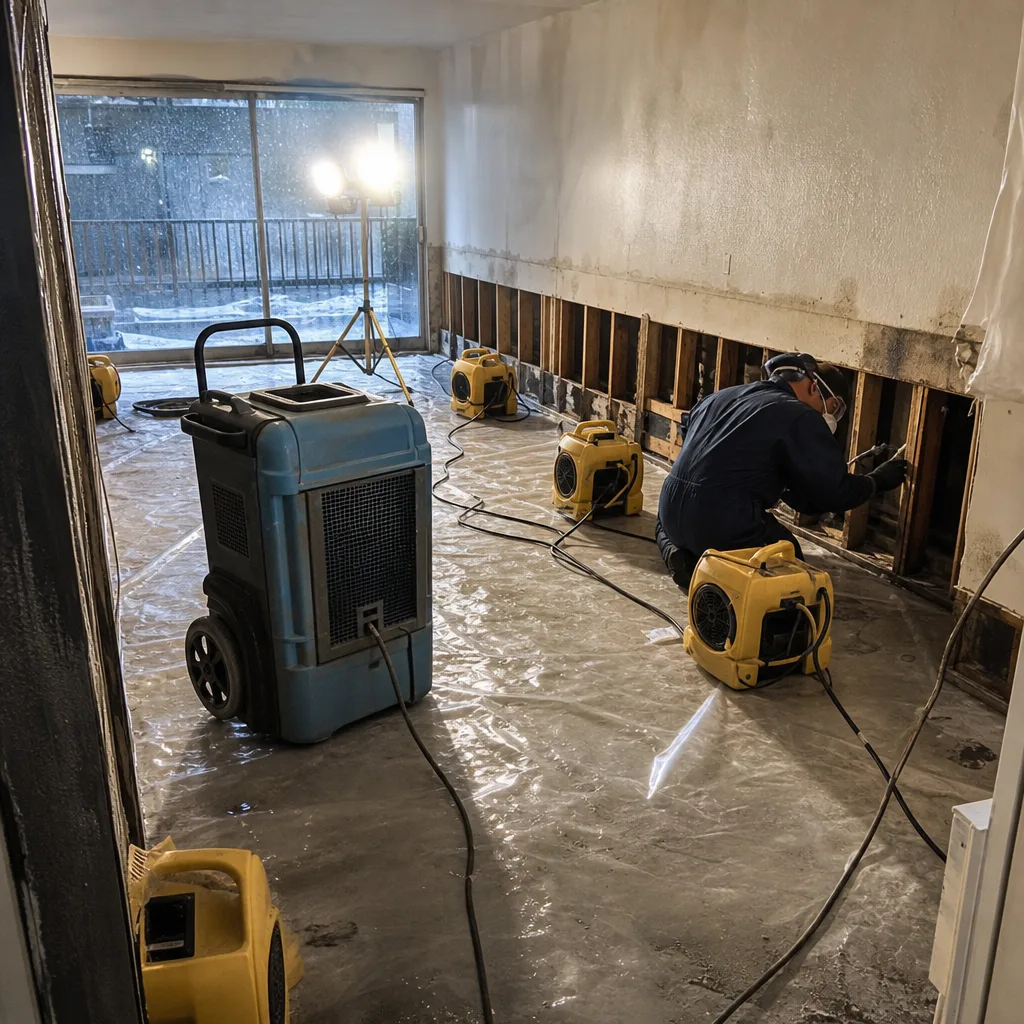
The 72 hours following an atmospheric river event determine whether a homeowner faces a contained drying job or a full remediation with reconstruction. Water continues migrating after the rain stops - along framing members, through capillary action in concrete, and via vapor drive into cooler interior spaces. The inspection sequence below prioritizes the locations where delayed discovery produces the most expensive damage.
Hour 0-24: Attic and Roof Interior
Inspect attic spaces during or immediately after rainfall when access is safe. Look for active dripping, stained sheathing, or wet insulation. Check all penetrations and valleys with a flashlight - water travels along framing before dropping, so the leak origin may be 8 to 12 feet from where it appears. Mark wet areas with chalk for later reference. If active leakage is found, place collection containers and photograph the configuration. This temporary containment, documented, demonstrates reasonable mitigation to an insurer.
Measure attic air temperature and relative humidity with a digital psychrometer. Conditions above 70% RH with temperatures below 60°F indicate insufficient ventilation and elevated condensation risk. Record these readings - they establish the drying environment’s baseline.
Hour 24-48: Crawlspace and Foundation Perimeter
Crawlspaces in Redondo Beach’s older housing stock - particularly the postwar bungalows in South Redondo - often lack adequate ventilation for saturated soil conditions. Enter with a headlamp and moisture meter. Check perimeter stem walls for efflorescence (white mineral deposits indicating water passage through concrete). Probe structural framing with a pin-type meter: readings above 16% in dimensional lumber require active drying; above 20% indicate conditions favorable to wood-decay fungi.
Standing water requires immediate extraction, but the source determines the response. Water entering from outside through foundation vents indicates grading or drainage failure. Water rising through the slab suggests hydrostatic pressure and possible perimeter drain failure. Document the water source with photos and notes - these determine whether the solution is exterior drainage correction or interior water management.
Hour 48-72: Window Pans, Sills, and Garage Slab
Window leaks often manifest days after the storm, when accumulated water in the rough opening drains to visible surfaces. Check window sills and adjacent drywall for swelling, discoloration, or softness. Operate each window - binding or resistance can indicate frame swelling from absorbed moisture.
Garage slabs deserve particular attention in Redondo Beach’s coastal climate. The thermal mass of a 4-inch concrete slab, chilled by overnight marine air, can maintain condensation conditions for 48 to 72 hours after ambient humidity drops. Check the bottom face of any plywood storage or work surfaces for dampness. Musty odor in a garage 48 hours after rain, with no visible water, typically indicates slab condensation with active microbial growth.
The decision threshold: if any location shows moisture meter readings above 16% in wood, relative humidity above 60% in enclosed spaces, or visible mold growth of any size, professional assessment is warranted. Self-directed drying with consumer equipment rarely achieves the vapor pressure differential necessary for structural drying, and incomplete documentation jeopardizes insurance coverage.
How El Niño Years Change the Risk Calculus
El Niño-Southern Oscillation (ENSO) warm phases alter the Pacific storm track, directing atmospheric rivers more consistently toward Southern California. The 2023-24 El Niño produced three times Redondo Beach’s average rainfall, with the January-February 2024 period delivering 18.7 inches in eight weeks. The 1997-98 event, the strongest on record, deposited 37.9 inches - nearly triple the mean.
These are not simply wetter versions of normal years. The damage mechanics change:
- Soil saturation depth increases, triggering landslide activation in the Palos Verdes Hills and hillside areas of North Redondo that remain stable in typical winters
- Sequential storm events prevent drying between rains, so moisture accumulates in building assemblies that would recover in normal intervals
- Wind speeds increase, driving rain at angles that overcome standard flashing designs and penetrate soffit vents
- Insurance claim volume spikes, slowing adjuster response from days to weeks, which increases secondary damage from delayed mitigation
Documentation before an El Niño season carries disproportionate weight. Carriers facing high claim volumes scrutinize maintenance records more closely and deny more frequently for “pre-existing conditions” or “failure to mitigate.” The homeowner with dated October photos, written maintenance receipts, and a baseline moisture survey has a defensible file. The homeowner without documentation relies on adjuster discretion at a moment when adjusters are overburdened and incentivized to close files quickly.
We recommend that Redondo Beach homeowners in El Niño forecast years - currently predicted by NOAA with increasing confidence for 2025-26 - complete the October checklist by October 1, not mid-month. Schedule roof inspections in September, before the pre-season rush. Consider pre-positioning sandbags if the property has any history of drainage backup, and photograph their placement. These steps do not prevent damage, but they produce the documented mitigation effort that supports claim payment.
Our Fire & Smoke Damage Restoration in Redondo Beach service, while focused on a different peril, applies the same documentation discipline: photo record on every visit, written scope before work begins, daily logs that an adjuster can follow. The Haven Standard does not vary by disaster type.
Why Summer Is the Right Time to Build a Pre-Loss Photo File
Most homeowners photograph damage after it occurs. This is backward. The most valuable documentation establishes undamaged baseline conditions when access is easy, lighting is favorable, and emotions are not elevated by crisis.
July and August in Redondo Beach offer optimal conditions for this work. Days are long, attics are tolerably warm (not dangerously hot), and crawlspaces are at their driest annual moisture levels. A homeowner can move stored items, access all corners, and capture clear images without the time pressure of active water intrusion.
The specific documentation we recommend:
- Exterior envelope: Date-stamped photos of all elevations, roof condition, gutter configuration, downspout terminations, and grade relationship to slab. Include close-ups of flashing details, sealant joints, and any prior repairs.
- Interior finishes: Room-by-room photos showing wall and ceiling condition, flooring type and installation pattern, and the location of all plumbing fixtures and appliances. These support accurate reconstruction scope if damage occurs.
- Mechanical and electrical: Panel locations, HVAC equipment, water heater installation, and sump pump configuration if present. Include model and serial numbers where visible.
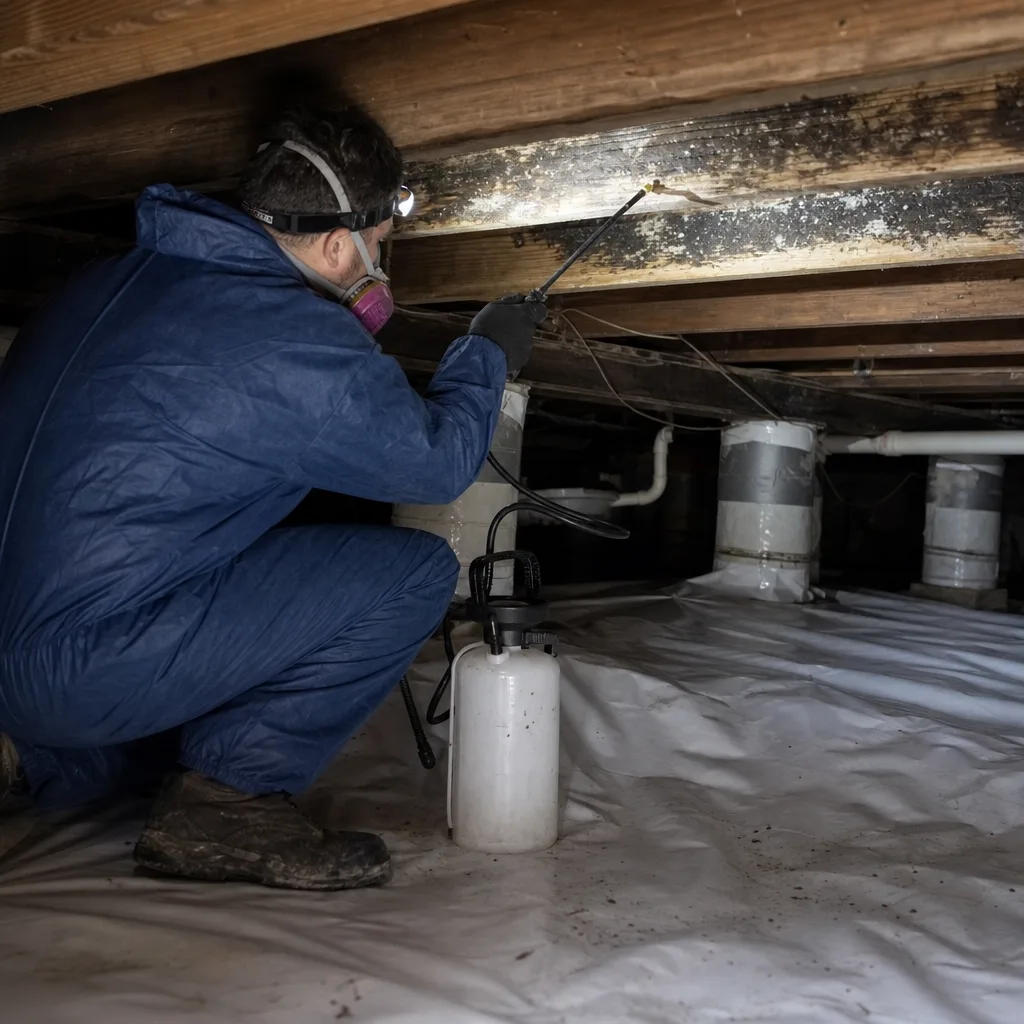
- Attic and crawlspace: Framing condition, insulation type and depth, vapor barrier presence and condition, and any evidence of prior pest or moisture issues. These spaces are hardest to document during or after a loss.
- Personal property inventory: High-value items with serial numbers, photographed in place. Store this separately from the structural documentation.
Store all files in at least two locations: cloud storage with version history, and a physical drive kept off-site. Update annually, or after any significant renovation or equipment replacement.
The insurance value is straightforward. When a claim disputes whether damage is new or pre-existing, the homeowner with dated baseline photos shifts the burden of proof. When reconstruction scope is debated, the pre-loss photo file establishes the standard of repair. When an adjuster questions whether mitigation was timely, the documentation of pre-positioned materials and completed maintenance supports the homeowner’s position.
We provide this documentation guidance at no charge during our free estimates in Redondo Beach. The 15 minutes required to explain what to photograph and how to store it has prevented more claim disputes than any mitigation technique we deploy. Haven Standard, Clause 1 applies: a written price before work starts, always - but not every interaction requires a price. Some interactions produce the documentation that makes future prices payable.
Common Mistakes to Avoid
- Waiting for visible water to call for help. By the time water stains appear on drywall, the damage behind it typically spans 10 to 20 square feet of saturated material. In Redondo Beach’s marine layer climate, hidden moisture in wall cavities can sustain mold growth for weeks without ever producing surface staining.
- Cleaning gutters without checking downspout flow. Debris-free gutters still fail if downspouts are blocked underground or disconnected at elbows. The critical test is the 90-second hose flow verification, not visual cleanliness.
- Running a dehumidifier without monitoring output. A dehumidifier that extracts less than its rated capacity may indicate refrigerant loss or coil fouling - common in salt-air environments. Check daily water production against manufacturer specifications; declining output precedes failure.
- Assuming new construction is immune. The most severe water damage we’ve documented in Redondo Beach occurred in a 2019 build with improperly flashed balcony doors. Code compliance at inspection does not guarantee performance in sustained rain.
- Storing documentation only on-site. Fires, floods, and thefts that damage property also destroy records stored within it. Cloud backup with automatic sync is essential; manual backup that requires homeowner action typically lapses.
- Accepting verbal scope or pricing from any contractor. Haven Standard, Clause 1 exists because verbal assurances evaporate when damage spreads or insurance disputes arise. A written price before work starts, with line-item breakdown, is the minimum standard for any restoration work.
- Ignoring garage slab condensation as “just humidity.” Sustained condensation on concrete produces efflorescence, rebar corrosion, and subfloor decay. The marine layer in Redondo Beach makes this a structural issue, not a comfort issue, particularly for homes with living space above attached garages.
When to Call a Professional
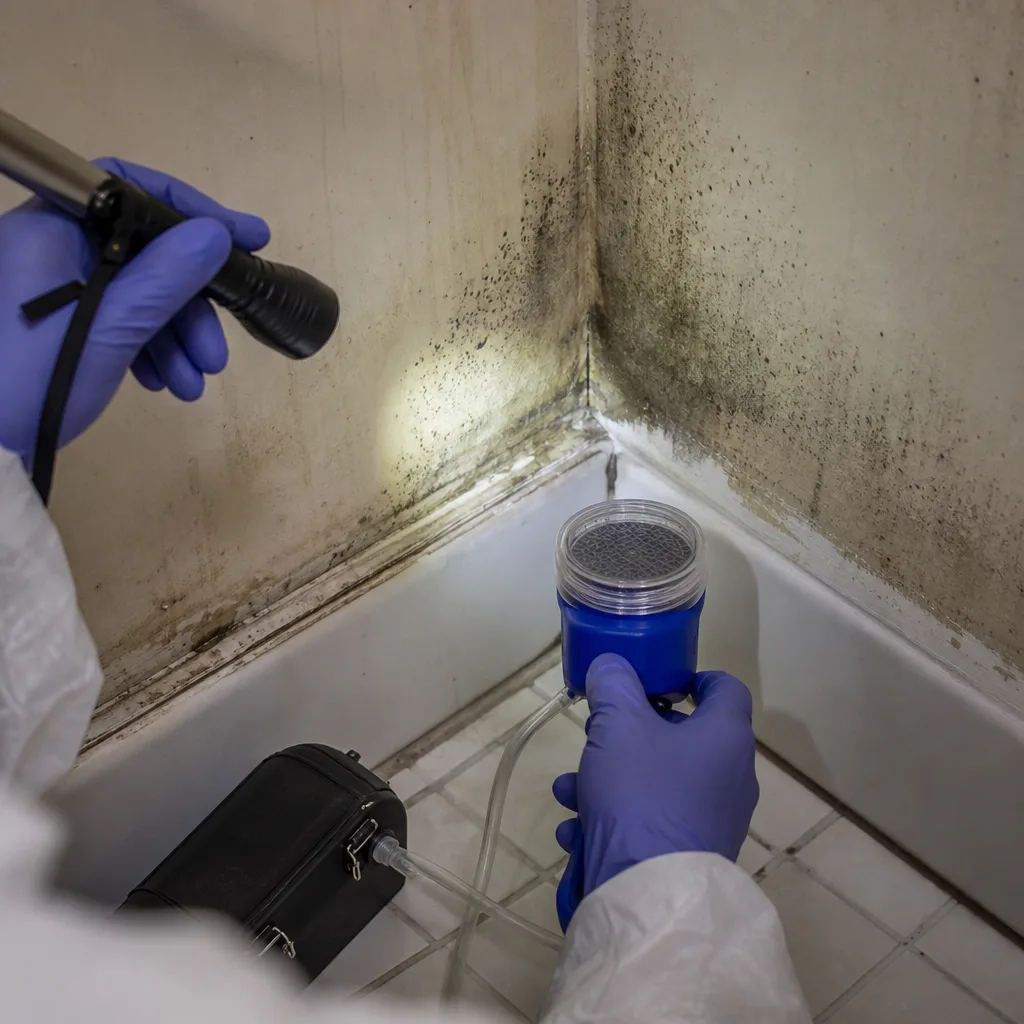
Call for professional assessment when moisture meter readings exceed 16% in structural lumber, relative humidity remains above 60% in enclosed spaces for more than 48 hours, or mold growth is visible on any surface. Call immediately if water contacts electrical panels, HVAC equipment, or if structural members show deformation. Do not enter flooded crawlspaces or basements until electrical disconnection is verified - this is not a recommendation for DIY evaluation.
Documentation should begin before the professional arrives. Photograph the damage area, note when it was discovered, and record any recent weather events or plumbing usage. This information becomes the first entry in the claim file.
DryMark Restoration Redondo Beach home provides free estimates with written scope and pricing before any work begins. Our live phone coverage is available 24 hours a day, 7 days a week - no voicemail on emergency lines. Call (424) 375-7225 for assessment in Redondo Beach. Every job is documented with a photo record on every visit, covered by the 365-Day Done Right Promise under The Haven Standard, and backed by our Free Second Opinion on any competitor’s written estimate.
Frequently Asked Questions
Water damage restoration in Redondo Beach typically ranges from $1,200 for contained Class 1 drying (minimal moisture, no structural involvement) to $8,500 for Class 3 scenarios with ceiling and wall saturation requiring material removal and reconstruction. See our Damage Restoration Cost Breakdown: The Redondo Beach Homeowner’s Reference for 2026 for detailed pricing factors. Marine layer condensation damage in crawlspaces averages $2,800 to $6,500 depending on square footage and subfloor treatment requirements. Every job receives a written price before work begins under Haven Standard, Clause 1 - call (424) 375-7225 for a free estimate with exact pricing for your specific conditions.
Standard homeowners policies increasingly exclude long-term moisture damage, including condensation-related mold, unless the homeowner can demonstrate sudden discovery and prompt mitigation. Coverage depends on proving the damage was unknown and unforeseeable, with documentation of baseline conditions and rapid response. Pre-loss photo files and humidity monitoring logs substantially strengthen claim position. We coordinate directly with adjusters and provide the documented photo record and drying logs that support coverage determinations.
Live phone coverage is available 24 hours a day, 7 days a week with no voicemail on emergency lines. For active water intrusion with ongoing damage, our response target is under 90 minutes from call to on-site arrival in Redondo Beach proper. Response time for assessment-only calls, including Free Second Opinion reviews of competitor estimates, is typically same-day scheduled. Call (424) 375-7225 - a person answers, not a menu.
The EPA recommends professional remediation for visible mold exceeding 10 square feet, but in Redondo Beach’s marine layer climate, visible spots often indicate larger hidden colonization. A pin-type moisture survey and air sampling determine actual extent. Surface cleaning without moisture source elimination guarantees recurrence. We provide moisture mapping with documented readings before recommending scope - Haven Standard requires evidence, not assumption.
Photograph the damage area from multiple angles with a date stamp, note the discovery time and any recent weather or plumbing events, and record current moisture conditions if you have a meter. Do not discard damaged materials before documentation - insurance adjusters need to see the actual failed components. Our crews begin photo documentation at arrival and maintain a record on every visit, but pre-arrival homeowner photos strengthen the initial claim file.
We coordinate directly with adjusters as part of our standard service, not as an upsell. This includes photo documentation formatted for claim submission, written drying logs with psychrometric data, and scope narratives that reference IICRC standards. Alicia Brennan founded Back to Dry in 2011 specifically to close the documentation gap that costs homeowners their claims - adjuster coordination is built into every job, not added later.
The Bottom Line
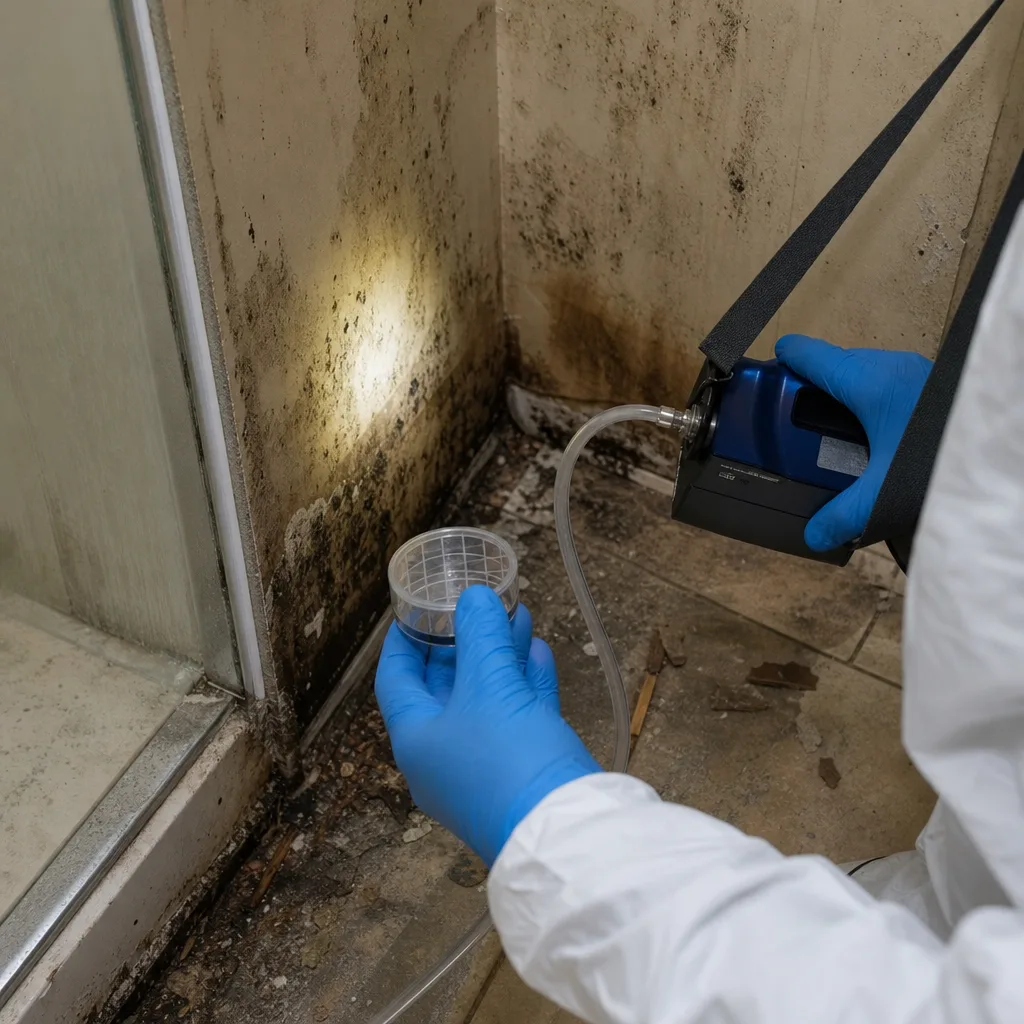
Redondo Beach’s damage calendar has two seasons, not four: the concentrated atmospheric river window from November through March, and the invisible marine layer condensation period from June through September. Effective preparation requires October gutter and downspout verification with documented baseline photography, summer pre-loss photo files while access and lighting permit, and a disciplined 72-hour post-storm inspection sequence with specific moisture thresholds that trigger professional assessment. El Niño years amplify all risks and tighten the documentation standard that insurers apply. The homeowners who fare best are not those with the newest roofs or the most expensive equipment - they are those with dated photos, written maintenance records, a restoration partner who documents every moisture reading, and our more guides & resources for year-round protection. Call (424) 375-7225 for a free estimate. Written price before work begins, every time, under Haven Standard, Clause 1.
Written by Alicia Brennan, Owner at DryMark Restoration Redondo Beach, serving Redondo Beach since 2011.