
Last updated September 23, 2026
Free visual inspection and a written scope of work before any mitigation begins - photos, moisture readings, and drying logs go in your claim file
The scope we write is the scope we bill. Anything new gets shown to you, in writing, before we touch it.
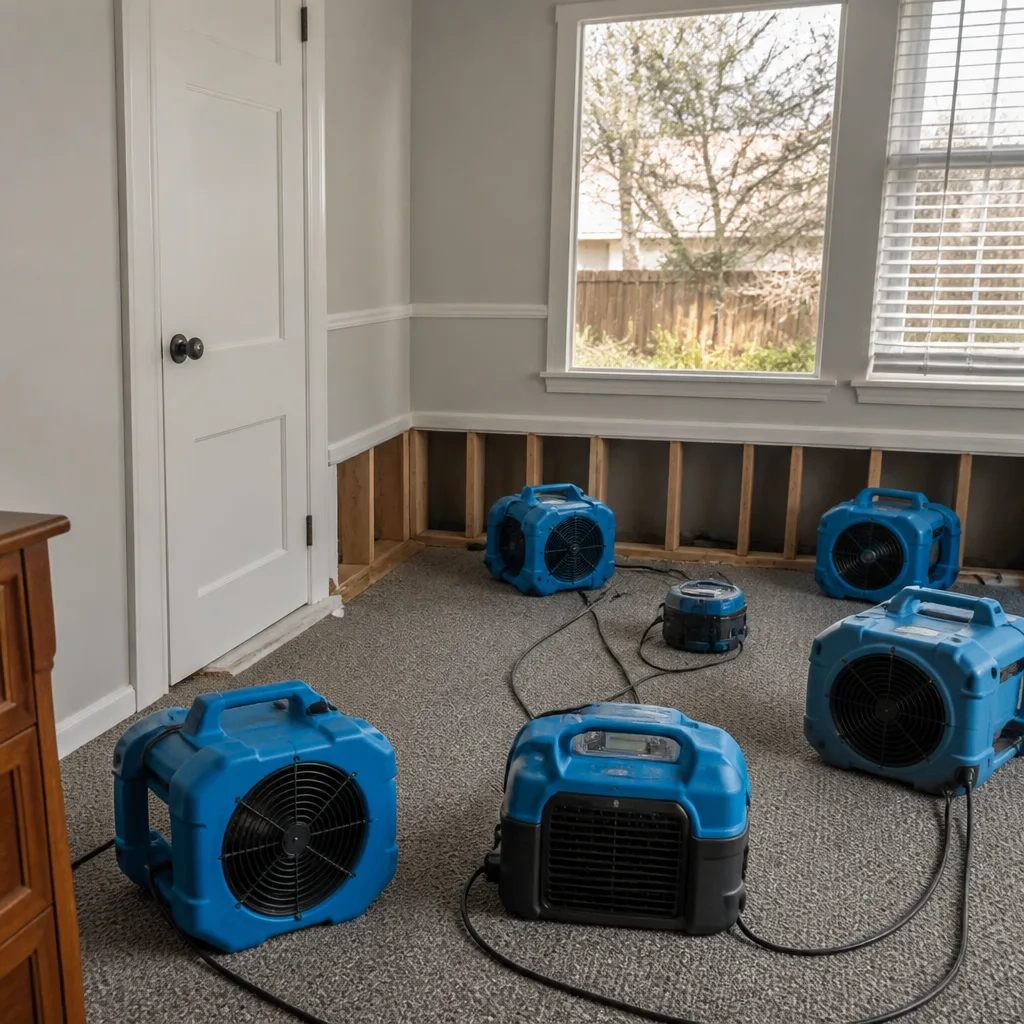
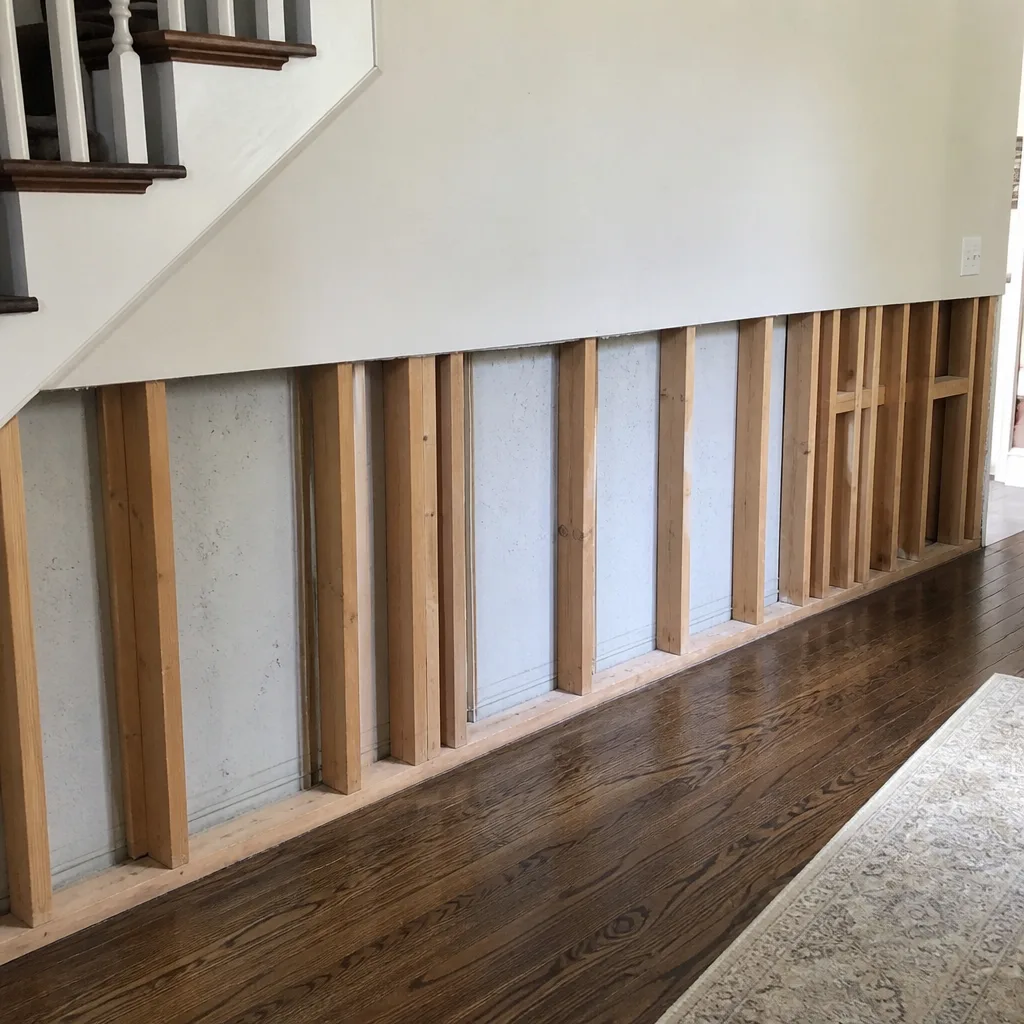
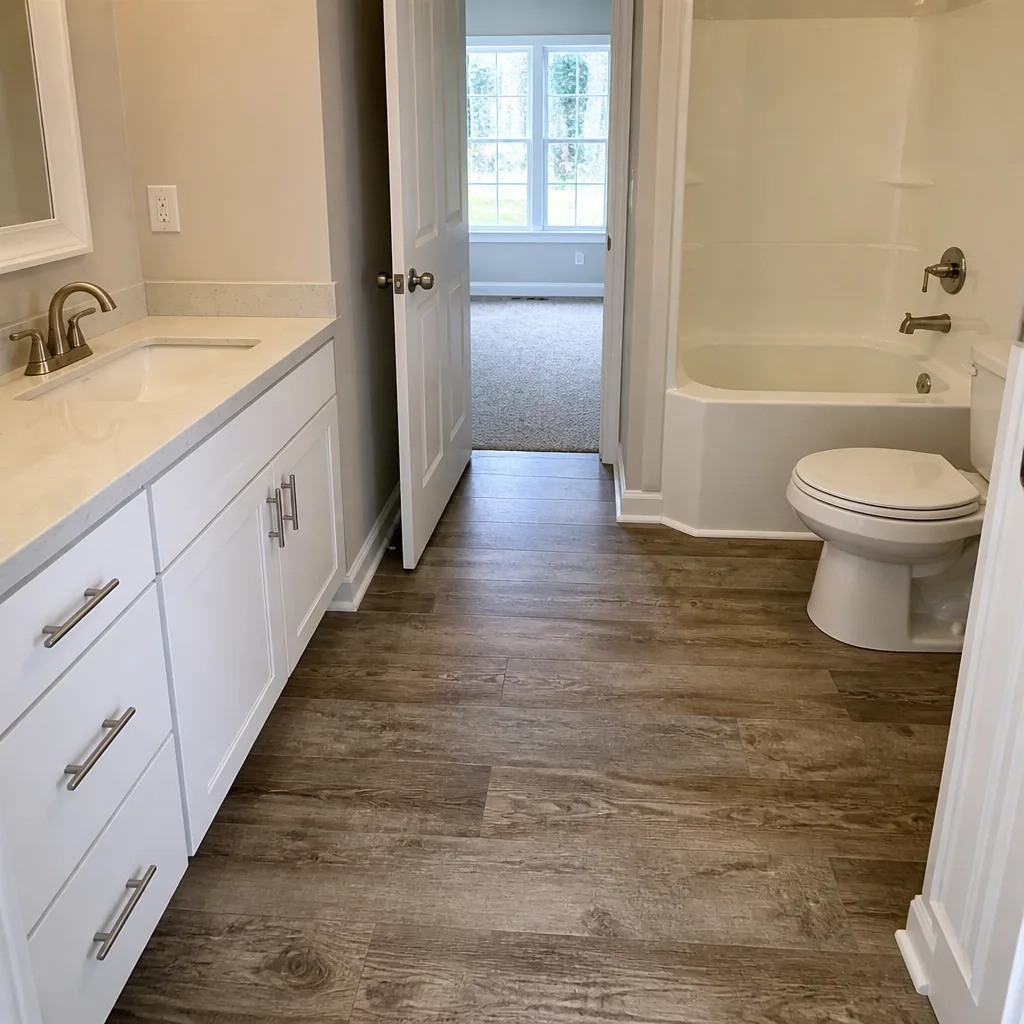
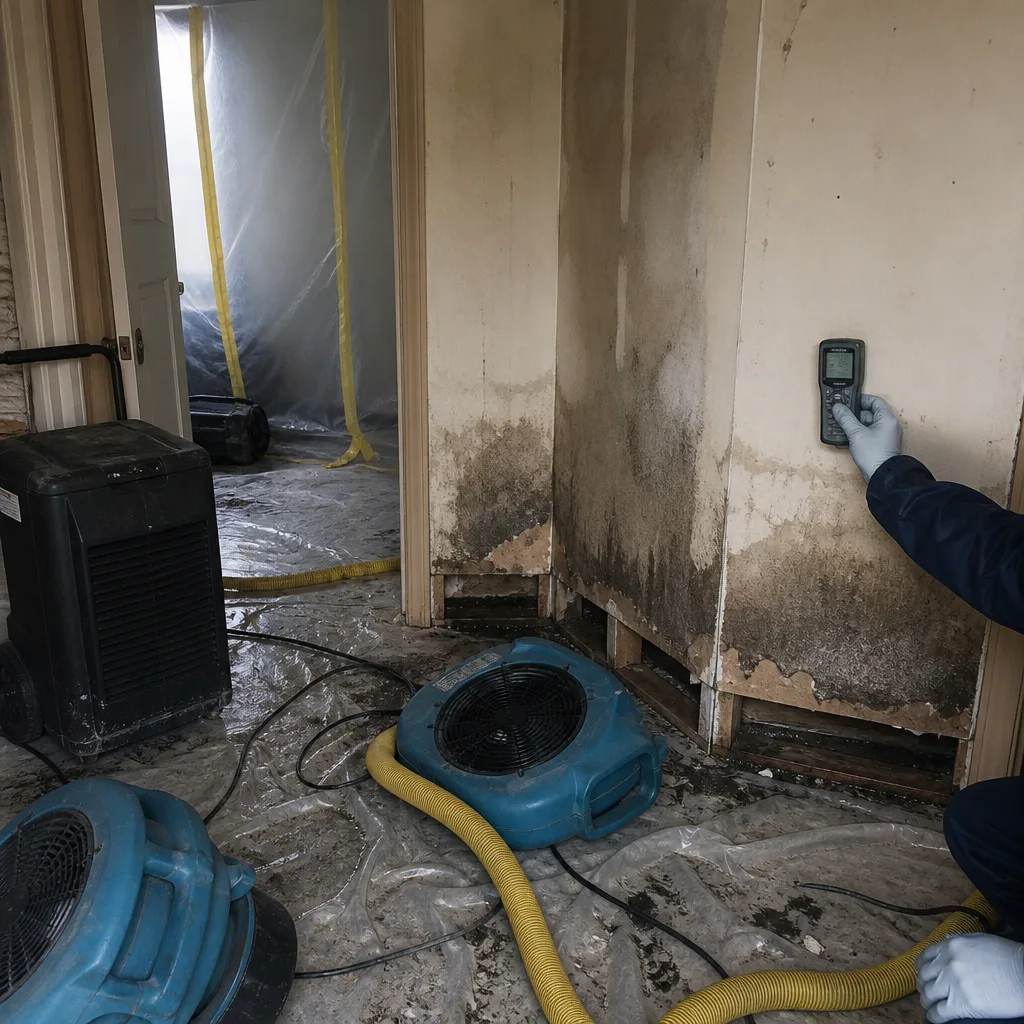 Before
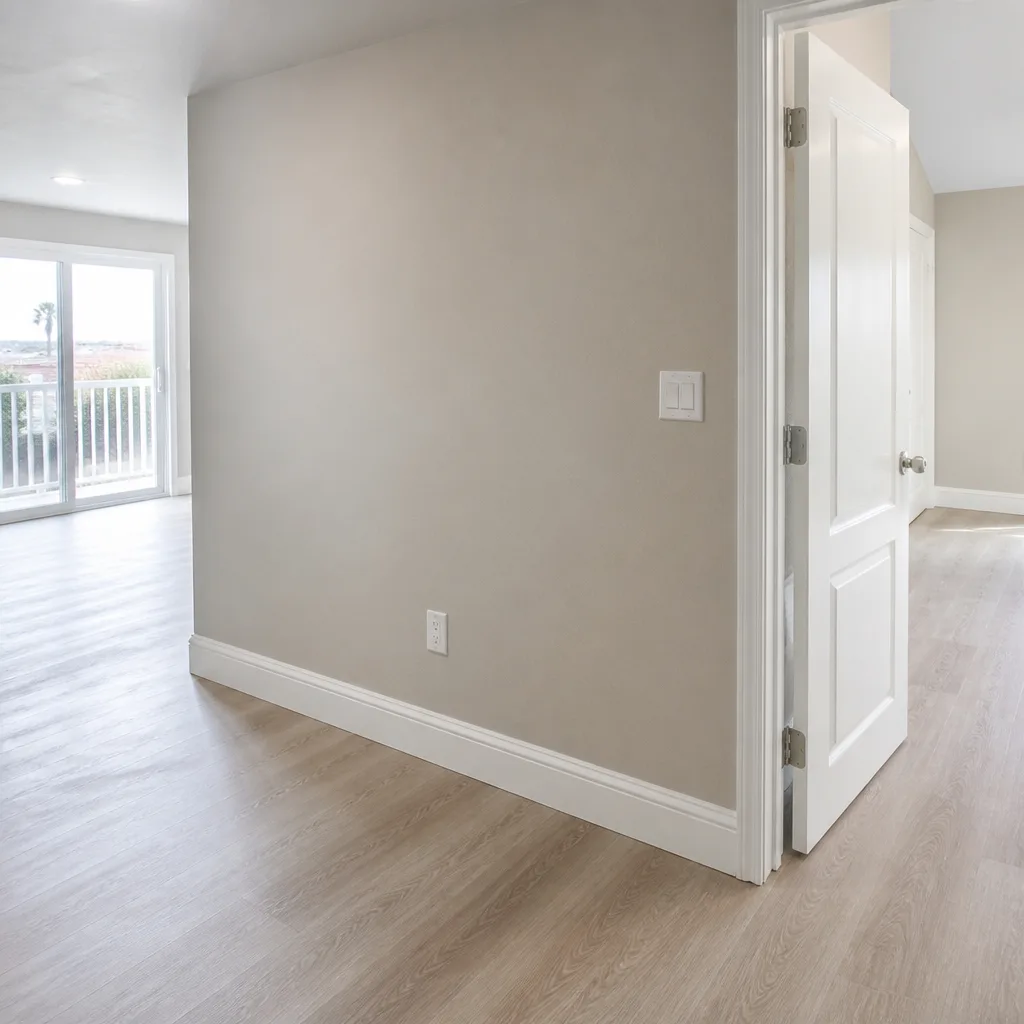 After
After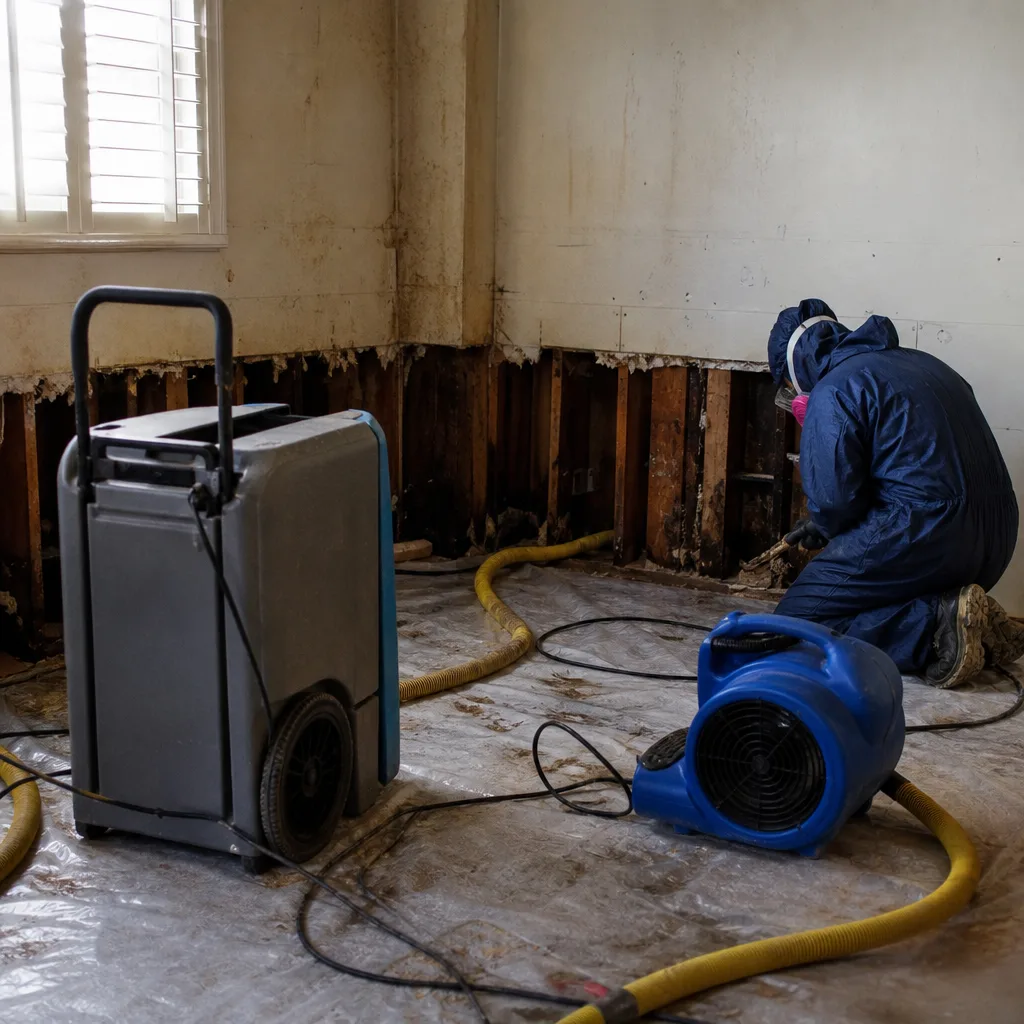 Before
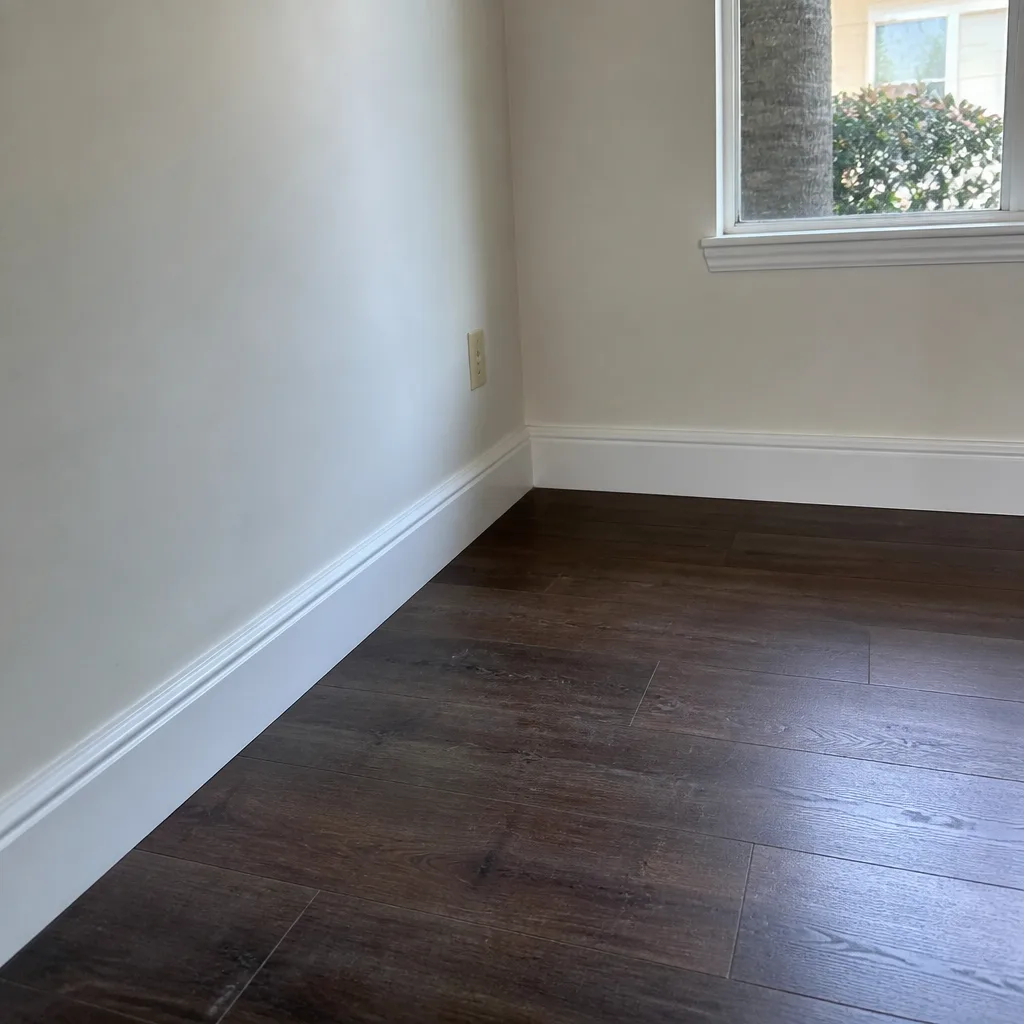 After
After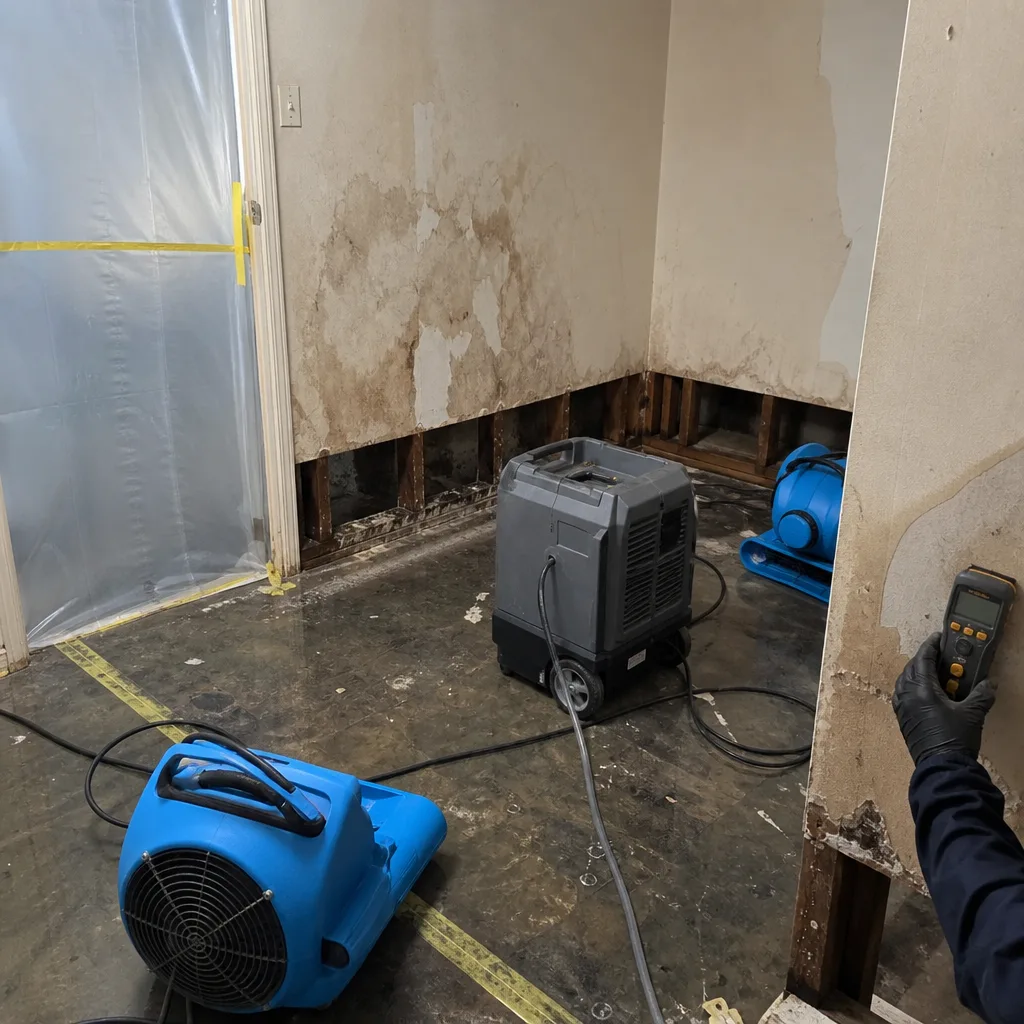 Before
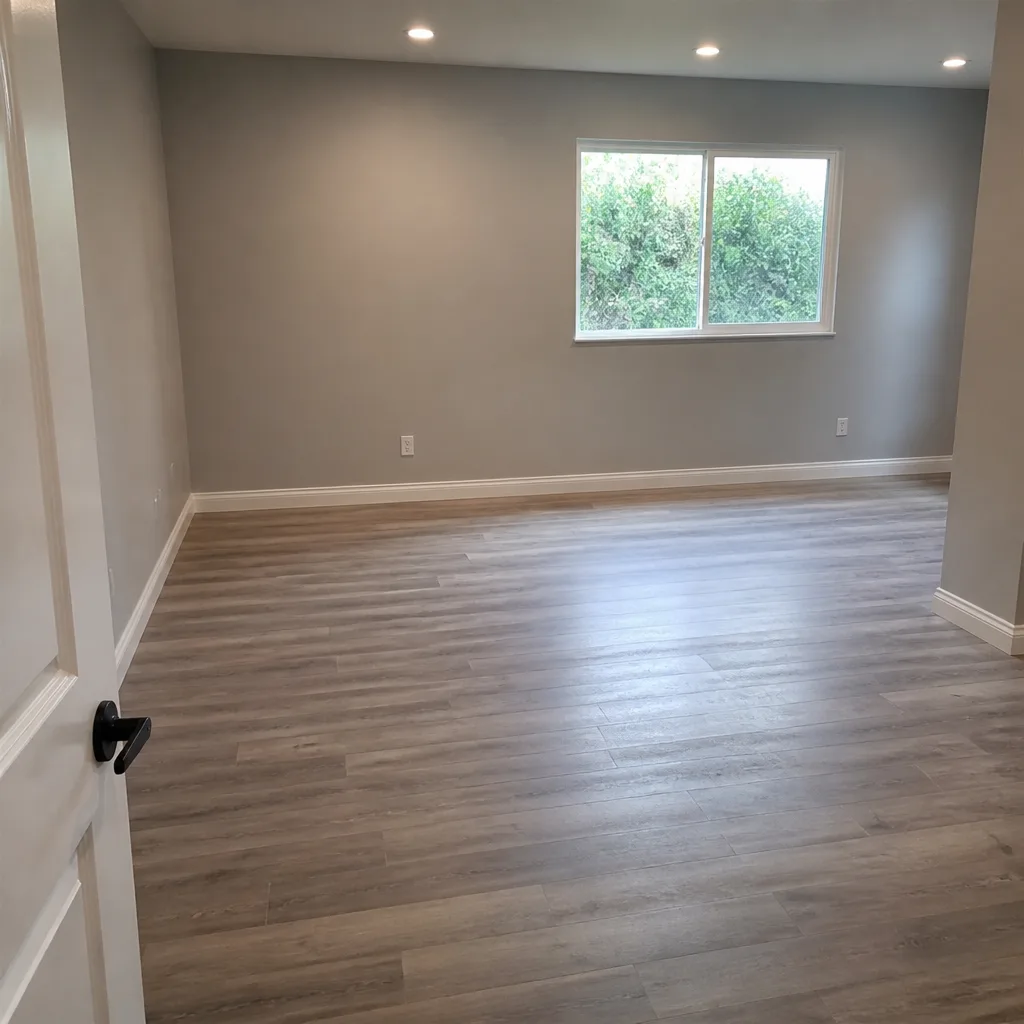 After
AfterHow to Hire a Damage Restoration Contractor in Redondo Beach: A Step-by-Step Guide
In California, a restoration contractor can legally begin work with a verbal agreement and bill you whatever they determine is “reasonable.” The single question - “Can I have a written scope and price before you start?” - separates contractors who profit from confusion from those who don’t need it. This guide and our complete guide to damage restoration in Redondo Beach teach homeowners to evaluate contractors by the paper trail they produce in the first 24 hours, because that trail, not the equipment on the truck, determines whether your insurer pays the claim without a fight.
Quick Answer
To hire a damage restoration contractor in Redondo Beach, verify their CCLB license classification, demand six specific documents before work begins, inspect a sample drying log from a past job, and never sign an assignment of benefits. A legitimate contractor will provide a written price, photo documentation, and moisture baseline readings without pressure; anyone who resists this transparency is signaling how your claim will end.
Table of Contents
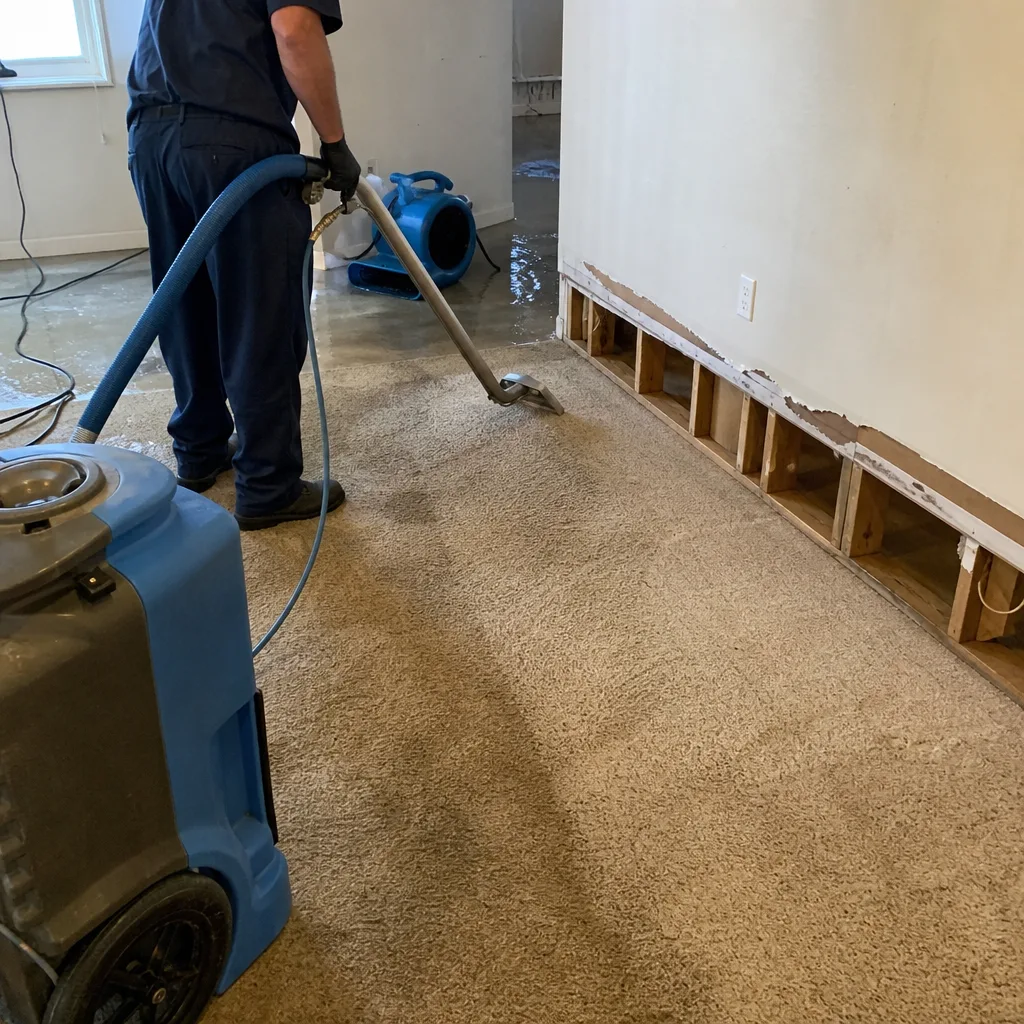
- The Six Documents Every Legitimate Contractor Produces Before Day One Ends
- How to Verify a California Contractor’s License and Why Classification Matters
- Why IICRC Certification Is a Floor, Not a Differentiator
- Red Flags: Post-Storm Solicitation and the South Bay Contractor Surge
- The Assignment of Benefits Trap
- What Restoration Pricing Should Look Like in Redondo Beach
- Common Mistakes to Avoid
- When to Call a Professional
- Frequently Asked Questions
 Before
 After
AfterThe Six Documents Every Legitimate Contractor Produces Before Day One Ends
The hiring decision for a restoration contractor is actually a documentation audit. The contractor’s intake process, not their equipment, reveals whether your claim will be paid. Here are the six documents that should exist before any dehumidifier switches on.
1. Written Scope of Work
This is a room-by-room description of what will be done, what materials will be removed, and what drying targets must be met. It should reference specific building materials by name: “remove 24 square feet of 5/8-inch Type X drywall from east wall of primary bedroom, expose fiberglass batt insulation for inspection.” Vague language like “dry out affected areas” is a scope that expands later. At DryMark Restoration Redondo Beach home, every scope is signed by both parties before work begins under Haven Standard, Clause 1.
2. Itemized Estimate
The estimate should line-item labor, equipment, and materials with unit prices. For water damage restoration in Redondo Beach, consult our Water Damage Restoration Maintenance Checklist for Redondo Beach Homeowners and expect to see categories like water extraction (per square foot), dehumidifier rental (per day), air mover placement (per unit), and moisture monitoring (per visit). A lump-sum figure with no breakdown is not an estimate; it’s a blank check.
3. Signed Authorization to Proceed
This document confirms you approve the scope and price, and it should explicitly state that no additional work will be performed without a written change order. It protects both parties. Without it, a contractor can claim implied authorization for work you never approved.
4. Moisture Baseline Readings
Using a calibrated pin or pinless moisture meter, the technician should record readings for every affected material and every unaffected control area in the same room. Baseline readings in Redondo Beach homes typically run 8-12% for dimensional lumber and 0.5-1.0% moisture content by weight for gypsum drywall in normal conditions. These numbers prove where drying started and when it finished.
5. Photo Log
Every visit should generate dated, geotagged photographs of damage, equipment placement, and progressive drying. Not a few phone snapshots - a systematic record. Ask to see a sample photo log from a completed job before you hire. If the contractor cannot produce one, they do not document as a standard practice.
6. Equipment Placement Record
This diagram or list shows where each dehumidifier, air mover, and negative air machine is placed, with serial numbers or asset tags. It proves the equipment was actually deployed and allows verification that the right capacity was used for the affected square footage. A Phoenix 200MAX dehumidifier in a 150-square-foot bathroom is appropriate; the same unit for a 2,000-square-foot open plan is not.
Any contractor who treats these documents as excessive or “something we handle after we start” is telling you how your invoice will read six weeks later. The Water Damage Restoration in Redondo Beach process begins with this paperwork, not with fans in the doorway.
How to Verify a California Contractor’s License and Why Classification Matters
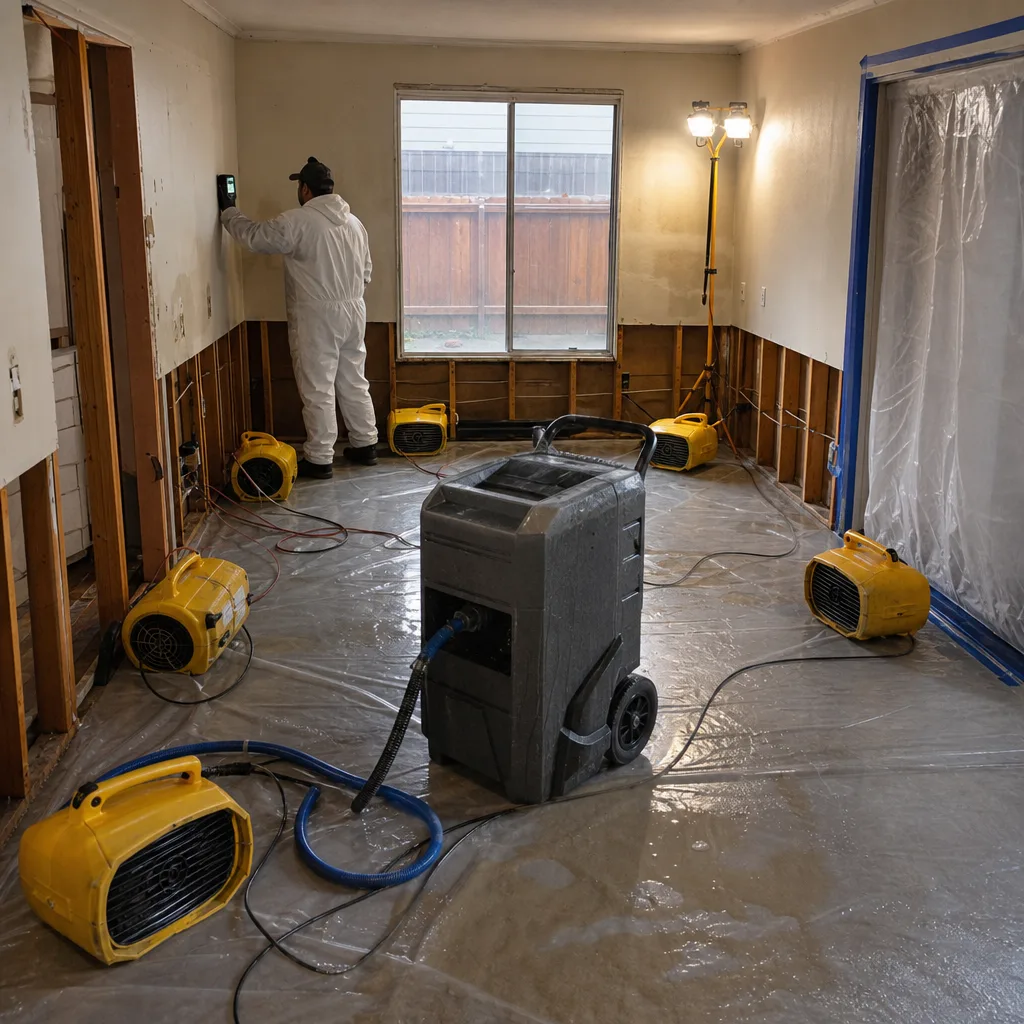
California contractors are licensed by the Contractors State License Board (CSLB), not by city or county. Verification takes two minutes at cslb.ca.gov and should be non-negotiable before any contractor enters your Redondo Beach home.
The License Lookup Process
- Navigate to the CSLB license check tool and enter the contractor’s license number.
- Confirm the license status reads “Active” - not suspended, expired, or pending.
- Verify the business name matches what appears on the estimate and vehicle signage.
- Check the “Workers’ Compensation Insurance” section; if the contractor has employees, this must show coverage.
- Review the license bond status; California requires a $25,000 bond for active contractors.
License Classifications for Restoration Work
Restoration spans multiple trades, and no single classification covers everything. Here’s what to look for:
- B-General Building Contractor: Can perform structural repairs, rebuilds, and whole-room reconstruction. Required for any work involving load-bearing walls, framing replacement, or structural drying that requires demolition of structural elements.
- C-36 Plumbing Contractor: Needed when water damage originates from plumbing failures, burst pipes, or fixture leaks that require repair before drying begins.
- C-20 Warm-Air Heating, Ventilating and Air-Conditioning Contractor: Required for HVAC-related water intrusion, duct contamination, or system decontamination after fire or smoke damage.
- C-61/D-49 Tree and Palm Contractor: Relevant when storm damage in Redondo Beach involves tree impact or root intrusion into foundations.
A contractor performing mold remediation without a classification that permits structural repair work is limited to surface cleaning and cannot legally remove and replace contaminated building materials. This matters in Redondo Beach’s coastal climate, where mold behind bathroom tile or under sink cabinets often requires substrate removal, not just topical treatment. For Mold Remediation in Redondo Beach, verify the contractor holds both remediation credentials and appropriate CSLB classification for the repairs that follow.
Why IICRC Certification Is a Floor, Not a Differentiator
The Institute of Inspection, Cleaning and Restoration Certification (IICRC) sets standards for water damage restoration, mold remediation, fire and smoke restoration, and carpet cleaning. Certification is necessary. It is not sufficient.
Every legitimate restoration contractor in Redondo Beach should hold current IICRC certifications relevant to their services: WRT (Water Damage Restoration Technician), ASD (Applied Structural Drying), AMRT (Applied Microbial Remediation Technician), or FSRT (Fire and Smoke Restoration Technician). These certifications prove the technician passed a written exam on standards and procedures. They do not prove the technician documents work, communicates with adjusters, or produces the drying logs that turn invoices into paid claims.
What to Ask Beyond Certification
Request to see a sample drying log from a completed job. A legitimate drying log includes:
- Daily psychrometric data: temperature, relative humidity, and specific humidity for each affected room
- Vapor pressure differential between affected and unaffected areas, measured in inches of mercury
- Moisture content readings for each material, with target goals based on species correction for local wood types
- Equipment readings: inlet and outlet grain depression on each dehumidifier, documenting that the unit is actually removing moisture
- Technician signature and time stamp for each visit
Psychrometric data is the measurement of air properties that determine how fast materials dry. Vapor pressure differential is the force that drives moisture from wet materials into the air; without a measurable difference, drying stalls. A technician who cannot explain these terms in plain language, or who has no drying log to show, has passed a test but has not practiced the documentation that protects your claim.
Ask also about tertiary drying - the final phase after primary extraction and secondary dehumidification, when materials approach equilibrium moisture content and specialized techniques like heat injection or desiccant dehumidification may be needed. In Redondo Beach’s marine layer conditions, where outdoor humidity often exceeds 70% in early morning hours, tertiary drying can extend project timelines by 24-48 hours, as covered in our Seasonal Damage Restoration Care for Redondo Beach: Year-Round Homeowner’s Guide. A contractor who does not plan for this phase will either leave moisture trapped in wall cavities or bill for unnecessary additional days.
At Back to Dry Restoration, every job is documented to IICRC, RIA (Restoration Industry Association), and IFA (Indoor Air Quality Association) standards. The equipment deployed - Dri-Eaz, Phoenix, XPOWER, B-Air, and Injectidry systems - is selected based on the specific psychrometric conditions of the loss, not on what happens to be on the truck that day.
Red Flags: Post-Storm Solicitation and the South Bay Contractor Surge
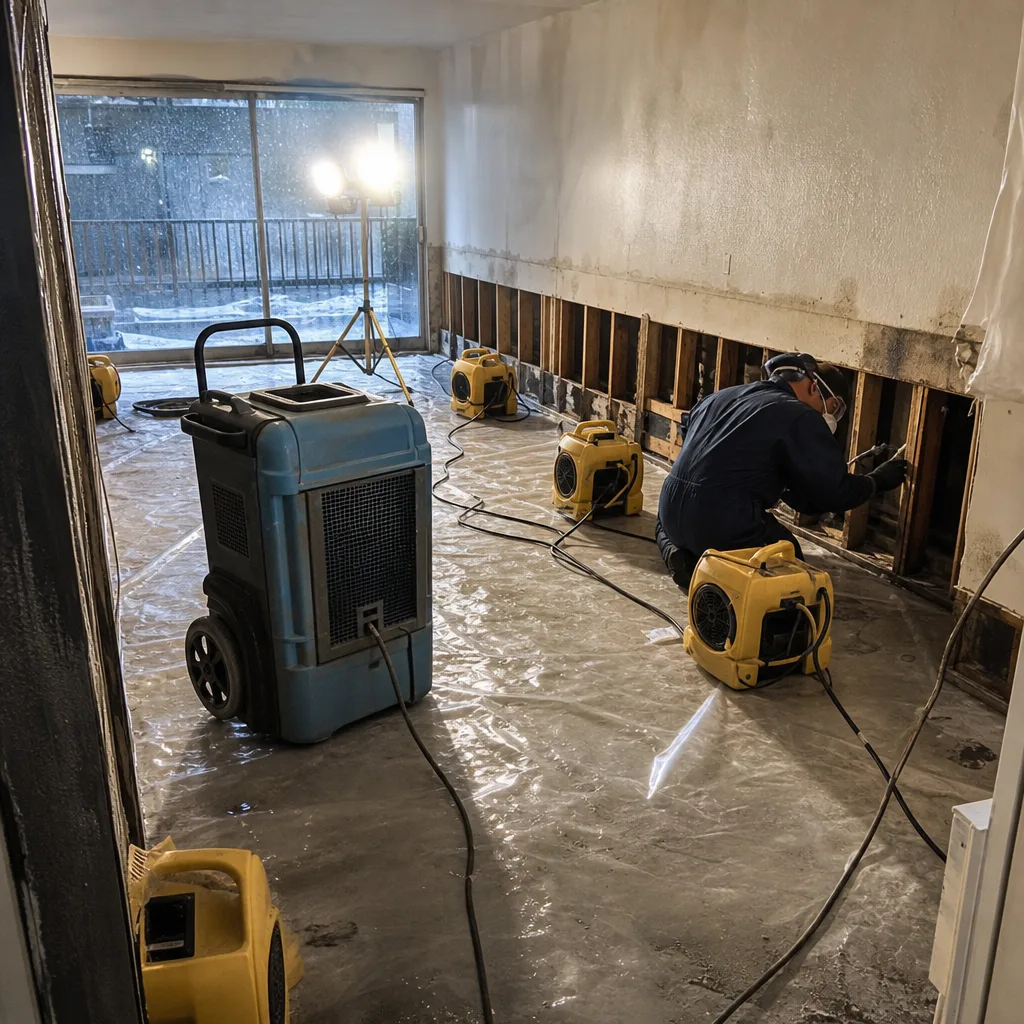
Redondo Beach sits in Los Angeles County’s South Bay, a region that sees concentrated contractor surges after El Niño events, coastal storms, and Santa Ana wind-driven fires. These surges bring legitimate contractors and opportunists in equal measure.
The Out-of-State Crew Pattern
After major weather events, unlicensed crews from Arizona, Nevada, and Texas appear in South Bay neighborhoods with magnetic door signs and rented equipment. They solicit door-to-door in areas with visible damage, offer immediate service, and frequently lack California licensure. Their pattern is consistent:
- Payment demanded upfront, often in cash or via mobile payment apps
- No written estimate provided, or a generic template with no job-specific details
- License number that cannot be verified on CSLB, or a license belonging to a different individual
- Promise to “handle everything with your insurance,” followed by pressure to sign documents you haven’t read
California Business and Professions Code Section 7159 restricts door-to-door home improvement sales and provides a three-day right to cancel. A contractor who appears uninvited and pressures for immediate signature is violating this code or attempting to circumvent it.
Redondo Beach-Specific Warning Signs
The city’s coastal location creates specific damage patterns that out-of-area contractors often misdiagnose. Salt-laden air accelerates corrosion in electrical components after flooding. The marine layer extends drying times compared to inland climates. Foundation types common in Riviera and Hollywood Riviera neighborhoods - raised foundations with crawl spaces - require different moisture mapping than slab-on-grade construction in North Redondo.
A contractor who does not ask about your foundation type, does not measure outdoor humidity against indoor conditions, or has never heard of the Redondo Beach Municipal Code requirements for asbestos and lead testing in pre-1978 structures is not equipped for this market. The Fire & Smoke Damage Restoration in Redondo Beach process, for example, must account for these coastal corrosion factors in electrical system evaluation.
Verification Steps for Storm Response
- Ask for the contractor’s CSLB license number and verify it independently before allowing any site visit.
- Request proof of general liability insurance and workers’ compensation coverage, with your address listed as additional insured on the certificate.
- Confirm the contractor has a physical business address in California, not a mail drop or virtual office.
- Search the contractor’s name plus “complaint,” “lien,” or “lawsuit” in county court records.
- Contact your insurance adjuster before signing any agreement; most insurers maintain approved vendor lists and can confirm whether a contractor has current relationships.
The Assignment of Benefits Trap
An Assignment of Benefits (AOB) is a legal document that transfers your insurance policy rights to a contractor. In exchange, the contractor promises to handle claim negotiation and collect payment directly from your insurer. In California, this practice is not prohibited for residential property claims, and it can be catastrophic.
How the AOB Trap Functions
When you sign an AOB, the contractor becomes the policyholder for purposes of that claim. They can negotiate with your insurer without your involvement, sue your insurer in your name, and place a lien on your property if the insurer denies payment or pays less than the contractor demands. You lose the right to dispute charges, to negotiate scope, or to fire the contractor for poor performance.
The contractor’s incentive structure inverts. Instead of documenting work to justify reasonable charges to your insurer, they document to maximize billable items. Instead of efficient drying, they may extend equipment rental. Instead of repair, they may recommend replacement. Every decision serves the contractor’s financial interest against your insurer, with you as the unwitting party to the dispute.
California’s Limited Protections
Unlike Florida, which restricted AOB agreements for property insurance after widespread abuse, California has no equivalent statute. The California Department of Insurance has issued consumer alerts warning against AOB agreements, but they remain legally enforceable if properly executed.
The Alternative: Direct Billing with Documentation
A legitimate contractor does not need your policy rights to get paid. They need documentation that satisfies the insurer’s standard for reasonable and necessary work. This means:
- Written scope and price before work begins, signed by you
- Daily drying logs with psychrometric data
- Photo documentation of damage and progressive drying
- Direct communication with your adjuster, with you copied on all correspondence
- Invoice that matches the approved scope, with no unexplained additions
At Back to Dry Restoration, we do not use AOB agreements. Haven Standard, Clause 1 requires a written price before work begins. Clause 2 requires that you retain all policy rights and that we document sufficiently for direct payment without assignment. If your insurer disputes an item, we defend it with the drying log, not with your signature on a legal transfer.
What Restoration Pricing Should Look Like in Redondo Beach
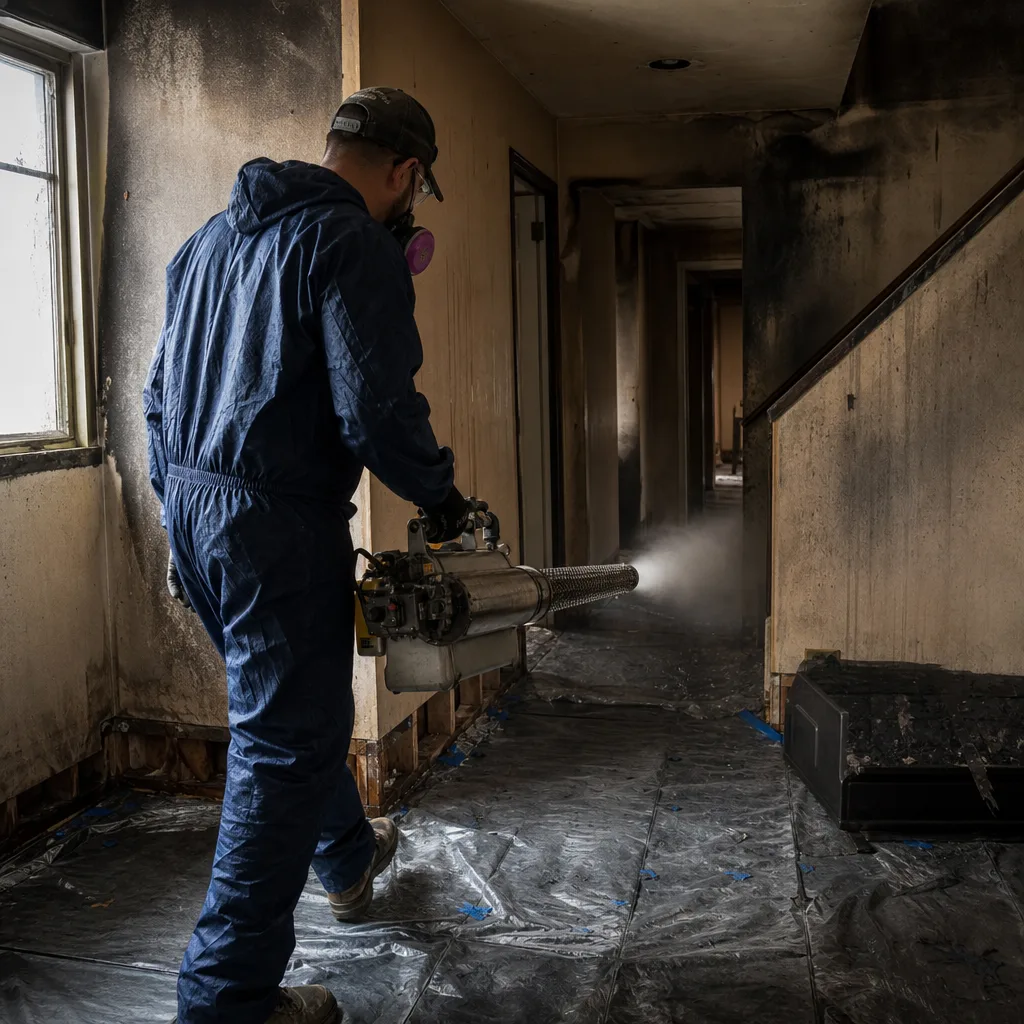
Restoration pricing in Los Angeles County follows regional cost structures influenced by labor rates, equipment availability, and permit requirements. Redondo Beach’s position in the South Bay, with higher-than-state-average property values and coastal building codes, affects both the cost and the documentation required for claim approval.
Typical Pricing Categories
| Service Category | Redondo Beach Price Range | What Drives Variation |
|---|---|---|
| Water extraction (per square foot) | $3.50 - $6.00 | Standing depth, contamination category, access difficulty |
| Dehumidifier rental (per day) | $85 - $150 | Unit capacity (pints per day), desiccant vs. refrigerant type |
| Air mover placement (per unit, per day) | $25 - $45 | XPOWER, B-Air, or Phoenix brand; axial vs. centrifugal design |
| Moisture monitoring visit | $125 - $225 | Travel distance, number of rooms, report detail level |
| Structural drying (per square foot, complete) | $4.50 - $8.50 | Material types, cavity access needs, tertiary drying duration |
| Mold remediation (per square foot, contained area) | $15 - $30 | Containment complexity, HEPA filtration hours, disposal requirements |
| Fire/smoke damage restoration (per square foot) | $7.00 - $15.00 | Soot type (protein vs. synthetic), odor penetration depth, contents cleaning |
These ranges reflect South Bay market conditions as of 2024-2025. Prices below these ranges may indicate uninsured labor, unlicensed operation, or equipment that does not meet IICRC standards. Prices significantly above may indicate inefficient processes, unnecessary equipment deployment, or billing practices designed to exhaust policy limits.
What Documentation Supports These Prices
Every line item should be defensible with specific measurements. “Deploy 3 Phoenix 200MAX dehumidifiers, 6 XPOWER P-230AT air movers, 1 Injectidry HP60 for wall cavity drying” is a specification that can be verified against manufacturer capacity charts and room volume calculations. “Drying equipment as needed” is not.
Permit costs in Redondo Beach add another documentation layer. The city’s Building and Safety Division requires permits for structural repairs, electrical work, and plumbing modifications. A contractor who does not mention permit requirements in the initial scope is either unaware of local code or planning to perform work without inspection. Either outcome jeopardizes your claim and your property value.
Back to Dry Restoration provides a written price before work begins on every job, with every line item specified to this level of detail. Haven Standard, Clause 1 exists precisely to end the practice of “call for pricing” or “we’ll tell you after we start.”
Common Mistakes to Avoid
- Hiring based on response speed alone. A contractor who arrives in 30 minutes with no documentation protocol will create more problems than they solve. Speed matters for water mitigation, but not at the cost of scope definition. In Redondo Beach’s dense neighborhoods, traffic patterns mean a legitimate local contractor may need 45-90 minutes during peak hours; anyone promising instant arrival may be circling your block waiting for the call.
- Accepting a verbal estimate. California law requires a written contract for home improvement work exceeding $500. More importantly, a verbal estimate cannot be submitted to your insurer as evidence of reasonable pricing. If the contractor will not put it in writing before work starts, they are planning to put something different in writing after.
- Ignoring license classification. A contractor with only a C-39 Roofing classification cannot legally perform structural drying or rebuild interior walls. Yet after storms in the South Bay, roofing contractors frequently expand into “restoration” without appropriate licensure, leaving homeowners with incomplete work and no recourse.
- Signing documents under pressure. Any contractor who presents documents for signature while water is still flowing, while you are emotionally distressed, or with language like “we need this to start helping you” is exploiting urgency. Step away, read everything, and call your insurer. The water will not get measurably worse in the 15 minutes this takes.
- Failing to photograph before the contractor arrives. Your own photo record of the loss, timestamped and with location data enabled, provides independent evidence if the contractor’s documentation is incomplete or disputed. Photograph every room, every damaged item, every water line on walls before anything is moved or extracted.
- Assuming insurance covers everything. Your policy has limits, deductibles, and exclusions. A contractor who promises to “take care of everything” without reviewing your declaration page is making promises they cannot keep. Request that your adjuster and contractor communicate directly, with you on all calls, so coverage decisions are transparent.
- Neglecting to verify the 365-Day Done Right Promise in writing. Verbal warranties expire when the crew leaves. A written warranty, like The Haven Standard’s 365-Day Done Right Promise, specifies what is covered, the process for claiming it, and the response timeline. Ask to see the actual warranty document before hiring, not a marketing summary.
When to Call a Professional
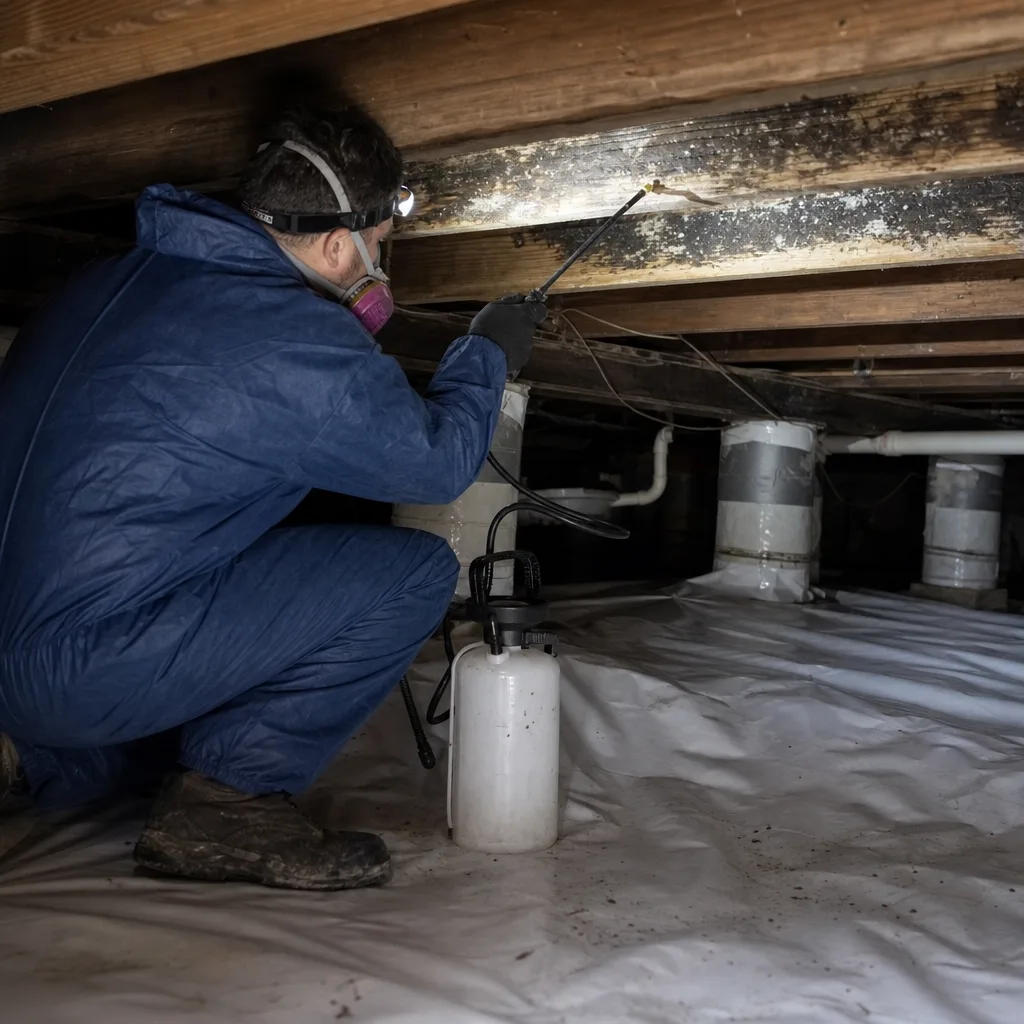
Call a restoration contractor immediately when: water has penetrated beyond surface flooring into subfloors or wall cavities; mold is visible on more than 10 square feet or is accompanied by musty odor; fire or smoke damage has affected multiple rooms or HVAC systems; sewage or Category 3 water is present; or structural elements show sagging, warping, or separation. These conditions do not improve with waiting and compound remediation costs exponentially.
For water damage, the first 24-48 hours determine whether materials are restorable or require replacement. For mold, disturbed colonies release spores that colonize new areas. For fire damage, acidic soot continues etching surfaces until neutralized. In each case, the cost of delayed response exceeds the cost of immediate, documented professional intervention.
DryMark Restoration Redondo Beach offers free estimates in Redondo Beach. Call (424) 375-7225 to speak with a live person, 24 hours a day, 7 days a week - no voicemail, no next-business-day callback while water is still moving. Every estimate includes the six-document intake, a written price before work begins, and a photo record on every visit. See more guides & resources on our blog.
Frequently Asked Questions
Verify any California contractor’s license at cslb.ca.gov using their license number. Confirm the status is “Active,” the business name matches their signage and estimate, and workers’ compensation insurance is current if they have employees. For restoration work, check that their classification - B-General Building, C-36 Plumbing, or C-20 HVAC - matches the work they propose. Call (424) 375-7225 and we’ll walk you through the verification process for any contractor you’re considering.
Most homeowner policies cover sudden and accidental water damage from plumbing failures, appliance leaks, or storm intrusion, subject to your deductible and policy limits. Flood damage from rising groundwater requires separate flood insurance. The key to coverage is documentation: a written scope, moisture baseline readings, and daily drying logs that prove the work was necessary and properly performed. Back to Dry Restoration produces this documentation as standard practice, not as an add-on service. Call (424) 375-7225 for a free estimate we can submit to your adjuster.
Legitimate local contractors in the South Bay typically arrive within 60-90 minutes during business hours and 90-120 minutes overnight, depending on traffic patterns on the 405, PCH, and Artesia Boulevard corridors. Anyone promising faster response may be stationed nearby waiting for calls rather than operating from a physical facility with equipment inventory. For water mitigation, speed matters; for reconstruction, scheduled arrival is appropriate. DryMark Restoration Redondo Beach maintains live phone coverage 24 hours a day, 7 days a week with no voicemail trees.
Surface water you can see is rarely the complete problem. Water wicks into drywall at a rate of approximately 1 inch per hour horizontally, travels upward in insulation through capillary action, and pools in subfloors and wall cavities where it cannot be detected without moisture meters. Category 1 clean water degrades to Category 2 within 48 hours and Category 3 within a week. Self-cleaning addresses visible water while leaving hidden moisture that breeds mold and destroys structural materials. A professional assessment with documented moisture mapping reveals the full extent. Call (424) 375-7225 for a free assessment with no obligation to proceed.
You retain all rights and responsibilities under your policy. A legitimate contractor documents work sufficiently for your adjuster to approve payment directly, without you signing away policy rights. The contractor should communicate with your adjuster, copy you on all correspondence, and defend any disputed items with the drying log and photo record. Anyone who insists on handling everything exclusively, or who asks you to sign an Assignment of Benefits, is positioning you outside your own claim. Back to Dry Restoration coordinates directly with adjusters while keeping you fully informed - Haven Standard, Clause 3.
A legitimate estimate specifies affected rooms by name, materials to be removed or dried with trade names and dimensions, equipment by manufacturer and model with daily rates, labor hours by task, and a total price with no open-ended categories. It should reference local permit requirements if structural work is involved and include a statement that no additional work will be performed without a written change order signed by both parties. Haven Standard, Clause 1 requires this level of specificity on every Back to Dry Restoration estimate, with no exceptions since 2011.
The marine layer, salt-laden air, and higher baseline humidity create three specific challenges: drying takes longer because outdoor vapor pressure is closer to indoor conditions; salt accelerates corrosion in electrical components after any water exposure; and mold growth thresholds are reached faster in poorly ventilated spaces. Contractors unfamiliar with coastal California often use inland drying timelines and miss corrosion in electrical systems. Ask any contractor how they adjust psychrometric targets for marine layer conditions and whether they inspect electrical panels for salt corrosion after water intrusion.
The Bottom Line
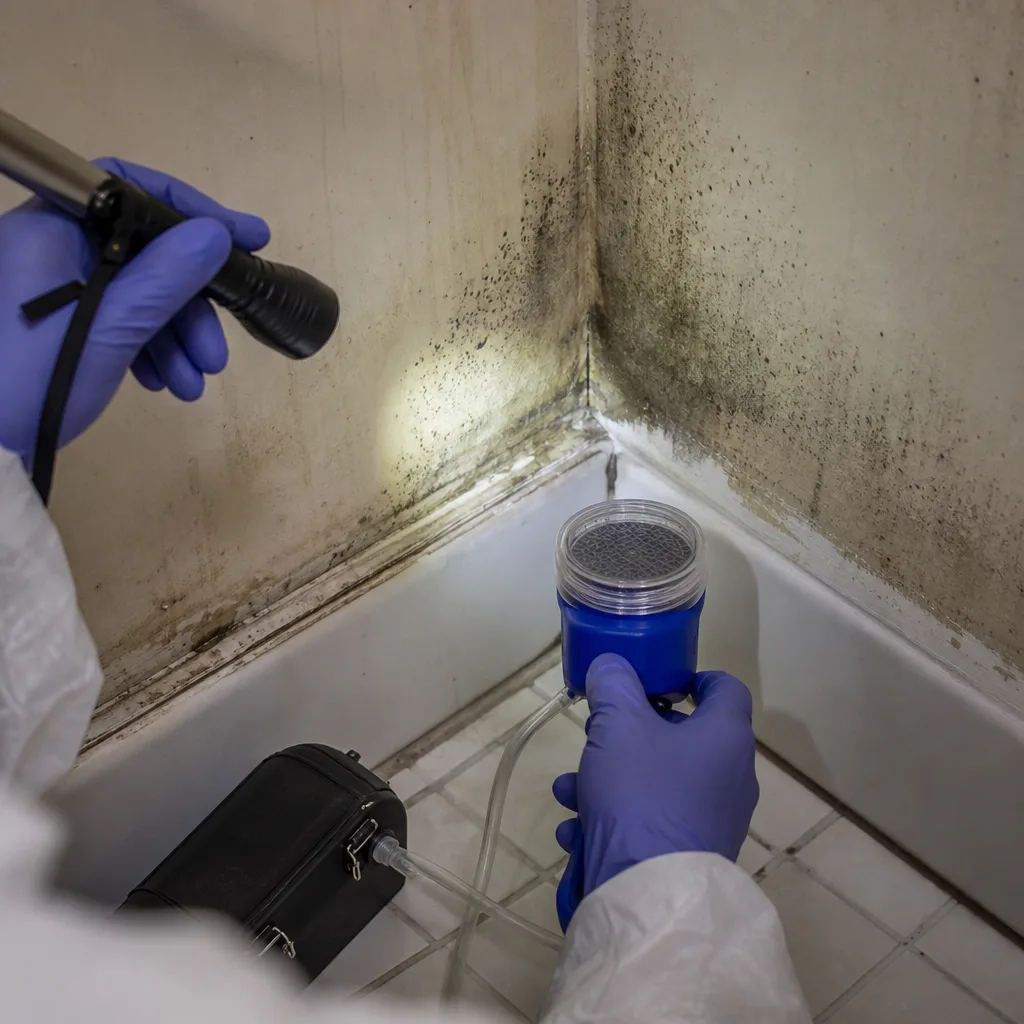
The contractor you hire in the first hours after damage determines whether your restoration ends with a paid claim and a restored property, or with a disputed invoice, a lien, and unfinished work. The evaluation is not emotional; it is documentary. Verify the CCLB license. Demand the six documents before day one ends. Inspect a sample drying log. Reject any Assignment of Benefits. And insist on a written price before work begins, every time, with no exceptions. These standards are not excessive; they are the minimum that a professional who has seen what sloppy documentation costs a homeowner would require for their own property.
Written by Alicia Brennan, Owner at DryMark Restoration Redondo Beach, serving Redondo Beach since 2011.