
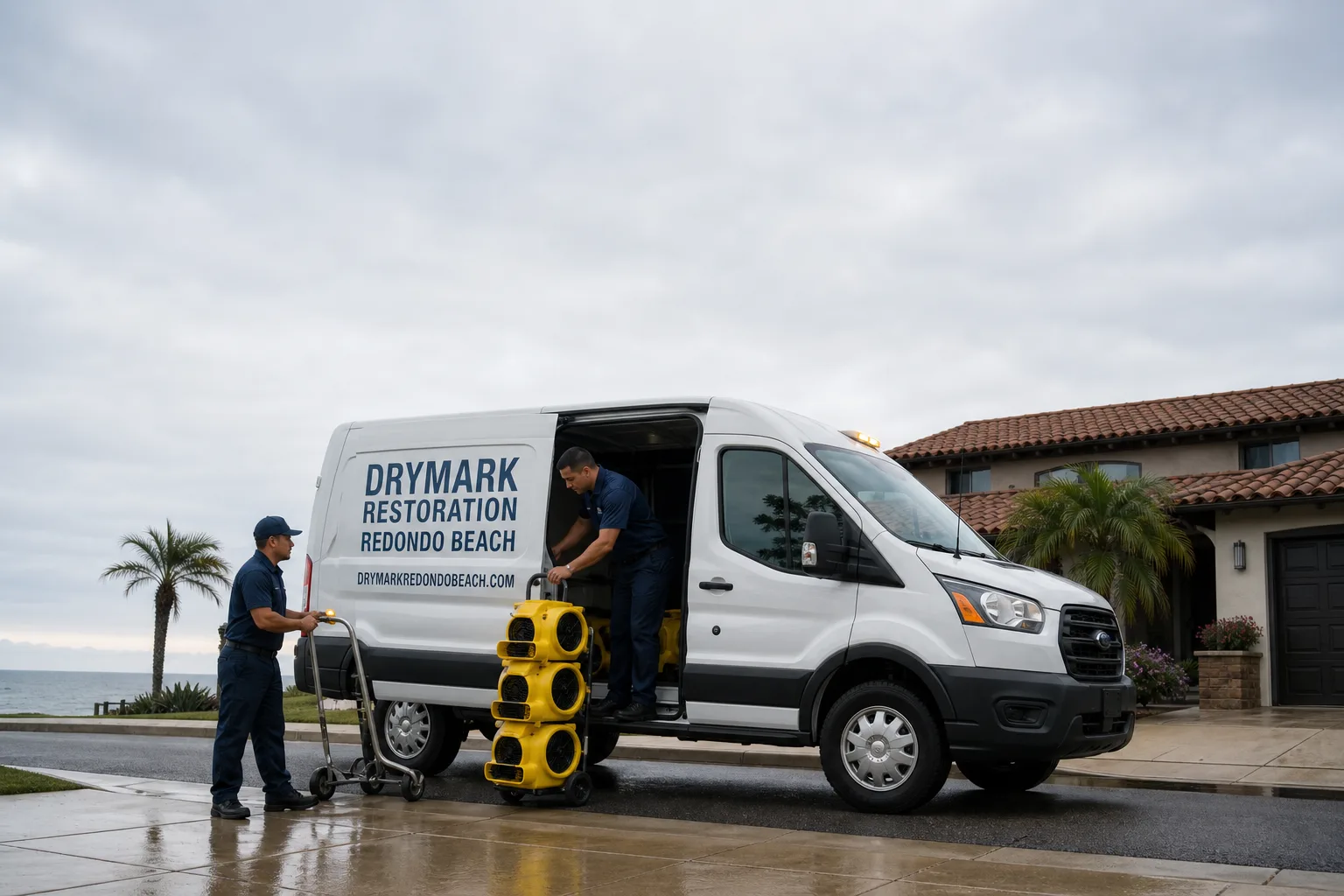
Free visual inspection and a written scope of work before any mitigation begins - photos, moisture readings, and drying logs go in your claim file
The scope we write is the scope we bill. Anything new gets shown to you, in writing, before we touch it.
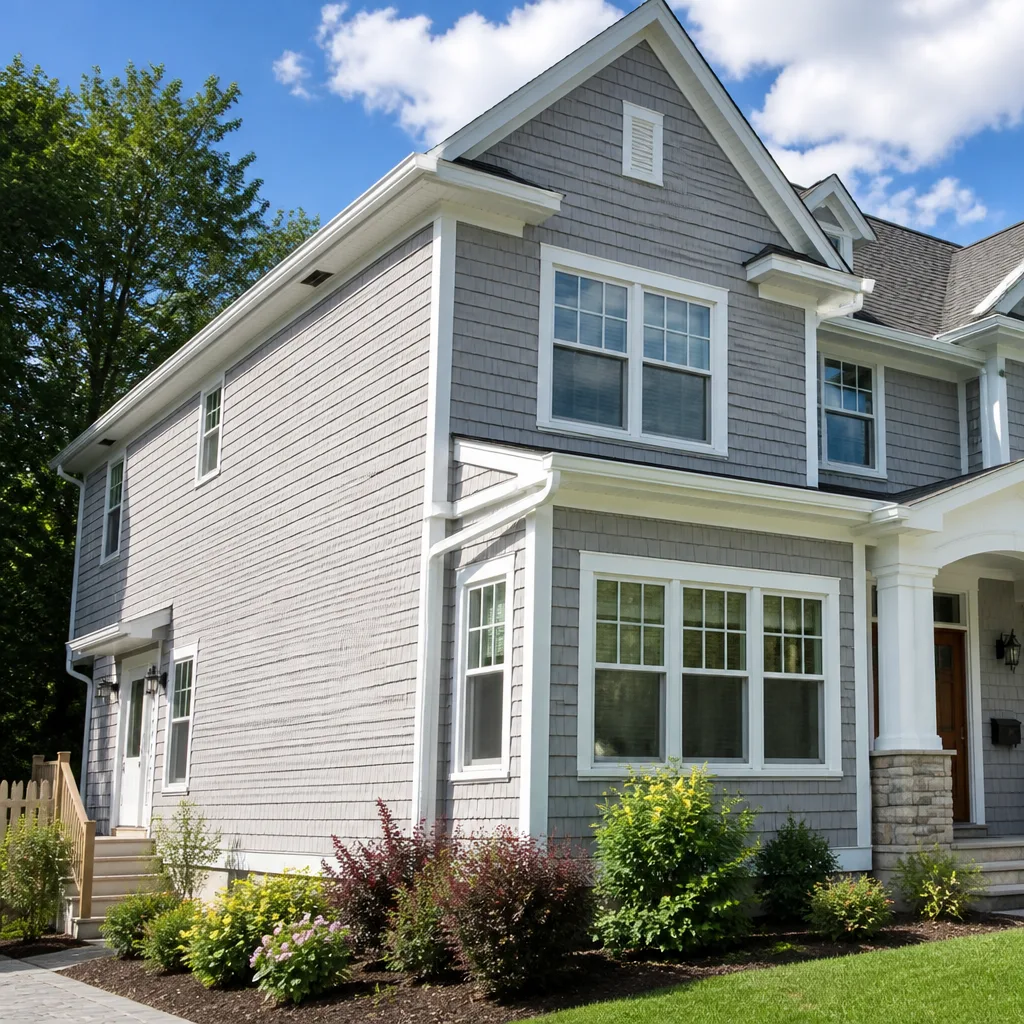
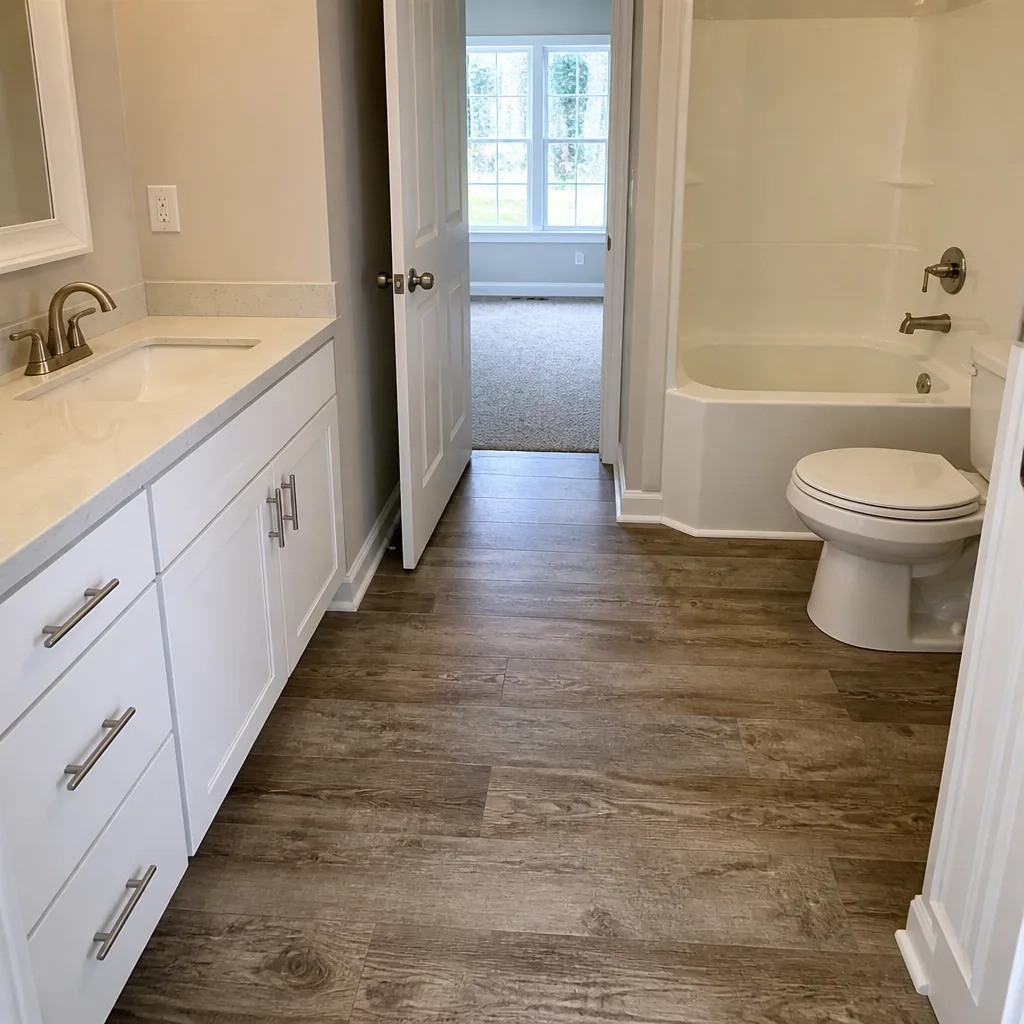
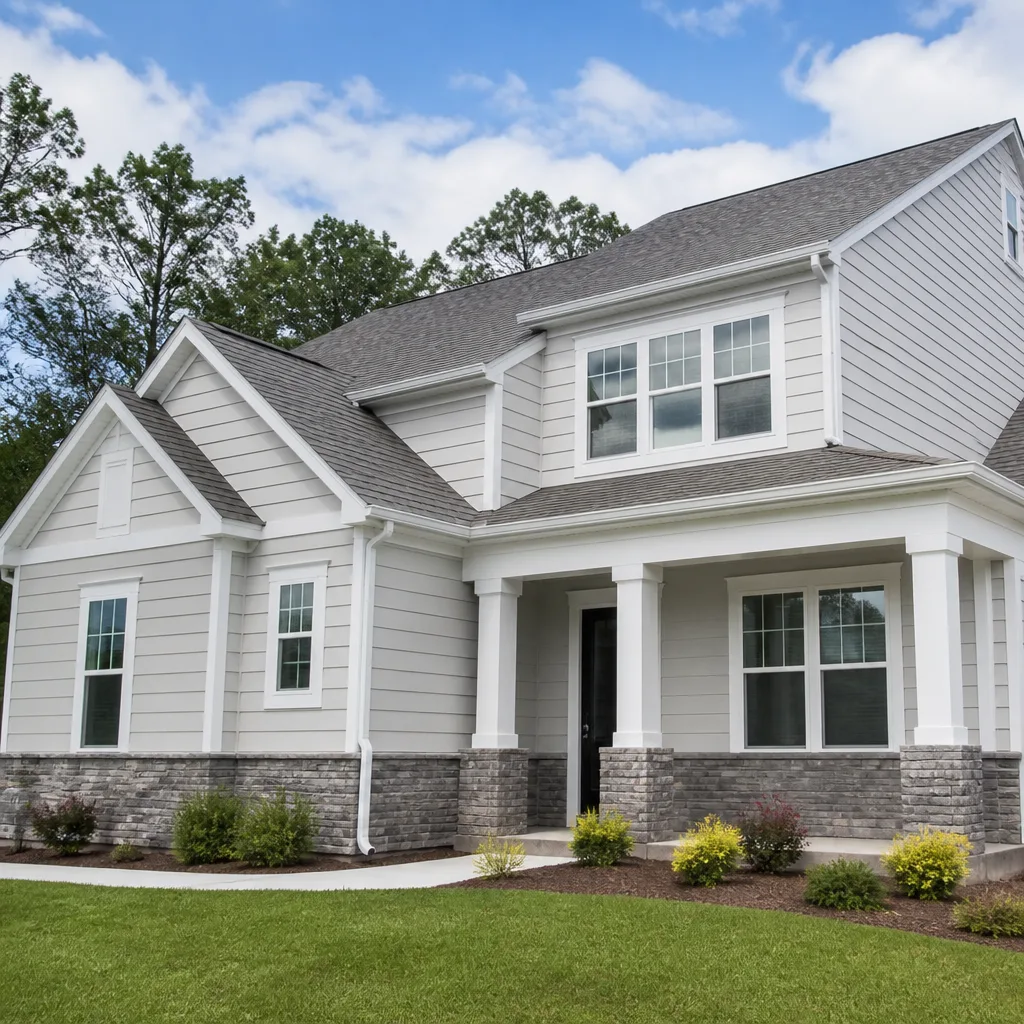
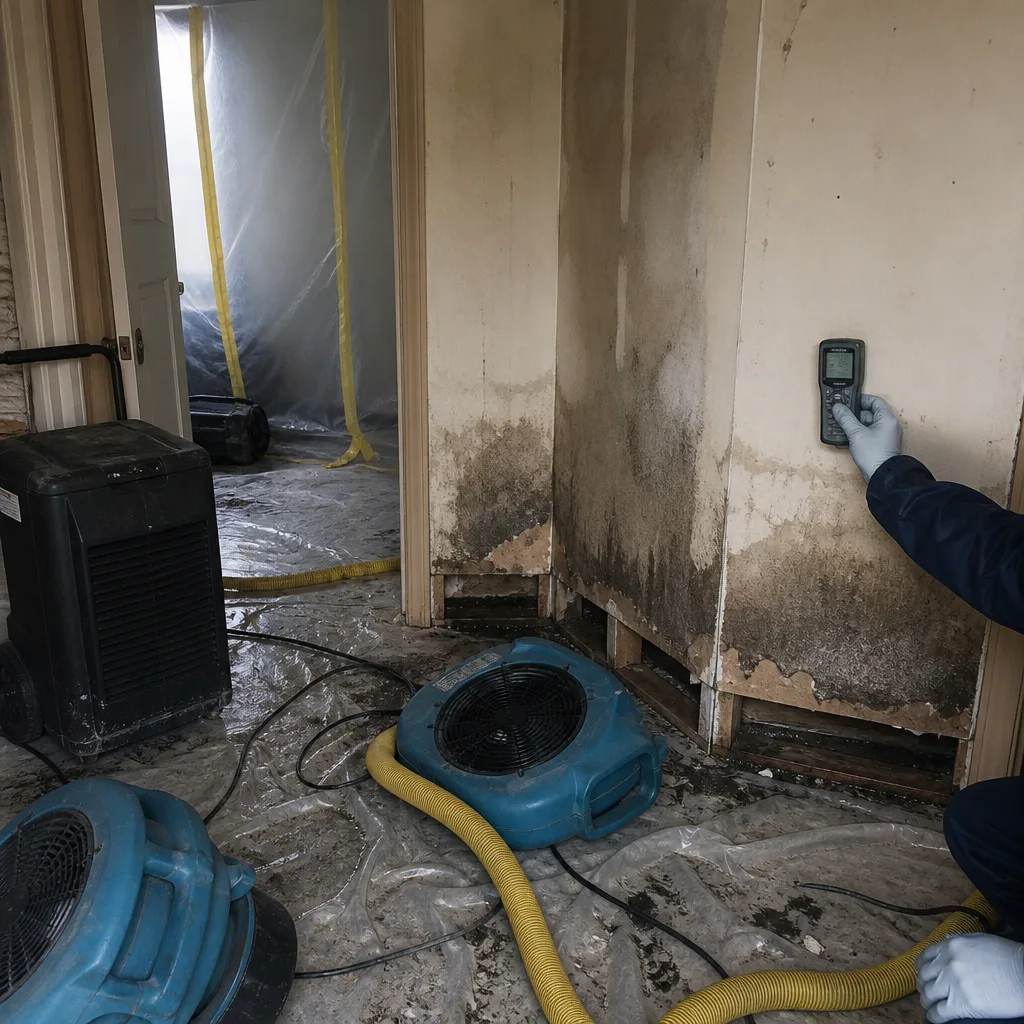 Before
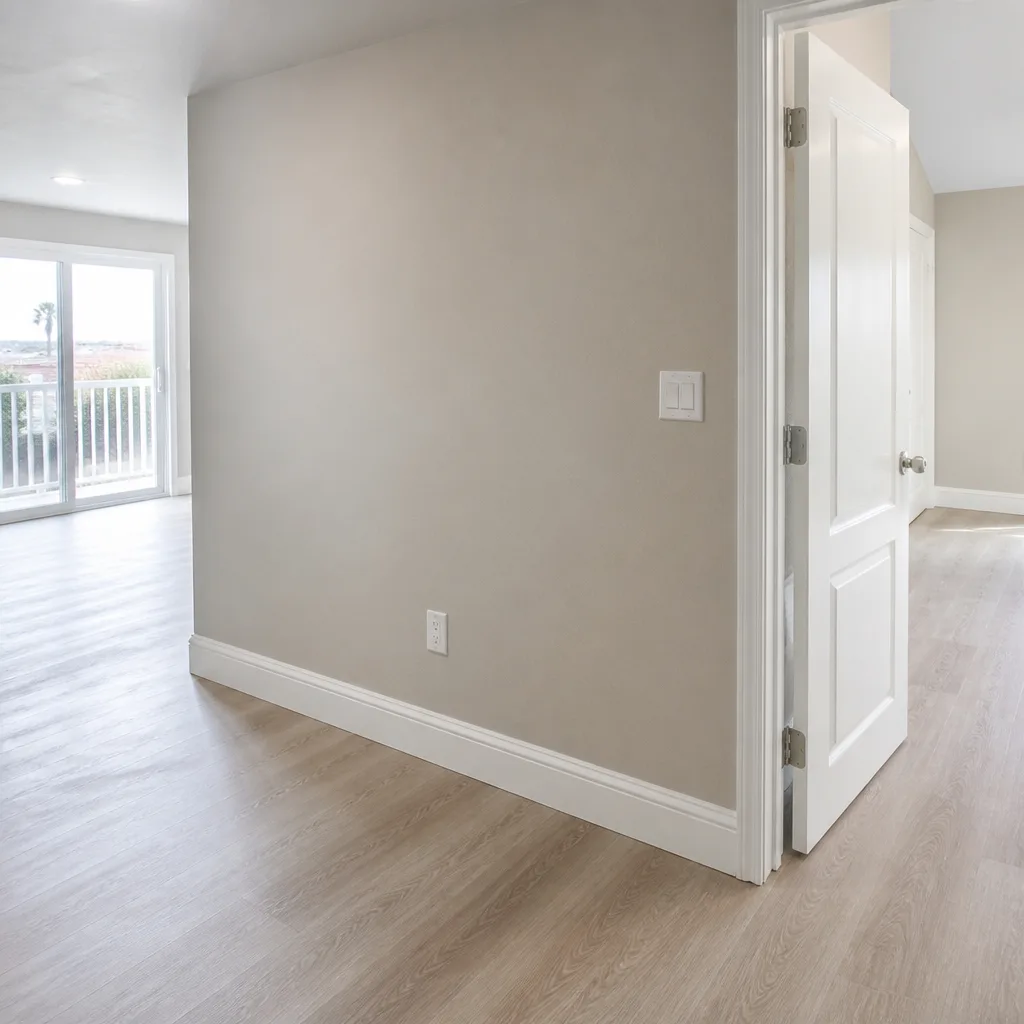 After
After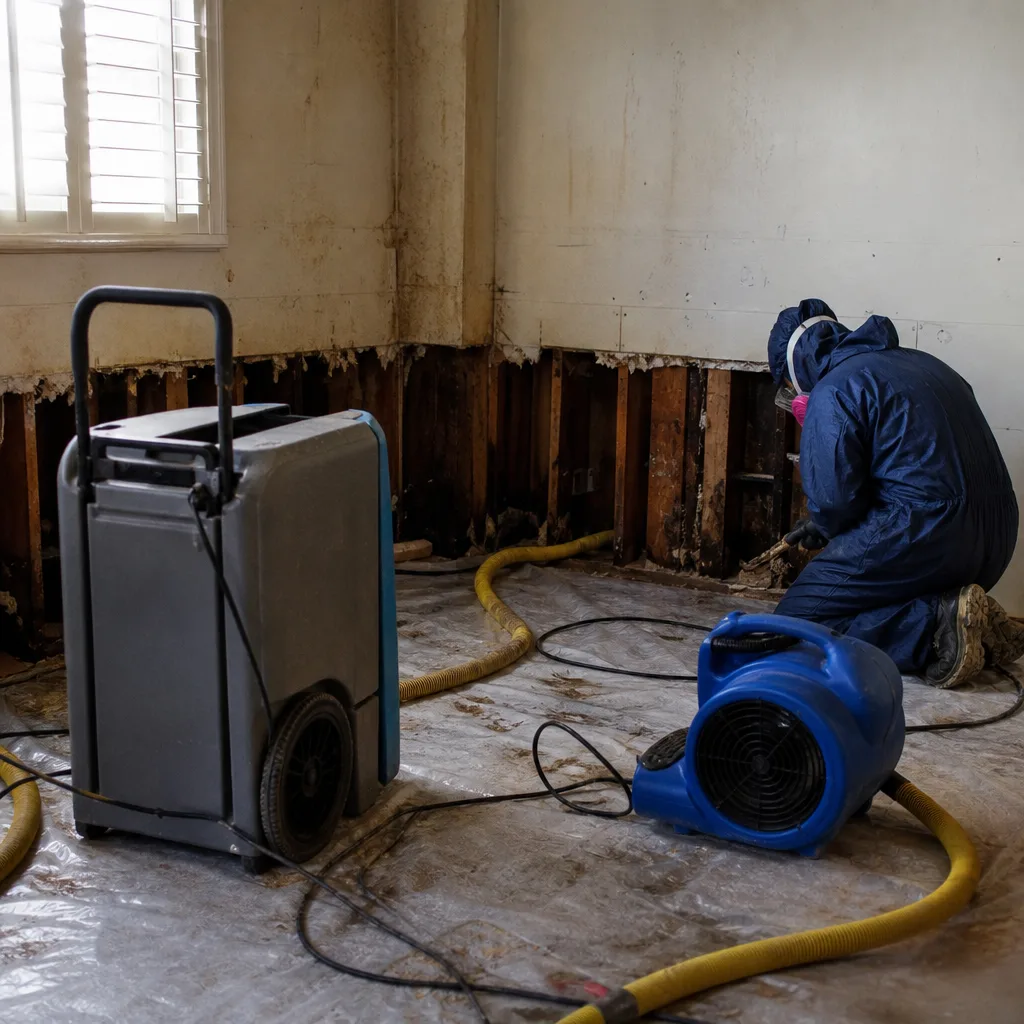 Before
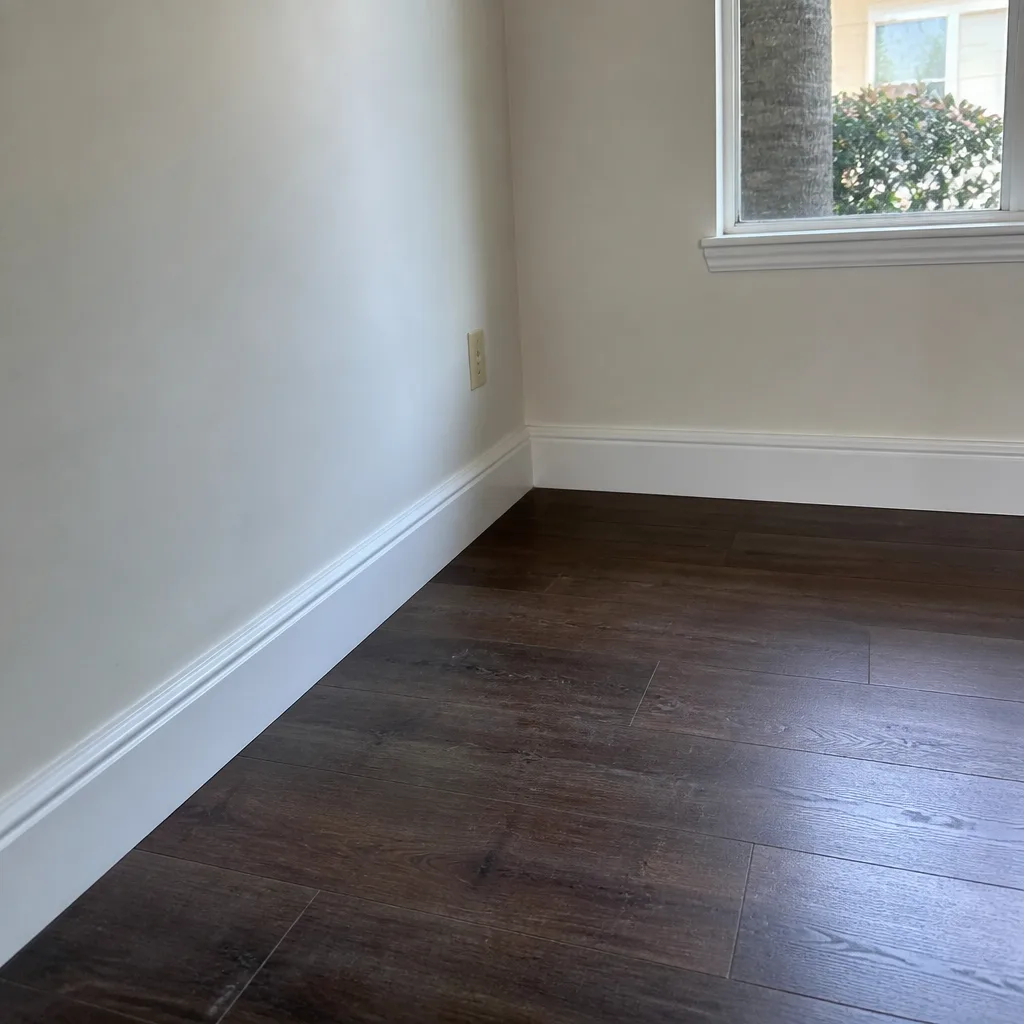 After
After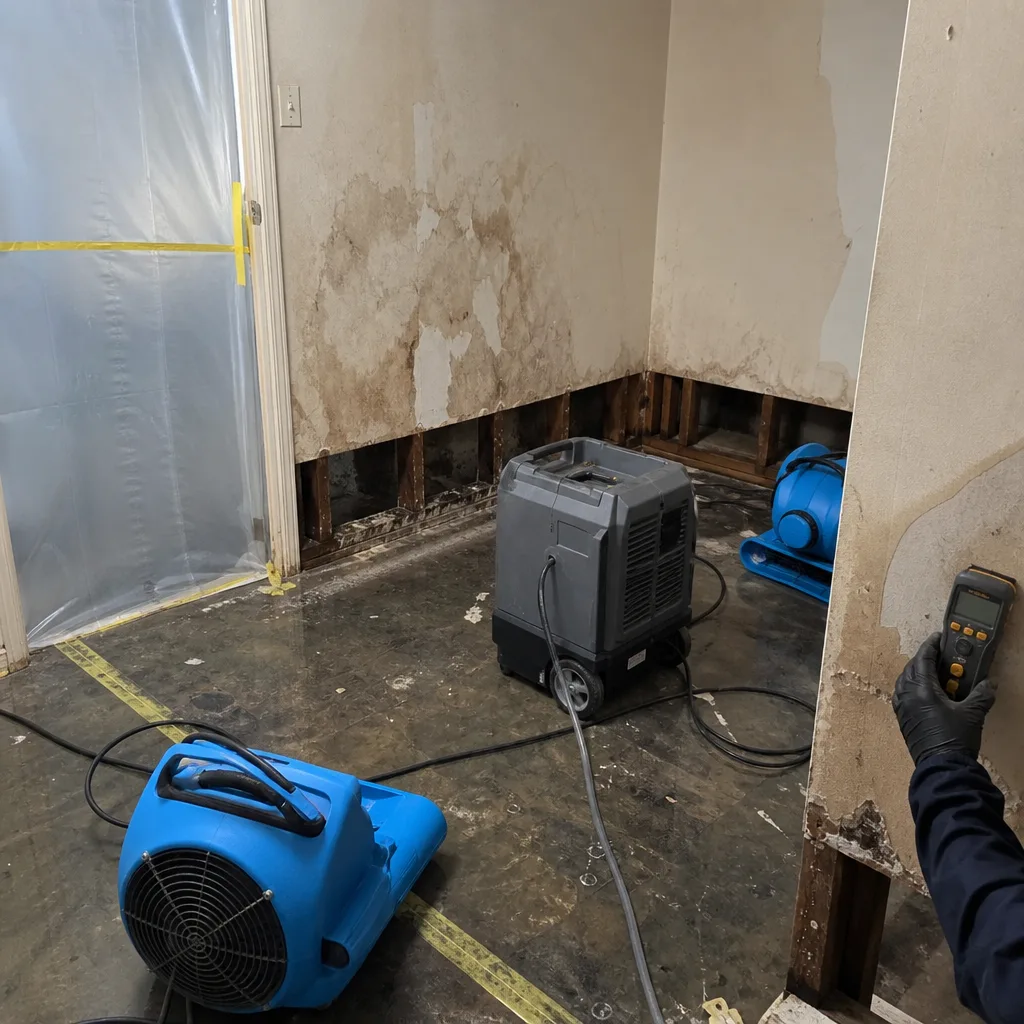 Before
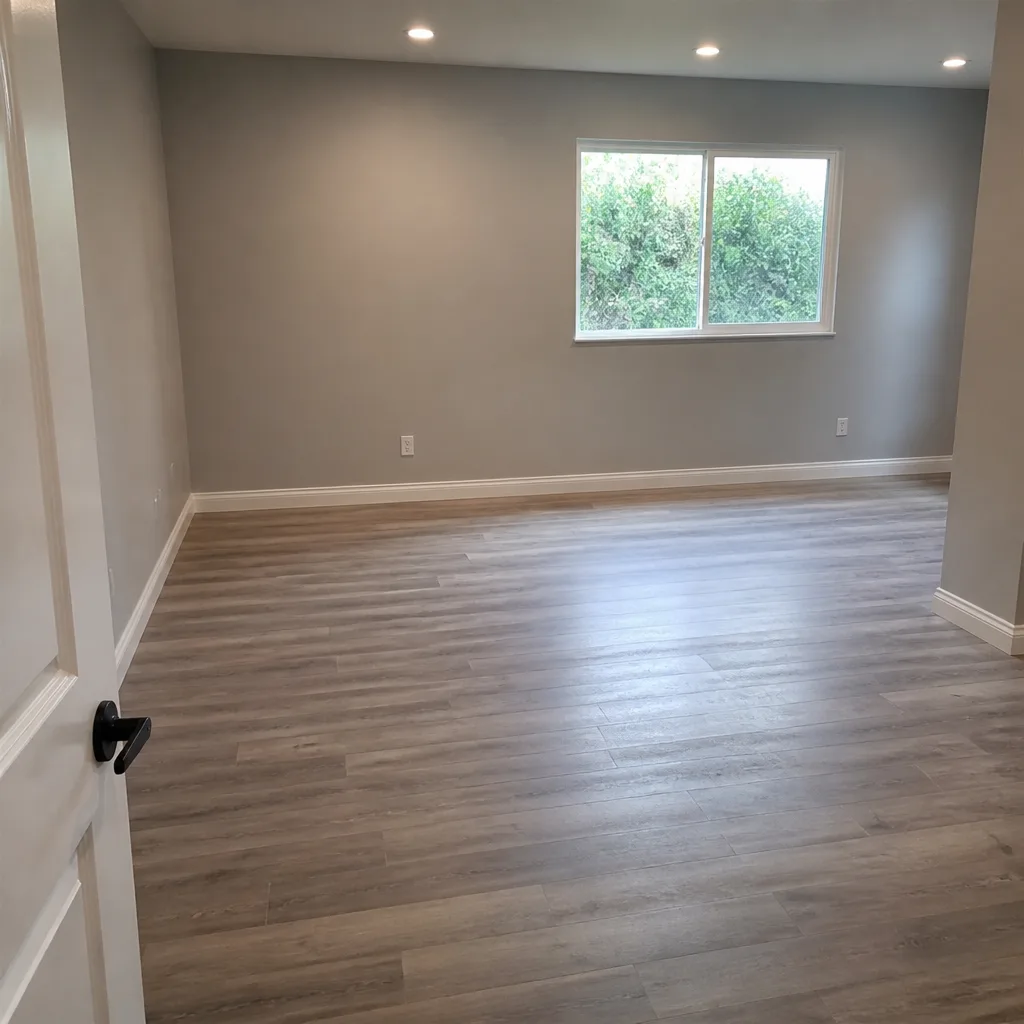 After
AfterFast, Reliable Mold Remediation Across Inglewood
Mold remediation in Inglewood typically costs $1,800-$4,500 for a contained crawl-space or wall-cavity job, and $5,500-$12,000 when foundation cracks or slab moisture have spread colonization across multiple rooms. We’re usually inspecting within 90 minutes of your call to Inglewood. Our crews coordinate dispatch from our Los Angeles office and carry containment gear, moisture meters, and air-scrubbing units stocked for the wood-frame bungalows and soft-story apartments that make up most of Inglewood’s housing stock. If you’re smelling mustiness in a 1940s-1960s home near SoFi Stadium, the source is often not your roof - it’s a vibration-reopened foundation crack channeling storm water into concealed wall cavities while marine-layer fog keeps the assembly wet long after surface dry-out. Call (424) 375-7225 and we’ll send a written scope before any work starts.
Why DryMark Restoration Redondo Beach Is Inglewood’s Preferred Mold Remediation Company
We’ve restored more than 12,000 homes since 2011, and a significant share of those jobs have been in Inglewood’s postwar residential blocks. Our owner, Alicia Brennan, founded this company after working as a claims adjuster and watching homeowners lose legitimate mold claims to sloppy documentation - missing moisture logs, no photo record, scopes that couldn’t prove the loss was sudden and not deferred maintenance. That origin is why every Inglewood job we take includes a written price before work begins, a photo-documented visit record, and daily psychrometric data logged to IICRC standards.
Our response time to Inglewood averages under 90 minutes on emergency calls. We know the local building fabric: the galvanized supply lines, the flat built-up roofs, the popcorn ceilings and 9-inch floor tiles that trigger asbestos protocols during any invasive remediation. We also know the specific failure pattern in blocks east of SoFi Stadium, where construction vibration has turned decades-old foundation hairlines into active water channels. That local knowledge changes what we inspect first, and it changes what we document for your adjuster.
Our technicians are background-checked, uniformed, and licensed - their license numbers are provided on request. Every job is covered by our 365-Day Done Right Promise under The Haven Standard: if it’s not done right, we make it right. And if you have a competitor’s written estimate, we’ll review it free under our Second Opinion policy.
Our Mold Remediation Services in Inglewood
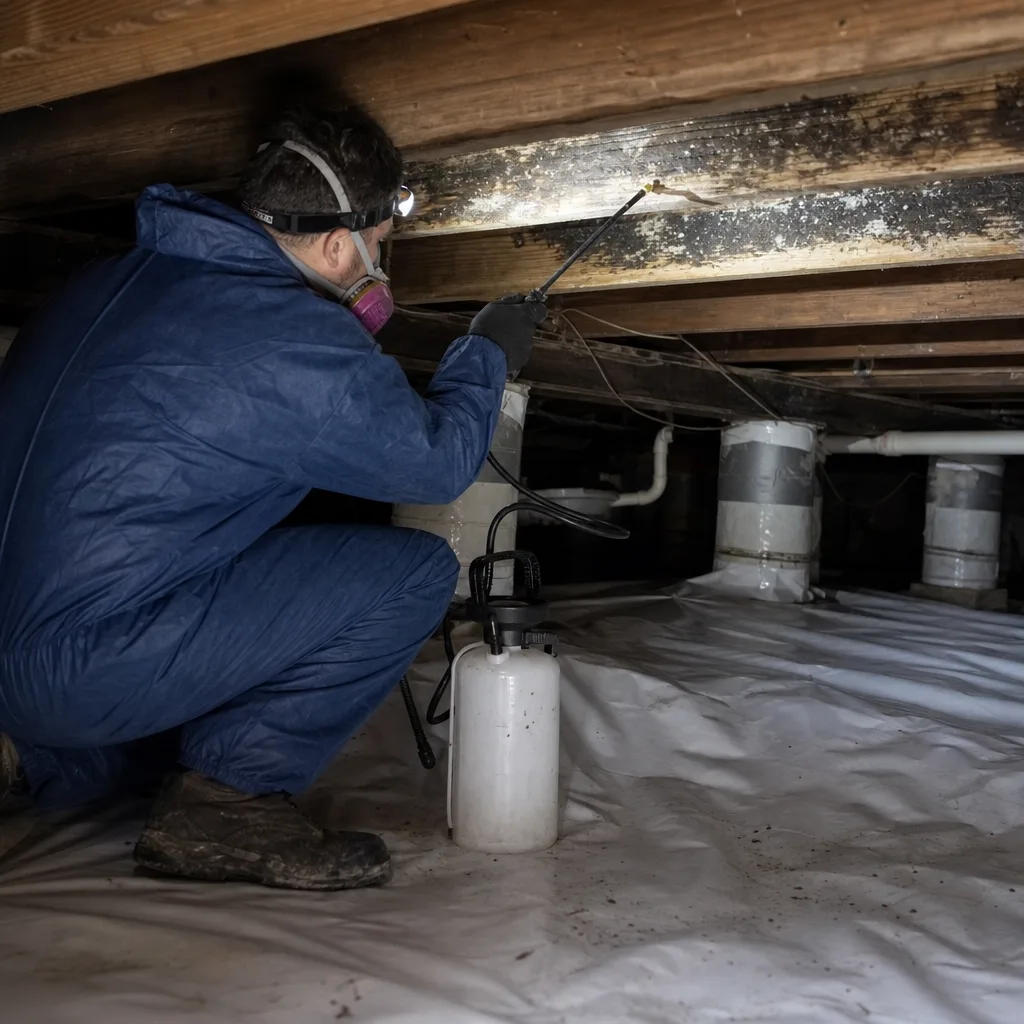
Mold Inspection & Testing
In Inglewood, our inspections start with crack-mapping and sub-slab moisture readings, not a wall walk-through. The marine-layer fog that blankets the city from May through July keeps concealed assemblies wet well past surface-dry, and vibration-reopened foundation cracks in older bungalows create water paths that standard visual inspections miss. We use moisture meters, thermal imaging, and air sampling to document colonization extent, material classification, and airborne spore counts - all logged for your adjuster. A typical mold inspection in Inglewood runs $350-$650.
Mold Removal
Removal in Inglewood’s 1940s-1960s housing stock requires containment protocols that account for asbestos-containing materials and lead-painted surfaces common to the era. We establish negative-air containment, HEPA-filter the work zone, and remove colonized drywall, insulation, or framing per IICRC S520 standards. Every removal job includes a written scope with line-item pricing before work begins - Haven Standard, Clause 1 - and a photo record of pre- and post-condition. Mold removal in Inglewood typically ranges $1,800-$4,500 for single-room containment, scaling to $5,500-$12,000 for multi-room or slab-involved jobs.
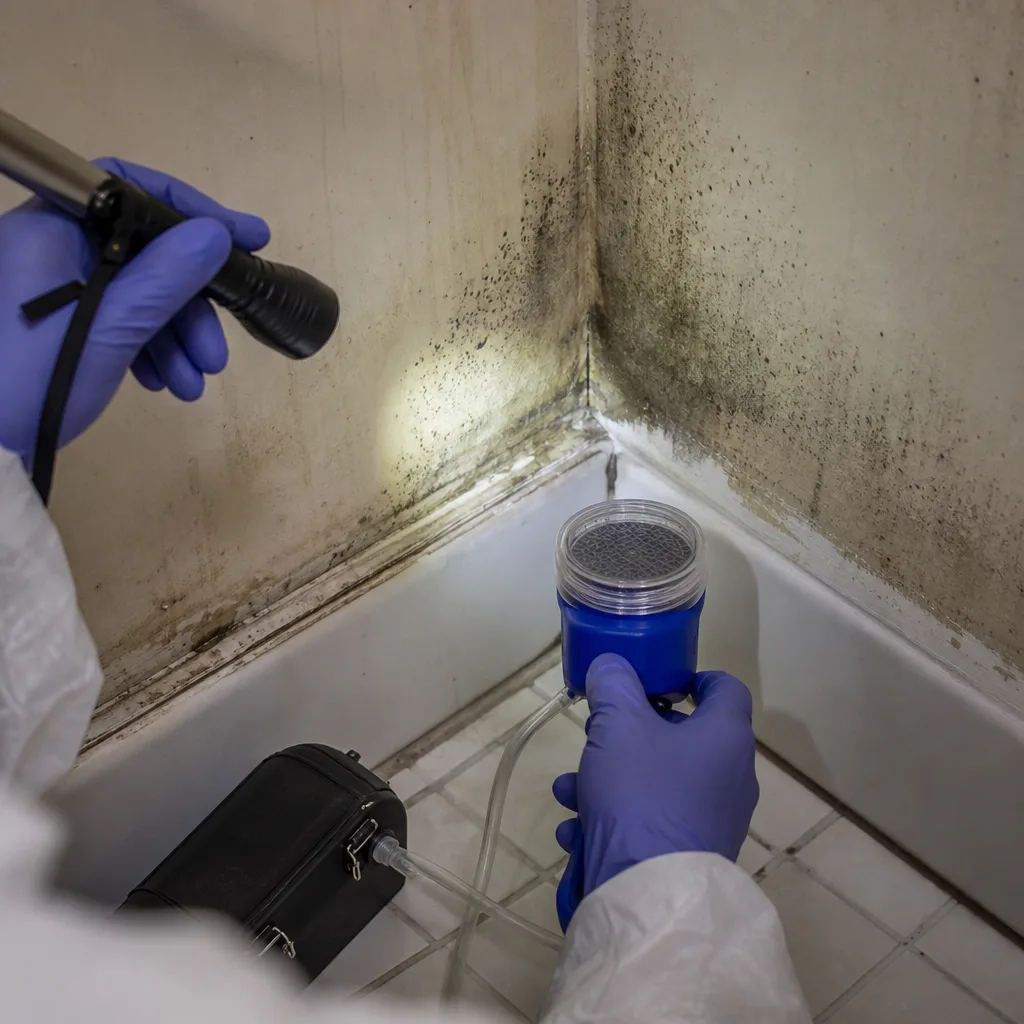
Black Mold Remediation
Stachybotrys colonization in Inglewood is almost always tied to chronic moisture, not a single event - the combination of slab-on-grade construction, shallow flat-lot drainage, and marine-layer humidity creates conditions where black mold thrives in wall cavities and crawl spaces. Our remediation includes source identification, containment, removal of colonized materials, and antimicrobial treatment of remaining structural elements. We do not paint over or encapsulate active colonization; that violates IICRC standards and creates liability on resale. Black mold remediation in Inglewood runs $3,200-$8,500 depending on square footage and whether asbestos abatement is triggered by invasive work.
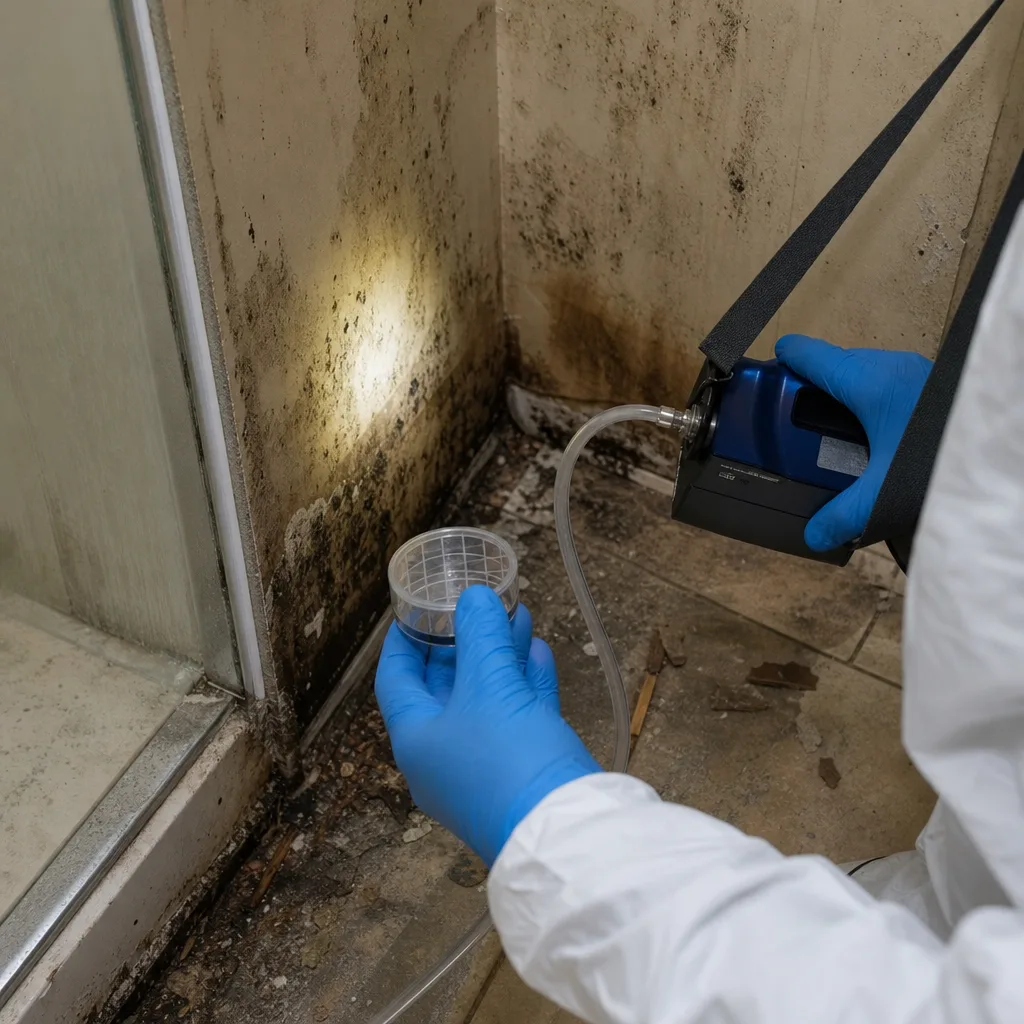
Air Quality Restoration
After removal, we restore breathable air through HEPA air scrubbing, negative-air machines, and post-remediation verification sampling. In Inglewood’s rental-dense market, this documentation is often required for reoccupancy certificates or landlord-tenant disputes. We run air samples and surface swabs, compare results to outdoor baseline counts, and provide a written clearance report. Air quality restoration as a standalone service runs $800-$1,800; as part of a full remediation, it’s integrated into the scope.
Crawl Space Treatment
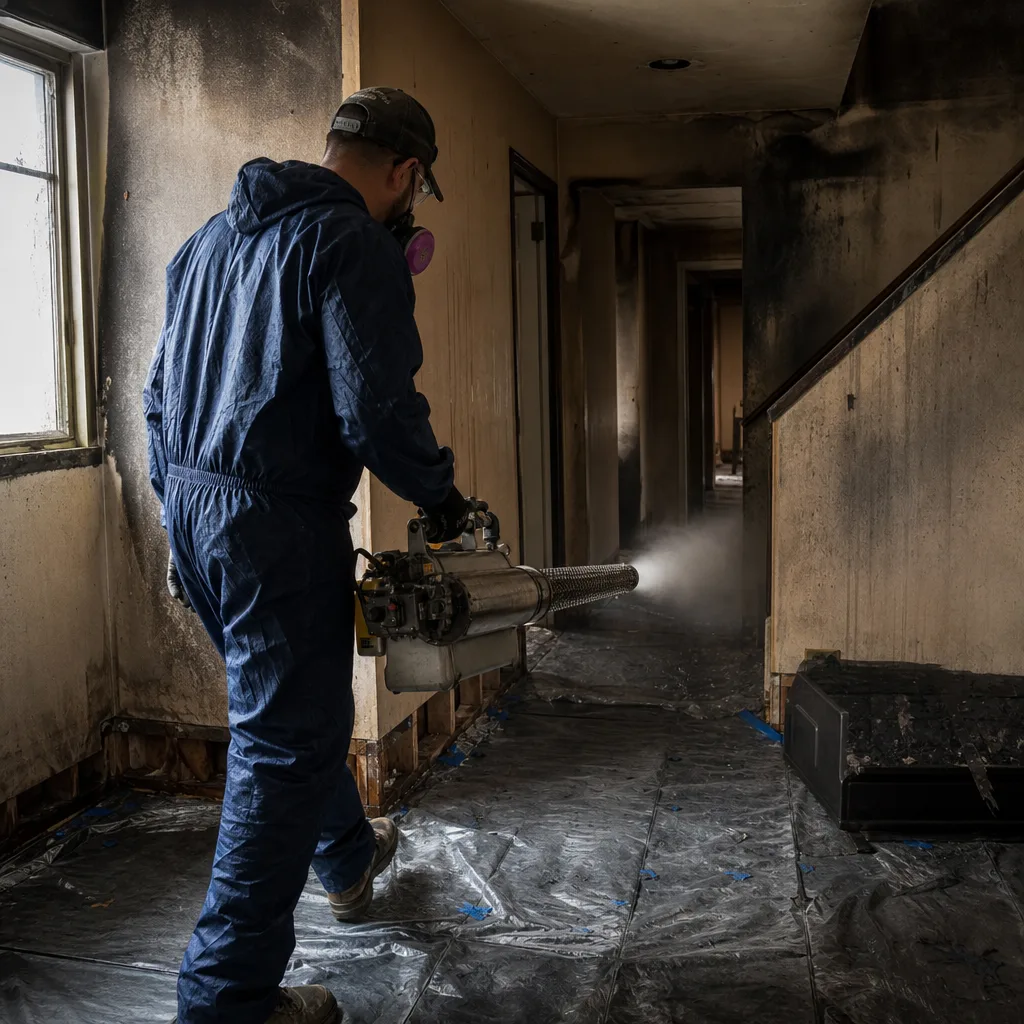
Inglewood’s postwar bungalows and soft-story apartments often have vented crawl spaces with dirt floors and minimal vapor barriers - perfect conditions for mold colonization after El Niño-driven rain events push water through slab edges or foundation cracks. Our crawl space treatment includes moisture mapping, removal of colonized insulation and sheathing, antimicrobial treatment of framing, and installation of vapor barriers or dehumidification where indicated. We document subfloor moisture content with pin meters and provide a written drying log. Crawl space treatment in Inglewood typically runs $2,200-$5,800.
Moisture & Humidity Control
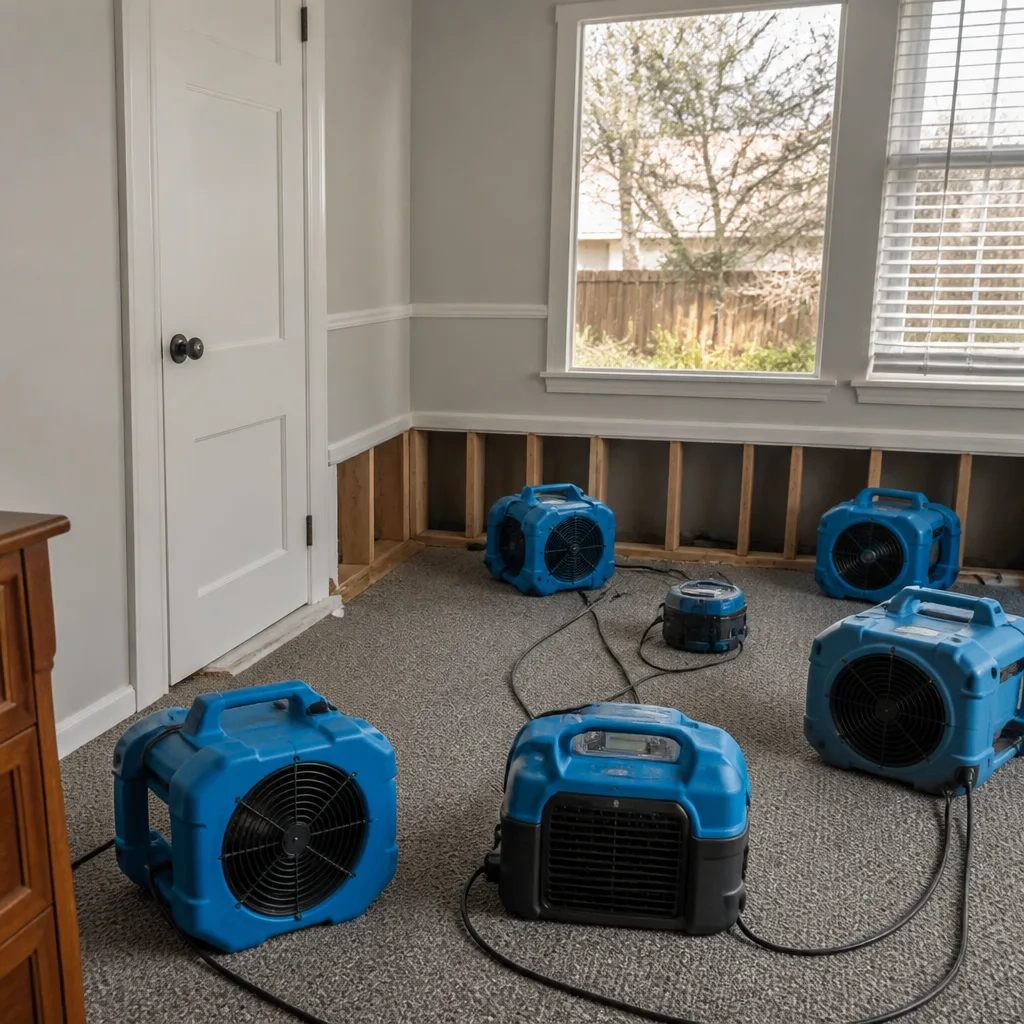
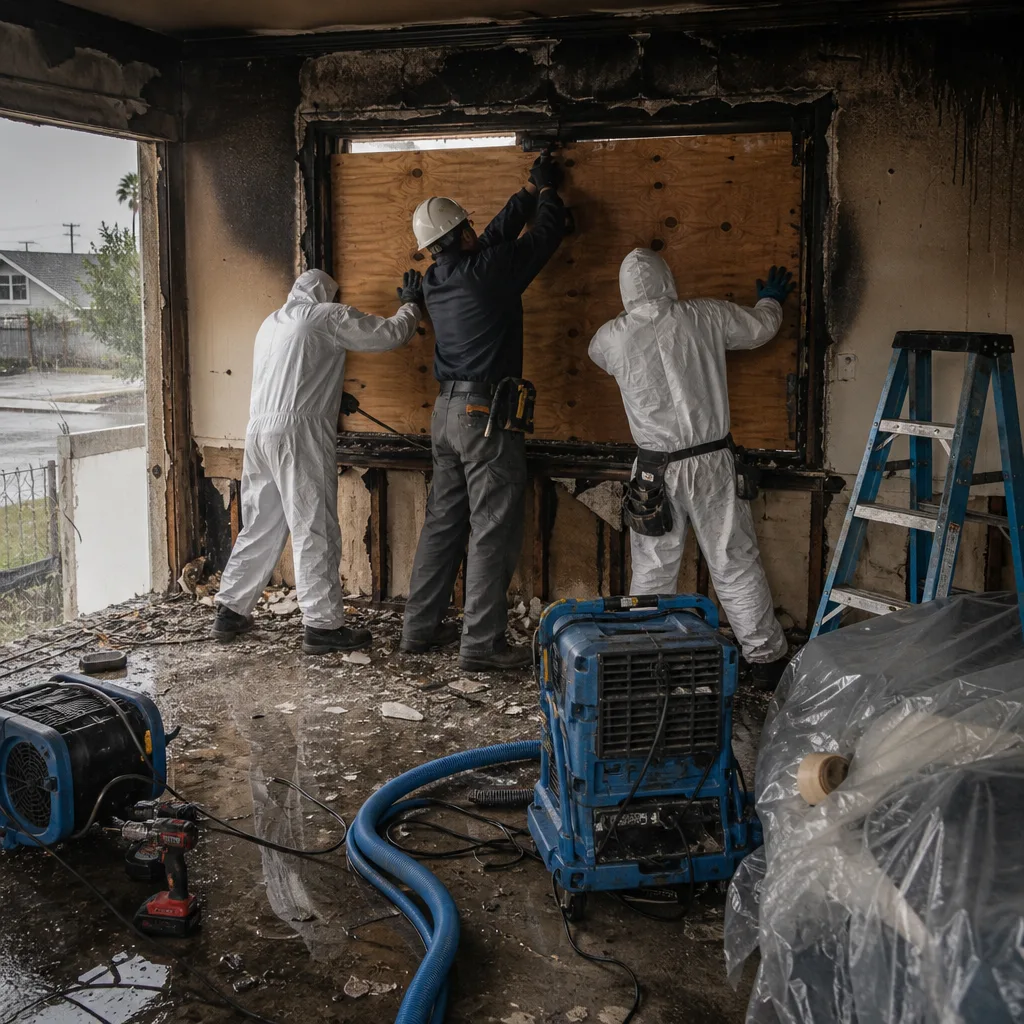
Surface-dry is not dry in Inglewood. Marine-layer humidity keeps wood framing above 16% moisture content - the mold germination threshold - weeks after a visible spill or leak appears resolved. Our moisture and humidity control service uses Dri-Eaz and Phoenix dehumidification systems, paired with air movers and Injectidry cavity-drying equipment, to pull vapor from concealed assemblies. We log daily psychrometric data - temperature, relative humidity, vapor pressure differential - until materials reach IICRC-dry standards. This service is often the difference between a completed remediation and a callback six months later.
What happens when you call
- 1
A real person answersNo phone trees - you reach a local pro.
- 2
You get an upfront price rangeHonest numbers before anyone is dispatched.
- 3
A background-checked tech heads outLicensed & insured, dispatched right away.
- 4
You approve before work beginsNothing starts until you say go.
 Before
 After
AfterTrusted Brands We Service in Inglewood
We deploy professional-grade drying and remediation equipment from Dri-Eaz, Phoenix, XPOWER, and Injectidry - brands specified in IICRC restoration protocols and recognized by adjusters nationwide. Our Inglewood crews stock HEPA air scrubbers, LGR dehumidifiers, and cavity-drying systems locally, so we’re not waiting on warehouse delivery while your wall cavities stay wet. For moisture documentation, we use calibrated pinless and pin-type meters that produce readings admissible in claim disputes. The equipment matters because the data it produces matters: a Dri-Eaz dehumidifier’s daily log, paired with our photo record, turns a restoration invoice into a payable claim.
Common Mold Remediation Problems We See in Inglewood Homes
- Drying to surface-dry without sub-slab or crawl-space moisture readings. Marine-layer humidity and reopened foundation cracks hide wet assemblies long past the visible dry-out. We see this constantly in Inglewood’s 1950s bungalows - the drywall reads dry, the pin meter on the bottom plate reads 22%.
- Skipping a crack-mapping pass before containment. Vibration-reopened hairline gaps become active water channels during the next storm, causing the same mold to return. Our scopes include a foundation survey and written crack diagram.
- Treating the loss as isolated drywall when the source is a continuous water path from a 1950s slab-on-grade foundation. Incomplete moisture mapping misses upper wall cavities. We map the full water path, from crack source to highest wicking point, before cutting containment.
- Failing to account for asbestos and lead protocols in pre-1970 housing stock. Inglewood’s popcorn ceilings, 9-inch floor tiles, and pipe insulation trigger mandatory testing and abatement containment during invasive remediation. We build this into every older-home scope.
Pricing for Mold Remediation in Inglewood, CA
| Service | Typical Range in Inglewood |
|---|---|
| Mold Inspection & Testing | $350 - $650 |
| Single-Room Mold Removal | $1,800 - $4,500 |
| Black Mold Remediation | $3,200 - $8,500 |
| Crawl Space Treatment | $2,200 - $5,800 |
| Whole-Home Air Quality Restoration | $800 - $1,800 (standalone) |
| Multi-Room / Slab-Involved Remediation | $5,500 - $12,000+ |
What moves a job up or down within these ranges: square footage of colonization, whether asbestos/lead abatement is triggered, accessibility of crawl spaces or wall cavities, and whether the water source requires concurrent foundation repair. Every Inglewood job gets a written price before work begins - Haven Standard, Clause 1 - with no scope-creep additions once our crew is inside. We also offer a Free Second Opinion on any competitor’s written estimate. Call (424) 375-7225 for your exact scope.
We Also Serve Cities Near Inglewood
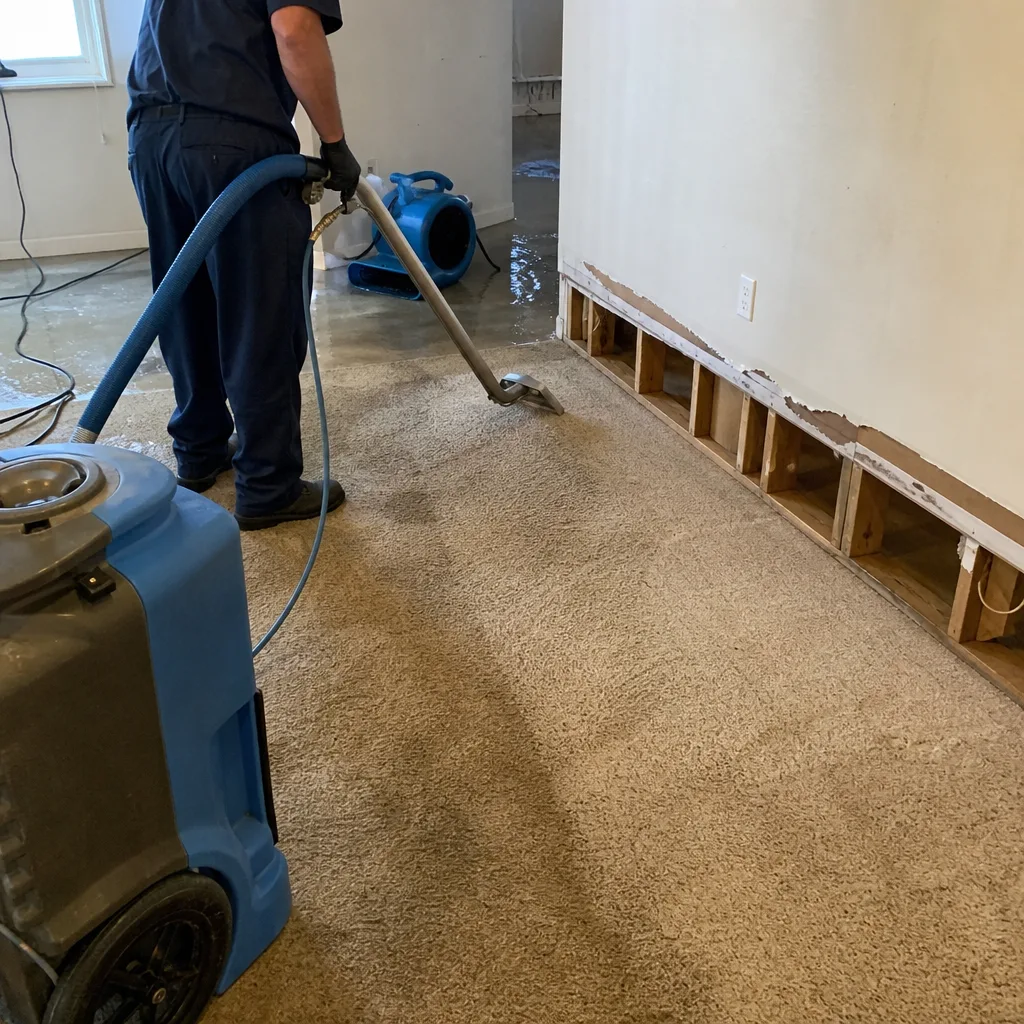
Our crews respond throughout the South Bay and Westside corridor. We regularly handle Mold Remediation in Inglewood and adjacent communities including Hawthorne, El Segundo, Lawndale, and Playa del Rey. Each city’s housing stock and climate patterns shape how we scope - Hawthorne’s similar postwar fabric, El Segundo’s coastal exposure, Lawndale’s density, Playa del Rey’s groundwater issues - but our documentation-first approach stays consistent. If you’re unsure whether your address falls in our service area, call and we’ll confirm dispatch time.
Serving Inglewood, CA - Our Local Coverage Area
We’re based in the Inglewood area and know this community well. Use the map below to see our service coverage - if you’re nearby, we can almost certainly help.
FAQs - Mold Remediation in Inglewood
Mold germination begins in 24-48 hours on wet organic materials, but in Inglewood’s marine-layer climate, the clock runs differently - humidity alone can sustain latent colonization in concealed assemblies for weeks after surface water is gone. We recommend inspection within 48 hours of any water intrusion, and immediately if you smell mustiness without visible source. Call (424) 375-7225 for same-day inspection.
Foundation crack intrusion is typically Category 2 - gray water - because it has contacted soil, possible fertilizer or petroleum residue, and concrete alkalinity that alters its chemistry. It is not Category 1 clean water. This classification affects remediation protocol, antimicrobial selection, and whether porous materials must be removed rather than dried in place. We document the category in your written scope for adjuster clarity.
Construction vibration from the Hollywood Park/SoFi redevelopment has reopened decades-old hairline foundation cracks that now act as active water channels during rain events. The roof is fine; the water is entering through slab or foundation gaps, wicking up wall cavities, and producing mold that appears to be a roof leak. Our scopes start with crack-mapping and sub-slab moisture readings to identify the true source before any remediation begins.
A legitimate scope must include: foundation crack survey with written diagram, sub-slab and crawl-space moisture readings, asbestos/lead testing protocol for pre-1970 materials, containment plan with negative-air specification, line-item removal and treatment steps, and post-remediation verification sampling. Anything less skips documentation your adjuster will require and leaves open the possibility of concealed colonization. Haven Standard, Clause 1 requires this in writing before work starts.
We start with subfloor moisture mapping and air sampling to determine colonization extent, then establish containment and remove colonized insulation and sheathing. Framing receives antimicrobial treatment, and we install or repair vapor barriers where indicated. Because 1940s Inglewood crawl spaces often have disturbed soil, possible asbestos pipe insulation, and minimal ventilation, we build abatement protocol and mechanical dehumidification into the scope. Daily moisture logs document progress until wood framing reads below 16% - the threshold where mold cannot germinate.
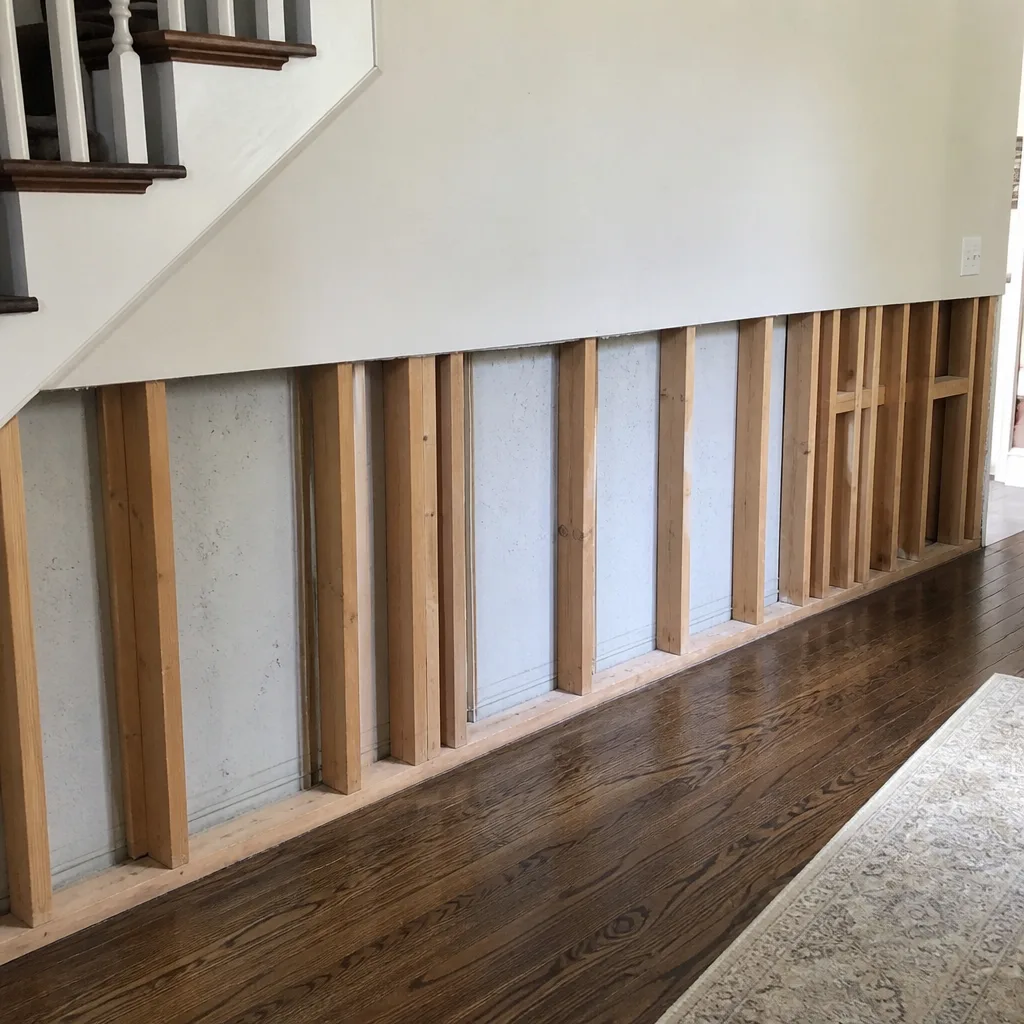
We were called to a 1950s wood-frame bungalow on a residential street east of SoFi Stadium after an atmospheric-river rain event pushed water through a long-painted-over foundation crack, wicking up into the bottom plate of an interior wall. We ran moisture mapping on the affected wall and crawl space, set up containment, and pulled out the wet drywall below the flood cut before starting structural drying with air movers and Dri-Eaz dehumidification; the source crack was sealed and the subfloor was treated with an antimicrobial treatment. The homeowner had been chasing a musty smell for two rainy seasons and assumed it was a roof leak - the actual cause was vibration-reopened concrete.
Written by Alicia Brennan, Owner at Back to Dry Restoration, serving Inglewood since 2011.