
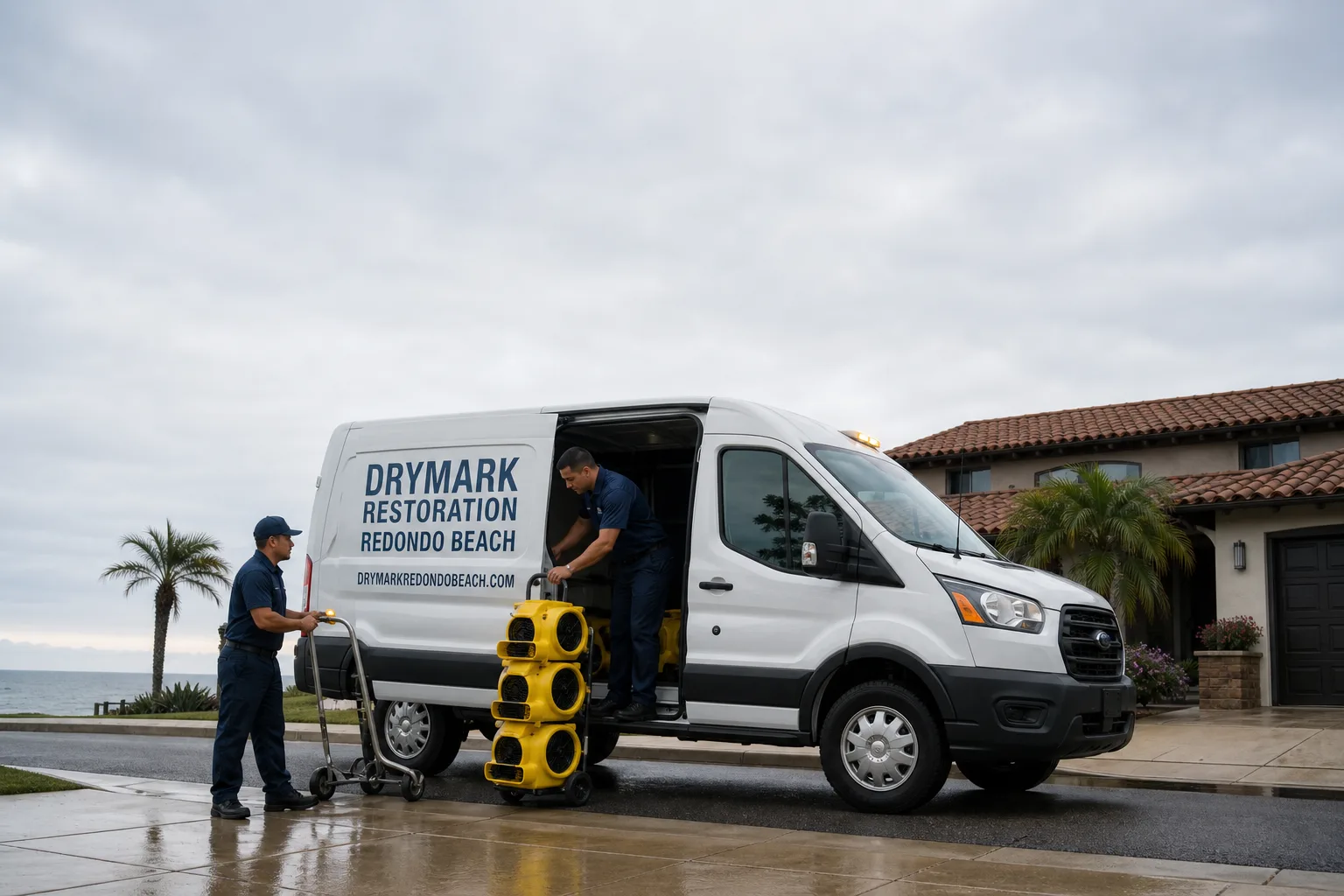
Free visual inspection and a written scope of work before any mitigation begins - photos, moisture readings, and drying logs go in your claim file
The scope we write is the scope we bill. Anything new gets shown to you, in writing, before we touch it.
 Before
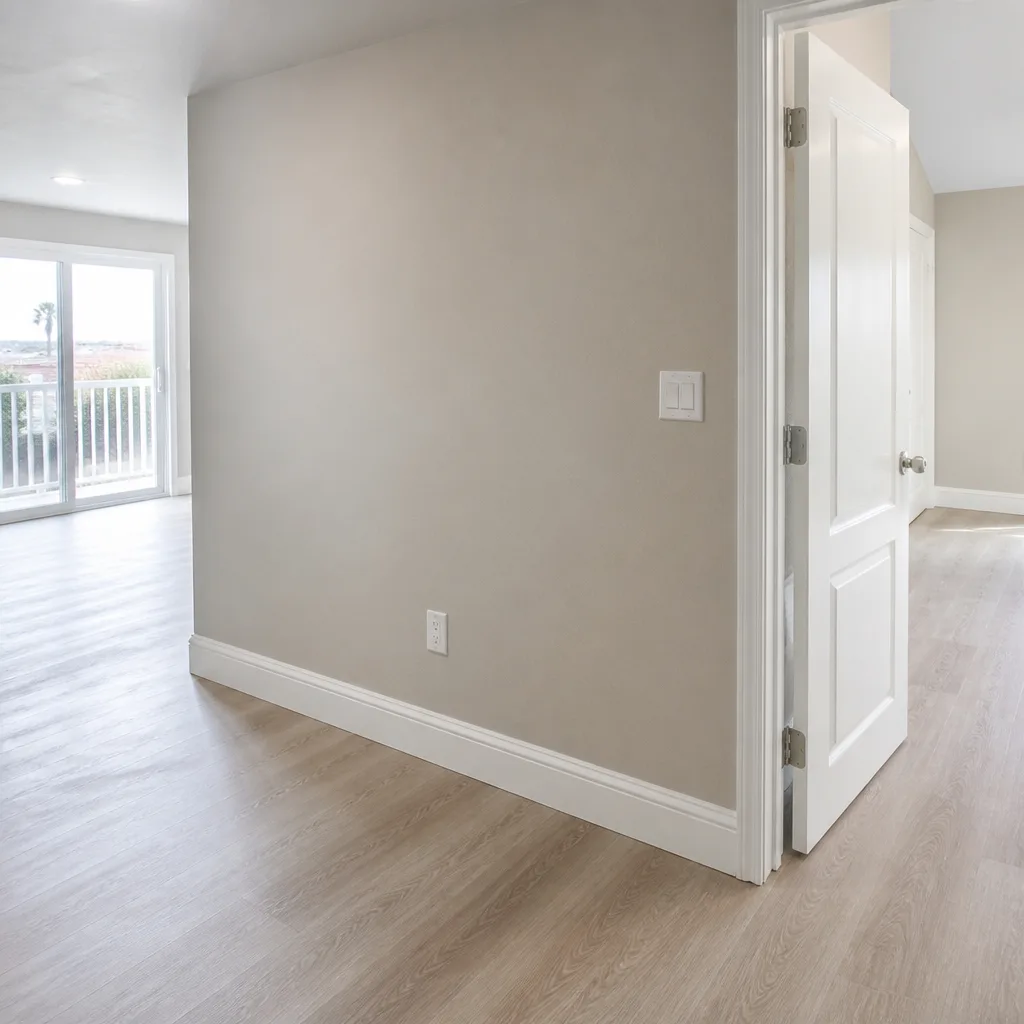 After
After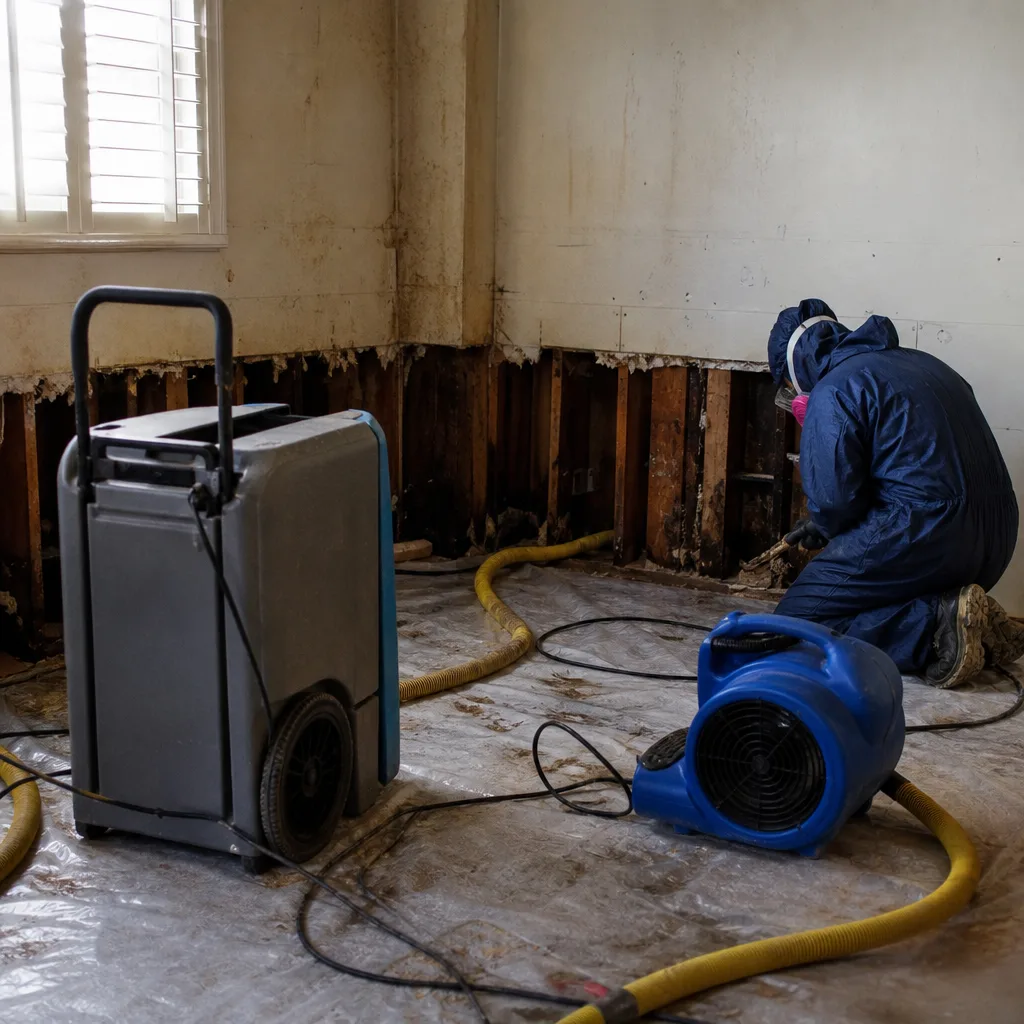 Before
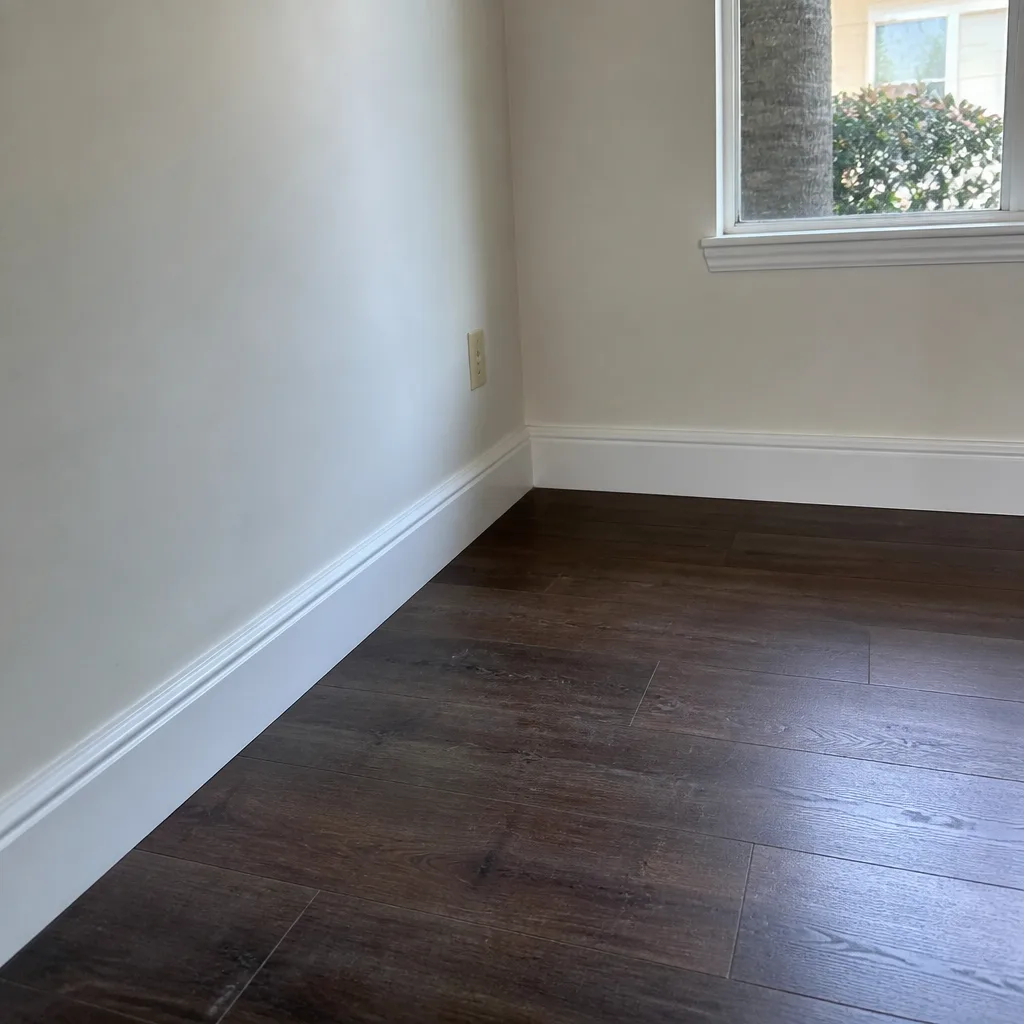 After
After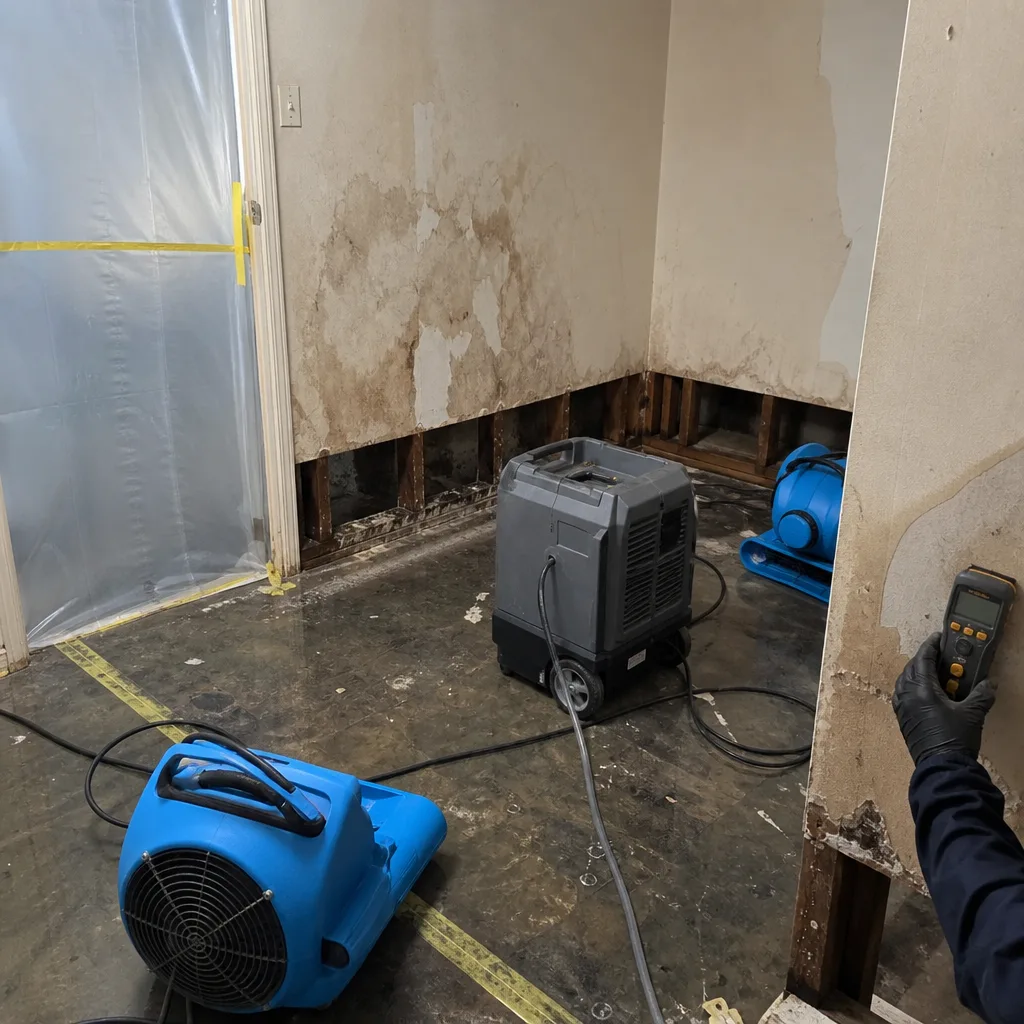 Before
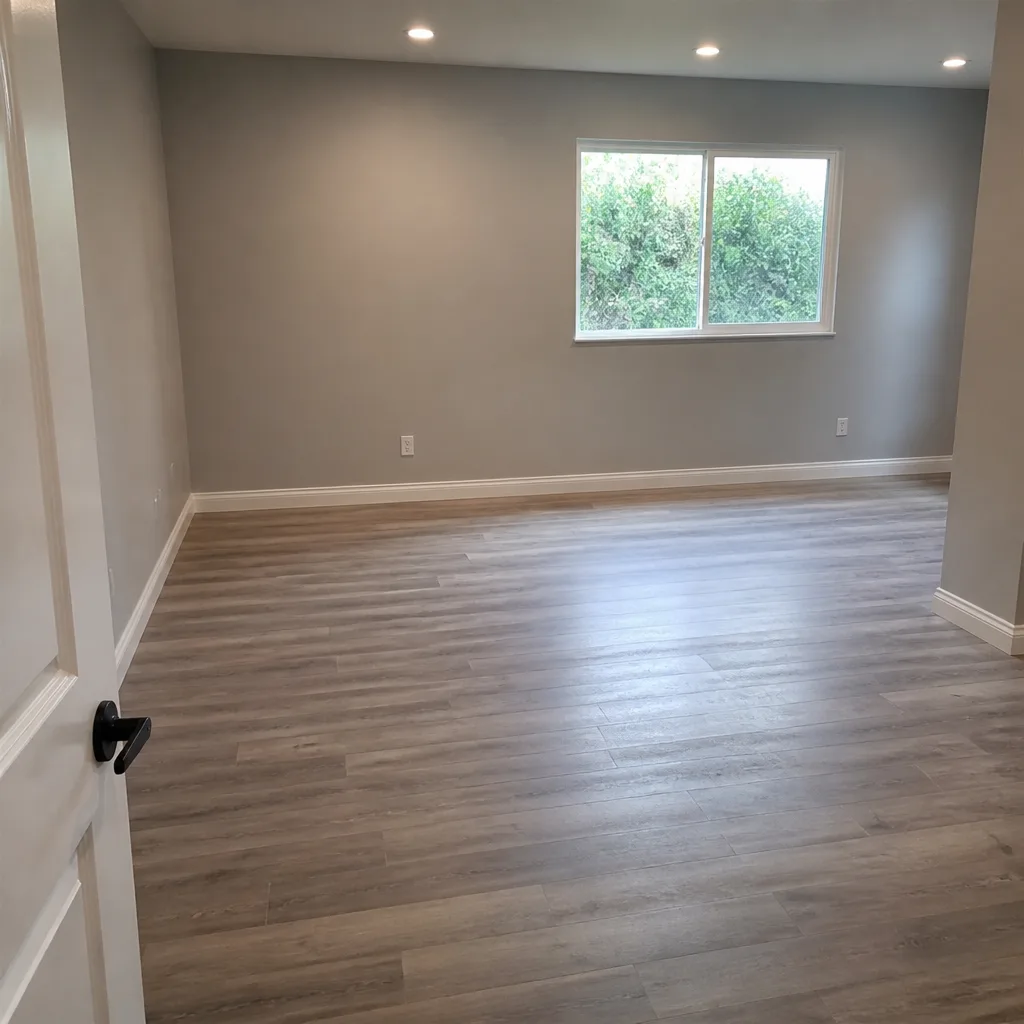 After
AfterFast, Reliable Fire & Smoke Damage Restoration Across Wilmington
Fire and smoke damage restoration in Wilmington typically runs $3,200-$8,500 for a moderate residential fire, with emergency board-up and tarping starting at $450-$900 and full structural fire repair reaching $12,000-$35,000 for severe losses. Most Wilmington homeowners need smoke and soot removal within the first 24 hours to prevent permanent etching of finishes, and our crews can usually be on-site in Wilmington within 60-90 minutes of your call.
We know Wilmington’s streets well - from the bungalows near Eubank Ave and the duplexes along Avalon Boulevard to the post-war homes tucked between the refineries and the harbor. Our Fire & Smoke Damage Restoration team dispatches from our Los Angeles office, but the crews serving Wilmington live and work in this corridor daily. They understand that a kitchen fire in a 1940s bungalow here isn’t the same job as a similar fire in a 1990s tract home in the Valley. The materials are different, the foundations are different, and the documentation requirements are different. Call (424) 375-7225 and a live person will answer - no voicemail, no callback queue.
Why DryMark Restoration Redondo Beach Is Wilmington’s Preferred Fire & Smoke Damage Restoration Company
We’ve restored homes in Wilmington since 2011, and our reputation here is built on one thing that matters after a fire: documentation that holds up when the adjuster asks questions. Every job gets a written price before work starts - Haven Standard, Clause 1 - and a photo record on every visit. No exceptions.
Our Wilmington customers mention the same points in reviews: the crew showed up when promised, named the price in writing, and produced the daily logs that got their claim paid without a fight. We’ve completed over 12,000 restorations since our founding, each with that same documentation package.
Response time to Wilmington averages under 90 minutes for emergency calls. That’s not a marketing claim - it’s what our dispatch logs show for the harbor-basin corridor. When a fire has just been suppressed and water is still pooling in your living room, speed matters. But speed without documentation is worthless, so our techs photograph pre-loss condition before they move anything.
The local knowledge that separates competent restoration from good restoration in Wilmington is understanding the Wilmington Oil Field beneath your foundation. Decades of petroleum extraction caused ground subsidence that pre-cracked slabs and shifted framing in homes throughout the neighborhood. Our techs know to document which cracks existed before the fire and which are new. Insurers deny claims that conflate subsidence damage with fire damage, and we refuse to let sloppy documentation cost our customers their coverage.
Our Fire & Smoke Damage Restoration Services in Wilmington
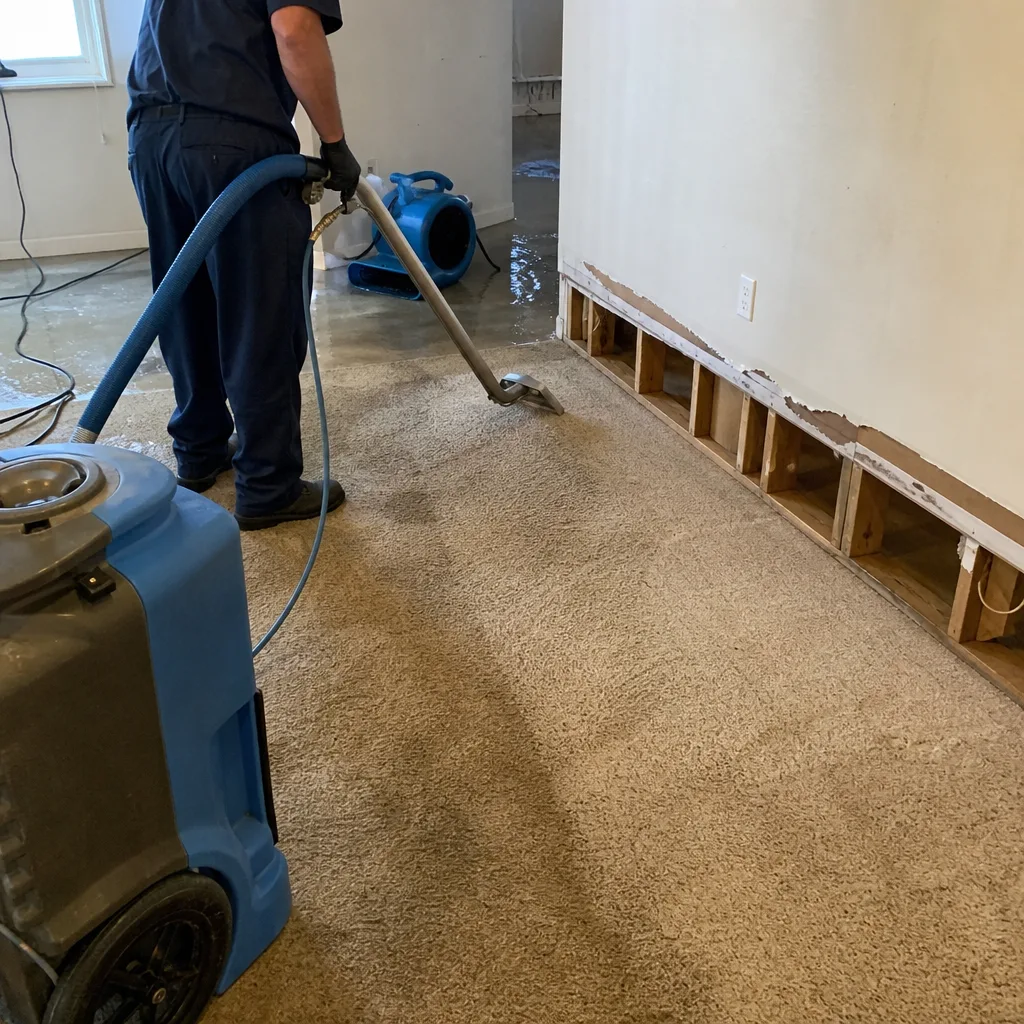
Fire Damage Cleanup
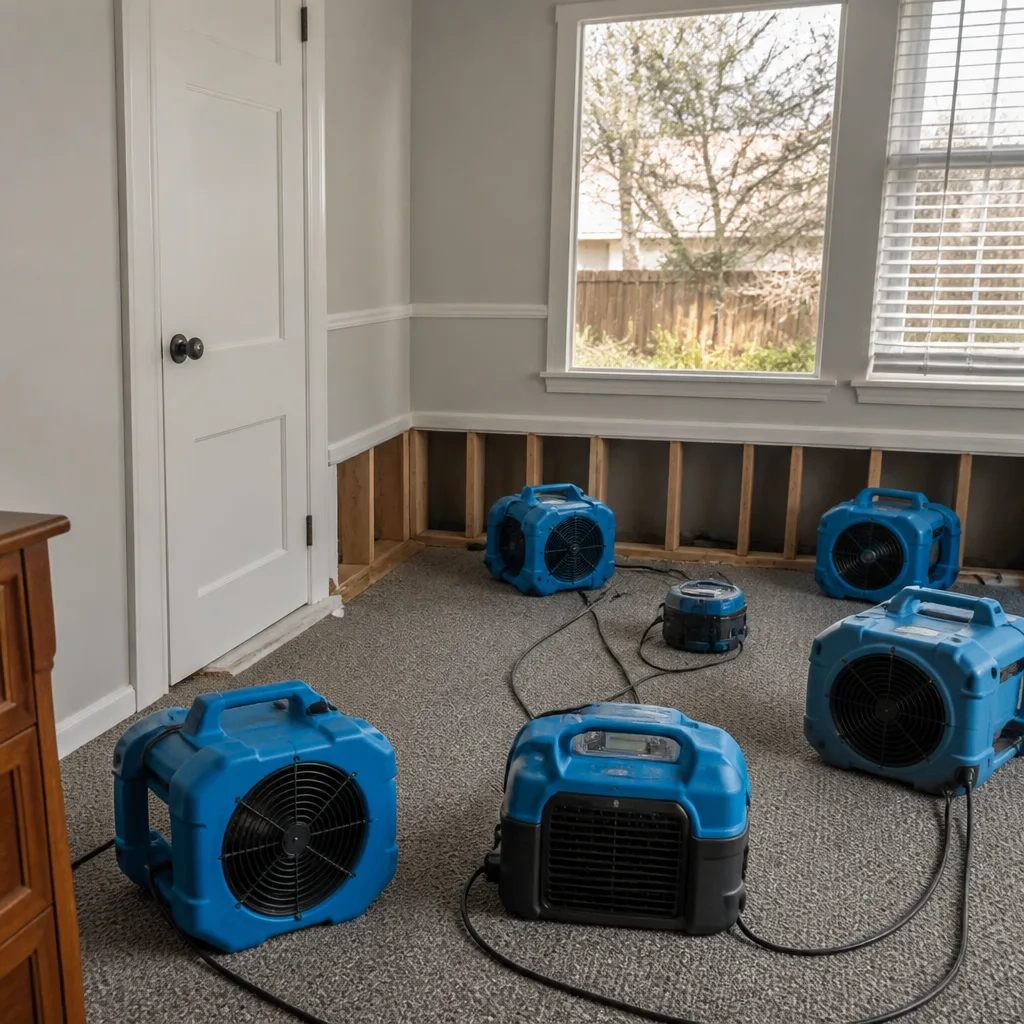
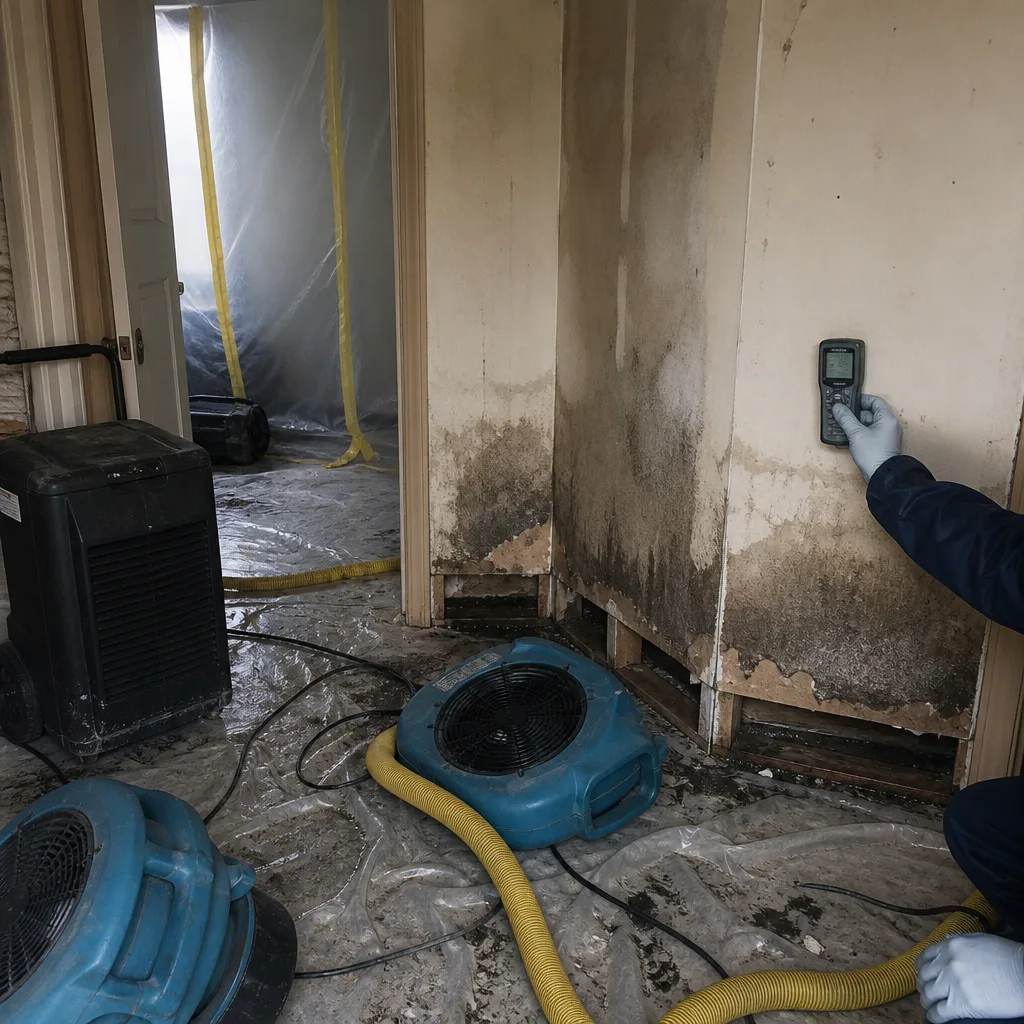
Fire damage cleanup in Wilmington starts with a documented walk-through: every affected room photographed, every material classified by trade name, moisture readings logged to the square foot. The harbor-basin humidity here means water from fire suppression doesn’t behave like it does inland. Interior relative humidity runs higher than the LA basin average, and without aggressive dehumidification using Phoenix and XPOWER systems, charred framing can host secondary mold colonization in Wilmington within 24 to 48 hours. We run structural drying logs daily until moisture content returns to baseline, documented to IICRC standards.
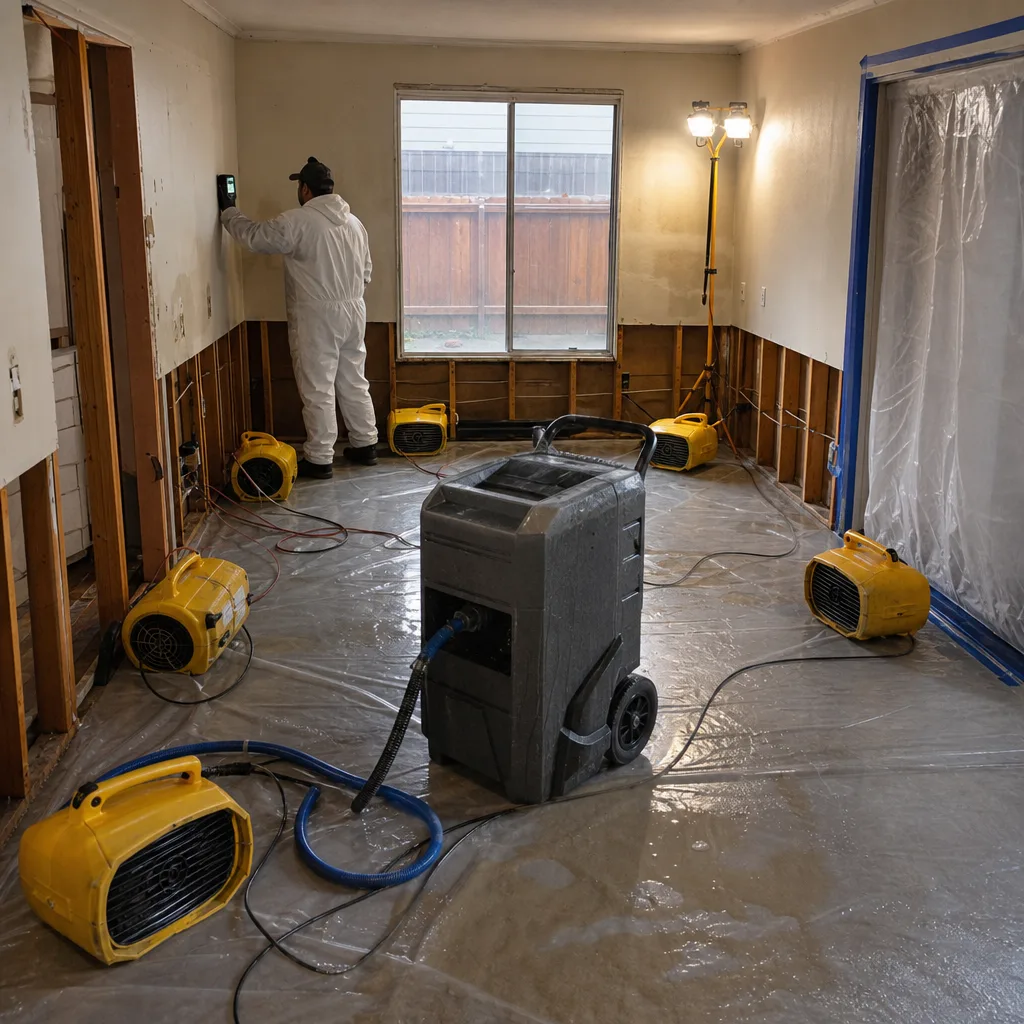
Smoke & Soot Removal
Smoke and soot removal is where most Wilmington fire jobs spend their time. Soot is acidic and begins etching finishes within hours. In Wilmington’s older housing stock - those 1920s-to-1950s bungalows and duplexes built for refinery and dockworker families - original fir framing, plaster lathe, and vintage tile surfaces require HEPA vacuuming and chemical sponging, not pressure washing that drives particulate deeper. The diesel particulate and refinery fallout already coating surfaces in this neighborhood complicates content cleaning further. We use HEPA protocols on every job, even ones that would be straightforward elsewhere, because Wilmington’s ambient particulate load means “clean” here requires a higher standard.
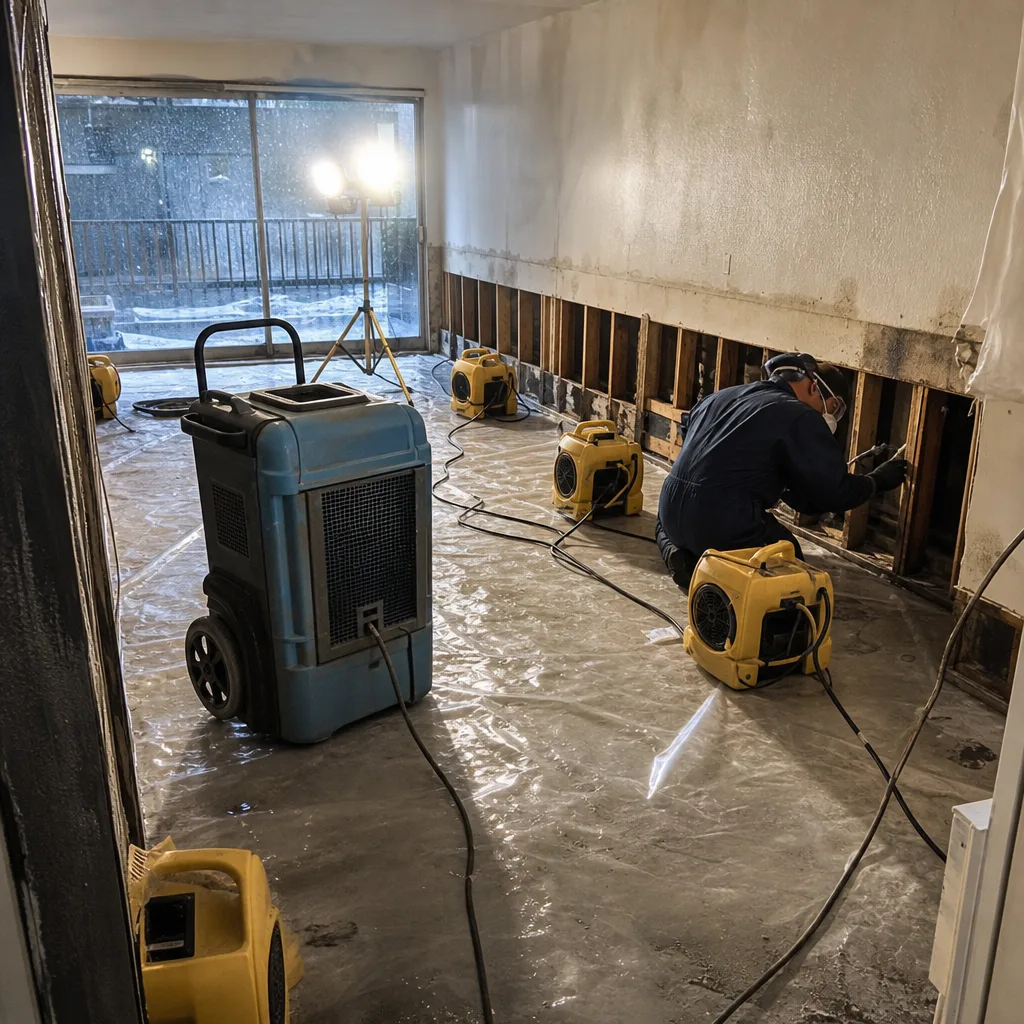
Odor Removal & Deodorization
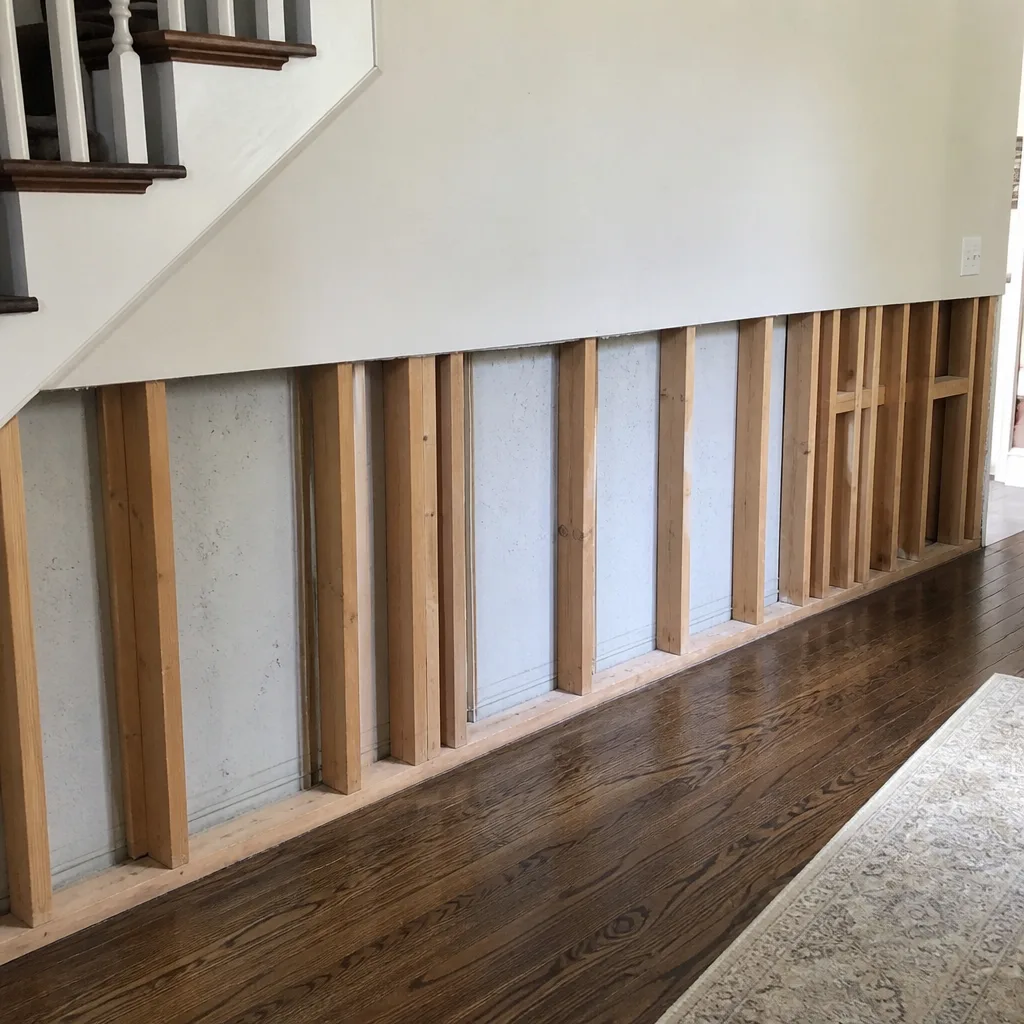
Odor removal after a Wilmington fire typically combines thermal fogging, ozone treatment, and activated charcoal filtration. The goal isn’t masking smoke smell - it’s neutralizing the volatile organic compounds that carry it. In Wilmington’s tight, older floor plans with original plaster and lath, odor penetrates wall cavities that modern drywall wouldn’t present. We access those cavities through strategic porting, document each access point with photos, and seal only after post-treatment air sampling confirms clearance. That documentation goes to your adjuster as standard, never as an upsell.
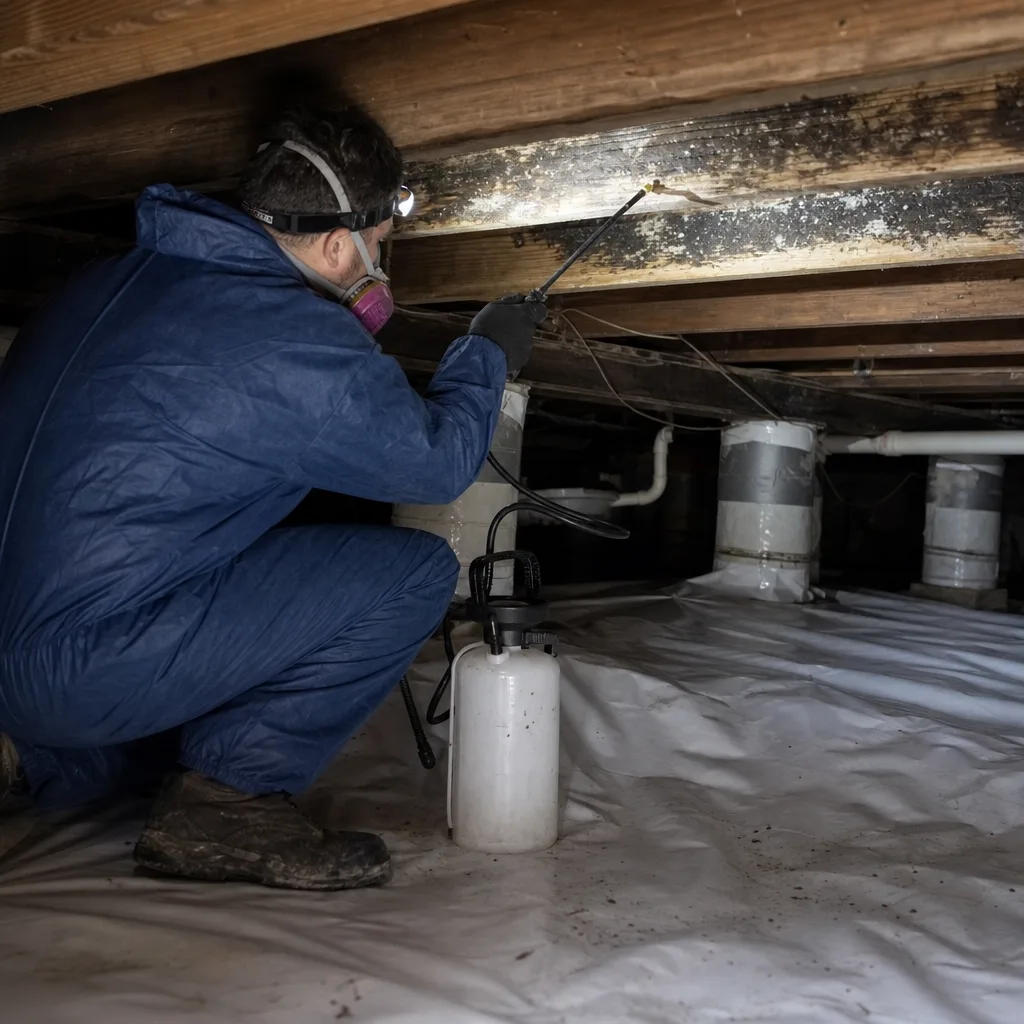
Contents Cleaning & Pack-Out
Contents cleaning for Wilmington fires requires accounting for the neighborhood’s unique ambient contamination. Refinery fallout and diesel particulate from the Port of Los Angeles settle on belongings before any fire occurs, so post-fire content cleaning must remove both fire-generated soot and pre-existing industrial particulate. We inventory every item with photos, clean at our facility using ultrasonic and hand-cleaning protocols appropriate to material type, and store in climate-controlled conditions until your home is restored. The pack-out list, cleaning log, and storage documentation are included as standard deliverables - part of the photo record on every visit.
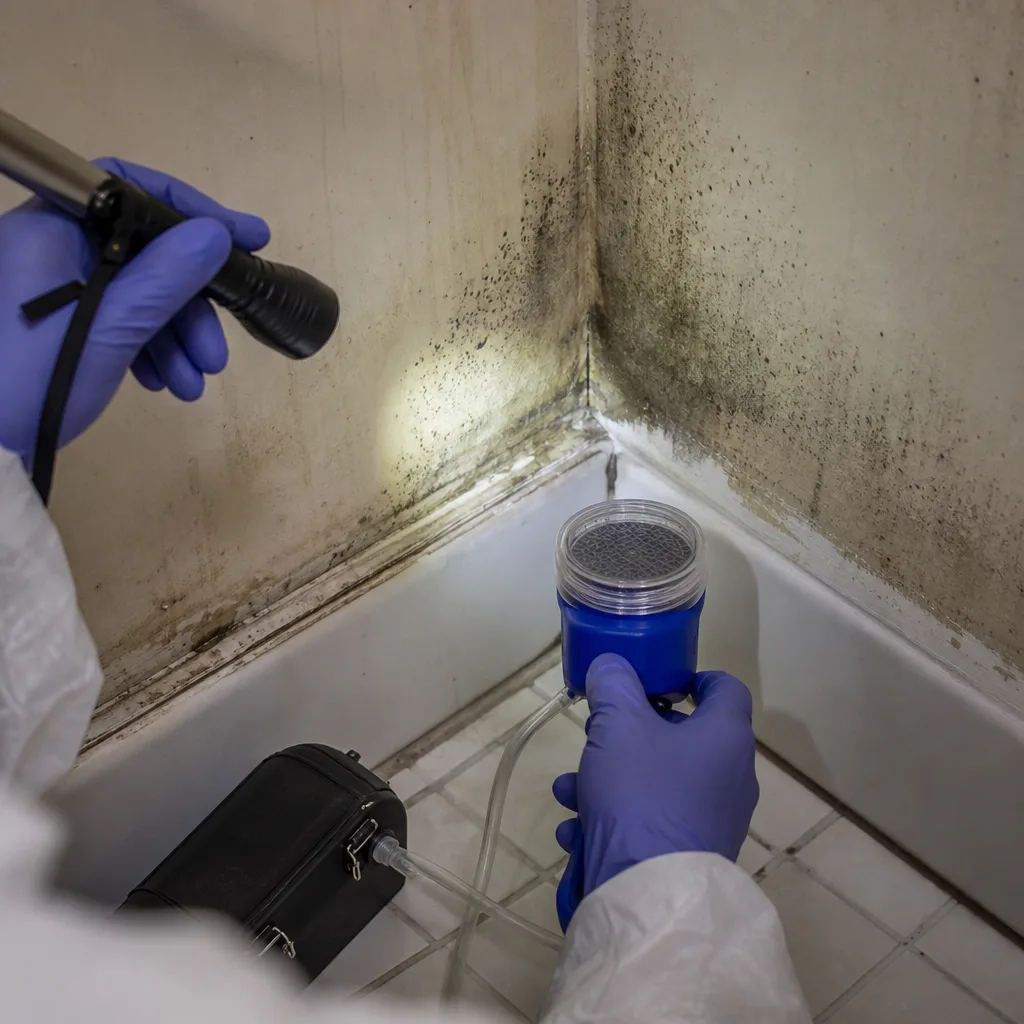
Emergency Board-Up & Tarping
Emergency board-up and tarping in Wilmington runs $450-$900 for a typical single-family home, depending on access height and the number of openings to secure. We use fire-rated plywood and weatherproof fastening, photograph each secured opening, and provide that documentation to your insurer as proof of loss mitigation. This is often the first line-item an adjuster reviews.
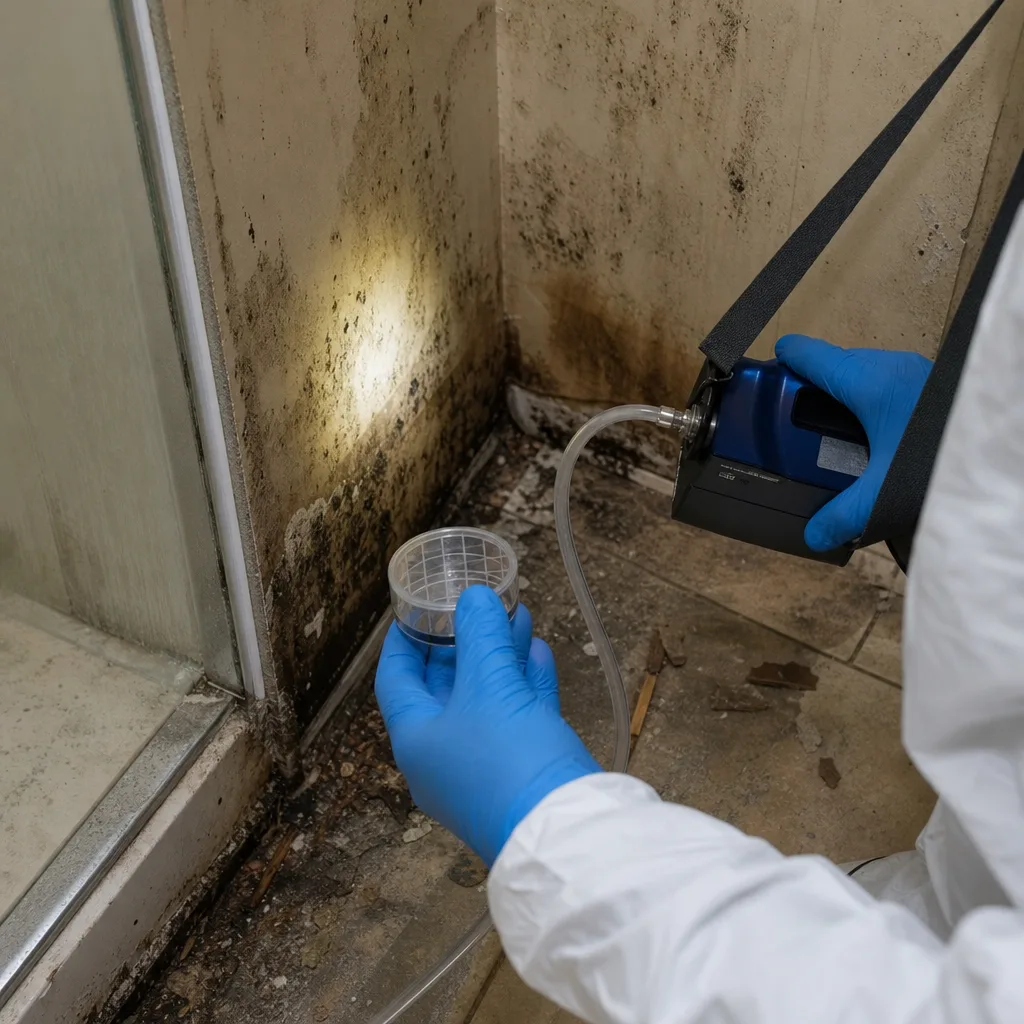
Structural Fire Repair
Structural fire repair in Wilmington demands something no generic restoration page will tell you: before we seal any slab crack or foundation repair, we pull soil-gas samples. The Wilmington Oil Field beneath the neighborhood means petroleum vapors migrate upward through subsidence cracks, and sealing without testing can trap those vapors indoors. We’ve seen failed clearance tests turn routine fire repairs into separate vapor-intrusion remediations under LA County Fire Department hazmat protocols. Our written scope includes soil-gas sampling as a line item when slab or foundation work is involved, documented with lab results before we close any opening.
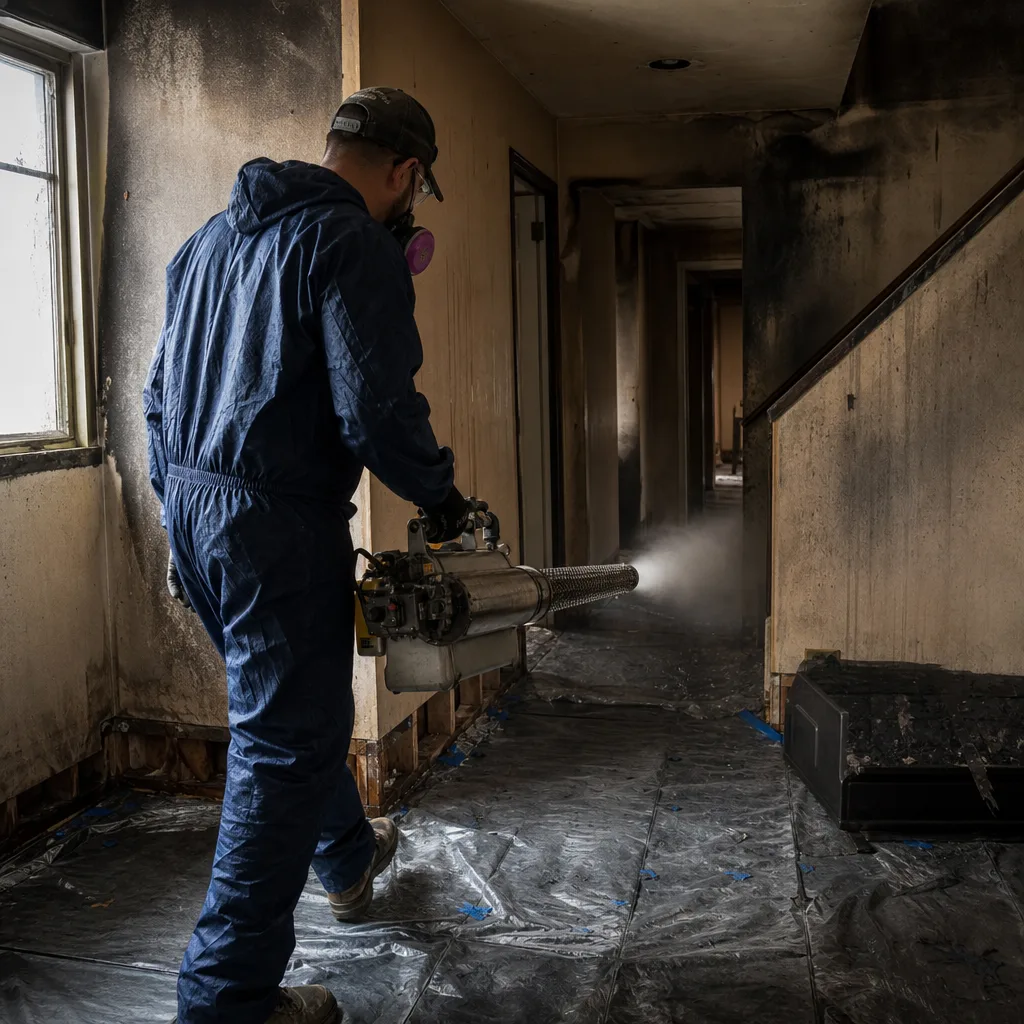
What happens when you call
- 1
A real person answersNo phone trees - you reach a local pro.
- 2
You get an upfront price rangeHonest numbers before anyone is dispatched.
- 3
A background-checked tech heads outLicensed & insured, dispatched right away.
- 4
You approve before work beginsNothing starts until you say go.
 Before
 After
AfterTrusted Brands We Service in Wilmington
Our Wilmington crews deploy professional-grade equipment from Phoenix, XPOWER, and B-Air - drying systems documented to IICRC, RIA, and IFA standards that produce the psychrometric data insurers expect. Phoenix dehumidifiers and XPOWER air movers are standard on every fire-suppression water loss, with Injectidry systems for cavity drying when smoke odor has penetrated wall voids in those older plaster-and-lath homes. We stock HEPA filtration media and activated charcoal locally, so replacement isn’t delayed by supply-chain gaps. Every machine’s output is logged daily: grain depression, relative humidity, temperature, and moisture content readings by room, delivered as part of your documentation package.
Common Fire & Smoke Damage Restoration Problems We See in Wilmington Homes
- Subsidence cracks mistaken for fire damage. The Wilmington Oil Field’s legacy of ground subsidence left pre-existing foundation cracks and shifted framing throughout the neighborhood. We photograph every crack before work begins and document pre-loss condition meticulously, because insurers actively deny claims that conflate subsidence-origin damage with fire-origin damage.
- Petroleum vapor intrusion during slab or foundation repair. Sealing a Wilmington slab crack without soil-gas sampling first can trap petroleum vapors migrating from the oil field below. We’ve seen this trigger failed post-remediation clearance tests and activate a separate regulatory track under LA County Fire hazmat protocols.
- Accelerated mold colonization from harbor-basin humidity. Wilmington’s marine-layer fog and persistent onshore humidity keep interior relative humidity elevated well above the LA basin average. After fire suppression water enters a structure, the drying window is shorter here. Without extended structural drying and aggressive dehumidification, mold colonizes charred framing within 24 to 48 hours.
- Asbestos-containing materials in pre-1980s housing stock. Wilmington’s dominant housing type - modest bungalows and duplexes built between the 1920s and 1950s - frequently contains asbestos floor tile, pipe insulation, and acoustic ceiling texture. Any fire loss triggers mandatory testing before disturbance, and abatement protocols must complete before restoration proceeds. We coordinate certified abatement contractors and document the clearance for your claim file.
Pricing for Fire & Smoke Damage Restoration in Wilmington, CA
Fire and smoke damage restoration pricing in Wilmington reflects the neighborhood’s specific challenges: older housing stock requiring careful asbestos protocols, subsidence documentation, and harbor-basin humidity management.
| Service | Typical Range in Wilmington |
|---|---|
| Emergency board-up & tarping | $450 - $900 |
| Smoke & soot removal (per affected room) | $800 - $1,800 |
| Odor removal & deodorization (whole house) | $1,200 - $3,500 |
| Contents cleaning & pack-out | $1,500 - $5,000 |
| Structural fire repair (moderate) | $8,000 - $18,000 |
| Structural fire repair (severe / rebuild) | $25,000 - $65,000+ |
| Soil-gas sampling (where slab work required) | $400 - $750 |
What moves a job toward the higher end: fire suppression water affecting multiple rooms, smoke penetration into wall cavities requiring cavity drying, asbestos abatement delays, and structural repairs complicated by subsidence-damaged foundations. What we guarantee: Haven Standard, Clause 1 - a written price before any work starts, with no scope-creep additions once the crew is inside. Bring a competitor’s written estimate and we’ll review it free - our Free Second Opinion policy. Call (424) 375-7225 for an exact quote; estimates are free.
We Also Serve Cities Near Wilmington
Our crews work the full harbor-basin corridor, including Wilmington and neighboring Harbor City, Carson, Lomita, and San Pedro. Dispatch and scheduling are coordinated from our Los Angeles office, with local crews serving each community. The same documentation standards, the same written-price guarantee, and the same 365-Day Done Right Promise apply whether your fire loss is on Eubank Ave or Pacific Coast Highway.
Serving Wilmington, CA - Our Local Coverage Area
We’re based in the Wilmington area and know this community well. Use the map below to see our service coverage - if you’re nearby, we can almost certainly help.
FAQs - Fire & Smoke Damage Restoration in Wilmington
Insurers dispute these claims because the Wilmington Oil Field’s subsidence pre-cracked foundations throughout the neighborhood, and adjusters are trained to flag any crack as pre-existing. We document pre-loss condition with dated photos before moving anything, classify each crack by origin, and separate subsidence damage from fire damage in our written scope. That documentation package is your best tool for getting the claim paid. Call (424) 375-7225 if your claim is already in dispute - we can review the file and provide a Free Second Opinion.
Yes. Petroleum vapors migrate upward through subsidence cracks in the Wilmington Oil Field, and any restoration work that opens a slab or crawlspace can expose occupants to those vapors. We pull soil-gas samples before sealing any slab repair, because we’ve seen failed clearance tests turn routine jobs into separate LA County Fire hazmat remediations. It’s a standard step in our written scope for Wilmington foundation work, not an upsell. Call (424) 375-7225 and we’ll explain what’s required for your specific loss.
The harbor-basin marine layer keeps interior relative humidity 10-15% higher than inland LA neighborhoods, which slows natural drying and extends the window for soot to etch finishes. Our crews use more aggressive dehumidification and shorter response targets for Wilmington jobs - typically on-site within 60-90 minutes - to counteract that humidity effect. Extended structural drying logs are standard here, documented to IICRC standards for your claim file.
Yes, when the structure was built before 1980. Wilmington’s housing stock - dominated by 1920s-to-1950s bungalows and duplexes - frequently contains asbestos floor tile, pipe insulation, and acoustic texture. Disturbing these materials without testing violates both EPA and LA County requirements, and doing so can void your insurance coverage for the abatement cost. We coordinate certified testing and, if needed, licensed abatement before restoration begins, with clearance documentation for your claim. Call (424) 375-7225 to schedule testing.
Contents cleaning for Wilmington fires must remove both fire-generated soot and pre-existing industrial particulate from refinery and port operations that settles on belongings before any loss event. We inventory every item with photos, clean using ultrasonic or hand protocols matched to material type, and perform post-cleaning inspection under magnification to confirm both soot and ambient particulate are removed. The cleaning log and before/after photos are included as standard documentation - never an upsell. Call (424) 375-7225 for a contents assessment.
We were called to a 1940s bungalow off Eubank Ave for a kitchen fire, and while setting up containment our tech noticed the hallway floor had a 3/4-inch slope that predated the smoke damage. After HEPA-vacuuming soot from the original fir framing and running thermal fogging for odor, we pulled soil-gas samples before sealing anything - the pre-existing slab crack had been off-gassing petroleum vapors, and the clearance test would have failed without that step.
Written by Alicia Brennan, Owner at Back to Dry Restoration, serving Wilmington since 2011.