
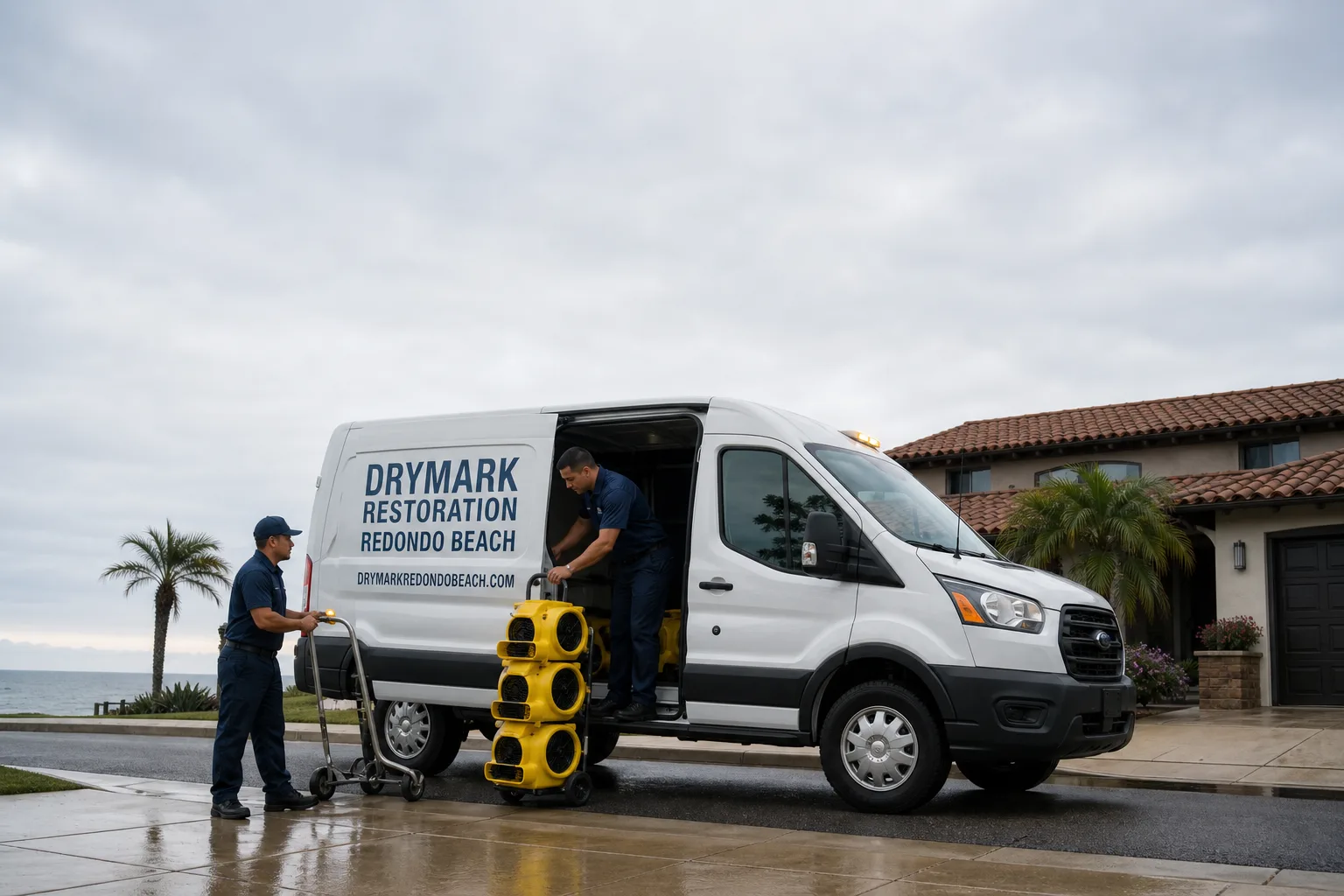
Free visual inspection and a written scope of work before any mitigation begins - photos, moisture readings, and drying logs go in your claim file
The scope we write is the scope we bill. Anything new gets shown to you, in writing, before we touch it.
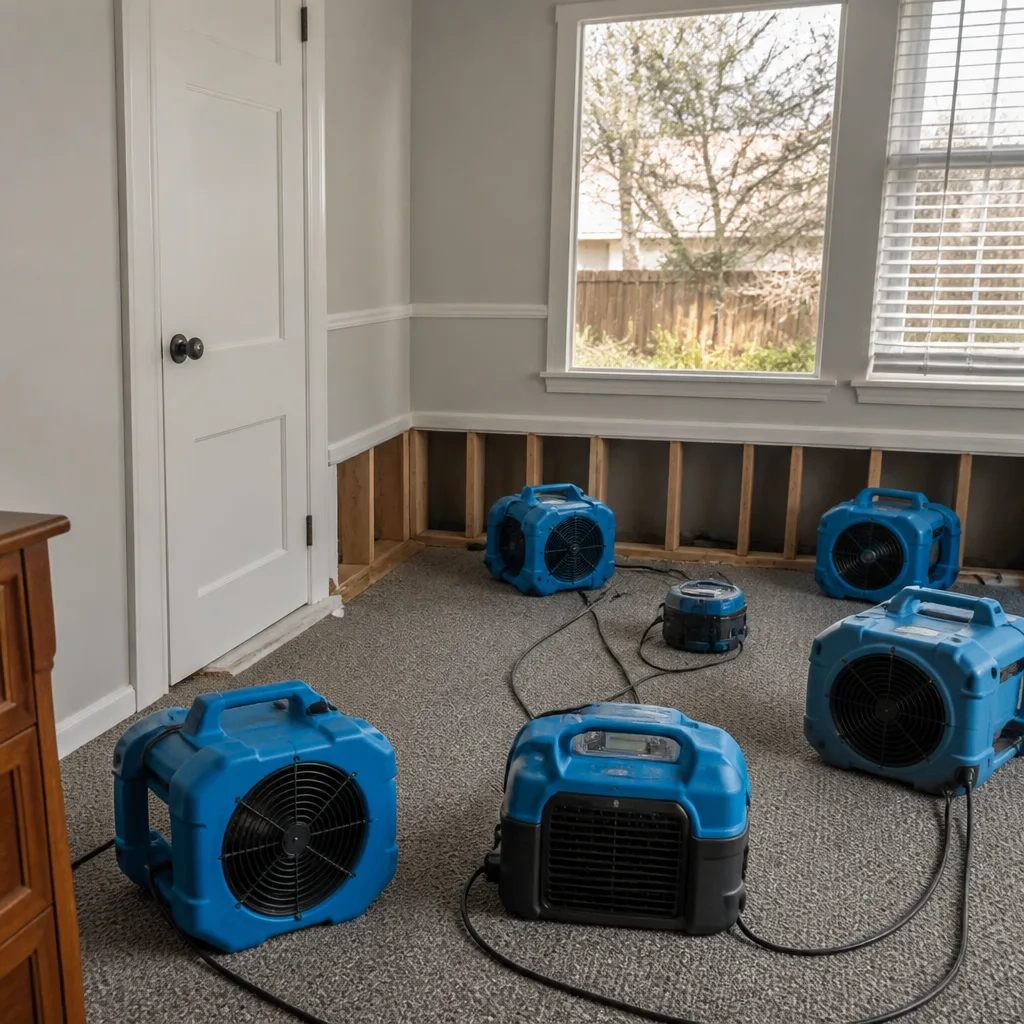
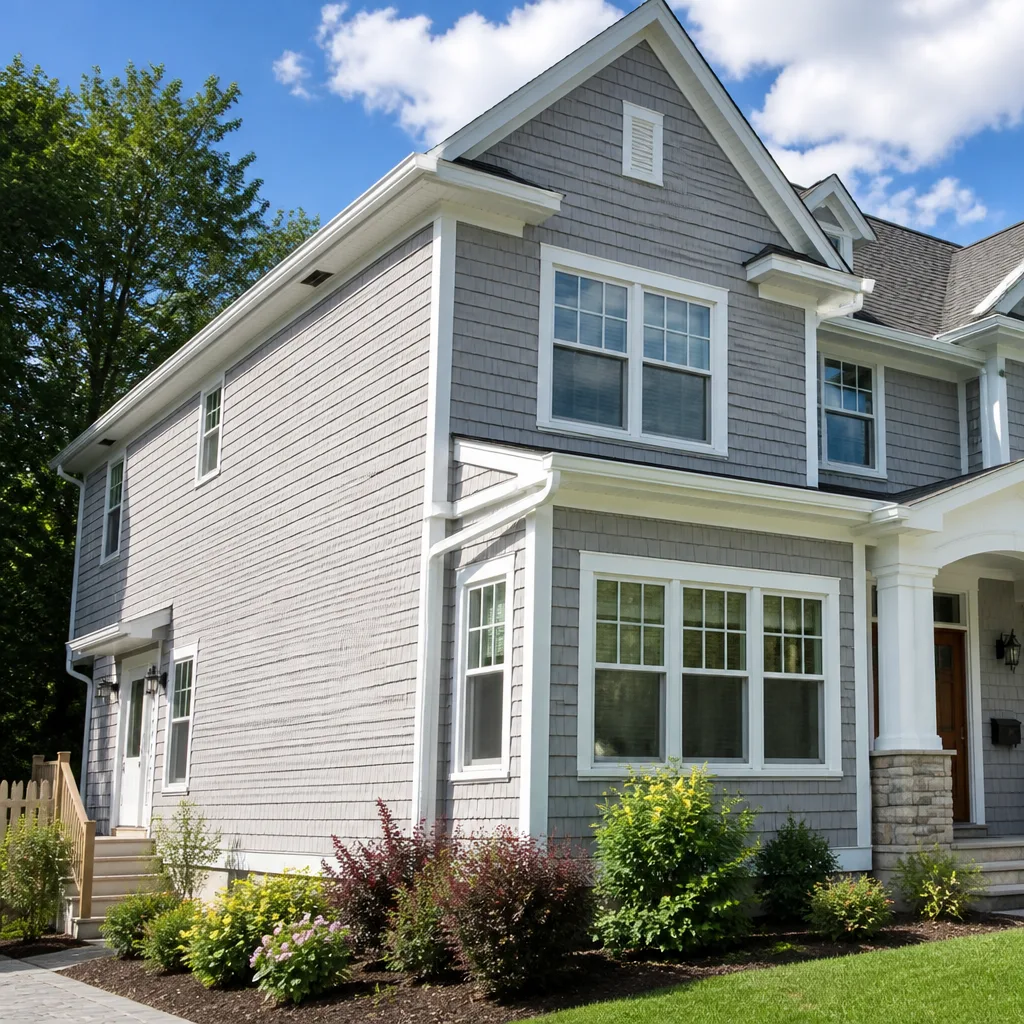
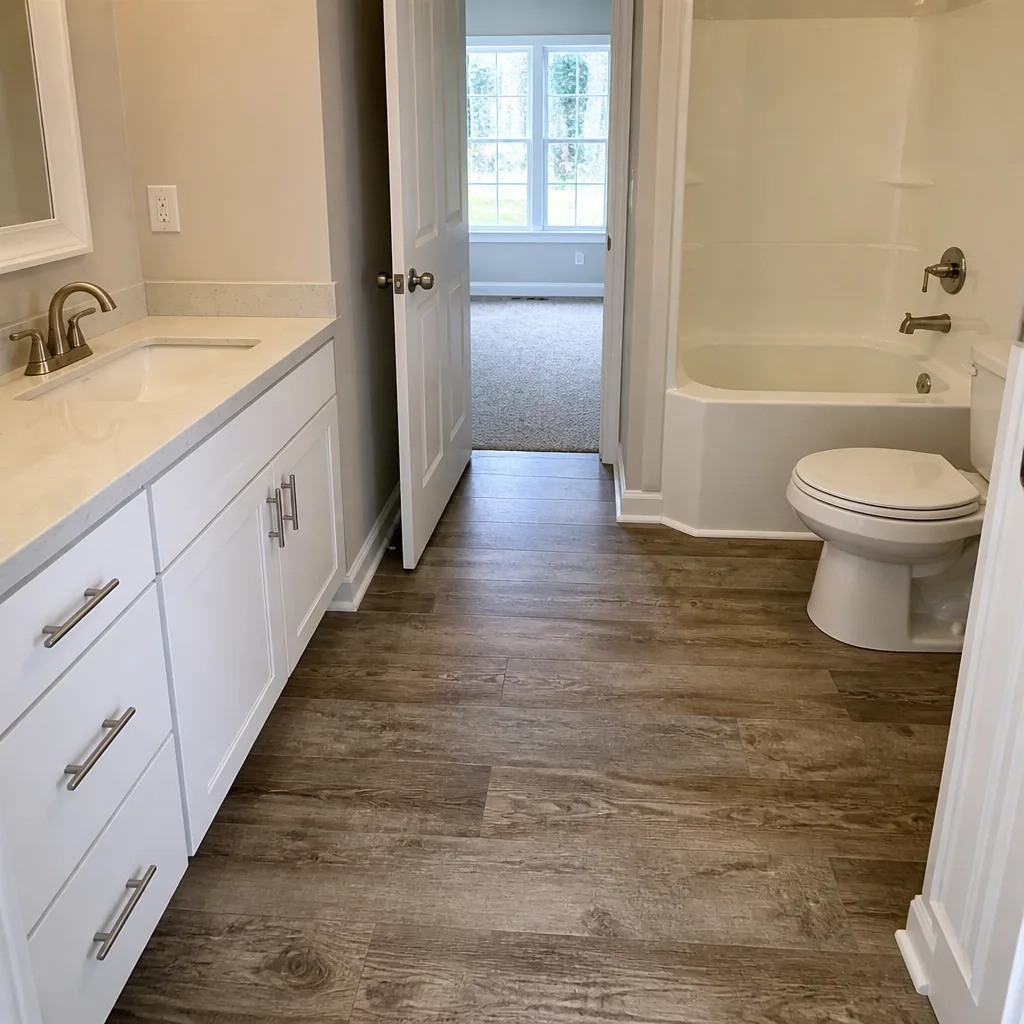
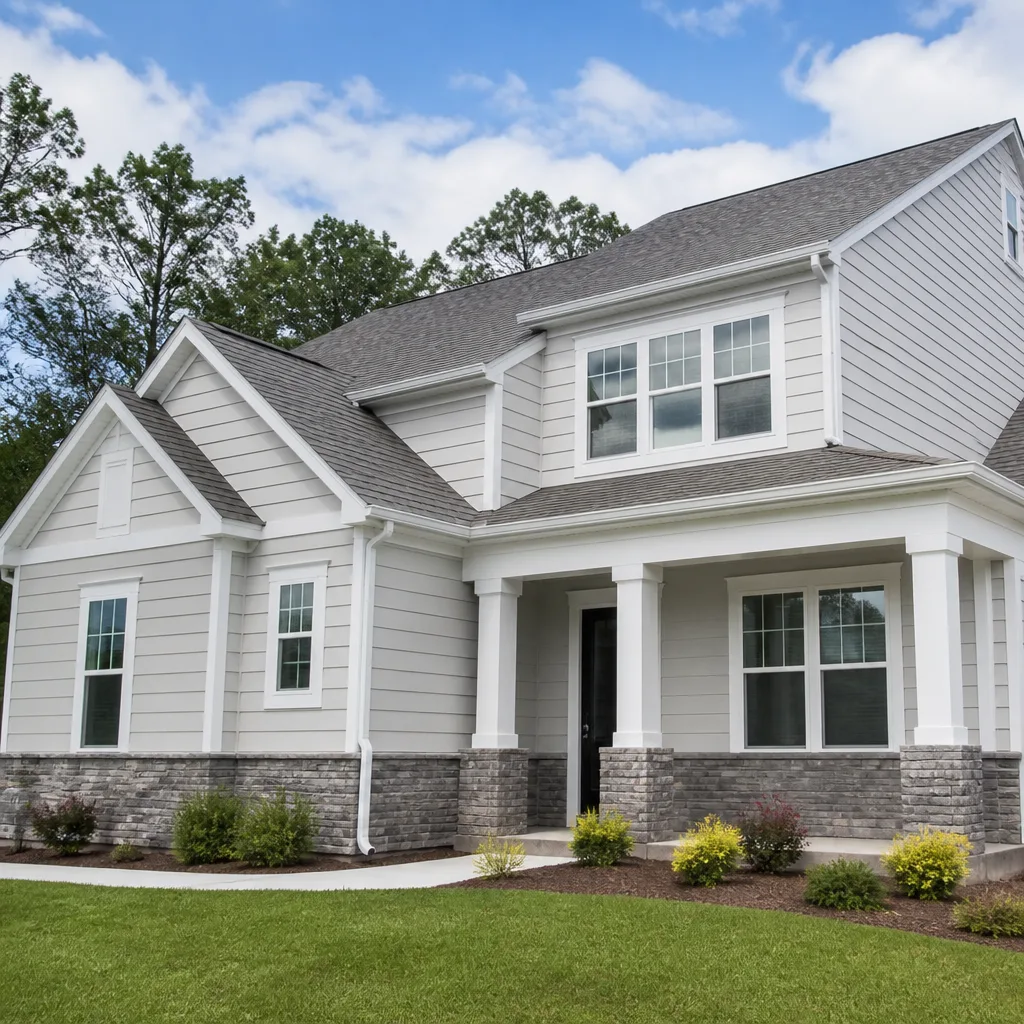
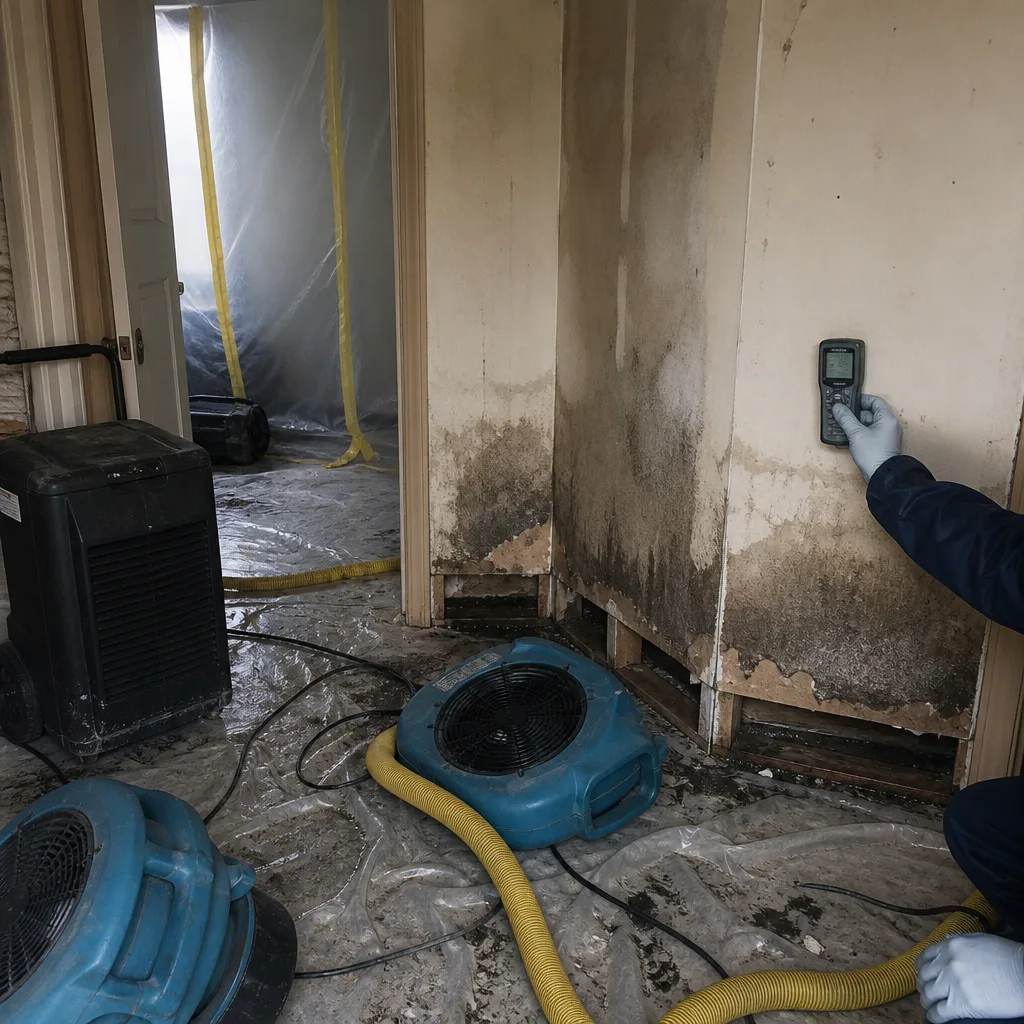 Before
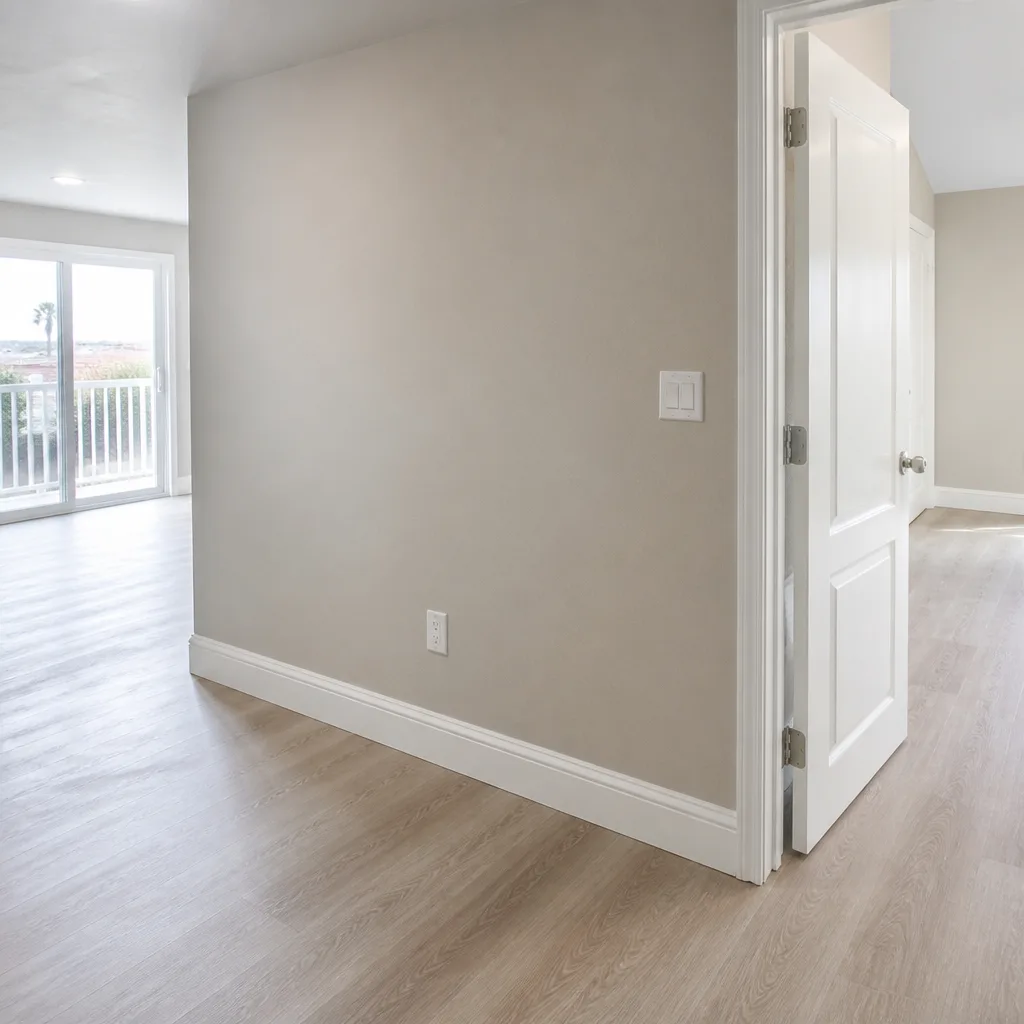 After
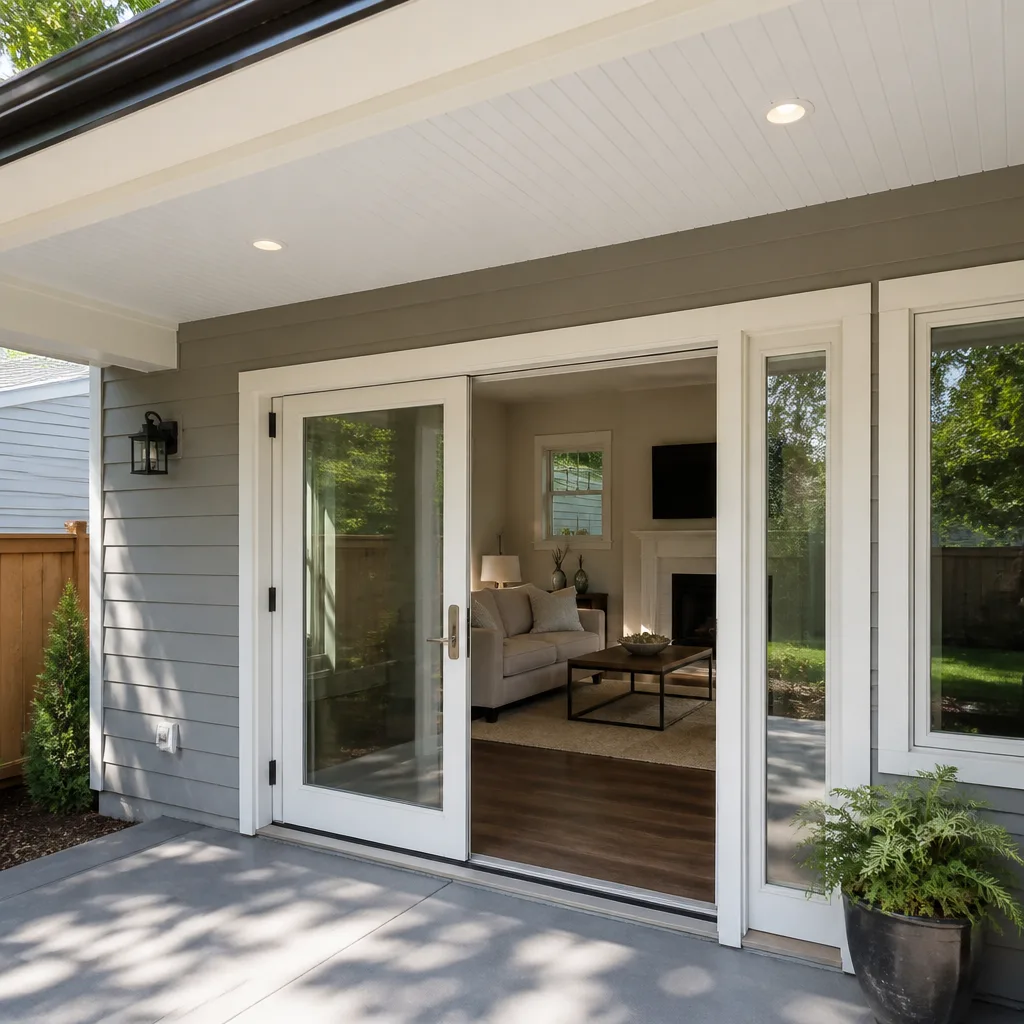
After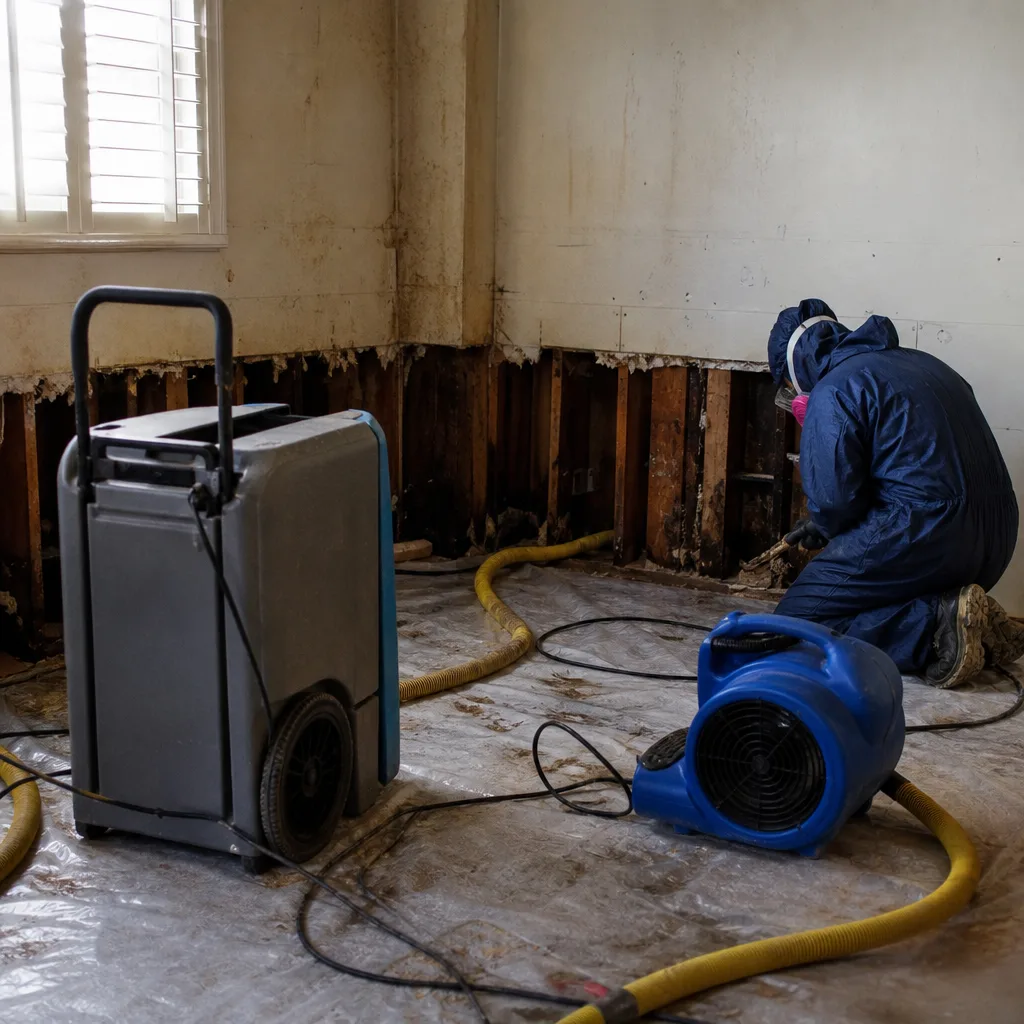 Before
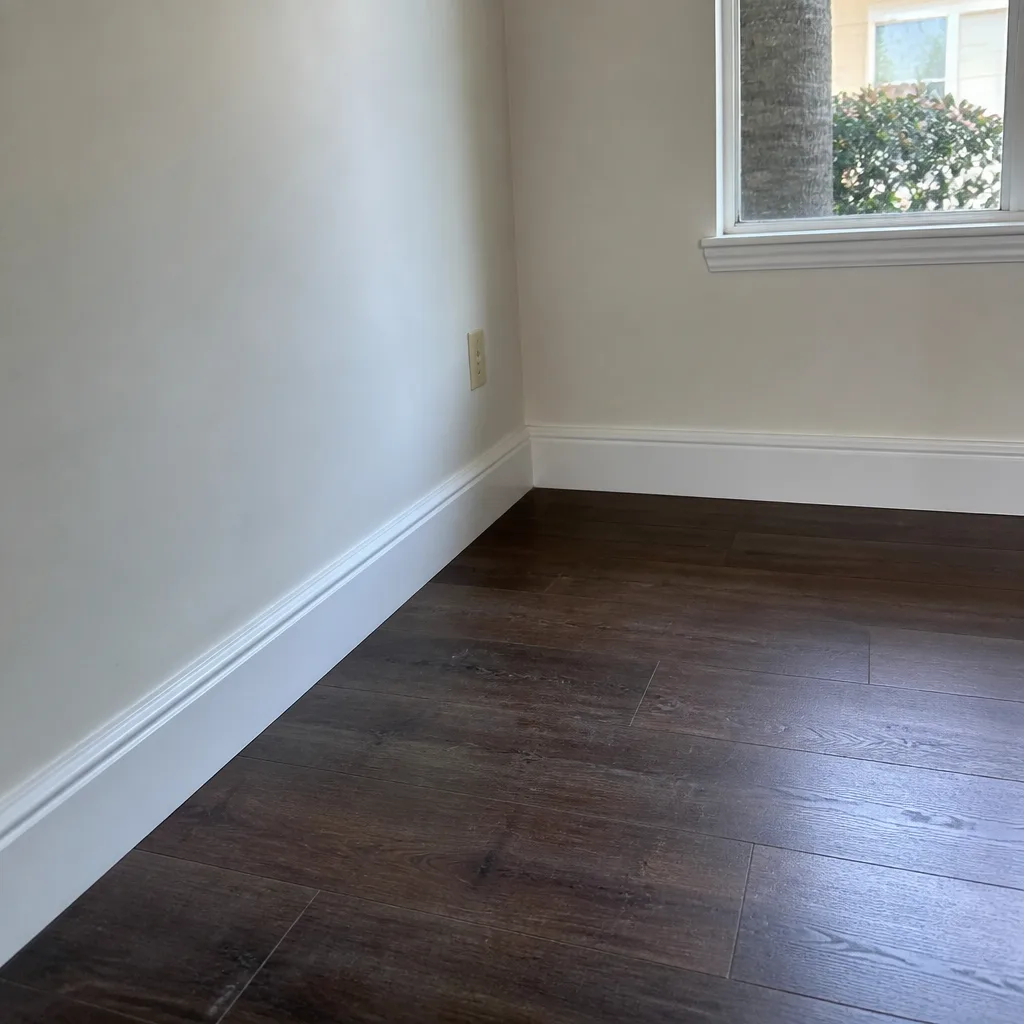 After
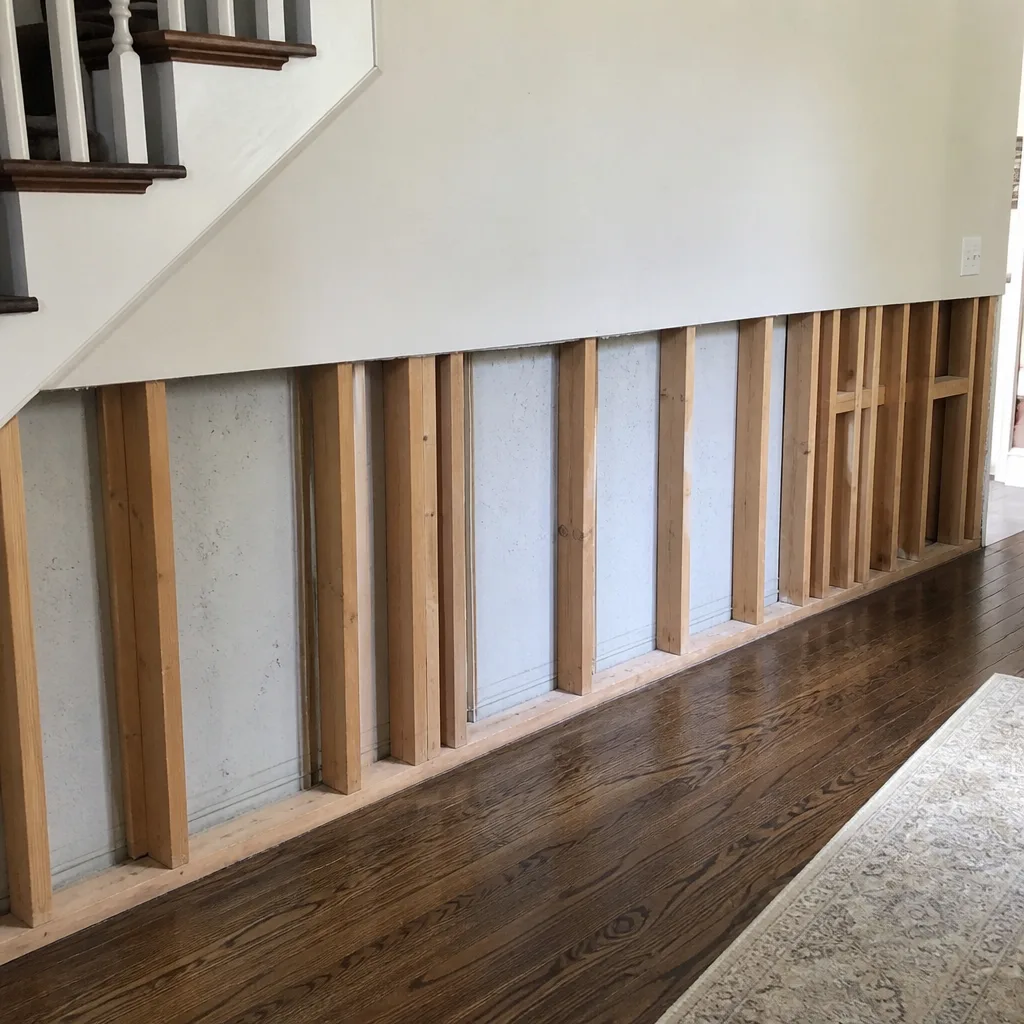
After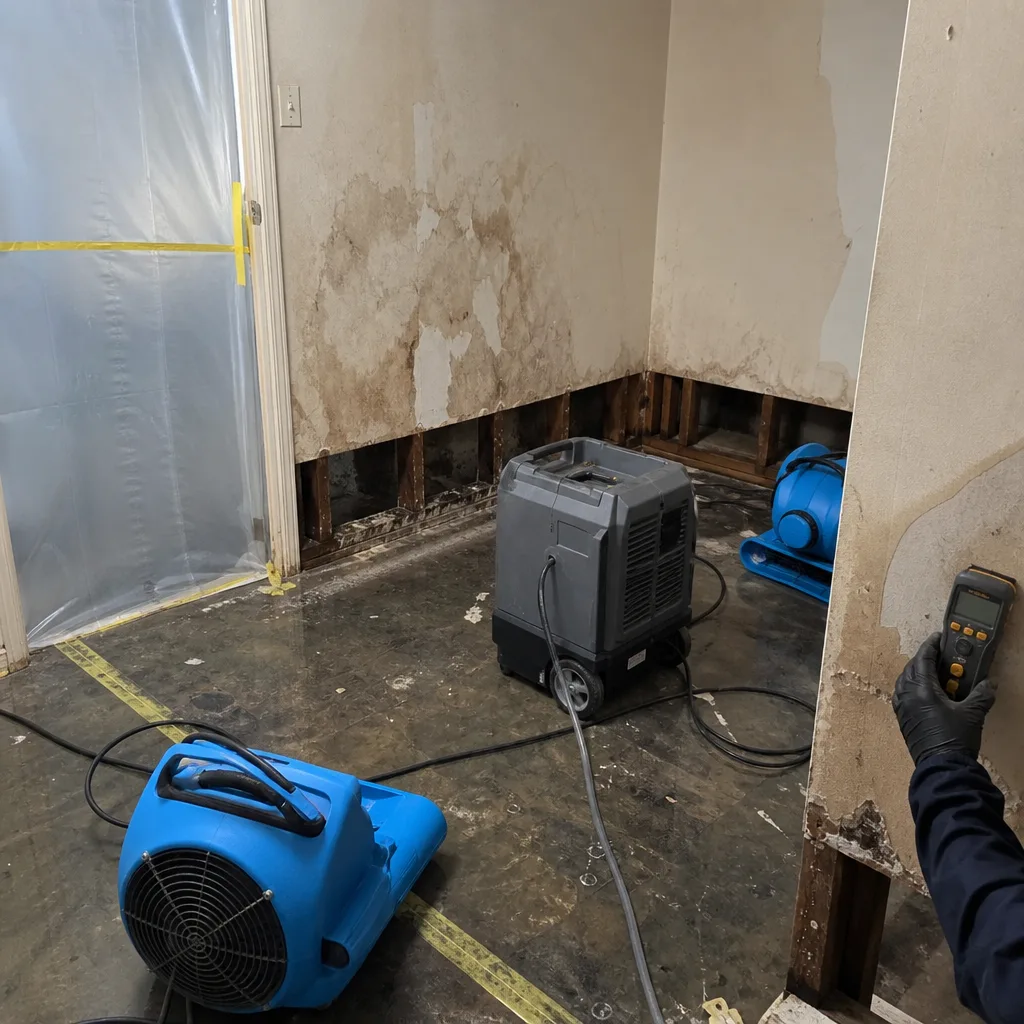 Before
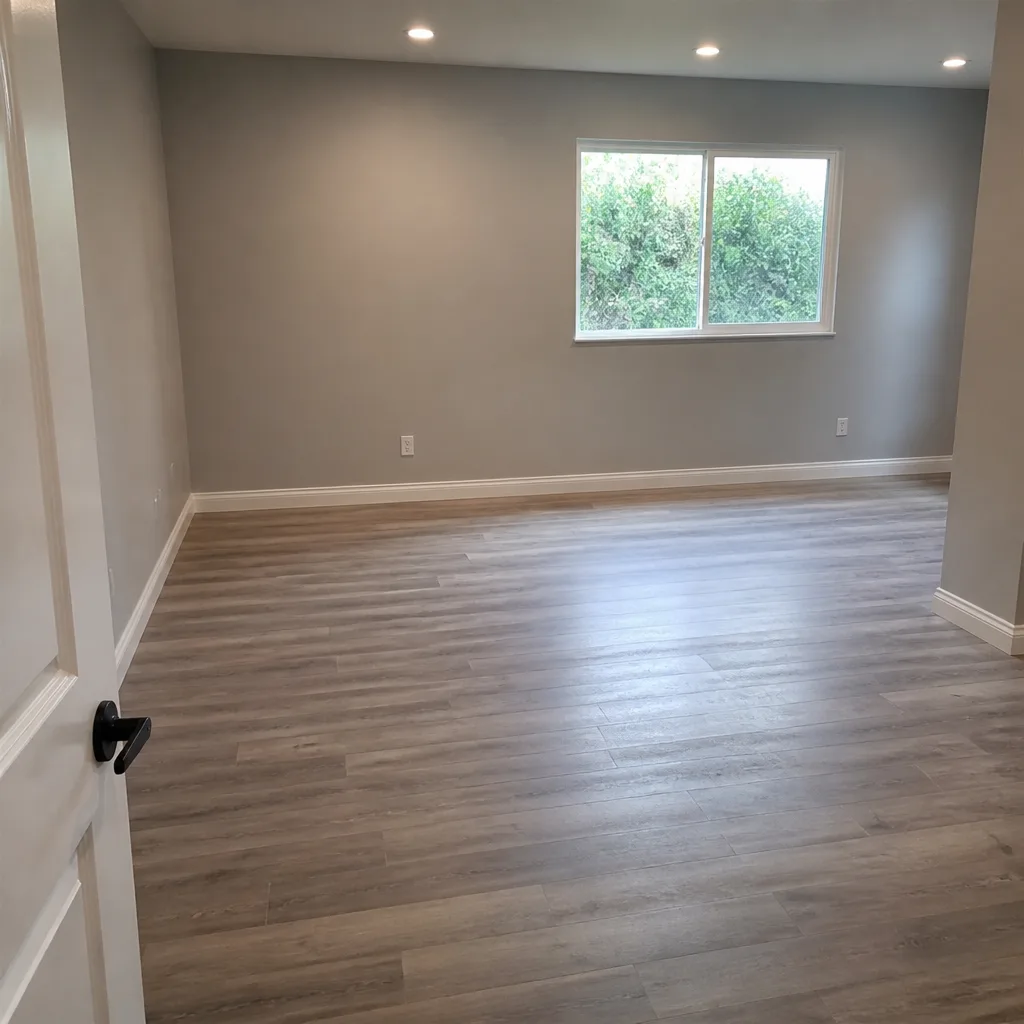 After
AfterFast, Reliable Mold Remediation Across Wilmington
Mold remediation in Wilmington typically costs $1,800-$4,500 for residential jobs, with crawl space and slab-involved work running higher due to local foundation conditions. Most of our Mold Remediation crews can be on-site in Wilmington within 60-90 minutes, dispatched from our Los Angeles office with equipment staged for harbor-basin humidity. If you’re seeing visible growth, smelling mustiness in a 1940s bungalow near Anaheim Street, or dealing with a post-leak situation in a duplex off Avalon Boulevard, call (424) 375-7225. We’ll answer live, 24 hours a day, and deliver a written price before any work starts - Haven Standard, Clause 1.
Why DryMark Restoration Redondo Beach Is Wilmington’s Preferred Mold Remediation Company
We’ve restored homes in Wilmington since 2011, and the pattern is consistent: the marine-layer fog rolling off the Port of Los Angeles keeps interior relative humidity 15-20% above the LA basin average, which means mold colonizes faster here and drying windows close sooner. Our crews know to extend dehumidification cycles and verify with psychrometric data - moisture readings, vapor pressure differential, and specific humidity logged daily - before any drying log closes out.
Homeowners in the 90744 ZIP code and along Pacific Coast Highway have left us reviews citing our documentation specifically: the photo record on every visit, the written scope they could forward to their adjuster, and the 365-Day Done Right Promise stamped under The Haven Standard. We don’t do verbal assurances. We do signed warranties and drying logs that turn restoration invoices into payable claims.
Our response time to Wilmington averages under 90 minutes because we stage Dri-Eaz and Phoenix dehumidifiers, B-Air air movers, and HEPA scrubbers locally. Every technician is background-checked, uniformed, and licensed - their license number is on the work order you’ll receive before anyone enters your home.
Our Mold Remediation Services in Wilmington
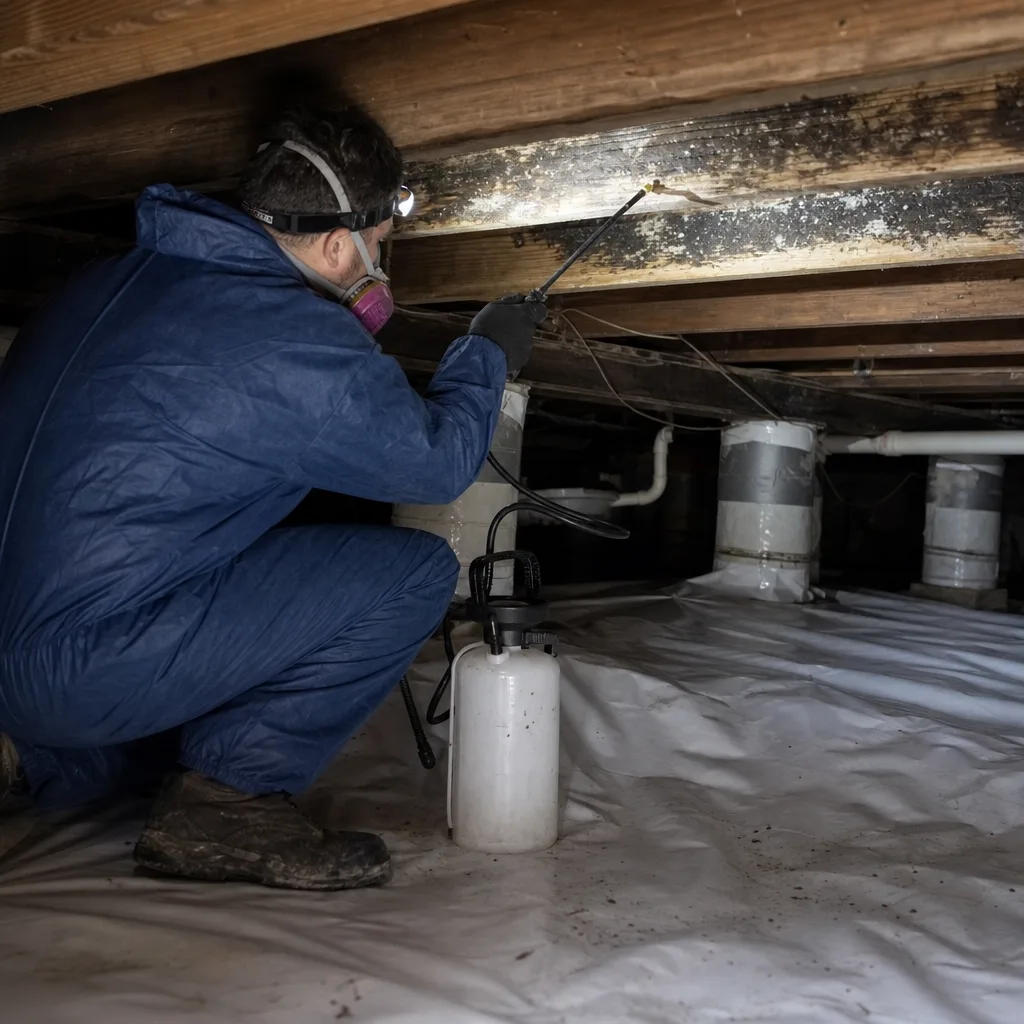
Mold Inspection & Testing
A proper mold inspection in Wilmington starts with moisture mapping, but it can’t stop at the surface. The oil-field subsidence beneath this neighborhood has cracked slab foundations from the 1920s through the 1950s housing stock, creating hidden reservoirs where water wicks back into drywall after structural drying appears complete. We use thermal imaging, boroscope examination of wall cavities, and pin-probe moisture meters to trace these pathways. In a 1940s bungalow near the Port of Los Angeles, we found elevated moisture readings in the hallway after a supply-line leak - but when our tech pulled soil-gas samples before sealing a slab patch, we detected petroleum vapor intrusion through the subsidence cracks. We ran containment, HEPA air scrubbers, and antimicrobial treatment, then coordinated with the LA County Fire Department’s hazmat team so the black mold remediation could clear alongside the vapor track. Mold inspection and testing in Wilmington runs $350-$750 for residential properties, with asbestos screening added when we encounter original floor tile or pipe insulation.
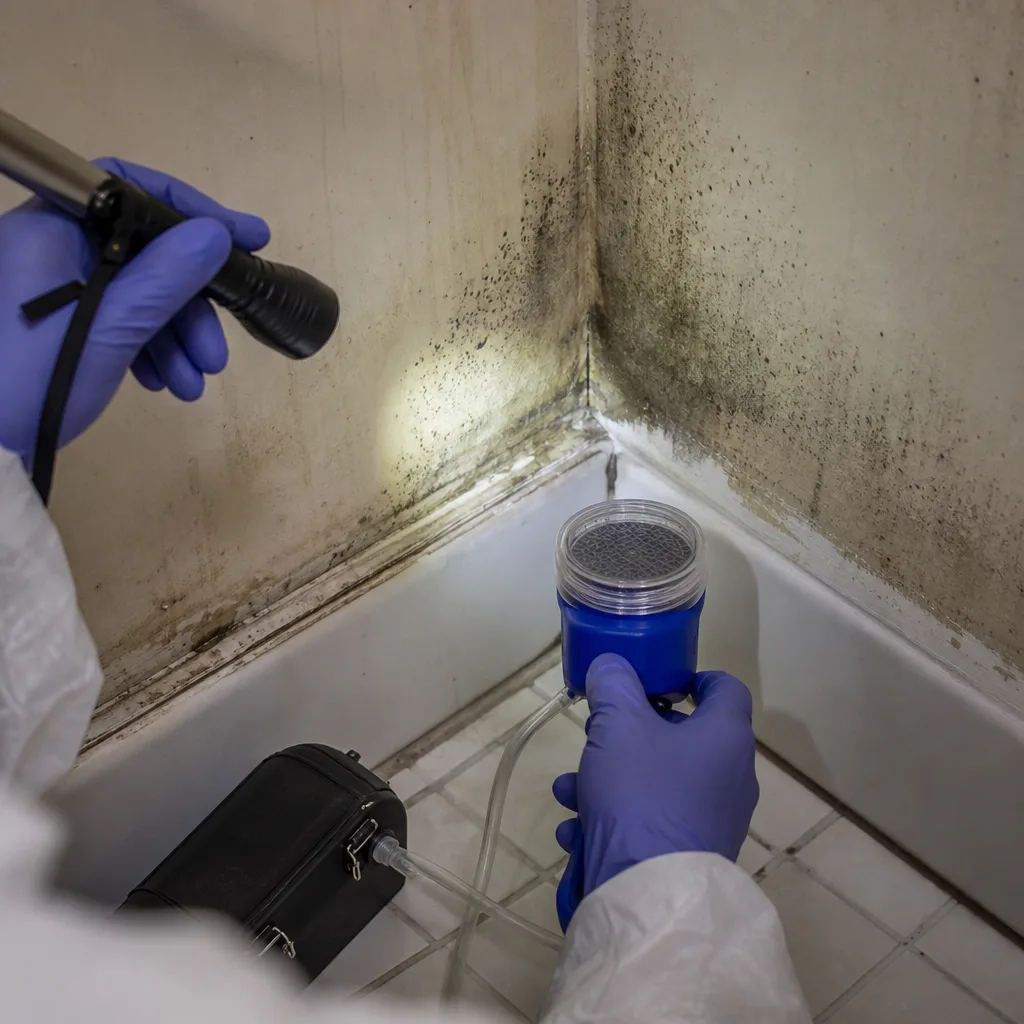
Mold Removal
Mold removal in Wilmington’s older housing stock means working around legacy materials: galvanized supply lines that fail catastrophically, cast-iron drains with pinhole corrosion, and asbestos-containing floor tile that triggers mandatory abatement protocols before we can remove affected substrate. We document every square foot of removal with pre- and post-treatment photography, and we don’t seal containment until air sampling shows spore counts at or below outdoor baseline. A typical mold removal job in a Wilmington bungalow runs $2,200-$4,800, depending on affected square footage and whether the slab requires vapor-intrusion mitigation before closure.
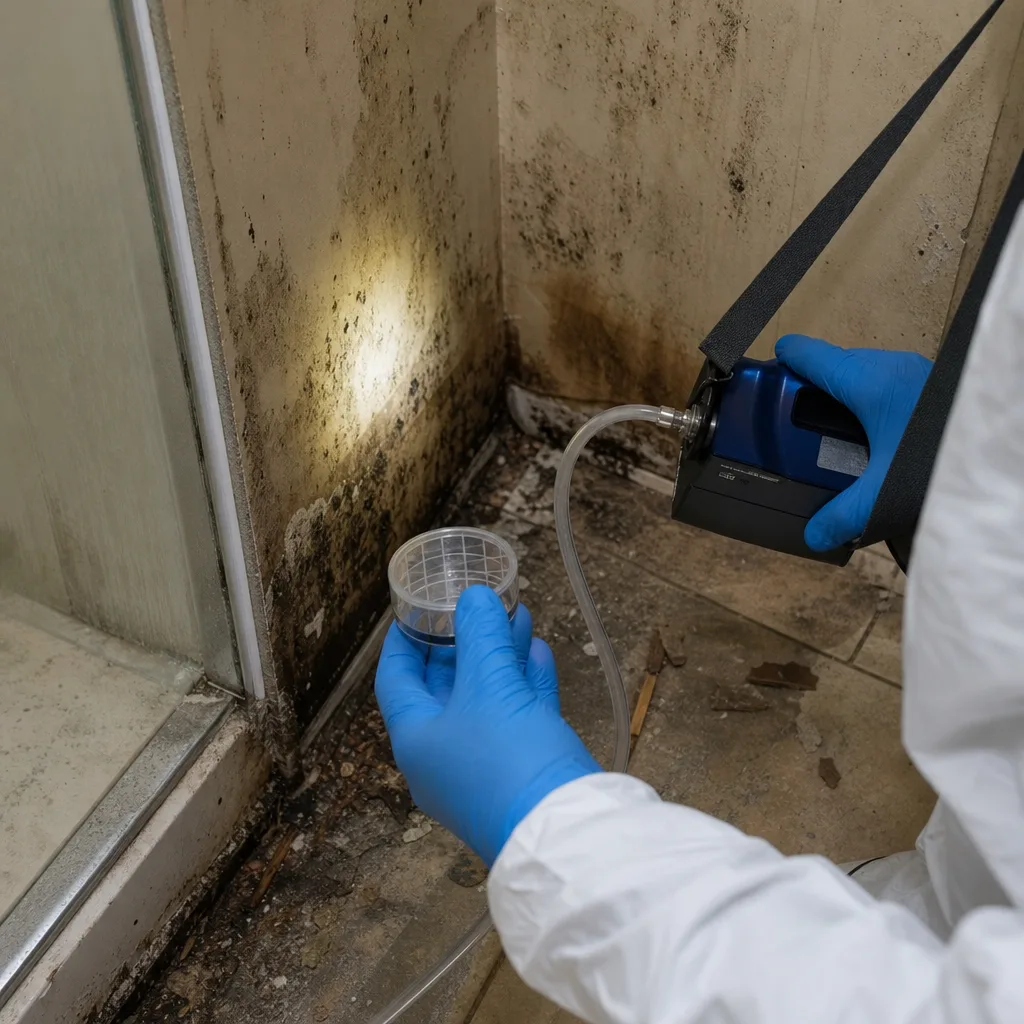
Black Mold Remediation
Stachybotrys and other toxigenic species thrive in Wilmington’s chronically humid interiors, particularly in unventilated bathrooms and kitchens of duplexes built for dockworker families in the 1930s and 1940s. Black mold remediation here requires negative-air containment, HEPA filtration, and antimicrobial treatment with documented clearance sampling. We coordinate directly with your insurance adjuster, providing the photo record and written scope that separates legitimate mold damage from pre-existing subsidence issues insurers routinely dispute in Wilmington claims.
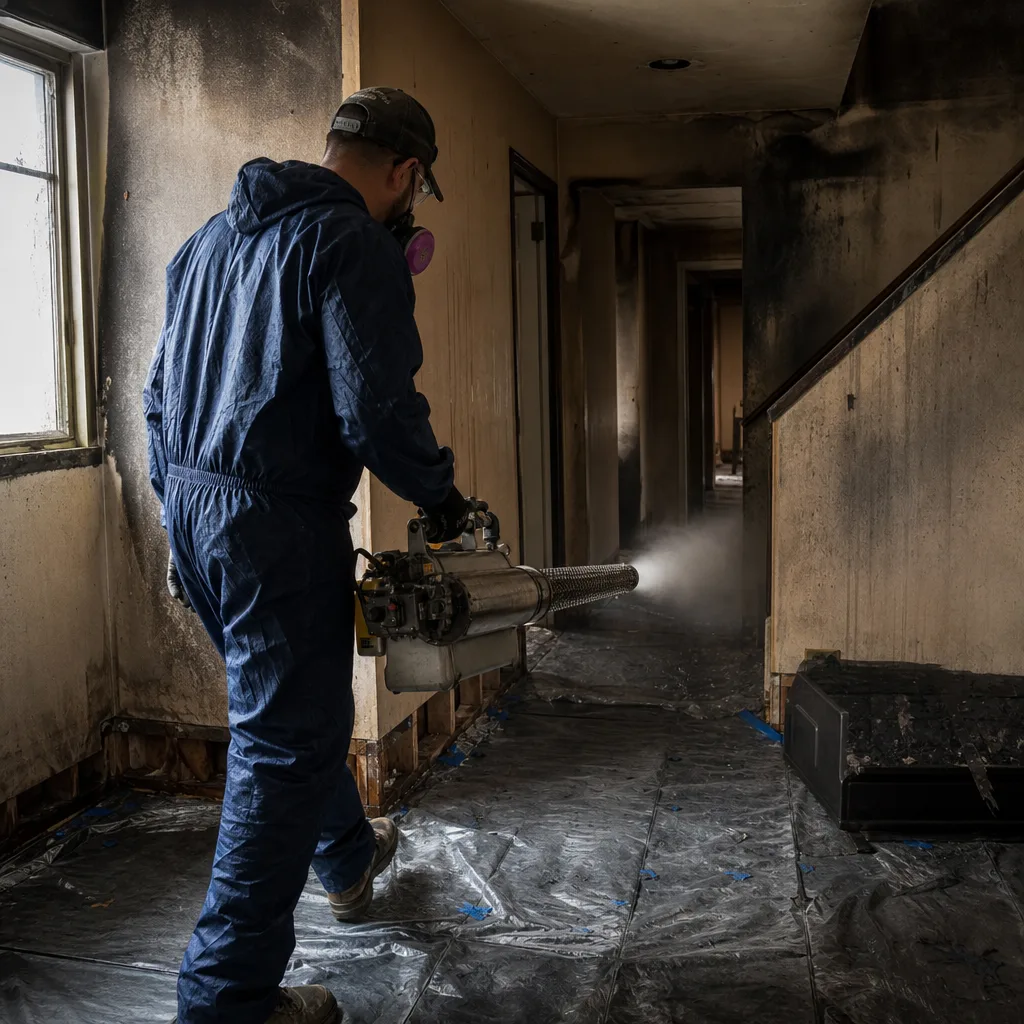
Air Quality Restoration
Air quality restoration in Wilmington carries an extra variable: diesel particulate and refinery fallout from surrounding industrial operations settle onto surfaces and embed in porous materials, complicating post-mold content cleaning. Our HEPA protocols - documented to IICRC and IFA standards - address both biological and particulate contamination. We deploy XPOWER and Injectidry systems to establish negative pressure, filter to 0.3 microns, and verify with pre- and post-remediation air sampling. Residential air quality restoration in Wilmington typically runs $1,800-$3,200.
Crawl Space Treatment
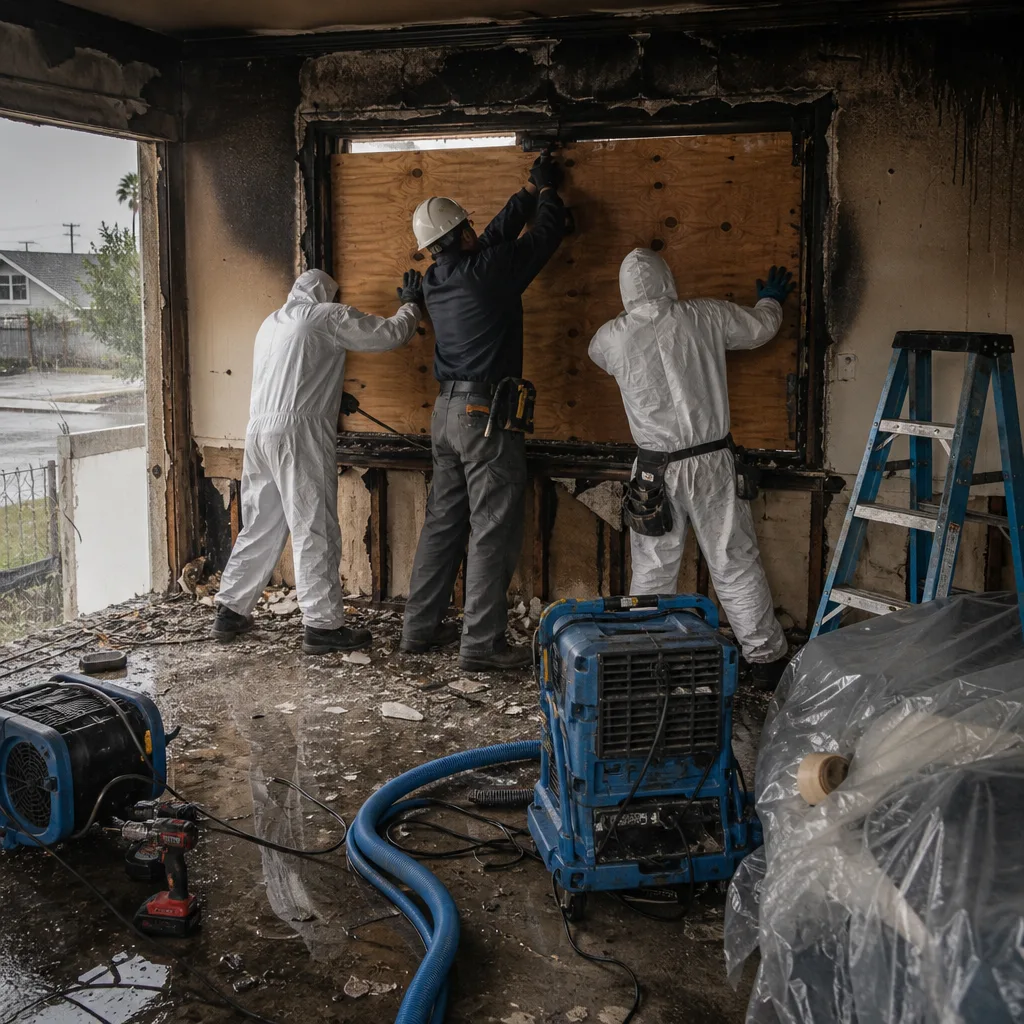
Crawl spaces in Wilmington are particularly vulnerable. The shallow-pier foundations common in pre-1950 construction sit above soil saturated by harbor-basin moisture, and the subsidence cracks in perimeter footings create direct vapor pathways. Our crawl space treatment includes vapor barrier installation, dehumidification, and - critically - soil-gas sampling before any encapsulation. We’ve seen petroleum vapor intrusion from the Wilmington Oil Field trigger failed clearance tests after what appeared to be straightforward mold jobs, forcing a shift into LA County Fire Department hazmat protocols mid-project. We test first. We document everything. Then we treat.
Moisture & Humidity Control
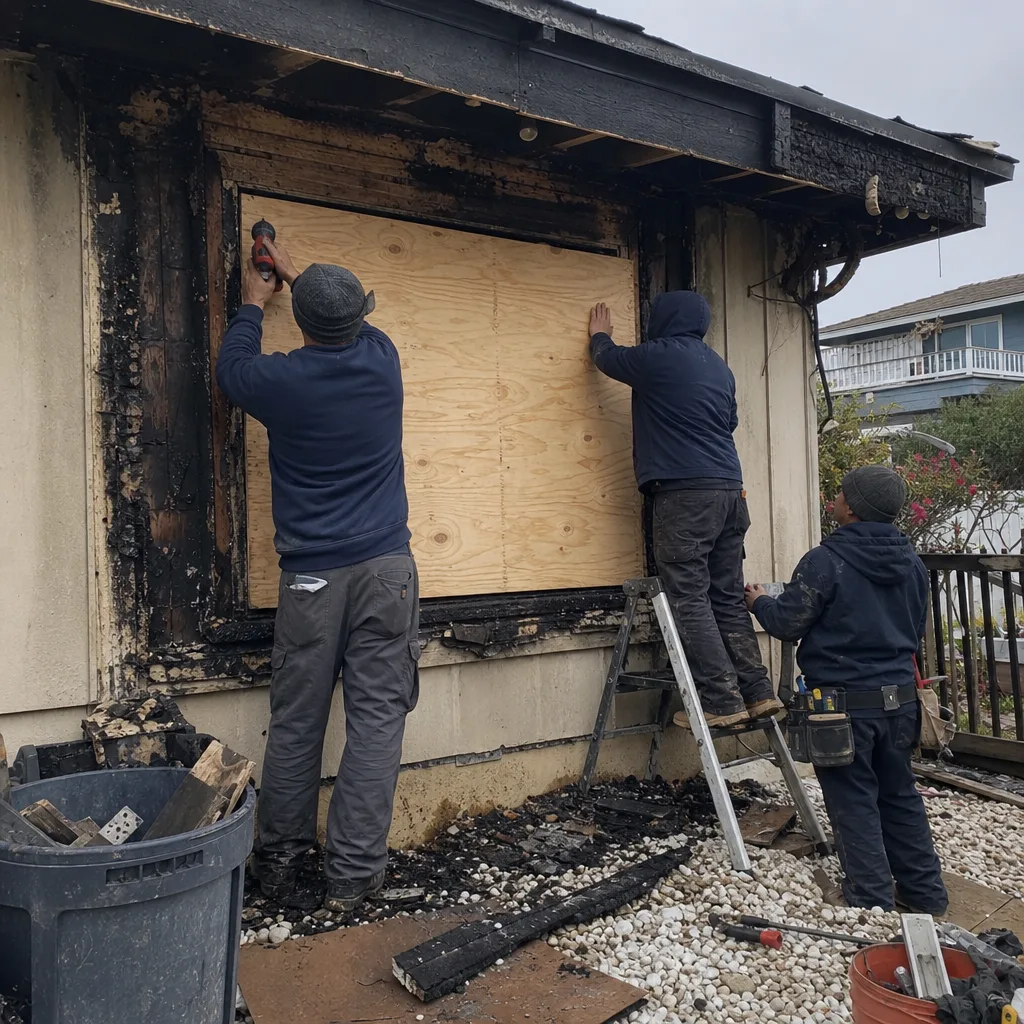
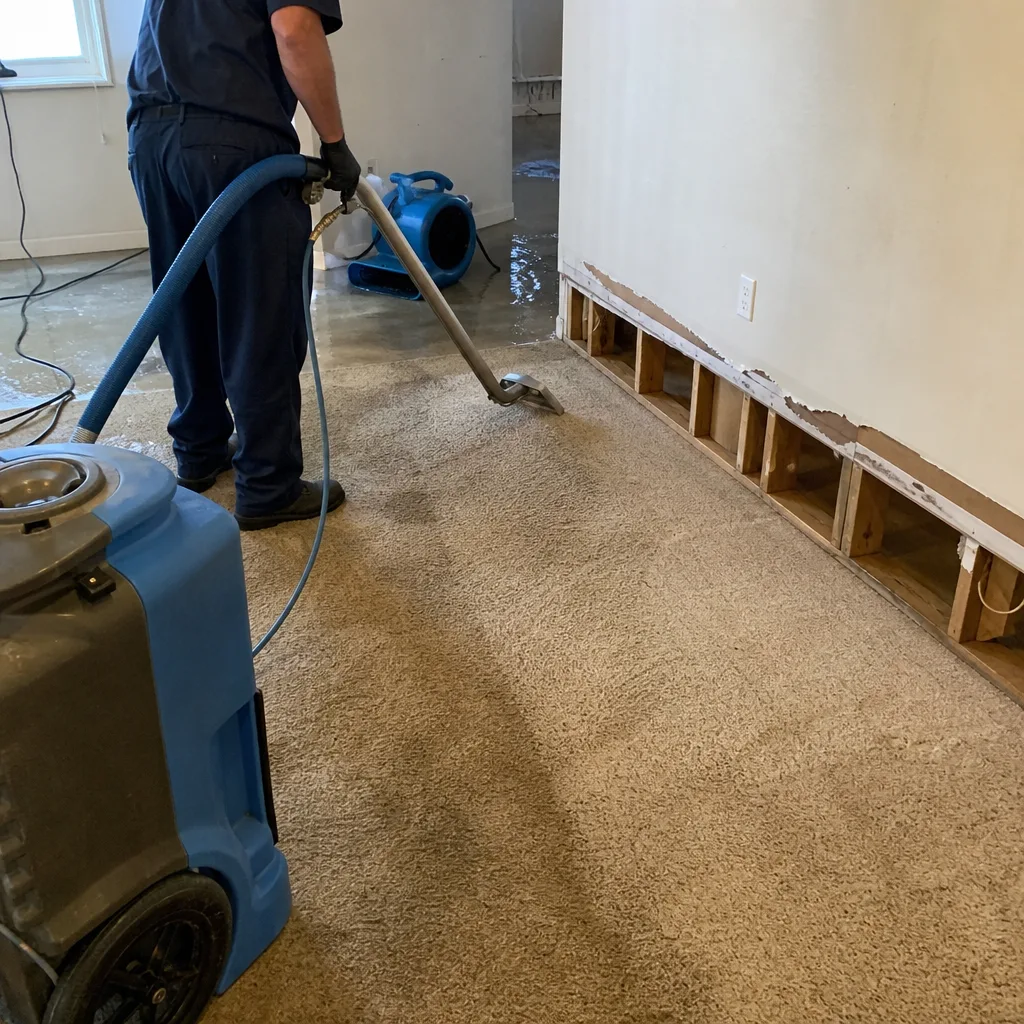
Wilmington’s port-adjacent climate means dehumidification isn’t a finishing step; it’s ongoing infrastructure. We install permanent dehumidification systems sized to harbor-basin conditions, with remote monitoring that logs relative humidity, dew point, and vapor pressure differential in real time. This data becomes part of your documentation package, supporting warranty claims and insurance compliance.
What happens when you call
- 1
A real person answersNo phone trees - you reach a local pro.
- 2
You get an upfront price rangeHonest numbers before anyone is dispatched.
- 3
A background-checked tech heads outLicensed & insured, dispatched right away.
- 4
You approve before work beginsNothing starts until you say go.
 Before
 After
AfterTrusted Brands We Service in Wilmington
We deploy professional-grade drying systems from Dri-Eaz, Phoenix, XPOWER, B-Air, and Injectidry on every Wilmington job, with equipment calibrated to IICRC, RIA, and IFA standards. Our Los Angeles warehouse stocks HEPA filters, antimicrobial formulations, and vapor-barrier materials sized for the older construction common in Wilmington’s 90744 ZIP code, which means replacement parts and consumables arrive with the crew rather than on a second truck. For Mold Remediation in Wilmington, that staging difference can mean completing structural drying before the 24-48 hour mold colonization window closes.
Common Mold Remediation Problems We See in Wilmington Homes
- Moisture mapping misses slab-edge cracks from oil-field subsidence. The Wilmington Oil Field’s decades of extraction left foundation cracks that act as hidden reservoirs, re-wetting drywall after structural drying appears complete and causing mold to return within weeks.
- Marine-layer humidity shortens the effective drying window. Port of Los Angeles onshore flow keeps interior relative humidity elevated, pushing drywall past the 24-48 hour mold colonization threshold before dehumidification is properly dialed in.
- Petroleum vapor intrusion complicates post-remediation clearance. When restoration opens slabs or crawlspaces, vapors from the oil field below migrate through subsidence cracks and trigger failed air-quality tests, forcing a separate LA County Fire Department hazmat track.
- Legacy asbestos requires testing before any substrate removal. Wilmington’s 1920s-1950s housing stock frequently contains asbestos floor tile and pipe insulation, meaning mold remediation cannot proceed until abatement protocols are documented and cleared.
Pricing for Mold Remediation in Wilmington, CA
| Service | Typical Range in Wilmington |
|---|---|
| Mold Inspection & Testing | $350 - $750 |
| Mold Removal (per room/area) | $2,200 - $4,800 |
| Black Mold Remediation | $3,500 - $6,500 |
| Air Quality Restoration | $1,800 - $3,200 |
| Crawl Space Treatment | $2,800 - $5,500 |
| Moisture & Humidity Control (system install) | $1,200 - $2,800 |
What drives cost upward in Wilmington specifically: slab-involved work requiring soil-gas sampling, petroleum vapor intrusion mitigation under LA County Fire Department protocols, asbestos abatement coordination, and extended dehumidification cycles due to harbor-basin humidity. What we never do: add scope-creep charges once the crew is inside. Haven Standard, Clause 1 means the written price you approve is the price you pay. We also offer a Free Second Opinion on any competitor’s written estimate - bring it to us, no charge.
We Also Serve Cities Near Wilmington
Our crews respond throughout the harbor basin, including Harbor City, Carson, Lomita, and San Pedro. Each shares Wilmington’s port-adjacent humidity challenges, though Wilmington’s oil-field subsidence and vapor-intrusion risk remain unique to this neighborhood. Dispatch and scheduling are coordinated from our Los Angeles office.
Serving Wilmington, CA - Our Local Coverage Area
We’re based in the Wilmington area and know this community well. Use the map below to see our service coverage - if you’re nearby, we can almost certainly help.
FAQs - Mold Remediation in Wilmington
Yes. The ground subsidence from the Wilmington Oil Field has cracked foundations throughout the neighborhood, creating hidden moisture reservoirs and petroleum vapor pathways that don’t exist in other LA areas. Any mold remediation here must include slab-edge moisture mapping and soil-gas sampling before sealing, or you risk failed clearance and a restart under hazmat protocols. Call (424) 375-7225 for a written estimate that accounts for these local conditions.
The combination of marine-layer humidity from the Port of Los Angeles and subsidence-cracked slabs creates a re-wetting cycle that generic drying protocols miss. Interior relative humidity stays elevated, and slab cracks feed moisture back into wall cavities after crews leave. We extend dehumidification cycles and verify with psychrometric data before closing any drying log. Call (424) 375-7225 - estimates are free, and we document every reading.
Not always, but frequently enough that we test as standard practice. Wilmington’s housing stock - bungalows and duplexes built 1920s-1950s for refinery and dockworker families - often contains asbestos floor tile, pipe insulation, or acoustic ceiling texture. Disturbing these materials without abatement clearance violates state law and voids insurance coverage. We coordinate testing and, if needed, abatement before mold removal begins, with all documentation included in your claim package. Call (424) 375-7225 to schedule.
Petroleum vapor intrusion is the upward migration of hydrocarbon vapors from the Wilmington Oil Field through soil and foundation cracks into occupied spaces. It matters because sealing a crawl space or slab without testing can trap these vapors, trigger failed post-remediation air quality tests, and force a separate LA County Fire Department hazmat remediation track. We pull soil-gas samples before any encapsulation. Call (424) 375-7225 for a crawl space assessment that includes vapor screening.
Category 3 water - sewage, groundwater, or backed-up drains - requires antimicrobial treatment and removal of porous materials before mold remediation can begin. In Wilmington, we also test for petroleum vapor intrusion if the loss involved slab or crawlspace penetration, since subsidence cracks may have admitted both contaminated water and hydrocarbon vapors. The full protocol: extraction, antimicrobial application, vapor testing, substrate removal, structural drying verified to IICRC standards, then mold remediation with documented clearance. Call (424) 375-7225 - we’ll walk through the written scope before any work starts.
Written by Alicia Brennan, Owner at Back to Dry Restoration, serving Wilmington and the Los Angeles harbor basin since 2011.