
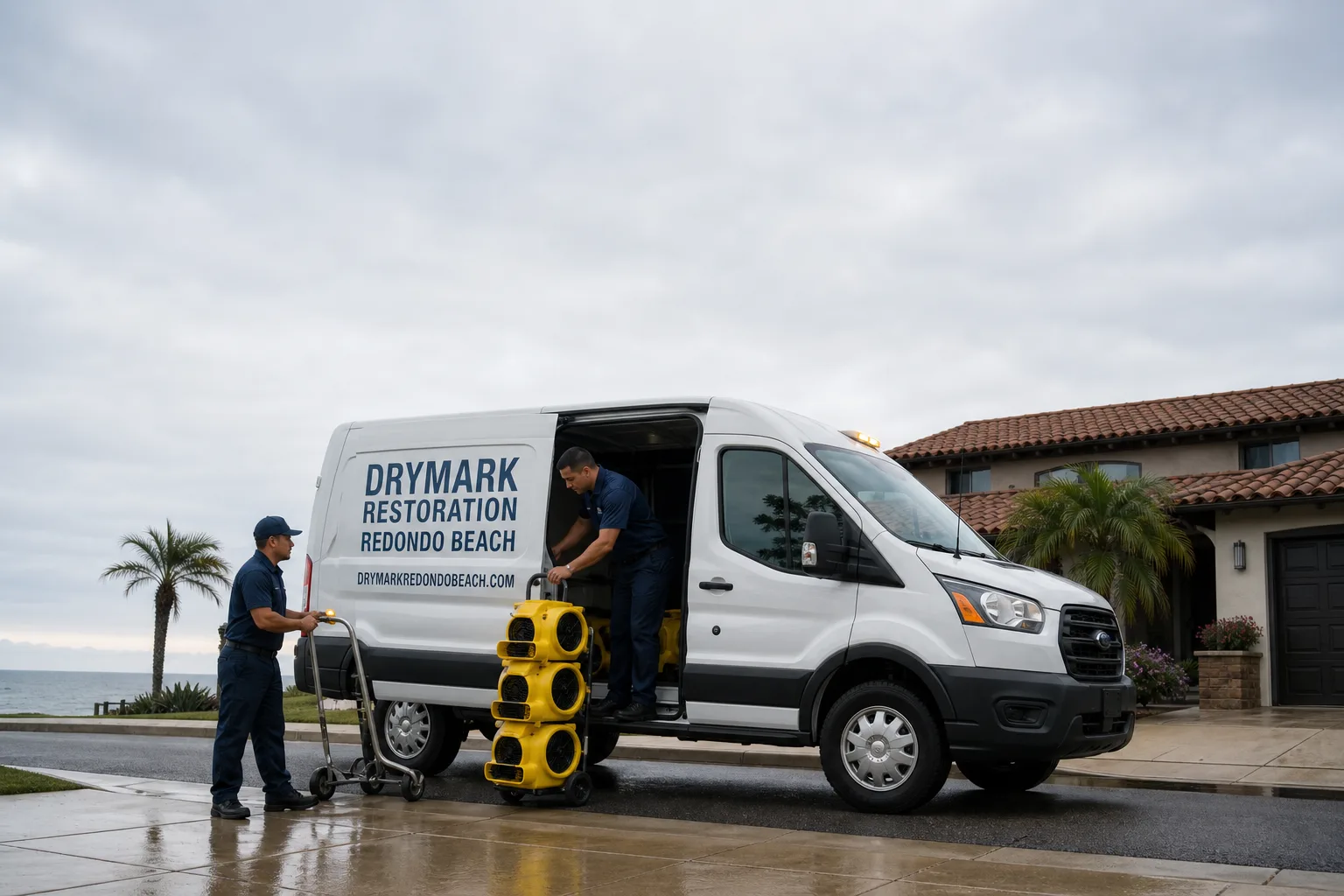
Free visual inspection and a written scope of work before any mitigation begins - photos, moisture readings, and drying logs go in your claim file
The scope we write is the scope we bill. Anything new gets shown to you, in writing, before we touch it.
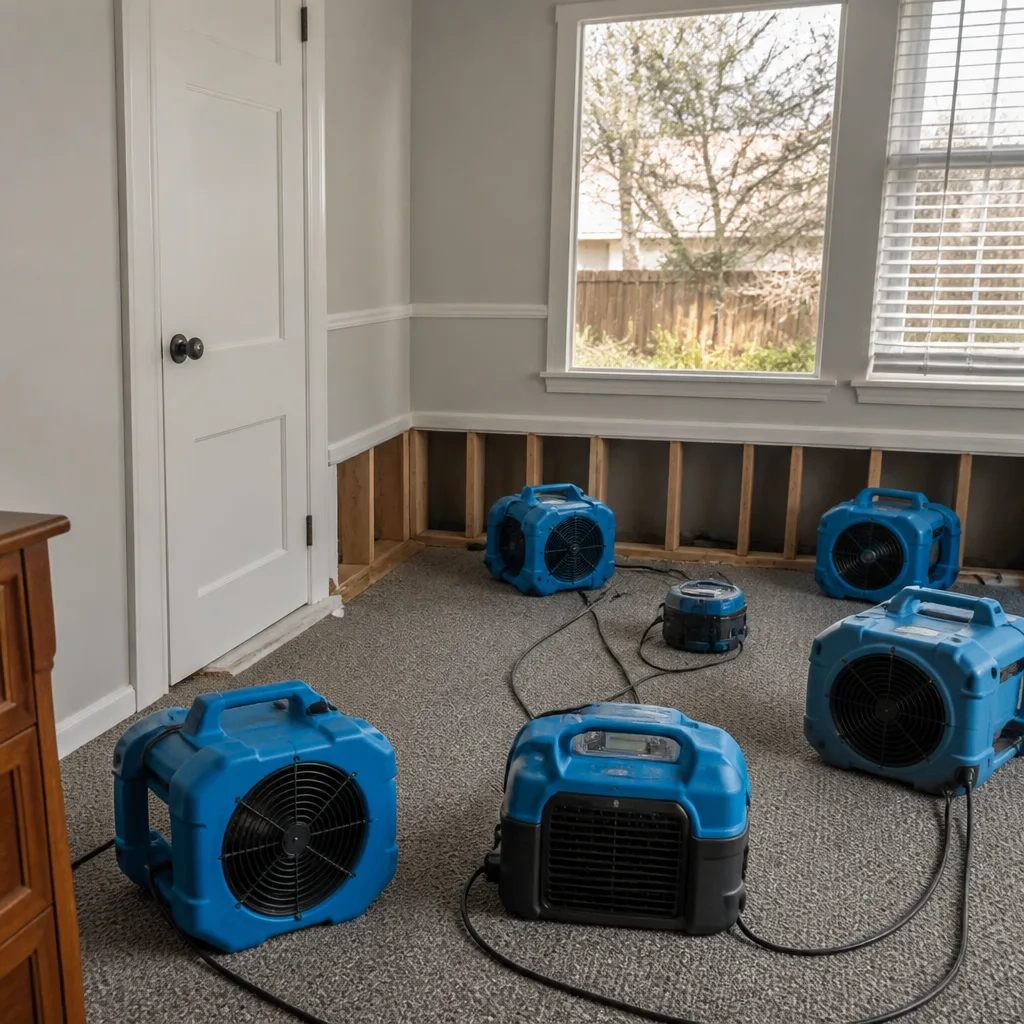
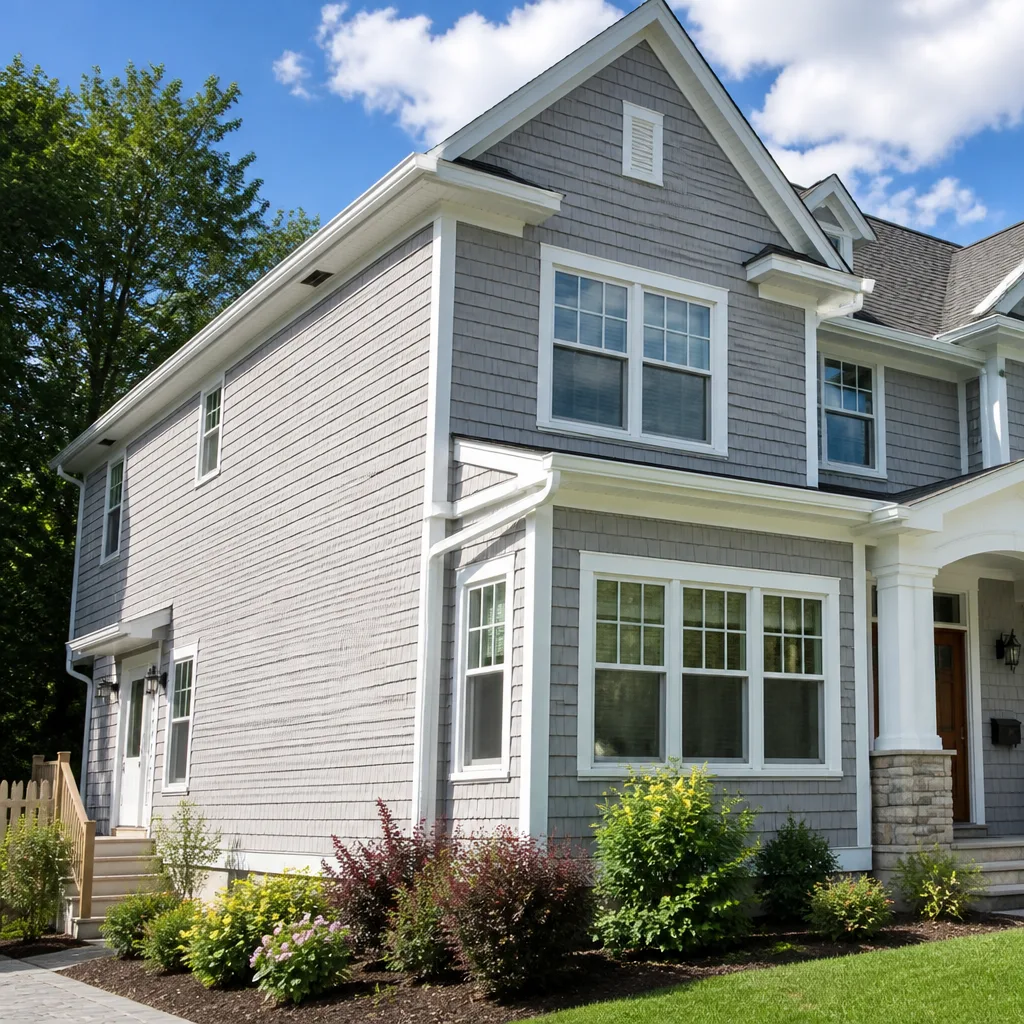
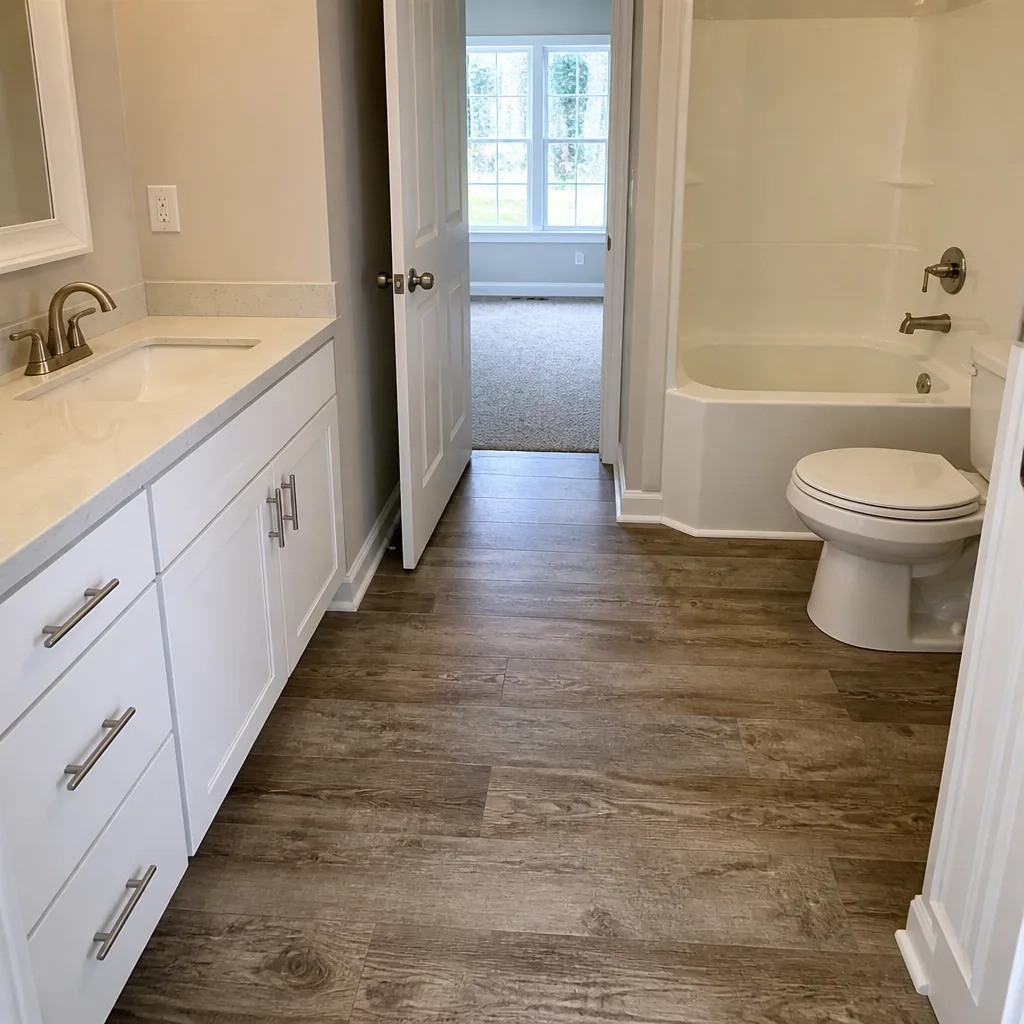
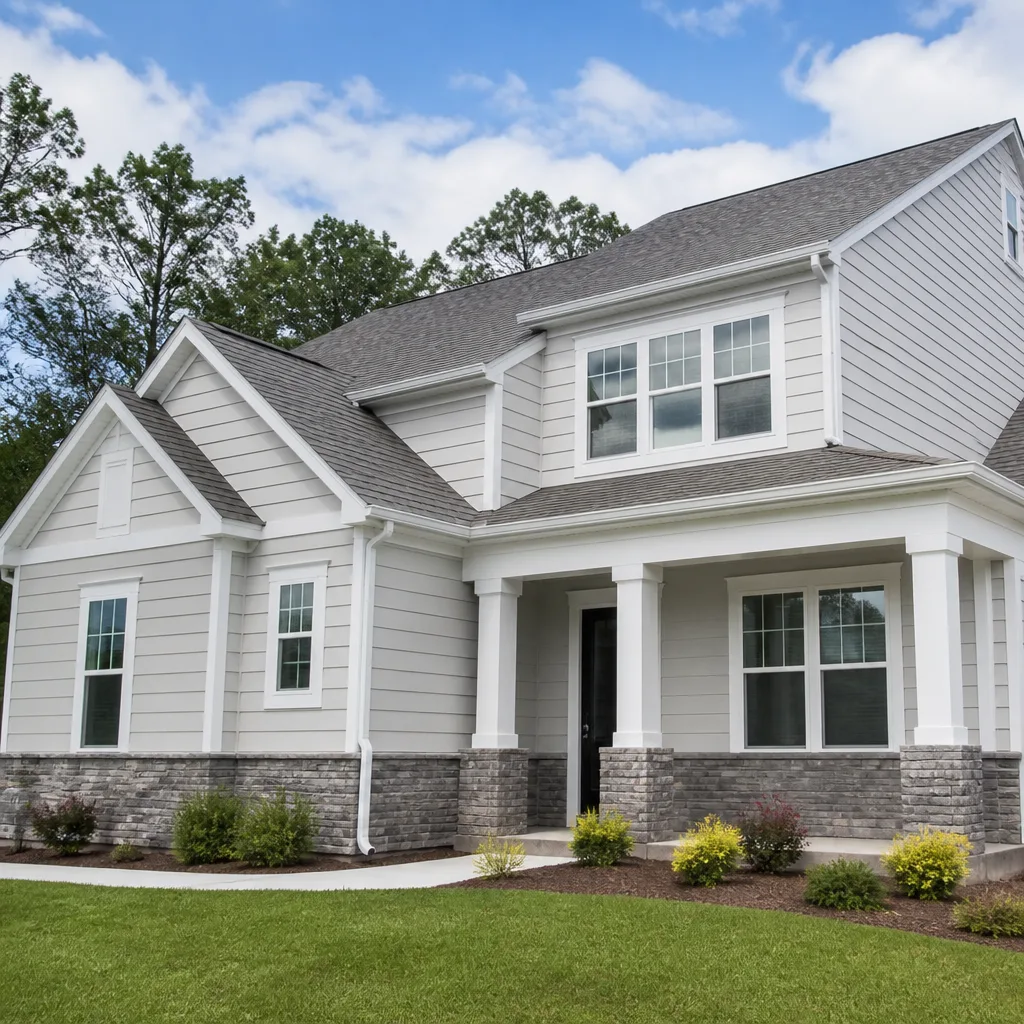
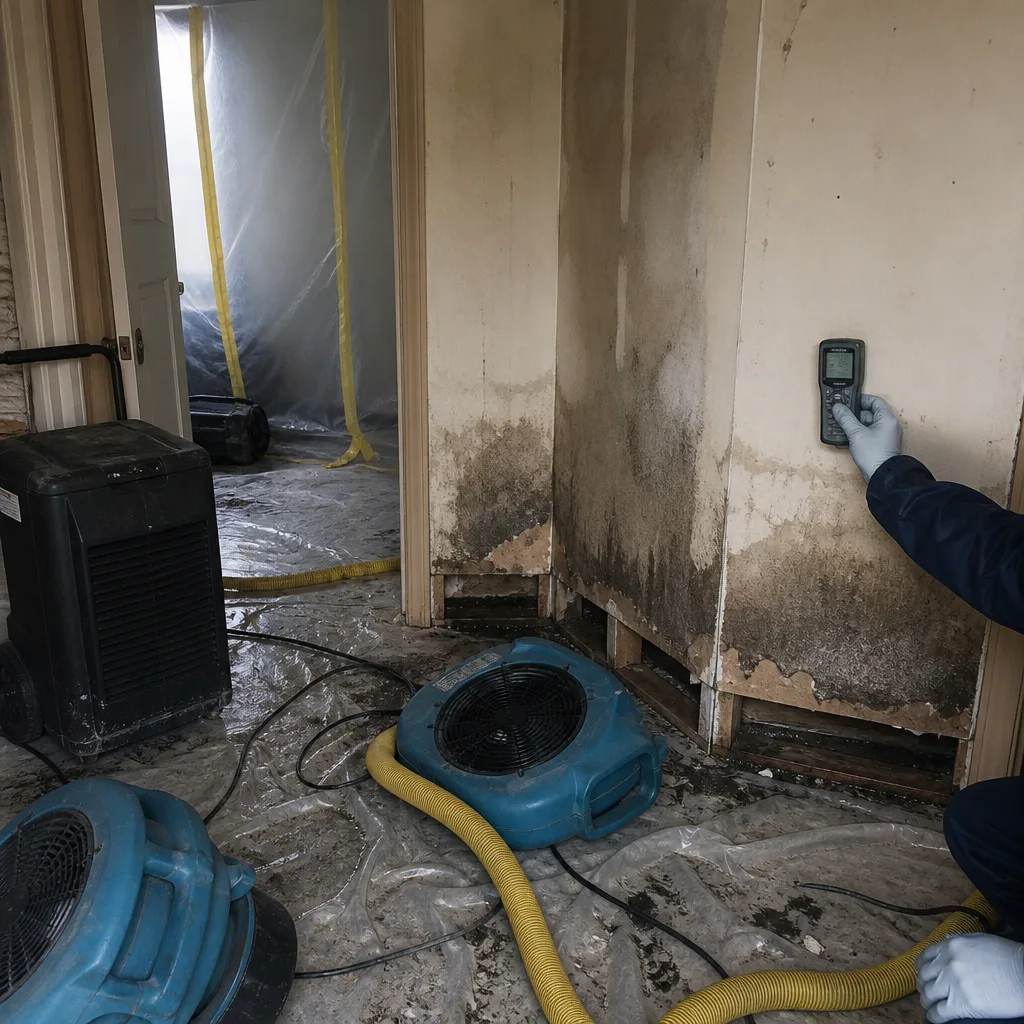 Before
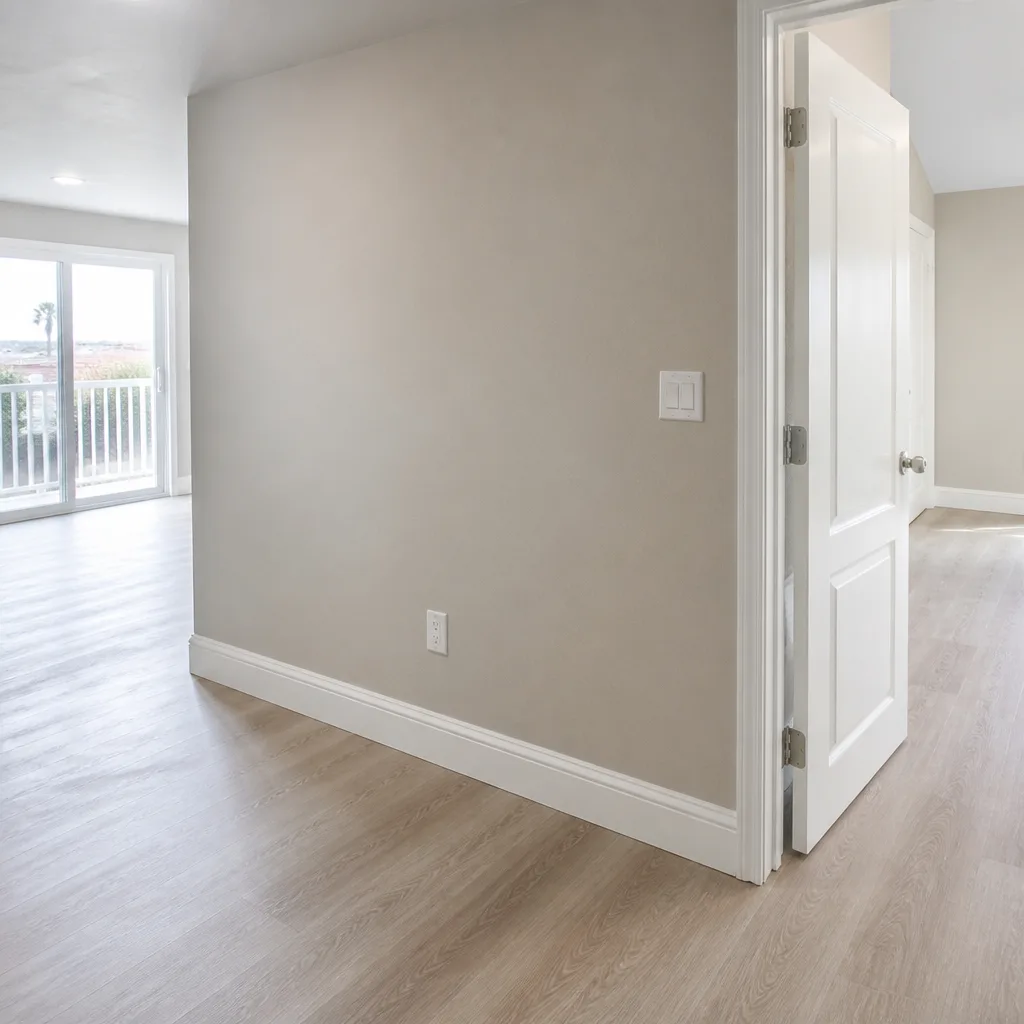 After
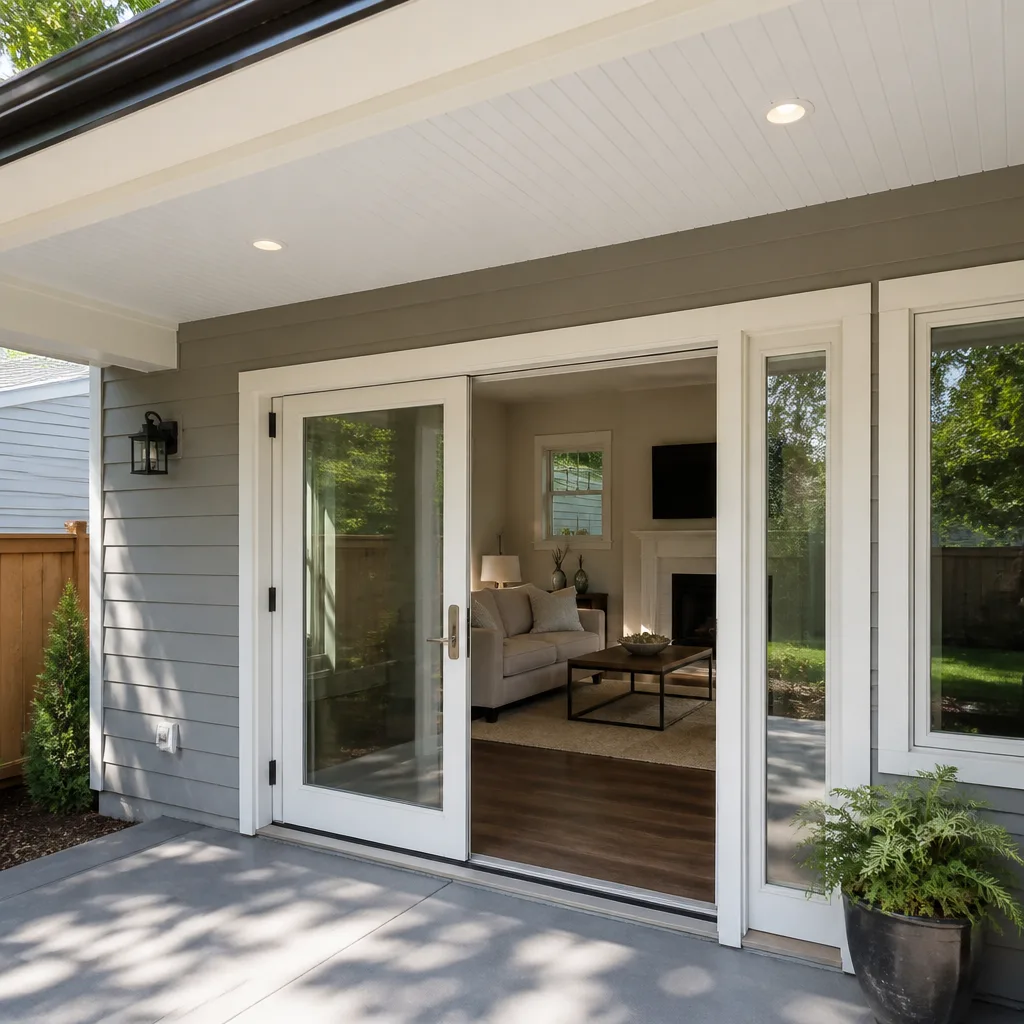
After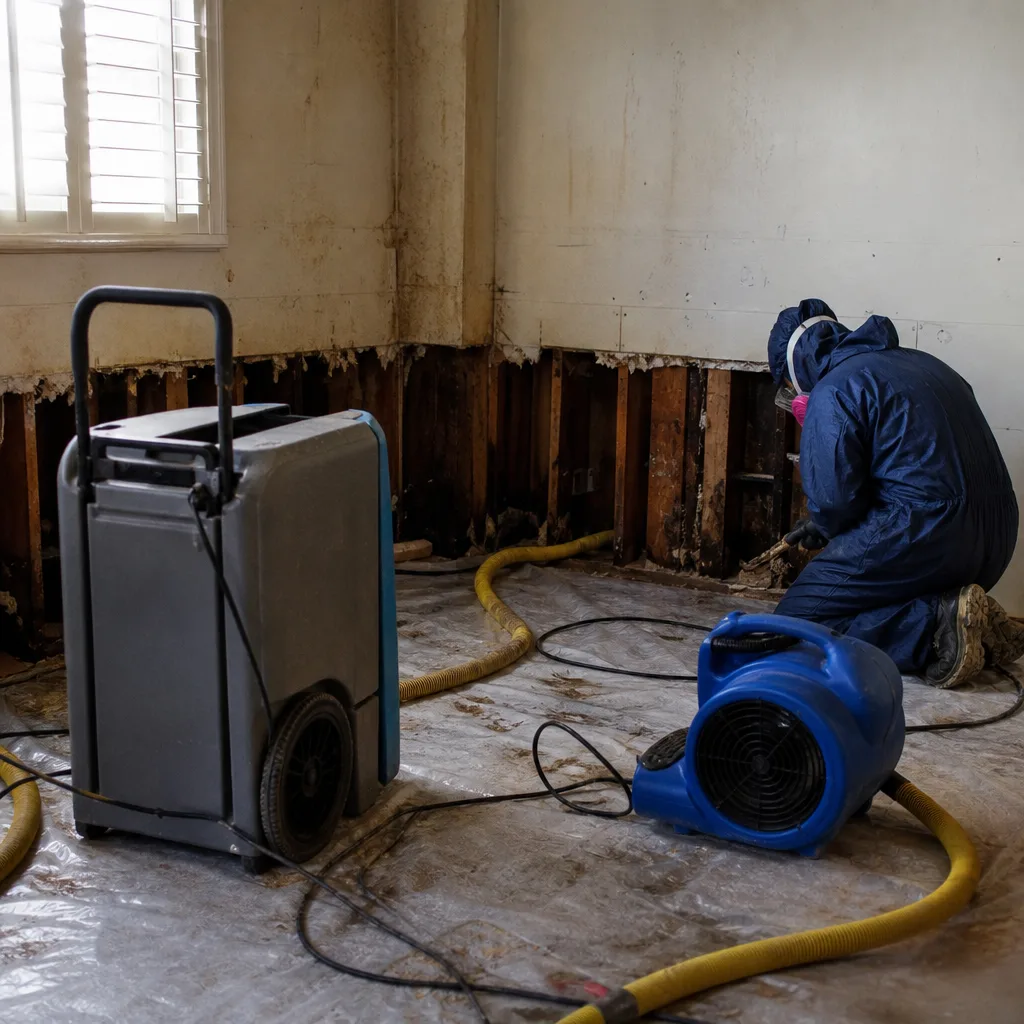 Before
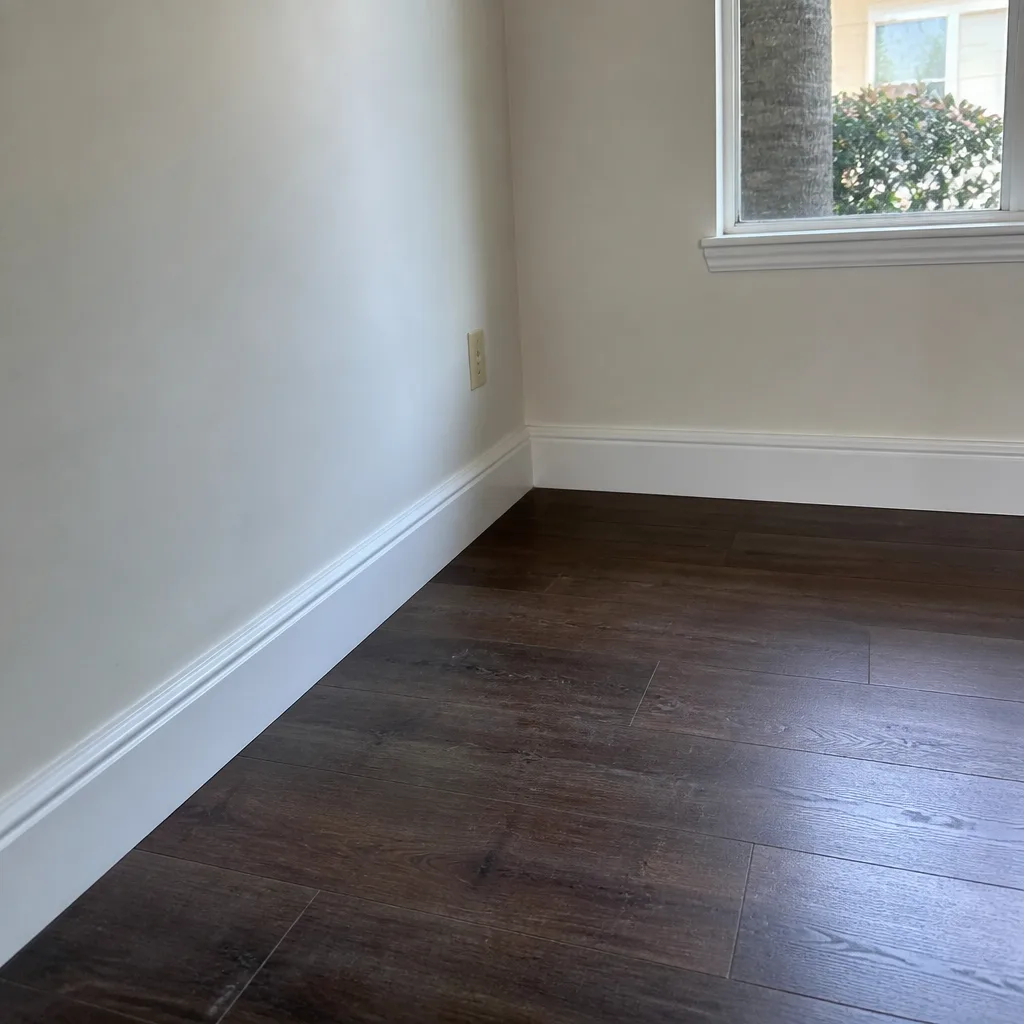 After
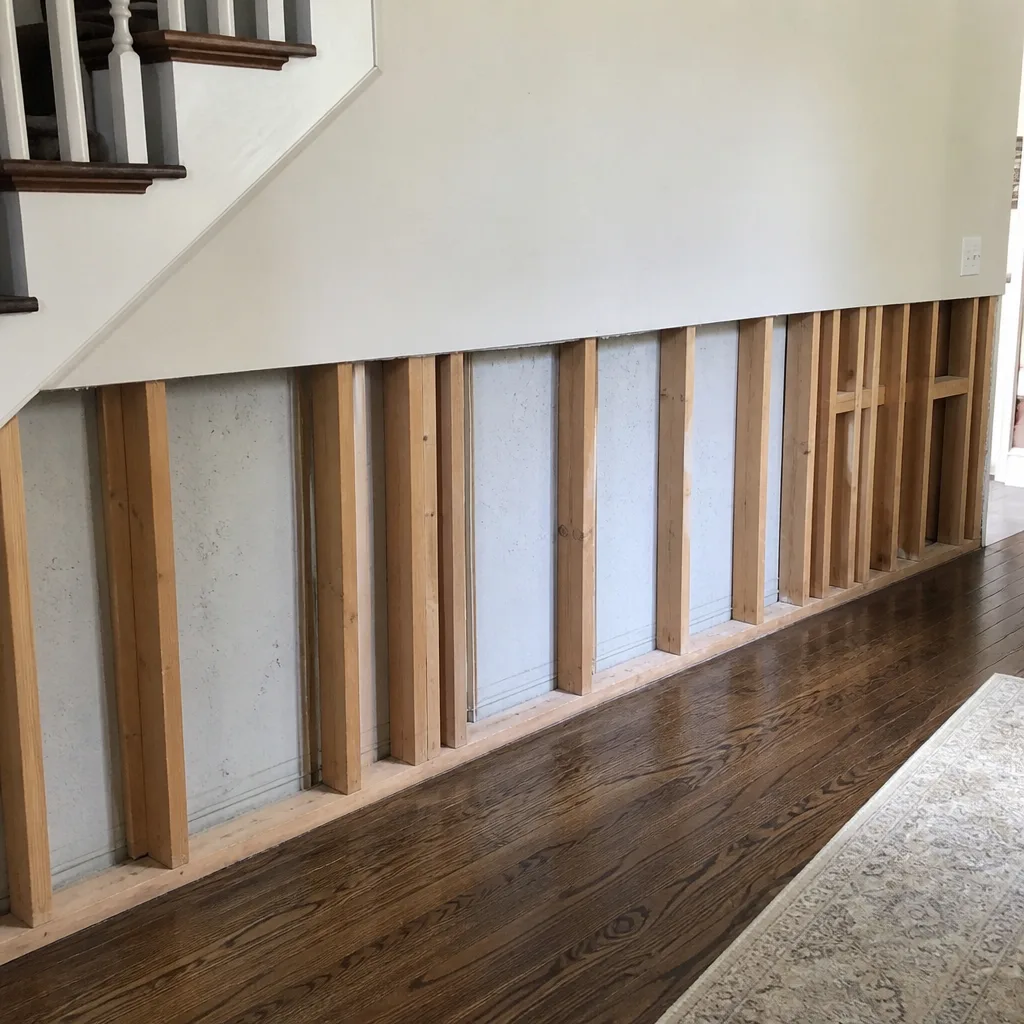
After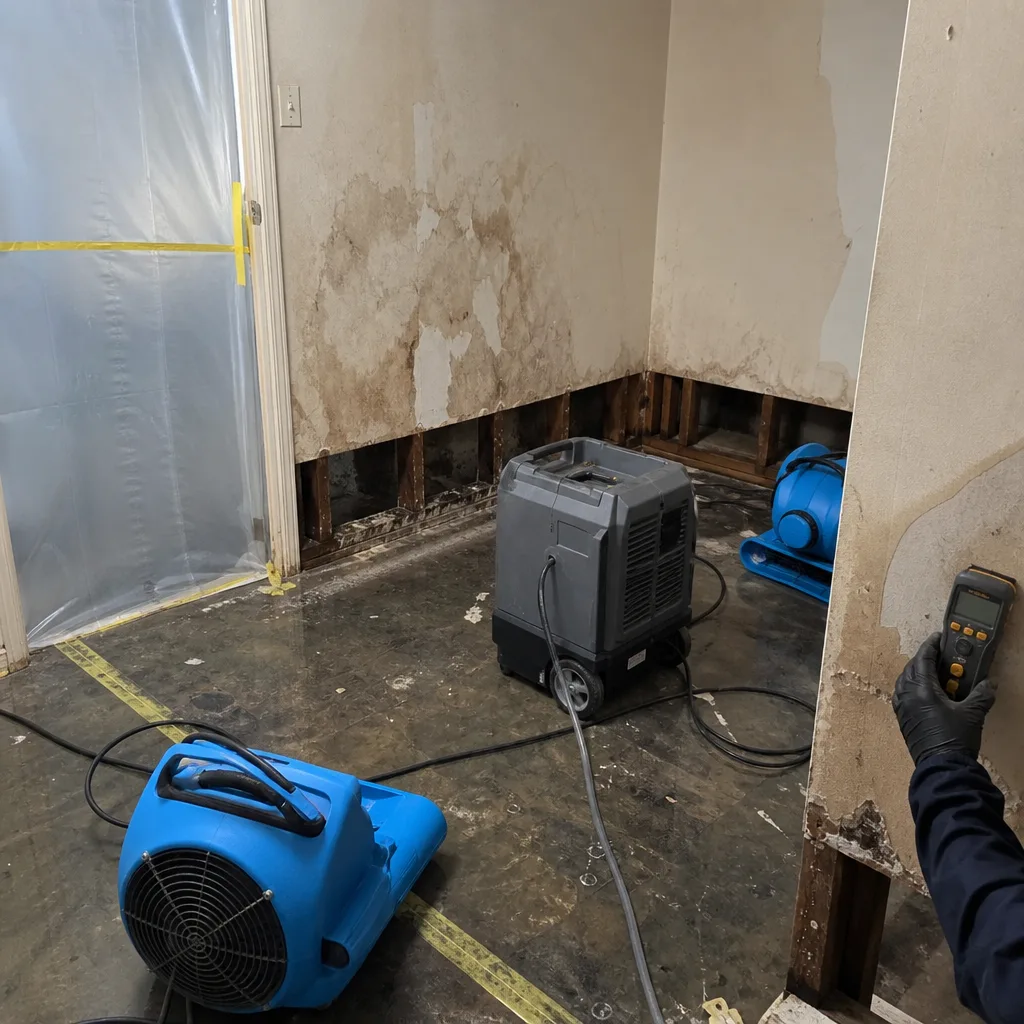 Before
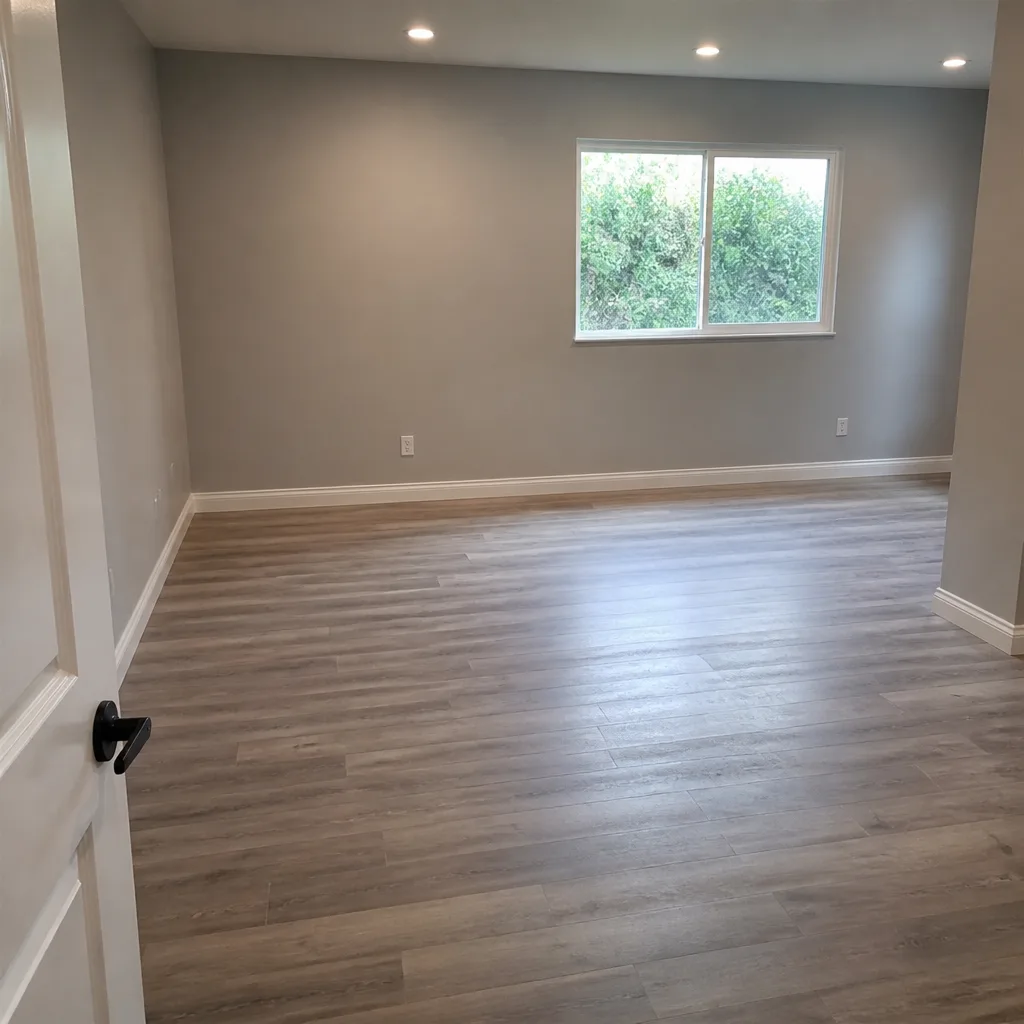 After
AfterFast, Reliable Mold Remediation Across Gardena
Mold remediation in Gardena typically costs $1,800-$6,500 for residential jobs, with most slab-leak-related projects falling in the $2,800-$4,200 range due to the regulated hazmat protocols common in this city’s pre-1980 housing stock. We dispatch crews to Gardena from our Los Angeles office, and most calls are answered by a live person within two rings, 24 hours a day, 7 days a week. If you’re seeing discoloration on baseboards, catching a musty smell near the slab, or dealing with the aftermath of a water loss on Normandie Avenue or Vermont Avenue, we’ll get a technician out with moisture meters, a written scope, and a camera before any work starts.
Call us at (424) 375-7225 for a free estimate. We bring competitor quotes too - our Free Second Opinion policy means we’ll review any written estimate at no charge.
Why DryMark Restoration Redondo Beach Is Gardena’s Preferred Mold Remediation Company
We’ve restored more than 12,000 homes since 2011, and a significant share of those jobs have been right here in Gardena, where the housing stock creates restoration challenges you don’t see in newer coastal cities. Our founder built this company after working as a claims adjuster and watching homeowners lose coverage fights because the restoration company couldn’t produce documentation. That’s why every Gardena job gets a written price before work begins, a photo record on every visit, and daily moisture logs that satisfy even the most detail-oriented insurance examiner.
Our technicians are background-checked, uniformed, and licensed - their license numbers are available on request. We document to IICRC, RIA, and IFA standards, and we deploy professional-grade drying equipment from Phoenix and B-Air on Gardena jobs. The 365-Day Done Right Promise under The Haven Standard applies to every property we treat in the 90247, 90248, and 90249 ZIP codes.
Gardena customers specifically mention our upfront pricing in reviews. Haven Standard, Clause 1: the written price is delivered before anyone starts work, with no scope-creep additions once the crew is inside. That matters in a city where a simple water loss can reveal asbestos-containing materials and change the job classification overnight.
Our Mold Remediation Services in Gardena
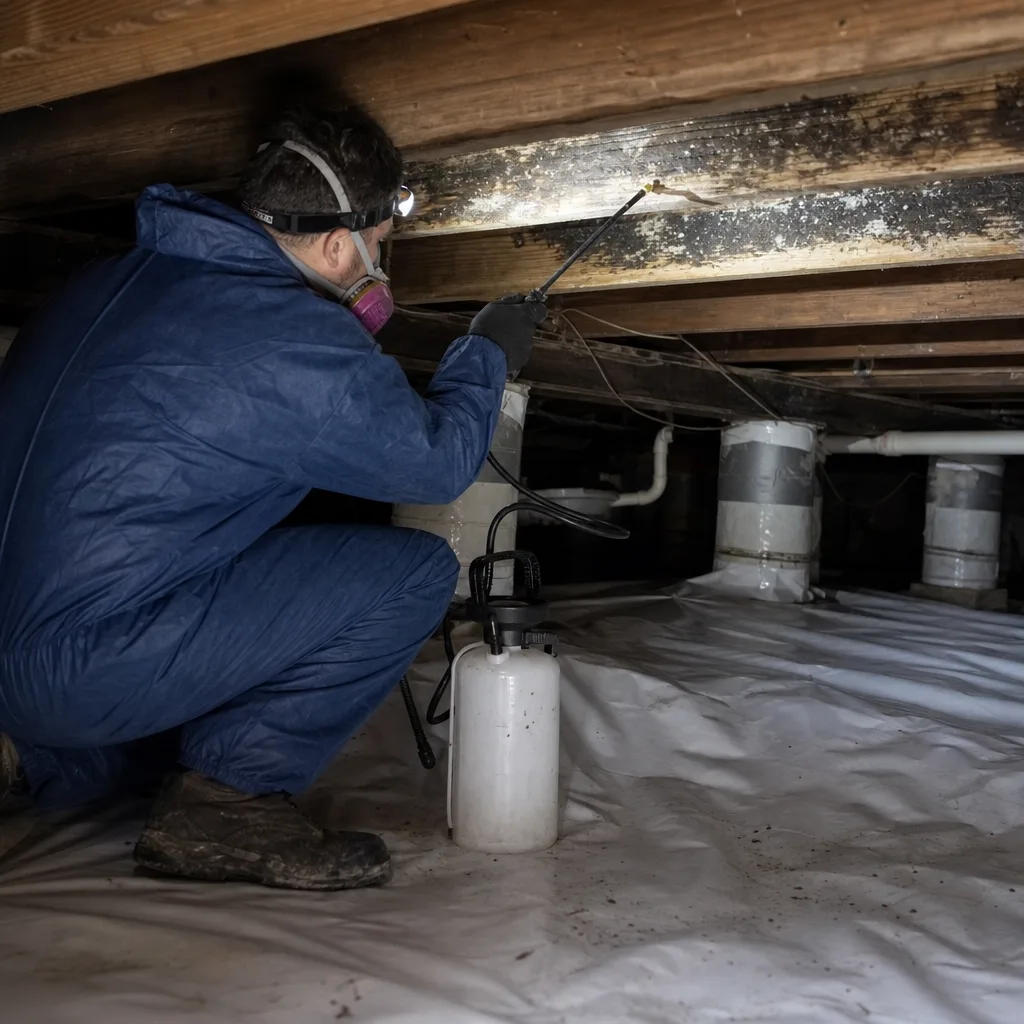
Mold Inspection & Testing
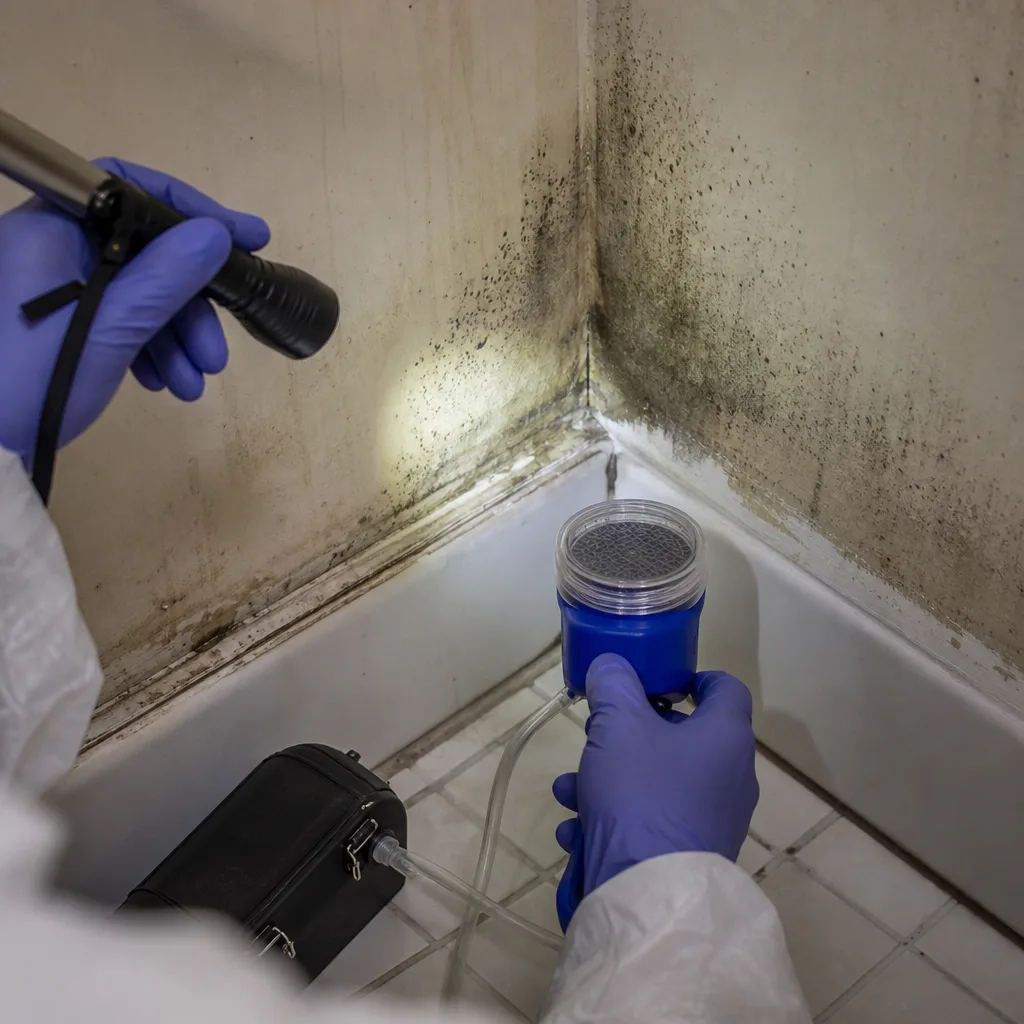
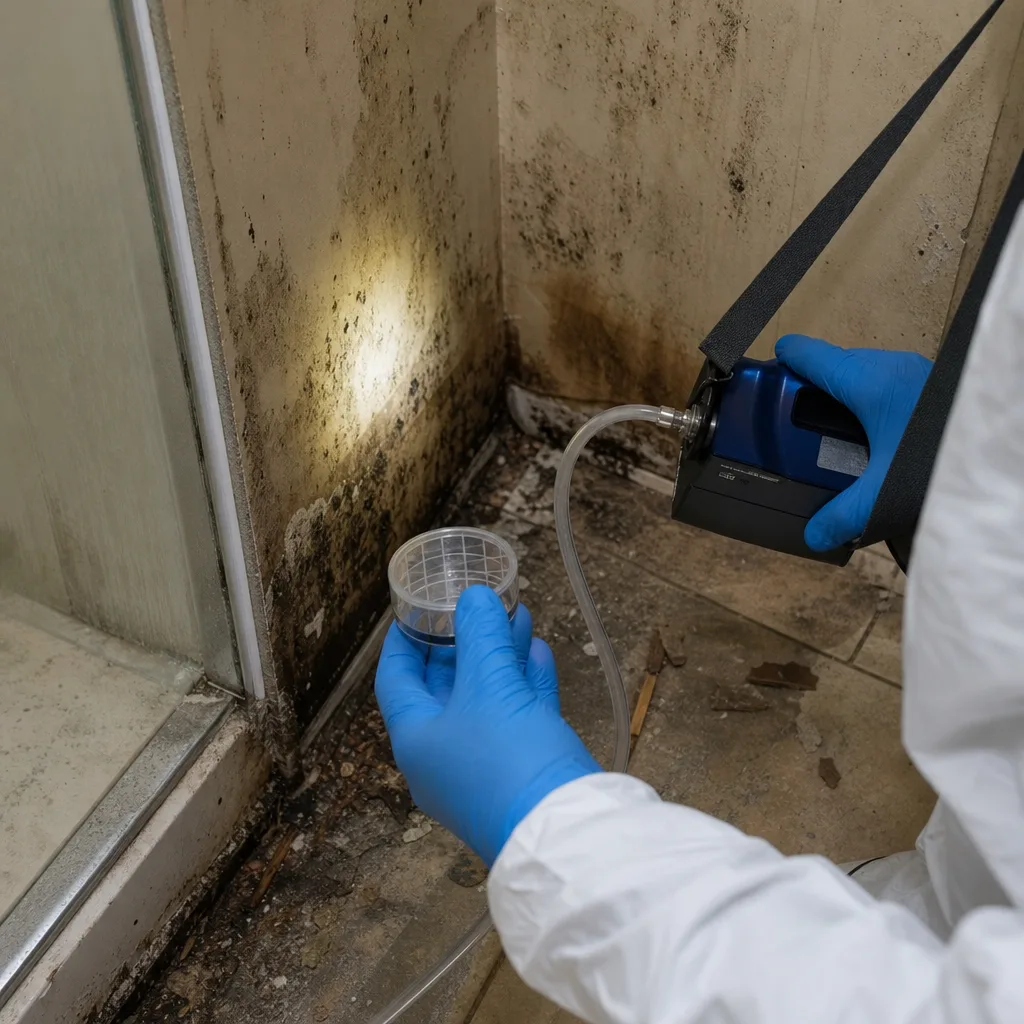
A proper mold inspection in Gardena starts with moisture mapping, not guesswork. We use thermal imaging and calibrated moisture meters to find the water source that’s feeding the colony - critical in slab-on-grade ranches where the leak may be a pinhole in galvanized pipe under the concrete, invisible until readings spike across the living room slab. Air and surface samples go to an independent lab, and we deliver results with a written remediation scope, not a verbal sales pitch. In Gardena’s 1960s dingbat apartments with tuck-under parking, we also inspect the parking-level envelope for intrusion points that upper-unit residents rarely consider.
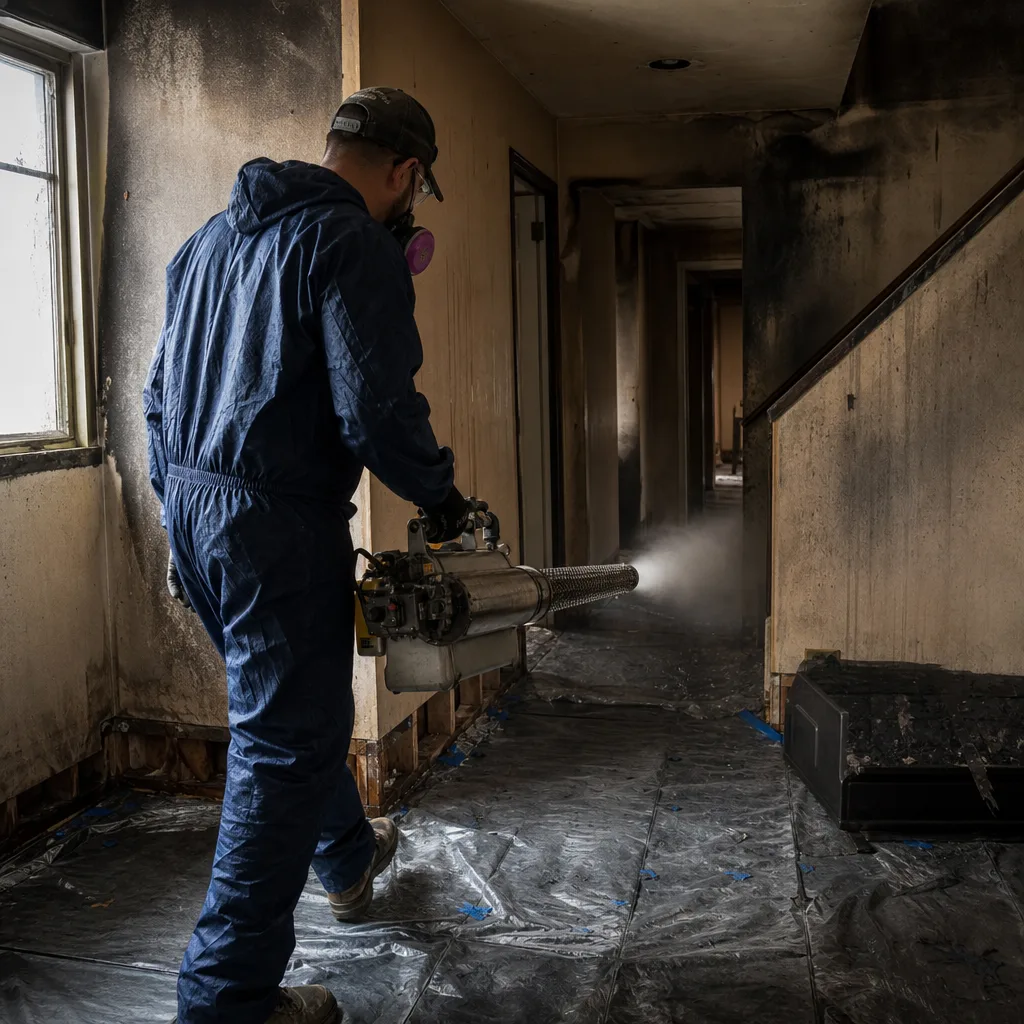
Mold Removal
Removal in Gardena often means working within containment barriers, not just wiping surfaces. When we find mold behind baseboards or under flooring in a postwar ranch, we establish negative air pressure, HEPA-filter the workspace, and remove affected materials by the square foot - documented with photos before, during, and after. If your home is one of Gardena’s many 1950s stucco ranches with original 9-inch vinyl tile, we’ll test that black mastic before we disturb it. Disturbing asbestos-containing adhesive without protocol turns a $3,000 mold job into a $15,000 hazmat violation, and no homeowner should learn that after the fact.
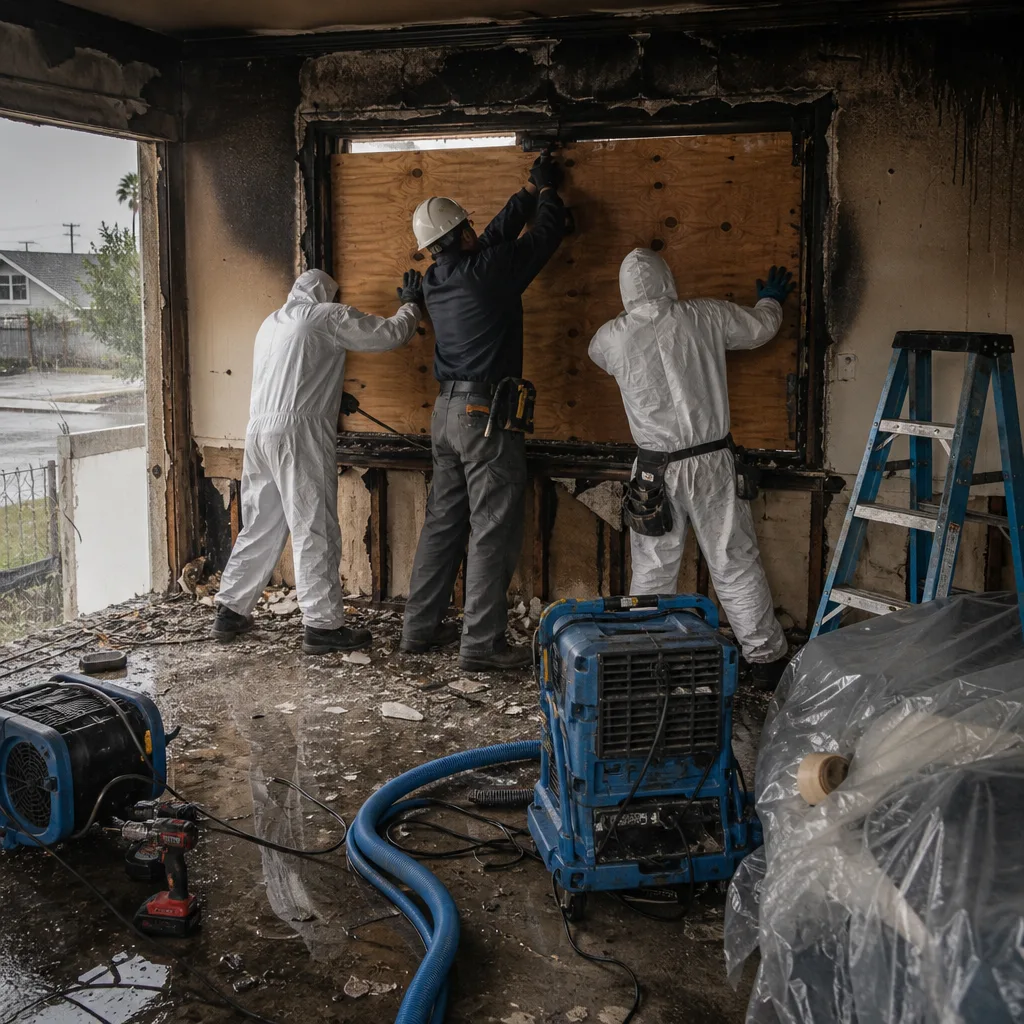
Black Mold Remediation
Stachybotrys and other toxigenic species thrive on cellulose with sustained moisture - exactly what happens when a Gardena slab leak wicks upward through concrete and saturates drywall, carpet pad, or the particleboard underlayment common in 1970s renovations. Black mold remediation here requires source elimination first, then controlled demolition, antimicrobial treatment with EPA-registered products, and clearance testing before we release containment. We don’t paint over it. We don’t spray bleach and call it done. The Haven Standard requires documented clearance, and that’s what we deliver on every Gardena job.
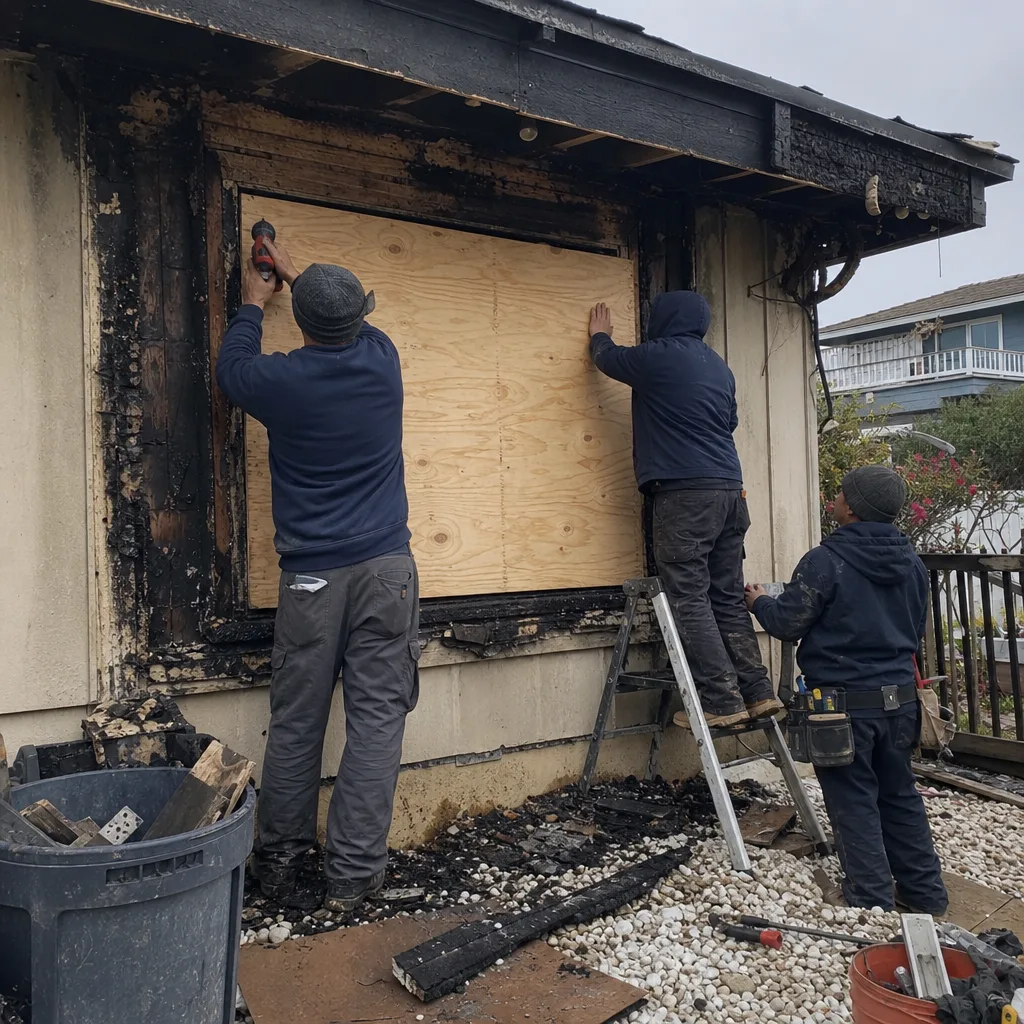
Air Quality Restoration
After remediation, Gardena homes need more than “it smells better.” We run post-remediation air samples comparing spore counts to outdoor baseline levels, and we measure relative humidity with calibrated hygrometers. In Gardena’s inland climate, where marine layer influence is weaker than in Redondo Beach but humidity still lingers, we often recommend permanent dehumidification - sometimes a whole-home unit, sometimes targeted Phoenix dehumidification in the affected zone. The goal is psychrometric balance: vapor pressure differential low enough that moisture doesn’t re-accumulate and restart the cycle.
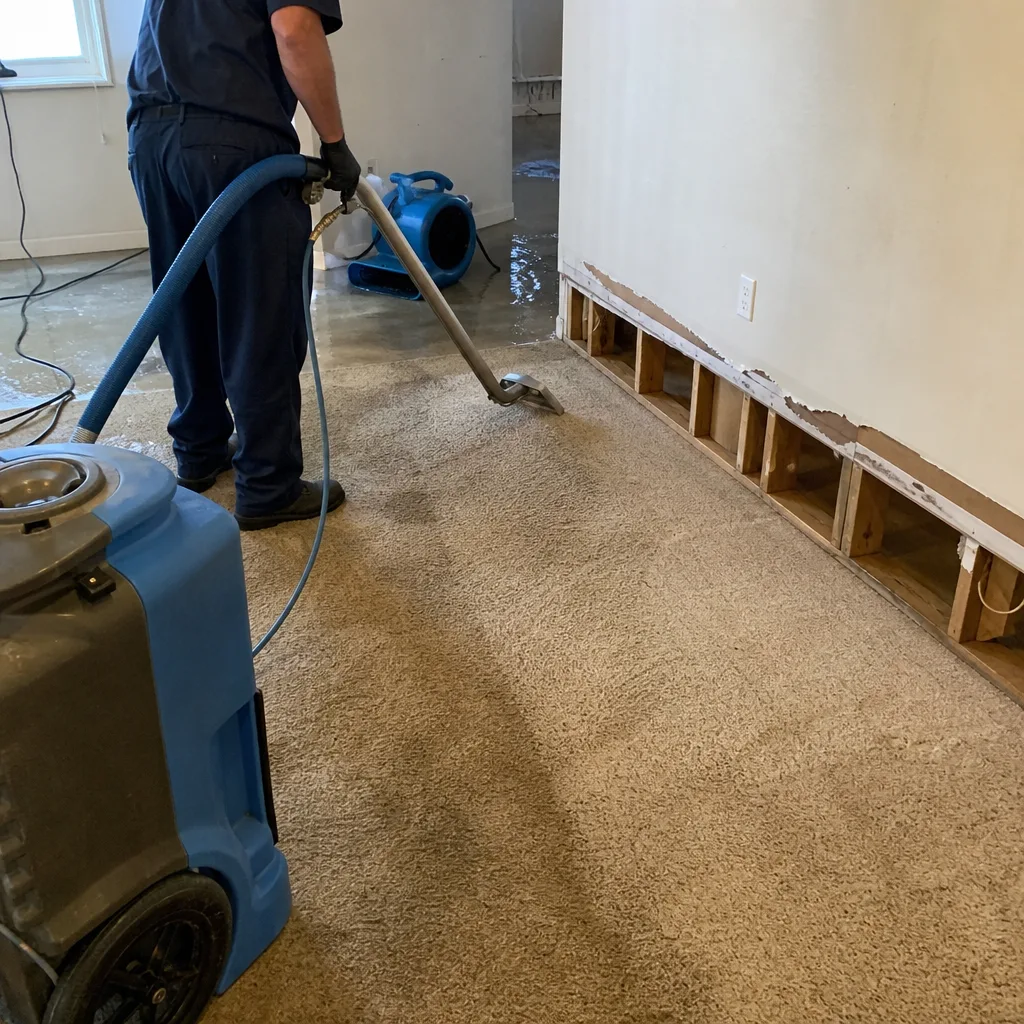
Moisture & Humidity Control
This is where Gardena’s geography makes or breaks a remediation. The city’s flat, nearly impervious surface sheds water fast during atmospheric river events, but that water has nowhere to go when storm drains back up. Ground-level slab homes with no crawl space absorb it directly. Our moisture control protocols include identifying the slab crack or plumbing failure source, sealing where possible, and installing permanent dehumidification sized to the cubic footage - not a big-box unit that runs constantly and never hits target. We document target moisture content for each material type, then log daily readings until we hit it.
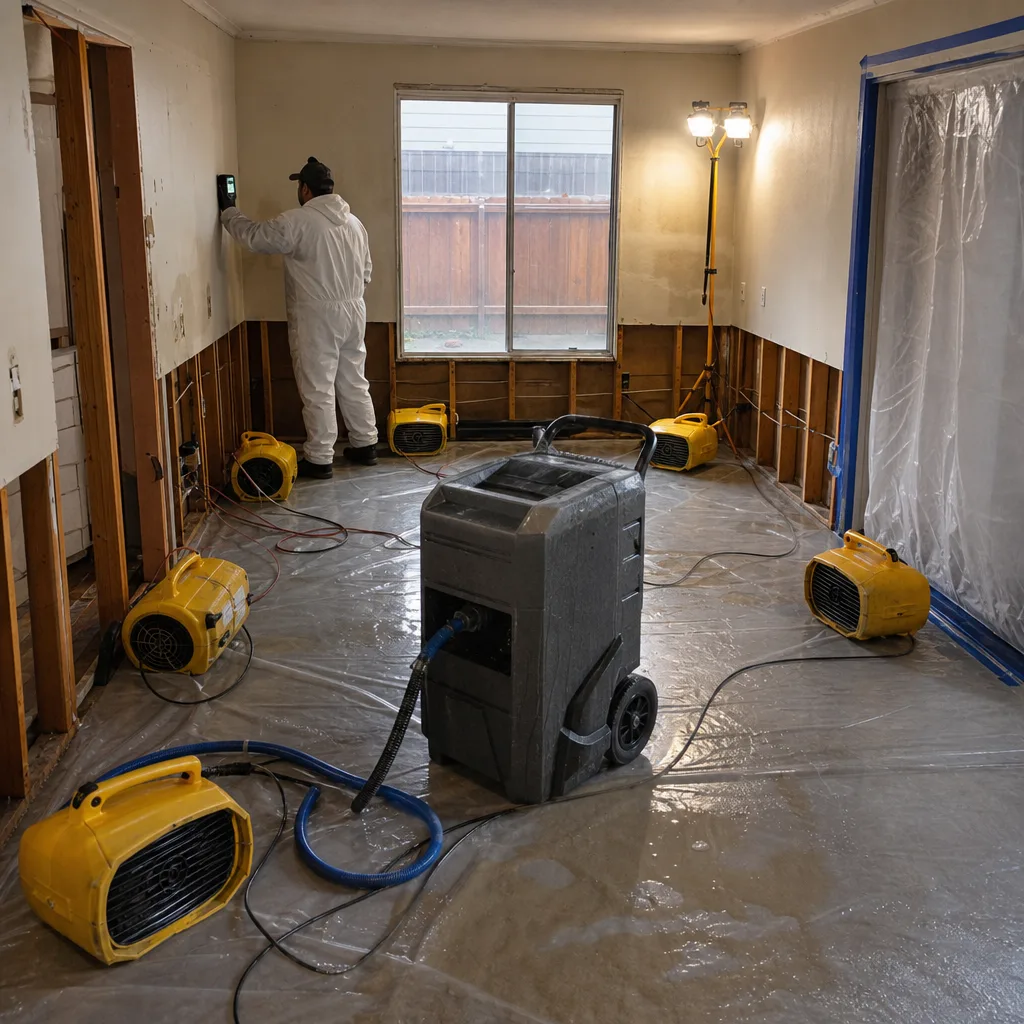
What happens when you call
- 1
A real person answersNo phone trees - you reach a local pro.
- 2
You get an upfront price rangeHonest numbers before anyone is dispatched.
- 3
A background-checked tech heads outLicensed & insured, dispatched right away.
- 4
You approve before work beginsNothing starts until you say go.
 Before
 After
AfterTrusted Brands We Service in Gardena
We deploy professional-grade drying and dehumidification systems from Phoenix, B-Air, and XPOWER on Gardena jobs - equipment sized for the tight floor plans and minimal clearance common in postwar ranches and dingbat apartments. These aren’t consumer units. A Phoenix 200 HT pulls 30 gallons per day at AHAM conditions, and we pair it with Injectidry mat systems for slab drying when we can’t demolish the finish flooring. For Gardena homeowners dealing with recurring moisture after a slab leak, this equipment difference shows up in the drying log: documented moisture readings hitting target in 72 hours, not 14 days of rental fans and rising mold counts.
Common Mold Remediation Problems We See in Gardena Homes
- Slab leaks mistaken for simple spills. A homeowner sees water on the kitchen floor and calls for extraction, but the real source is a cracked slab along the Newport-Inglewood Fault corridor, wicking groundwater upward for weeks. By the time mold is visible, the mastic under the vinyl tile is saturated and potentially asbestos-containing.
- Asbestos mastic discovered mid-job. A contractor pulls up water-damaged flooring in a 1962 ranch near Gardena Boulevard, finds black cutback adhesive, and has to stop work, erect containment, and re-scope under hazmat protocol. The homeowner pays for two mobilizations and faces a coverage fight because the initial scope was wrong.
- Atmospheric river flooding in slab homes with no drainage path. When Gardena’s clay storm drains overflow during winter storms, water enters through door thresholds and sits on the slab. Without a crawl space to absorb or vent moisture, the structure hits 60% relative humidity in 48 hours - prime mold conditions.
- Dingbat apartments with failed parking-level waterproofing. These 1960s-70s buildings have open tuck-under parking with minimal exterior sealing. Water intrudes at the slab edge, wicks into unit partition walls, and produces hidden mold that tenants smell before they see it. Property managers need a scope that addresses the envelope, not just the symptom.
Pricing for Mold Remediation in Gardena, CA
Mold inspection and testing in Gardena runs $350-$650, including moisture mapping, thermal imaging, and lab analysis of air and surface samples. Contained mold removal for a single affected room in a slab ranch typically falls between $1,800 and $3,200. Black mold remediation with full containment, negative air, and clearance testing ranges $3,500-$6,500. Jobs that require asbestos mastic removal under protocol add $2,000-$4,500 depending on square footage and disposal requirements.
What moves the number: affected square footage, whether containment is required, the material classification of the water loss (Category 1 vs. Category 2 or 3), and whether asbestos protocol is triggered. Every Gardena job gets a written price before work begins - Haven Standard, Clause 1 - with no additions once the crew is inside. We also offer a Free Second Opinion on any competitor’s written estimate.
Call (424) 375-7225 for your exact quote. Estimates are free.
We Also Serve Cities Near Gardena
Our crews work throughout the South Bay and Harbor Gateway area, including Mold Remediation in Gardena and surrounding cities: Lawndale, Hawthorne, Compton, and Torrance. Dispatch and scheduling are coordinated from our Los Angeles office, with local response to all listed communities.
Serving Gardena, CA - Our Local Coverage Area
We’re based in the Gardena area and know this community well. Use the map below to see our service coverage - if you’re nearby, we can almost certainly help.
FAQs - Mold Remediation in Gardena
Slab-on-grade construction puts the floor covering in direct contact with concrete that wicks moisture upward from the leak. In Gardena’s climate, relative humidity stays high enough year-round that mold colonizes within 48-72 hours of saturation, especially under carpet pad or vinyl flooring where air circulation is zero. We map moisture across the entire slab before declaring anything dry - surface dryness means nothing if the concrete below is still wet. Call (424) 375-7225 and we’ll bring the meters.
Not always, but the probability is high enough that we test before we disturb. The black cutback mastic under original 9-inch vinyl composite tiles in Gardena’s 1945-1965 ranches was nearly universally asbestos-containing. We responded to a slab leak in a 1958 stucco ranch off Normandie Avenue where the homeowner had pulled up soaked carpet and found the original 9-inch vinyl tiles curling off black mastic. After our moisture mapping flagged elevated moisture readings across the entire slab, we set up containment, performed antimicrobial treatment, and removed the mastic under the asbestos protocol before structural drying could begin. Once drying logs hit target, we installed a Phoenix dehumidification setup and documented the scope of work against pre-loss condition to close out the claim. Skipping that test is a liability no homeowner should accept.
Yes, but it requires directed heat and air movement, not just dehumidification. We use Injectidry mat systems on the slab surface, combined with low-grain refrigerant or desiccant dehumidification, to create vapor pressure differential that pulls moisture out of the concrete. In Gardena’s flat terrain with overwhelmed storm drains, these floods are common enough that we keep the equipment staged and ready. The key is starting within 24 hours, before mold colonizes. Call (424) 375-7225 for emergency dispatch.
Category 1 is clean water from a supply line. Category 3 is grossly contaminated. The decision point in Gardena often comes down to what the water contacted: a slab leak that wicks through concrete and asphaltic mastic picks up contaminants from both materials, and we classify it Category 2 or 3 to protect the homeowner from an under-scoped job. We document the classification with photos and material identification, then build the remediation scope accordingly. Insurance adjusters pay claims that are documented, not guessed.
It starts with the parking-level envelope, not the unit interior. These buildings have minimal waterproofing at the slab edge, so water intrudes behind the finished wall and produces hidden mold in the cavity. We scope the intrusion path, establish containment to protect adjacent units, remove affected drywall and insulation, treat framing with antimicrobial, and dry to IICRC standards. Property managers get a written scope, photo documentation, and a drying log that satisfies their insurer. The Haven Standard, Clause 1 applies: written price before work begins, every time.
Written by Alicia Brennan, Owner at Back to Dry Restoration, serving Gardena since 2011 under The Haven Standard.